
New Jersey Deck Codes: 2026 Requirements
Navigating New Jersey's deck building codes in 2026. Understand permit requirements, frost lines, materials, and regulations for a safe & compliant deck.
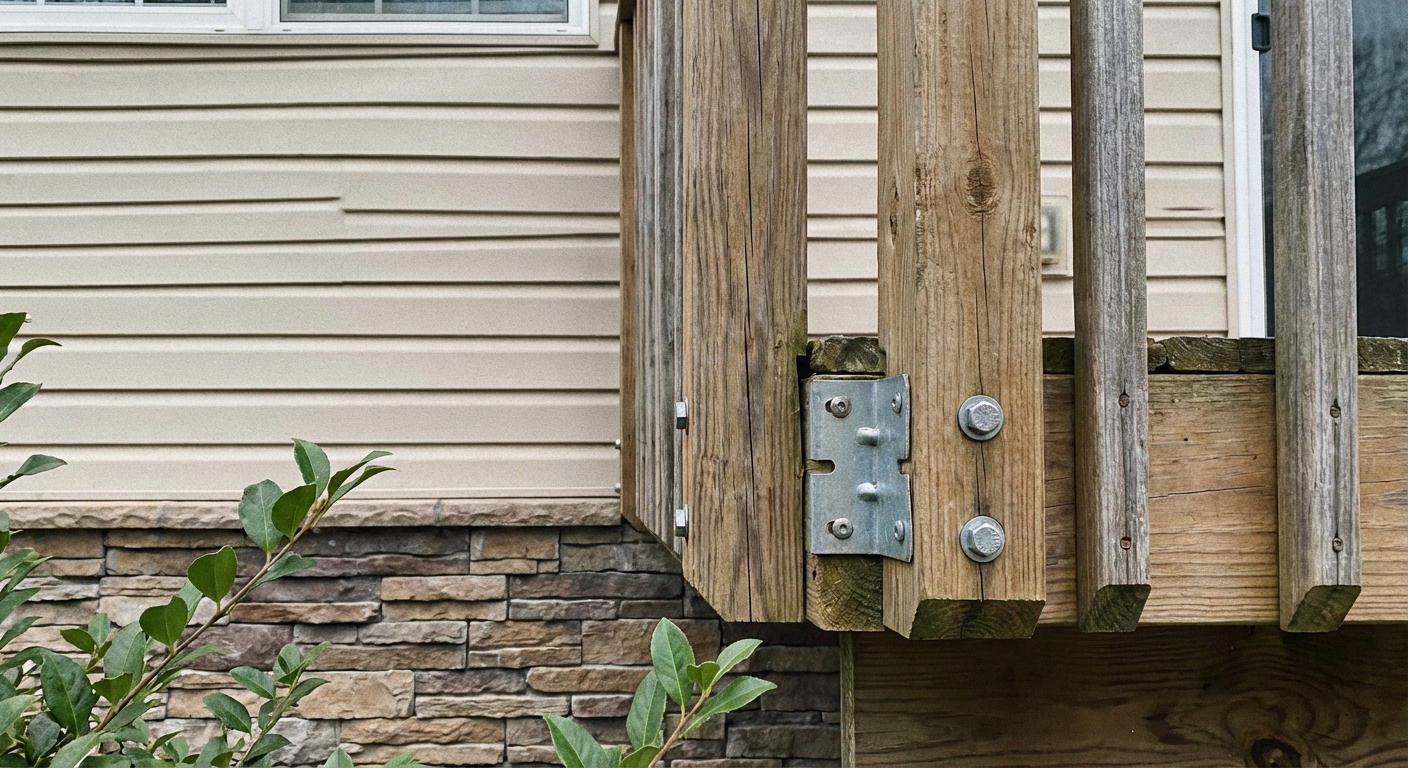
Planning to build a new deck or renovate an existing one in New Jersey? You're probably wondering about building codes and permits. Given New Jersey's stringent regulations, understanding these requirements upfront is crucial to avoid costly delays and ensure your deck is safe and compliant. This guide breaks down the key aspects of New Jersey's deck building codes to help you navigate the process smoothly.
📋 Tool Alert: Permit Checker
Do you really need a permit? Check the exact rules for your city or township.
Check Permits →Understanding New Jersey's Uniform Construction Code (UCC)
New Jersey operates under the Uniform Construction Code (UCC), a statewide set of regulations enforced by local construction officials. This means your deck project, regardless of whether you're in North Jersey, Central Jersey, or down the Shore, must adhere to these standards. The UCC covers everything from structural integrity to safety features. Due to the complex regulations, high labor rates, and property values, New Jersey has some of the highest construction costs in the US.
🏗️ Planning a deck project?
Get a free manual project review, or visualize your dream deck with AI before requesting quotes.
<!-- slot:after-intro -->
Permit Requirements: When Do You Need One?
A crucial aspect of the UCC is understanding when a permit is required. In New Jersey, you'll need a permit for *any* deck that meets either of these criteria:
- Exceeds 200 square feet in area.
- Is more than 30 inches above grade (ground level) at any point.
If your deck falls under either of these, you absolutely need a permit. Building without one can lead to hefty fines and even forced removal of the structure. Typical permit costs in NJ range from $200-$800, depending on your township. Expect higher fees in more affluent areas like Bergen County, Essex County, and Monmouth County. Read more about Do You Need a Deck Permit in New Jersey? Township & City Rules Explained.
Frost Line Depth: A Critical Structural Consideration
New Jersey's climate, characterized by hot, humid summers (temperatures frequently between 85-95°F) and cold winters with snow and ice, necessitates a deep frost line. The frost line, the depth to which the ground freezes, significantly impacts foundation requirements. In NJ, the frost line is 36 inches, one of the deepest on the East Coast. This means your deck footings must extend at least 36 inches below ground to prevent movement and structural damage from freezing and thawing cycles. Failing to meet this requirement can compromise the entire deck's stability.
Coastal Construction and Flood Zones
If you're building near the Jersey Shore (think LBI, Cape May, Asbury Park), you face additional regulations related to coastal construction and flood zones. These regulations are designed to protect properties from storm surges and flooding. You might need a CAFRA (Coastal Area Facility Review Act) permit from the NJ DEP (Department of Environmental Protection), especially if your property is near wetlands, streams, or flood plains. Elevated decks and specialized hurricane-rated hardware are often required in these areas, along with corrosion-resistant fasteners to withstand the salty air.
Key Deck Building Code Requirements in New Jersey
Here’s a breakdown of essential code requirements to keep in mind:
- Footings: As mentioned, footings must extend at least 36 inches below grade to meet the frost line. They must also be properly sized to support the deck's load.
- Posts and Beams: Use pressure-treated lumber that is rated for ground contact. Ensure proper sizing based on span and load calculations.
- Joists: Joist spacing depends on the decking material and intended load. Typical spacing is 12-16 inches on center.
- Decking: Decking must be securely fastened to the joists. Use appropriate screws or hidden fasteners.
- Railings and Guards: Decks exceeding 30 inches above grade require railings. Railings must be at least 36 inches high for residential properties. Spacing between railing balusters cannot exceed 4 inches.
- Stairways: Stairways must have a minimum width of 36 inches. Risers should be between 4 and 7.75 inches high, and treads should be at least 10 inches deep. Handrails are required on stairways with four or more risers.
- Ledger Board Attachment: The ledger board, which connects the deck to your house, must be properly attached using lag screws or bolts. Flashing is essential to prevent water damage.
- Termite Protection: Given New Jersey's moderate termite pressure, consider subterranean termite treatment around the deck's perimeter.
Material Choices and Costs
Your choice of decking material will impact both cost and code compliance. Here's a quick overview:
| Material | Cost per sqft (Installed) | Pros | Cons |
| ------------------ | ------------------------- | ----------------------------------------------------------- | ---------------------------------------------------------------------- |
| Pressure-Treated | $30-$50 | Most affordable, readily available | Requires regular maintenance, prone to warping and splintering |
| Composite | $50-$85 | Low maintenance, durable, resists rot and insects | Higher initial cost, can get hot in direct sunlight |
| Cedar | $40-$60 | Naturally beautiful, resists insects and decay | Requires regular sealing, can be more expensive than pressure-treated |
| Trex (Composite) | $55-$90 | Premium composite, excellent durability, wide range of colors | Highest initial cost |
These are average costs; your actual expenses will vary based on the complexity of your project, contractor rates, and specific material choices. For a deeper dive, see How Much Does a Deck Cost in New Jersey? Complete 2026 Guide and Deck Cost Per Square Foot in New Jersey: 2026 Pricing Breakdown.
HOA Considerations
Many New Jersey homeowners live in communities governed by Homeowners Associations (HOAs). Before starting any deck project, check your HOA's rules and regulations. HOA approval is often required for exterior modifications, including deck construction. Failure to obtain approval can lead to fines or even legal action.
<!-- slot:mid-content -->
Popular Deck Features in NJ
New Jersey homeowners often incorporate features that address the state's specific climate and lifestyle:
- Screened Porches: Essential for combating New Jersey's notorious mosquito population, especially during the humid summer months.
- Multi-Level Decks: Ideal for properties with sloped lots, common in North Jersey and some parts of Central Jersey.
- Pool Decks: Create a seamless transition between your pool and outdoor living space.
- Outdoor Kitchens: Elevate your deck into a true outdoor entertainment area.
Best Time to Build a Deck in New Jersey
The best months for deck construction in New Jersey are typically April-June and September-October. These months offer milder temperatures and lower humidity, making for more comfortable working conditions. Avoid the peak summer months (July-August) due to excessive heat and humidity, and winter months (November-March) due to the risk of frozen ground and inclement weather.
Working with a Contractor
Given the complexity of New Jersey's building codes, hiring a qualified and licensed contractor is highly recommended. A good contractor will be familiar with local regulations, handle the permitting process, and ensure your deck is built to code. Be sure to check their references, insurance, and licensing before hiring. Consider getting multiple bids to ensure you're getting a fair price.
Use PaperPlan (paperplan.app) to visualize your deck with PaperPlan design with different materials and layouts before committing to a contractor. This can help you communicate your vision effectively and avoid misunderstandings.
<!-- slot:before-faq -->
Frequently Asked Questions
Do I really need a permit for a small deck?
Yes, in New Jersey, if your deck is over 200 square feet or more than 30 inches above grade, you need a permit. There are no exceptions based on deck size below these thresholds. Even if you think your deck is "small," measure carefully to ensure compliance.
How long does it take to get a deck permit in NJ?
The time it takes to obtain a deck permit in New Jersey can vary significantly depending on your township and the complexity of your project. Generally, expect the process to take anywhere from 2 to 8 weeks. Some townships are faster than others, and more complex projects (e.g., those involving coastal construction or requiring variances) will typically take longer.
What happens if I build a deck without a permit?
Building a deck without a required permit in New Jersey can lead to serious consequences. You could face fines, stop-work orders, and even be forced to remove the deck. Additionally, it can create problems when you try to sell your home. It's always best to obtain the necessary permits upfront.
What inspections are required for a deck in NJ?
Typical inspections for a deck in New Jersey include:
- Footing inspection: To verify proper depth and size of footings before pouring concrete.
- Framing inspection: To check the structural integrity of the framing, including posts, beams, and joists.
- Final inspection: To ensure the deck is complete and meets all code requirements, including railings, stairways, and fasteners.
Your local construction official will schedule these inspections at various stages of the construction process.
Where can I find the specific building codes for my town?
Your local township's website is the best place to find specific building codes and regulations. You can also contact your local construction official directly for assistance. The NJ Department of Community Affairs website may also have useful resources.
<!-- slot:end -->
Building a deck in New Jersey requires careful planning and attention to detail. By understanding the state's stringent building codes and permit requirements, you can ensure your project is safe, compliant, and adds lasting value to your home. Consult with local professionals and do your research to navigate the process successfully. Consider exploring resources like Bergen County Deck Permit: Requirements, Costs & How to Apply if you're in that area. Also, if you need a reliable deck builder in your area, check out Best Deck Builders in Newark, NJ: How to Find the Right Contractor, Best Deck Builders in Jersey City: Local Guide for 2026, Best Deck Builders in Hoboken: Trusted Local Contractors or Best Deck Builders in Princeton, NJ: Finding Quality & Value.
📋 Planning a deck project?
Get a free manual project review from our team — no obligation, no spam.
Get Free Project Review →Upload a backyard photo and preview real decking materials with AI — free, instant, no sign-up.
Permits, costs, material comparisons, and questions to ask before requesting quotes — delivered to your inbox.