
Deck Cost in Baltimore (2026)
Planning a new deck in Baltimore? Get the latest 2026 pricing for pressure-treated, composite, cedar, and more. Plus, permits, local tips, and cost factors!
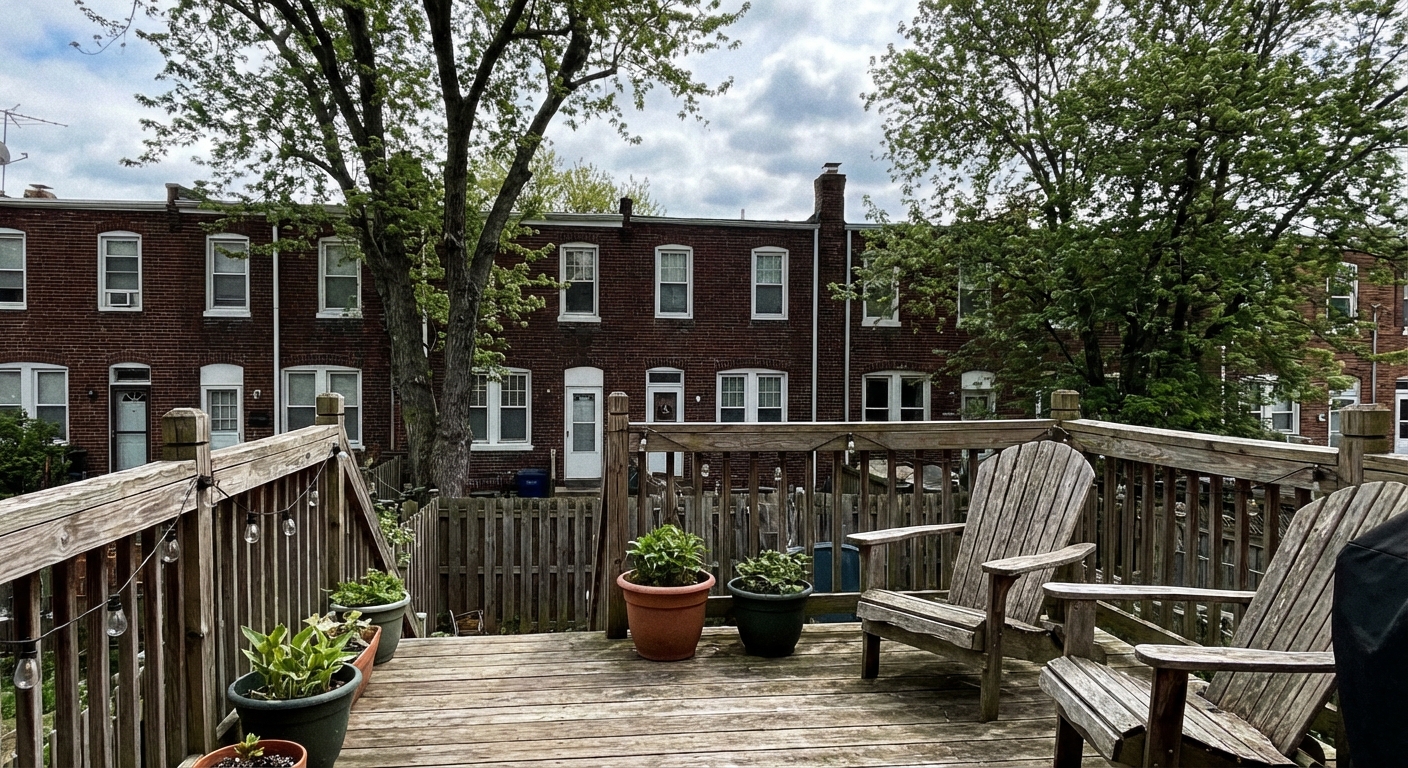
Building a new deck in Baltimore can significantly enhance your outdoor living space and boost your property value. But how much will it actually cost? This guide breaks down the factors influencing deck prices in Baltimore, Maryland, providing you with realistic estimates for different materials and project types. You'll also find information on local permits, common challenges, and tips for finding the right contractor.
🧮 Tool Alert: Deck Cost Calculator
Estimate your project costs in seconds based on local pricing bands for your area.
Calculate My Cost →Understanding Baltimore Deck Costs: A Detailed Breakdown
Deck costs in Baltimore are affected by several factors, including the size of your deck, the materials you choose, and the complexity of the design. Maryland's high property values mean homeowners are willing to invest in quality outdoor spaces, which can sometimes drive up the cost compared to national averages.
🏗️ Planning a deck project?
Get a free manual project review, or visualize your dream deck with AI before requesting quotes.
Here's a general overview of the cost per square foot for popular decking materials in the Baltimore area, fully installed:
- Pressure-Treated Wood: $28-$50 per square foot
- Cedar: $40-$60 per square foot
- Composite Decking (e.g., Fiberon, TimberTech): $50-$80 per square foot
- Trex Decking: $55-$85 per square foot
- Ipe (Brazilian Hardwood): $65-$110 per square foot
These prices include labor, materials, and basic site preparation. More complex projects, such as multi-level decks or those with custom railings, will naturally cost more.
<!-- slot:after-intro -->
Factors Influencing Your Deck Cost in Baltimore
Several key factors will influence the final price of your deck project:
- Size: Obviously, a larger deck requires more materials and labor, increasing the overall cost.
- Material: As shown above, different decking materials have significantly different price points. Pressure-treated wood is the most budget-friendly option, while exotic hardwoods like Ipe are the most expensive.
- Design Complexity: Simple, rectangular decks are the easiest and cheapest to build. Multi-level decks, curved decks, or decks with built-in seating will require more labor and specialized materials, increasing the cost.
- Railing Type: Standard wood railings are the most affordable. Composite, metal, or glass railings will add to the overall expense.
- Permits: Baltimore County, like most Maryland counties, requires permits for decks exceeding 200 square feet or 30 inches above grade. Permit fees in Baltimore County range from $150 to $400. Failing to obtain the necessary permits can result in fines and delays. See our guide on Baltimore County Deck Permit: Requirements, Costs & How to Apply for more details.
- Site Preparation: If your yard requires extensive leveling, tree removal, or other site preparation work, this will add to the overall cost.
- Contractor Fees: Labor costs can vary depending on the contractor you choose. Getting multiple quotes is crucial to ensure you're getting a fair price.
- Location within Baltimore: While not as dramatic as some regions, prices can vary slightly based on the specific neighborhood due to accessibility, local demand, and contractor overhead. Expect potentially higher costs in more affluent areas like Roland Park or Guilford compared to areas further from the city center.
- Features & Add-ons: Features such as stairs, built-in benches, lighting, under-deck drainage systems, and screened-in areas will all add to the final cost. Screened porches are especially popular in Maryland due to mosquito concerns!
Material Considerations for Baltimore's Climate
Baltimore experiences all four seasons, with hot, humid summers (85-95°F) and cold winters (20-35°F). This means your deck will be exposed to significant temperature fluctuations and moisture.
- Pressure-Treated Wood: A budget-friendly option, but requires regular maintenance (staining or sealing) to prevent rot and warping.
- Cedar: Naturally resistant to rot and insects, but still requires some maintenance to preserve its appearance.
- Composite Decking: Low-maintenance and resistant to fading, staining, and scratching. A great choice for busy homeowners who don't want to spend a lot of time on upkeep.
- Trex: A popular brand of composite decking known for its durability and wide range of colors and styles.
- Ipe: A very dense and durable hardwood that is naturally resistant to rot and insects. It's a beautiful option, but also the most expensive.
The Chesapeake Bay region's humidity levels also contribute to the potential for mold and mildew growth. Proper ventilation under your deck is essential, regardless of the material you choose.
Considering Maryland's freeze-thaw cycles, your deck's footings must extend below the frost line, which is typically around 30 inches in most parts of the state. This ensures the deck's foundation won't shift and crack due to ground freezing and thawing.
Cost Examples: Deck Projects in Baltimore
To give you a better idea of what to expect, here are a few cost examples for different deck projects in Baltimore:
- Small Pressure-Treated Wood Deck (10ft x 12ft = 120 sq ft): $3,360 - $6,000
- Mid-Size Composite Deck (16ft x 20ft = 320 sq ft): $16,000 - $25,600
- Large Cedar Deck with Railings (20ft x 30ft = 600 sq ft): $24,000 - $36,000
- Multi-Level Trex Deck with Stairs (400 sq ft total): $22,000 - $34,000
These are just estimates, and the actual cost of your project may vary depending on the specific factors mentioned above.
Permits and Regulations in Baltimore County
Before you start building your deck, it's essential to obtain the necessary permits from Baltimore County's Permits & Development Management. Decks exceeding 200 square feet or 30 inches in height require a permit.
The permit application process typically involves submitting detailed plans of your deck design, including dimensions, materials, and footing specifications. The county will review your plans to ensure they comply with local building codes and zoning regulations.
Fees for deck permits in Baltimore County generally range from $150 to $400, depending on the size and complexity of the project. It's crucial to factor these fees into your budget. You can also check out our related article on Maryland Deck Building Codes: Key Requirements for 2026 for more information.
HOA Considerations
Many neighborhoods in Baltimore County are governed by Homeowners Associations (HOAs), which may have additional restrictions on deck design, materials, and size. Before you start planning your deck, check with your HOA to ensure your project complies with their guidelines. HOA approval can sometimes add weeks to the project timeline, so factor that in.
<!-- slot:mid-content -->
Tips for Saving Money on Your Baltimore Deck Project
Building a deck can be a significant investment, but there are several ways to save money without compromising quality:
- Choose Pressure-Treated Wood: It's the most affordable decking material. While it requires more maintenance than composite, the upfront savings can be substantial.
- Keep the Design Simple: A basic rectangular deck will be cheaper to build than a complex, multi-level design.
- DIY Some of the Work (If Qualified): If you have experience with carpentry, you can save money by handling some of the simpler tasks yourself, such as demolition of an old deck or staining the new one. Be honest about your skillset, though – mistakes can be costly!
- Get Multiple Quotes: Shop around and compare quotes from several contractors to ensure you're getting a fair price.
- Consider Off-Season Building: You might get a better deal if you build your deck during the off-season (late fall or winter), when contractors are less busy. However, be prepared for potential delays due to weather. Remember that the best build months in Maryland are April-June and September-November, as winter ground freezing can cause delays.
- Use PaperPlan (paperplan.app): visualize your deck with PaperPlan design with different materials and layouts before committing to a contractor. This can help you make informed decisions and avoid costly changes later on.
Finding the Right Deck Builder in Baltimore
Choosing the right contractor is crucial for a successful deck project. Here are some tips for finding a reputable deck builder in Baltimore:
- Get Referrals: Ask friends, family, or neighbors for recommendations.
- Check Online Reviews: Read reviews on sites like Google, Yelp, and Angie's List.
- Verify Licensing and Insurance: Make sure the contractor is licensed and insured to operate in Maryland.
- Get Multiple Quotes: Obtain at least three quotes from different contractors.
- Review Their Portfolio: Ask to see examples of their previous work.
- Get a Detailed Contract: The contract should clearly outline the scope of work, materials, timeline, and payment schedule.
- Ask About Warranties: Find out what kind of warranty the contractor offers on their work.
Remember that the lowest bid isn't always the best choice. It's important to consider the contractor's experience, reputation, and the quality of their work.
<!-- slot:before-faq -->
Termite Considerations in Southern Maryland
While Baltimore isn't as heavily affected as some southern Maryland counties, termites are still a concern. When building your deck, ensure your contractor takes preventative measures, such as using treated lumber and properly sealing any wood that comes into contact with the ground. Regular inspections can also help detect and address termite infestations early on.
🎨 Not sure which material to pick?
Upload a photo of your backyard and see exactly how Trex, TimberTech, or cedar would look — free and instant.
Frequently Asked Questions
What is the average lifespan of a deck in Baltimore?
The lifespan of your deck depends on the material you choose and how well you maintain it. Pressure-treated wood decks typically last 15-20 years, cedar decks can last 20-25 years, and composite decks can last 25-30 years or more. Regular cleaning, staining, and sealing can help extend the life of your deck.
Do I need a permit to replace an existing deck in Baltimore County?
Yes, in most cases, you will need a permit to replace an existing deck, especially if you are changing the size, location, or materials. Contact Baltimore County's Permits & Development Management for specific requirements.
What are some popular deck features in Baltimore?
Popular deck features in Baltimore include:
- Screened Porches: To keep out mosquitoes and other insects.
- Multi-Level Decks: To create different zones for dining, lounging, and entertaining.
- Covered Decks: To provide shade and protection from the rain.
- Built-in Seating: To maximize space and create a comfortable gathering area.
- Outdoor Lighting: To enhance the ambiance and extend the usability of the deck into the evening.
Is composite decking worth the extra cost?
Composite decking is more expensive upfront than pressure-treated wood, but it offers several advantages:
- Low Maintenance: Requires minimal upkeep.
- Durability: Resistant to rot, insects, and fading.
- Long Lifespan: Can last for 25 years or more.
For many homeowners, the long-term benefits of composite decking outweigh the higher initial cost. Check out our guide comparing Best Composite Decking for Maryland Weather: Top Brands Compared for more details.
How can I prevent water damage to my deck in Baltimore?
To prevent water damage to your deck, ensure proper drainage, regularly clean and seal the wood, and clear any debris that can trap moisture. Consider installing an under-deck drainage system to protect the area below the deck from rain and snow.
<!-- slot:end -->
📋 Planning a deck project?
Get a free manual project review from our team — no obligation, no spam.
Get Free Project Review →Upload a backyard photo and preview real decking materials with AI — free, instant, no sign-up.
Permits, costs, material comparisons, and questions to ask before requesting quotes — delivered to your inbox.