
Maryland Deck Codes: 2026 Requirements
Planning a deck in Maryland? Understand the critical 2026 deck building codes, permit requirements, and frost line depths to ensure compliance.
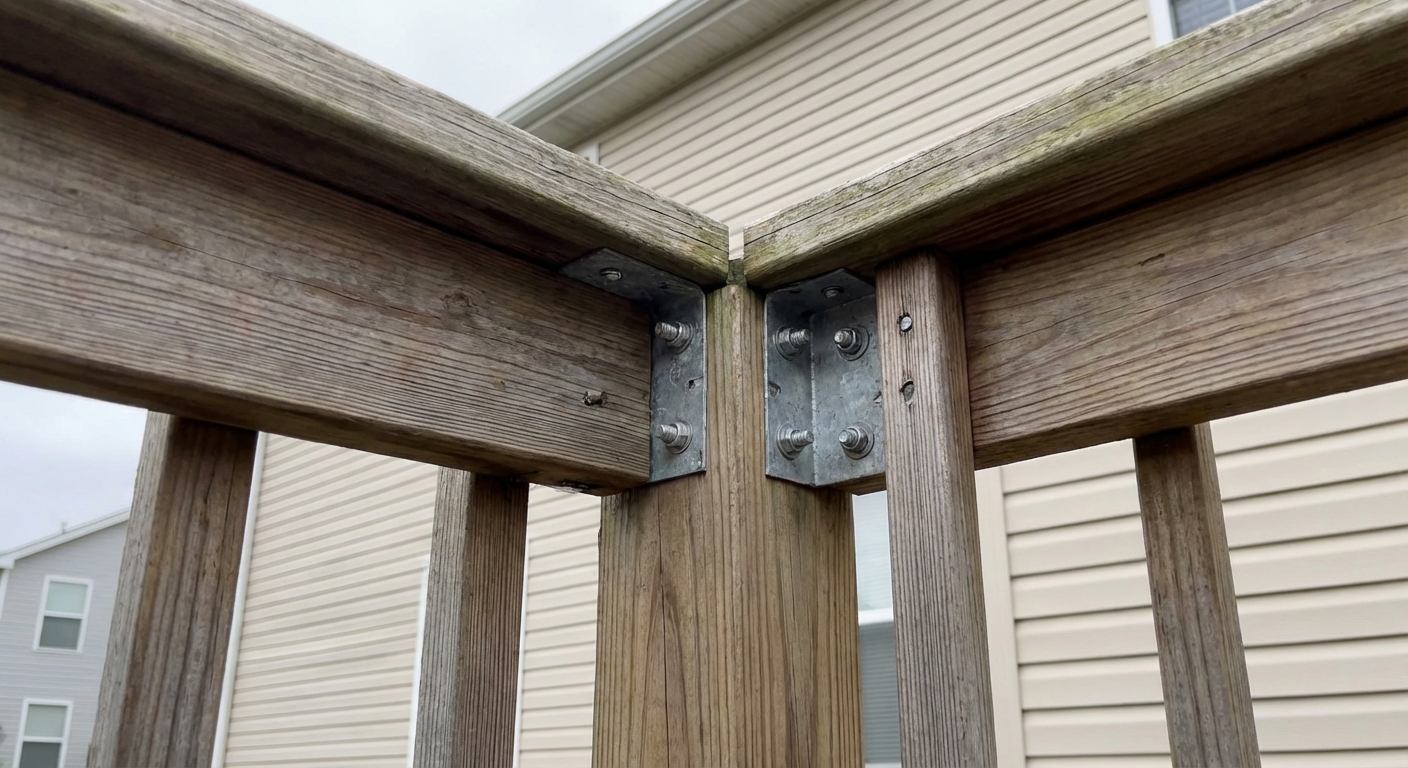
Building a deck in Maryland adds significant value to your home and expands your outdoor living space. With Maryland's high property values, investing in a well-designed and built deck is a smart move. However, navigating the specific deck building codes and permit requirements is crucial to avoid costly mistakes and ensure your deck is safe and compliant. This guide breaks down the key requirements you need to know for 2026.
📋 Tool Alert: Permit Checker
Do you really need a permit? Check the exact rules for your city or township.
Check Permits →Understanding Maryland's Deck Building Codes
Maryland adheres to the International Residential Code (IRC), with some state and local amendments. This means that while there's a baseline set of rules, your specific county or even municipality might have stricter requirements. Considering Maryland's four distinct seasons, including hot, humid summers (85-95°F) and cold winters (20-35°F), the codes prioritize structural integrity and resistance to weather-related damage.
🏗️ Planning a deck project?
Get a free manual project review, or visualize your dream deck with AI before requesting quotes.
Key Code Considerations
- Footings: A critical element, especially in Maryland's climate. The frost line is typically 30 inches in most of the state. Your deck footings *must* extend below this depth to prevent movement due to freeze-thaw cycles. This is non-negotiable.
- Posts and Beams: Proper sizing and spacing are essential for load-bearing support. Consult the IRC tables or a qualified engineer to determine the correct dimensions based on your deck's size and design. Consider using pressure-treated lumber rated for ground contact.
- Joists and Decking: Joist spacing depends on the type of decking material you choose. Composite decking often requires closer joist spacing than traditional wood. Use PaperPlan (paperplan.app) to visualize your deck with PaperPlan design with different materials and layouts before committing to a contractor.
- Railings: Decks 30 inches or more above grade require railings at least 36 inches high. Handrails must be graspable and continuous. Pay close attention to the spacing between railing components to prevent children from squeezing through.
- Stairways: Stairways must have a minimum width of 36 inches, a maximum riser height of 7 3/4 inches, and a minimum tread depth of 10 inches. Handrails are required on at least one side of the stairway.
- Fasteners: Use appropriate fasteners that are corrosion-resistant, especially in the Chesapeake Bay region where moisture and humidity are high. Galvanized or stainless steel are recommended.
- Ledger Board Attachment: The ledger board is where your deck attaches to your house. This is a critical connection point. Proper flashing is essential to prevent water damage to your home's structure. Incorrect ledger board attachment is a common cause of deck failures.
<!-- slot:after-intro -->
Material Choices for Maryland's Climate
Maryland's climate demands durable decking materials. Here's a breakdown of common options and their typical installed costs:
| Material | Average Installed Cost (per sqft) | Pros | Cons |
|-----------------|------------------------------------|----------------------------------------------------------------------------------------------------|---------------------------------------------------------------------------------------------------|
| Pressure-Treated | $28-50 | Most affordable, readily available | Requires regular maintenance, prone to warping and splintering |
| Composite | $50-80 | Low maintenance, durable, resists rot and insects, various colors and textures | More expensive than pressure-treated, can get hot in direct sunlight |
| Cedar | $40-60 | Naturally rot-resistant, beautiful appearance | Requires some maintenance, can be more expensive than pressure-treated |
| Trex | $55-85 | A leading brand of composite decking, known for its durability and wide range of options | More expensive than some other composite options |
| Ipe | $65-110 | Extremely durable, naturally resistant to rot and insects, beautiful hardwood appearance | Most expensive option, requires specialized tools for installation |
Considering the humidity and potential for termites, especially in southern Maryland counties, composite or naturally resistant hardwoods like cedar and ipe are popular choices, despite their higher upfront cost. See Best Decking Material for Maryland's Climate: What Handles All Four Seasons for more details.
Maryland Deck Permit Requirements
Most Maryland counties require permits for decks exceeding a certain size or height. Generally, decks over 200 square feet or 30 inches above grade will require a permit. However, always check with your local county or city permitting office for specific regulations.
County-Specific Information
- Baltimore County: Permits are handled by the Permits & Development Management department. Expect permit fees ranging from $150-400, depending on the scope of the project. See Baltimore County Deck Permit: Requirements, Costs & How to Apply for detailed instructions.
- Montgomery County (Bethesda/Silver Spring): The Department of Permitting Services (DPS) is known for its strict requirements. Be prepared for thorough inspections and detailed plan reviews.
- Anne Arundel County (Annapolis): Contact the Inspections & Permits department for specific requirements. They are generally helpful and responsive. Check out Best Deck Builders in Annapolis, MD: How to Find the Right Contractor for local contractor recommendations.
- Howard County: The Department of Planning and Zoning (DPZ) offers a relatively streamlined permitting process.
Failing to obtain the necessary permits can result in fines, delays, and even the requirement to dismantle your deck. It's always best to err on the side of caution and obtain the necessary permits before starting construction. See Do You Need a Deck Permit in Maryland? State & County Rules Explained for a comprehensive overview.
The Permitting Process: A General Overview
1. Design and Plans: Create detailed deck plans that show dimensions, materials, and construction methods. These plans must comply with local building codes.
2. Permit Application: Submit your plans and application to your local permitting office.
3. Plan Review: The permitting office will review your plans for compliance with building codes. This may take several weeks.
4. Permit Issuance: If your plans are approved, you will receive a permit.
5. Inspections: Schedule inspections at various stages of construction, such as after footing installation, framing, and final completion.
6. Final Approval: Once all inspections are passed, you will receive a certificate of completion.
<!-- slot:mid-content -->
Additional Considerations for Maryland Decks
Beyond the basic building codes and permit requirements, consider these factors specific to Maryland:
Homeowners Association (HOA) Restrictions
Many Maryland suburbs have HOAs with strict rules regarding deck design, materials, and even color. *Always* check with your HOA before starting any construction. HOA approval can add significant time to your project timeline.
Chesapeake Bay Critical Area Regulations
If your property is located near the Chesapeake Bay or its tributaries, you may be subject to additional environmental regulations. These regulations may restrict the size and location of your deck to protect water quality and sensitive habitats.
Common Deck Features in Maryland
Maryland homeowners often incorporate these features into their deck designs:
- Screened Porches: Essential for enjoying the outdoors without being bothered by mosquitoes and other insects.
- Multi-Level Decks: Create distinct zones for dining, lounging, and entertaining.
- Covered Decks: Provide shade and protection from rain, allowing you to enjoy your deck year-round.
Best Time to Build a Deck in Maryland
The best months for deck building in Maryland are typically April-June and September-November. These months offer milder weather and avoid the extreme heat of summer and the potential for frozen ground in winter.
Finding a Qualified Deck Builder
Building a deck that meets code and withstands Maryland's weather requires expertise. It's crucial to hire a licensed and insured contractor with experience building decks in your area. Get multiple quotes, check references, and review their portfolio before making a decision. Also, consider checking out Best Deck Builders in Bethesda, MD: Local Guide for 2026 for tips on finding reputable contractors.
<!-- slot:before-faq -->
🎨 Not sure which material to pick?
Upload a photo of your backyard and see exactly how Trex, TimberTech, or cedar would look — free and instant.
Frequently Asked Questions
Do I need a permit to replace my existing deck in Maryland?
It depends. If you are simply replacing the decking boards and railings without altering the size or structural components of the deck, you may not need a permit. However, if you are replacing posts, beams, or footings, a permit is likely required. Always check with your local permitting office to be sure.
How deep should my deck footings be in Maryland?
The minimum depth for deck footings in most of Maryland is 30 inches, which is the typical frost line depth. Some areas with particularly sandy or unstable soil may require deeper footings.
What type of wood is best for a Maryland deck?
Pressure-treated lumber is a cost-effective option. However, for longer-lasting durability and resistance to rot and insects, cedar or composite decking are excellent choices. Ipe is the most durable but also the most expensive.
How much does it cost to build a deck in Maryland?
The cost varies widely depending on the size, materials, and complexity of the design. Expect to pay anywhere from $28 per square foot for a basic pressure-treated deck to over $100 per square foot for a high-end ipe deck. See How Much Does a Deck Cost in Maryland? Complete 2026 Guide for detailed pricing information. Also, consider Deck Cost in Baltimore: Local Pricing Guide for 2026 if you're in that region.
How do I find out about HOA restrictions?
Contact your Homeowners Association directly. They should provide you with a copy of their covenants, conditions, and restrictions (CC&Rs), which will outline any rules regarding deck construction.
<!-- slot:end -->
📋 Planning a deck project?
Get a free manual project review from our team — no obligation, no spam.
Get Free Project Review →Upload a backyard photo and preview real decking materials with AI — free, instant, no sign-up.
Permits, costs, material comparisons, and questions to ask before requesting quotes — delivered to your inbox.