
Deck Cost in El Paso (2026)
What does a deck cost in El Paso in 2026? Get real pricing by material, labor rates, and smart ways to save in El Paso's extreme desert climate.
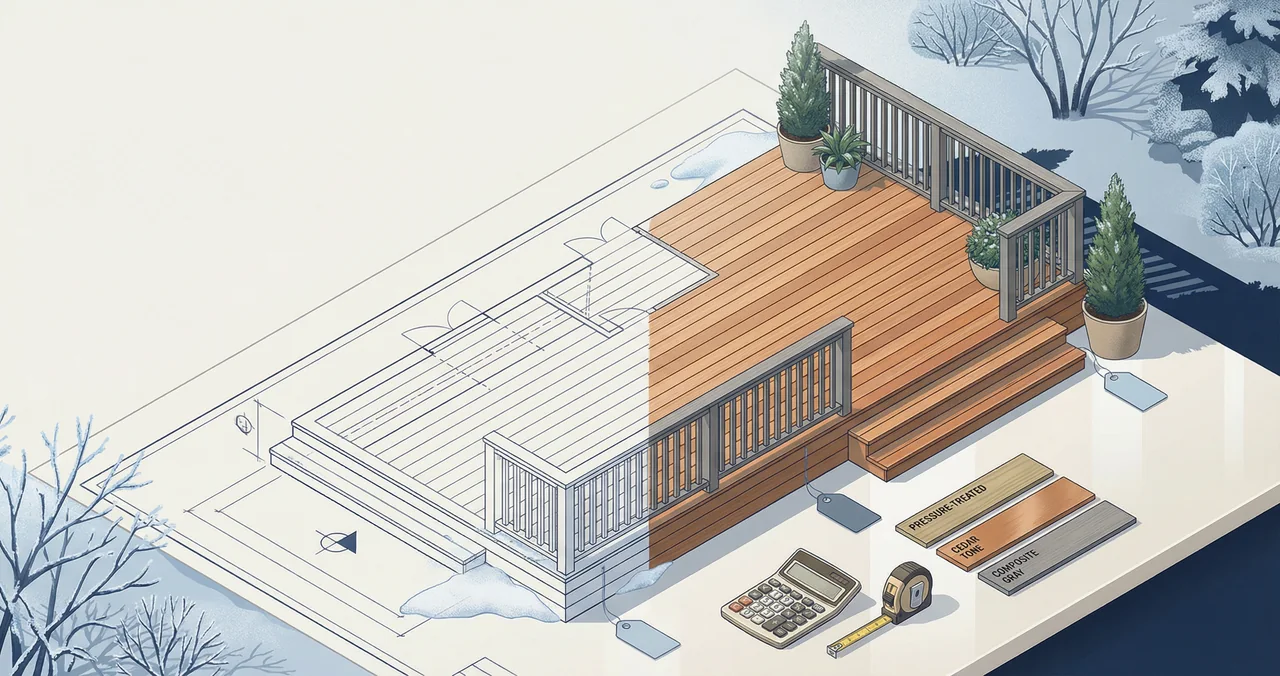
How Much Does a Deck Cost in El Paso?
If you're pricing out a new deck in El Paso, the short answer: most homeowners pay between $8,000 and $24,000 for a standard 300-square-foot deck, fully installed. The final number depends heavily on your material choice — and in this city, material choice matters more than most places.
🏗️ Planning a deck project?
Get a free manual project review, or visualize your dream deck with AI before requesting quotes.
🧮 Tool Alert: Deck Cost Calculator
Estimate your project costs in seconds based on local pricing bands for your area.
Calculate My Cost →Looking for more regional information? Check out our Texas State Decking Hub.
El Paso's extreme UV exposure and 100°F+ summer temperatures punish the wrong decking material fast. A cheap pressure-treated pine deck that looks great in year one can crack, warp, and gray out by year three without serious upkeep. That reality pushes many El Paso homeowners toward composite or capped PVC, even when the upfront price stings.
Here's what you're actually looking at in 2026.
<!-- slot:after-intro -->
For a broader look at deck pricing across different materials and regions, see our complete deck cost guide for Texas. Timing your build right can also save thousands — check our guide on the best time to build a deck.
Average Deck Cost in El Paso by Material
These are installed prices — materials plus labor — based on 2026 pricing from El Paso-area contractors. Expect some variation depending on your lot, deck height, and design complexity.
| Material | Cost Per Sq Ft (Installed) | 200 Sq Ft Deck | 400 Sq Ft Deck |
|---|---|---|---|
| Pressure-Treated Pine | $25–$45 | $5,000–$9,000 | $10,000–$18,000 |
| Cedar | $35–$55 | $7,000–$11,000 | $14,000–$22,000 |
| Composite | $45–$75 | $9,000–$15,000 | $18,000–$30,000 |
| Trex (brand-name composite) | $50–$80 | $10,000–$16,000 | $20,000–$32,000 |
| Ipe (Brazilian Hardwood) | $60–$100 | $12,000–$20,000 | $24,000–$40,000 |
Pressure-treated lumber is the budget play. It works, but El Paso's dry heat and relentless sun mean you'll be staining or sealing every 1–2 years to prevent cracking and UV damage.
Composite decking hits the sweet spot for most El Paso homeowners. The higher upfront cost pays off when you're not re-staining every spring while dodging 105°F weekends.
Ipe is the premium choice — incredibly dense, naturally UV-resistant, and it handles desert conditions like nothing else. But the price tag and specialized installation keep it in the luxury category.
Cost Per Square Foot Breakdown
Your per-square-foot price covers two big buckets: materials and labor. Here's how they typically split in El Paso.
Materials Only (No Labor)
| Material | Material Cost Per Sq Ft |
|---|---|
| Pressure-Treated Pine | $8–$15 |
| Cedar | $12–$22 |
| Composite (mid-range) | $18–$35 |
| Trex (Select/Enhance) | $22–$40 |
| Ipe | $30–$50 |
What's Included in "Installed" Pricing
When a contractor quotes you an installed price, it should cover:
- Decking boards (surface material)
- Substructure (joists, beams, posts — almost always pressure-treated lumber regardless of surface material)
- Hardware (joist hangers, structural screws, post brackets)
- Basic railing (most quotes include standard aluminum or wood railing)
- Footings (concrete piers or helical piles)
What's usually not included: permits, stairs beyond a single step-down, built-in benches, planter boxes, or upgraded railing systems like cable or glass.
Labor Costs in El Paso
Labor in El Paso runs $15–$30 per square foot for deck construction, depending on complexity. That's lower than cities like Phoenix, San Diego, or Houston — one of the perks of building here.
A few things that push labor costs up:
- Elevated decks (second-story or hillside builds, common in areas like the Upper Valley or Rim Road neighborhoods)
- Multi-level designs with transitions and separate zones
- Curved or angled layouts — straight rectangles are cheapest to frame
- Difficult access — if materials can't be delivered close to the build site, labor hours go up
El Paso contractors typically charge more during the October–March peak building season when demand spikes. Everyone wants to build when it's not 110°F outside. If you can schedule for early fall or late spring, you may find slightly better availability and pricing.
Most El Paso deck projects take 1–3 weeks from start to finish for a standard ground-level or slightly elevated build. Factor in another 1–2 weeks for permits.
<!-- slot:mid-content -->
What Affects Your Total Price
Beyond material and labor, these factors move the needle on your final bill.
Deck Size and Shape
Simple math: bigger costs more. But shape matters too. A 12×16 rectangular deck is the most efficient to build — minimal cuts, minimal waste. Add angles, curves, or multiple levels and you're adding 15–25% to the labor bill.
If you're estimating costs for a specific size, check out our breakdown on 12×16 deck costs or 20×20 deck costs for detailed square-footage pricing.
Height and Foundation
Ground-level decks sitting on simple concrete footings are the cheapest to build. El Paso's frost line depth of 6–12 inches is shallow compared to northern states, which means less digging and simpler footings. That's a real cost advantage.
Once your deck rises above 30 inches, structural requirements jump: bigger posts, more bracing, engineered beams, and mandatory railings per code. Expect costs to increase 20–40% over a ground-level build.
Permits and Code
In El Paso, deck permits are typically required for structures over 200 square feet or 30 inches above grade. Contact El Paso's Building/Development Services department before you start — the permit process usually runs $150–$500 depending on project scope.
Skipping the permit isn't worth the risk. Unpermitted structures can cause serious problems when you sell your home, and the city can require you to tear down non-compliant work. Learn more about the risks of building without a permit.
Railing and Extras
Standard wood or aluminum railing is usually included in your quote. Upgrading changes the math:
- Cable railing: Add $40–$80 per linear foot
- Glass panel railing: Add $60–$120 per linear foot
- Composite railing systems: Add $30–$60 per linear foot
- Built-in lighting: $500–$2,000 depending on scope
For ideas on railing systems and deck lighting options, we've reviewed what's working well on real builds.
El Paso's Climate Tax
This is the factor most generic cost guides miss. El Paso gets 300+ days of sunshine per year and summer surface temperatures on a south-facing deck can hit 150°F or higher on dark composite boards. That climate reality affects your costs in two ways:
1. Material selection pressure — light-colored composite or capped PVC performs best, but these tend to be mid-to-premium tier products. Budget composites with poor UV protection fade and degrade fast here.
2. Maintenance costs over time — pressure-treated wood in El Paso's dry, sunny conditions dries out aggressively. You'll spend more on staining and sealing over the deck's lifetime than homeowners in humid climates.
The upside? El Paso's low humidity means less mold, mildew, and rot risk. You're fighting sun, not moisture.
Composite vs Wood: Cost Comparison
This is the decision most El Paso homeowners wrestle with. Here's a realistic 15-year comparison for a 320-square-foot deck.
| Factor | Pressure-Treated Wood | Mid-Range Composite |
|---|---|---|
| Installed Cost | $9,600–$14,400 | $16,000–$24,000 |
| Annual Maintenance | $200–$500 (stain/seal) | $0–$50 (occasional cleaning) |
| 15-Year Maintenance Total | $3,000–$7,500 | $0–$750 |
| Board Replacement | $500–$1,500 (warped/cracked boards) | Rarely needed |
| 15-Year Total Cost | $13,100–$23,400 | $16,000–$24,750 |
| Lifespan | 10–15 years | 25–30+ years |
The numbers tell the story. Over 15 years, the total cost of ownership is nearly identical — but composite gives you double the lifespan and zero weekends spent staining in the heat.
For El Paso specifically, composite wins on one more front: UV-resistant capped composites hold their color dramatically better than wood that's baking under the Chihuahuan Desert sun. If you go the composite route, comparing the top brands is worth your time since UV performance varies significantly between product lines.
The Heat Problem With Composite
One honest caveat: dark composite decking gets brutally hot in El Paso summers. We're talking bare-feet-are-impossible hot. If your deck gets full afternoon sun (west-facing, especially), choose light or medium tones and consider a shade structure or pergola. Some homeowners in Coronado Hills and the Westside add retractable awnings specifically to manage surface temps.
Use PaperPlan to visualize different decking materials on your own home before committing — seeing how light versus dark tones look against your siding can save you from an expensive color regret.
How to Save Money on Your El Paso Deck
Smart savings without cutting corners:
1. Build During Off-Peak Months
Late spring (May) and early fall (September–October) can be sweet spots. Summer is too hot for comfortable outdoor work, which creates a crunch in the fall-through-spring building season. Catching the edges of that window often means better contractor availability and potentially lower bids.
2. Keep the Design Simple
A straight rectangular deck with a single level is 30–40% cheaper than a multi-level design with angles and custom features. If you want visual interest, use railing design or furniture placement instead of complicated framing.
3. Use Pressure-Treated Framing Under Composite
Every reputable builder already does this, but make sure your quote doesn't spec composite joists or exotic lumber for the substructure. Pressure-treated pine substructure with composite decking on top is the standard cost-efficient approach.
4. Get Three Quotes Minimum
El Paso's contractor market is competitive. Get at least three detailed, written quotes and compare line by line. Watch for vague allowances — a good quote specifies exact materials, brands, and quantities.
5. Phase Your Build
If budget is tight, build the deck now and add stairs, railing upgrades, or built-in seating later. Just make sure the substructure is built to support any planned additions. A good contractor will design for future phases without charging much extra upfront.
6. Consider a Freestanding Deck
Freestanding (floating) decks don't attach to your home's structure, which can simplify permitting and eliminate the need for a ledger board connection. For ground-level builds, this can shave $500–$1,500 off the project. Understand the differences between attached and freestanding decks before deciding.
7. Do Some Prep Work Yourself
Clearing the build area, removing old landscaping, or demolishing an existing structure yourself can save $300–$800 in labor charges. Just don't touch anything structural — leave that to your contractor.
<!-- slot:before-faq -->
🎨 Not sure which material to pick?
Upload a photo of your backyard and see exactly how Trex, TimberTech, or cedar would look — free and instant.
Frequently Asked Questions
How much does a 12×16 deck cost in El Paso?
A 12×16 deck (192 sq ft) in El Paso typically costs $4,800–$8,600 for pressure-treated wood or $8,600–$14,400 for composite, fully installed. This is one of the most popular deck sizes in El Paso since it fits standard lot sizes in neighborhoods like Eastwood, Cielo Vista, and Mission Hills while staying close to the 200 sq ft permit threshold.
Do I need a permit to build a deck in El Paso?
Yes, in most cases. El Paso requires permits for decks over 200 square feet or 30 inches above grade. Even if your deck falls below these thresholds, it's worth confirming with El Paso's Building/Development Services department. Permit fees typically run $150–$500. Inspections are required at the footing and final stages.
What's the best decking material for El Paso's climate?
Light-colored capped composite or capped PVC performs best in El Paso's extreme heat and UV conditions. These materials resist fading, won't crack from drying out, and require virtually no maintenance. Avoid dark colors — they absorb too much heat and make the deck surface unusable during summer afternoons. If you prefer natural wood, ipe handles UV exposure better than any other wood species, though it costs significantly more.
When is the best time to build a deck in El Paso?
The best building window is October through May. El Paso summers regularly exceed 100–110°F, making outdoor construction miserable and potentially dangerous. Most local contractors book heavily from October to March, so plan ahead. Reaching out to builders in late summer (August–September) to schedule a fall start is a smart move.
How long does a deck last in El Paso?
Lifespan depends entirely on material and maintenance. Pressure-treated wood lasts 10–15 years with consistent staining and sealing — skip the maintenance and you'll see cracking and splintering within 5–7 years in this climate. Quality composite decking lasts 25–30+ years with minimal care. Ipe can last 40+ years when properly maintained. El Paso's low humidity is a plus for longevity since moisture damage is rarely a concern.
<!-- slot:end -->
📋 Planning a deck project?
Get a free manual project review from our team — no obligation, no spam.
Get Free Project Review →Upload a backyard photo and preview real decking materials with AI — free, instant, no sign-up.
Permits, costs, material comparisons, and questions to ask before requesting quotes — delivered to your inbox.