
Maryland Deck Maintenance by Season (2026)
Keep your Maryland deck in top shape year-round! This guide covers seasonal maintenance, cleaning, repairs, and protection tips for your outdoor space.
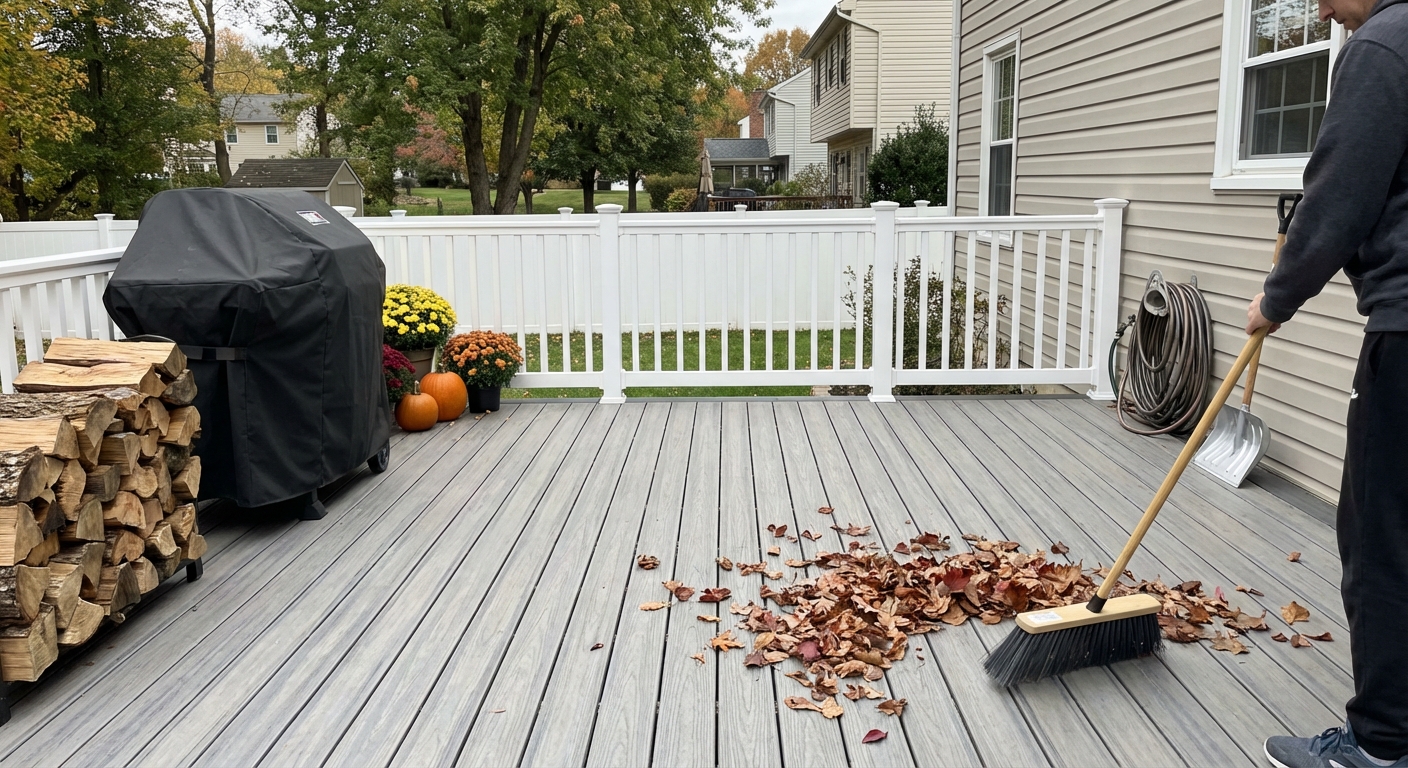
Does your Maryland deck need some TLC? Between the hot, humid summers and cold, snowy winters, your deck endures a lot. Regular maintenance is key to protecting your investment and ensuring it lasts for years to come. This guide breaks down deck care by season, offering practical tips to keep your outdoor space beautiful and functional.
📅 Tool Alert: Maintenance Planner
Get a custom seasonal maintenance schedule to protect your investment for decades.
Plan Maintenance →Spring: Assessment, Cleaning, and Preparation
Spring in Maryland is the perfect time to assess winter damage and prep your deck for warmer weather. With 40-45 inches of rain annually, and potential for late-season frost, a thorough spring cleaning is essential.
🏗️ Planning a deck project?
Get a free manual project review, or visualize your dream deck with AI before requesting quotes.
- Inspection: Start by inspecting your deck for any signs of damage. Look for:
* Loose or popped nails/screws
* Cracked, warped, or rotting boards
* Splintering wood
* Loose railings or stairs
* Standing water (a sign of poor drainage)
- Cleaning: Remove all furniture, planters, and debris. Sweep the deck thoroughly. Then, wash the deck using a deck cleaner and a stiff-bristled brush. For stubborn stains, consider a power washer, but use a wide fan tip and low pressure to avoid damaging the wood. Pay special attention to areas prone to mold and mildew, especially if you have a screened porch (check out our guide to Screened Porch Decks in Maryland: Design Guide & Cost Breakdown for more on that).
- Repair: Address any issues identified during your inspection. Replace damaged boards, tighten loose fasteners, and repair any structural problems. Ignoring minor issues can lead to bigger, more expensive repairs down the road. Remember that many counties in Maryland, including Baltimore City (permits through Baltimore City DHCD) and Montgomery County (Bethesda, Silver Spring, Rockville - DPS permits, strict review), require permits for even minor structural changes.
- Staining/Sealing: Once the deck is clean and dry, consider applying a fresh coat of stain or sealant. This will protect the wood from the elements and extend its lifespan. Choose a product specifically designed for decks and follow the manufacturer's instructions carefully. See our guide to Deck Staining Tips for Maryland: Best Products & Timing for more detailed information.
<!-- slot:after-intro -->
Summer: Maintenance and Enjoyment
Summer in Maryland brings hot, humid weather, perfect for enjoying your deck. Temperatures can soar between 85-95°F, so regular maintenance is crucial to prevent damage from the heat and humidity.
- Regular Cleaning: Sweep your deck regularly to remove dirt, leaves, and debris. This will prevent staining and keep your deck looking its best.
- Spot Cleaning: Clean up spills immediately to prevent staining. Use a mild soap and water solution.
- Water Wisely: Be mindful of watering plants on your deck. Excess water can lead to rot and mildew. Consider using saucers under planters to catch excess water.
- Monitor for Insects: Maryland has moderate to high termite pressure. Regularly inspect your deck for signs of termite activity, such as mud tubes or damaged wood. Take action immediately if you suspect termites.
- Consider Shade: If your deck gets direct sunlight all day, consider adding shade with a pergola, umbrella, or awning. This will help protect the wood from the sun's harmful UV rays. You might even consider a covered deck. See our guide to Covered Deck Ideas for Maryland Homes: Rain, Sun & Snow Protection for more on that.
Fall: Preparation for Winter
Fall is the time to prepare your deck for the cold, wet Maryland winter. With a frost line of 24-30 inches (deeper than most mid-Atlantic states), winter can be harsh on your deck's foundation.
- Thorough Cleaning: Give your deck a thorough cleaning to remove all leaves, debris, and dirt. This will prevent mold and mildew growth over the winter.
- Inspect Again: Conduct another inspection of your deck. Address any minor repairs before winter sets in. Pay close attention to areas that may have been damaged during the summer.
- Protect from Moisture: Apply a water-repellent sealant to protect the wood from moisture. This is especially important in areas that receive a lot of snow or rain.
- Clear Gutters: Clean your gutters to ensure proper drainage. Clogged gutters can cause water to back up and damage your deck.
- Store Furniture: Store outdoor furniture in a shed or garage to protect it from the elements. If you can't store your furniture, cover it with waterproof covers.
Winter: Snow Removal and Monitoring
Winter in Maryland can bring snow, ice, and freezing temperatures. While it's tempting to ignore your deck during the winter, some maintenance is necessary to prevent damage.
- Snow Removal: Remove snow from your deck regularly to prevent it from accumulating and causing structural damage. Use a plastic shovel to avoid scratching the wood. Avoid using salt to melt ice, as it can damage the wood. Calcium chloride is a safer alternative.
- Monitor for Ice Dams: Ice dams can form on your roof and cause water to back up onto your deck. Remove ice dams as soon as possible to prevent water damage.
- Limit Foot Traffic: Limit foot traffic on your deck during icy conditions to prevent slips and falls.
- Inspect After Storms: After major storms, inspect your deck for any damage. Look for loose boards, cracked railings, and other signs of wear and tear.
<!-- slot:mid-content -->
Material-Specific Maintenance Tips
The type of material your deck is made from will influence your maintenance routine. Here's a quick breakdown:
- Pressure-Treated Wood: The most common and affordable option. Requires regular cleaning, staining, and sealing to prevent rot and decay. Expect to pay around $25-45 per square foot for installed pressure-treated decks.
- Cedar: A naturally rot-resistant wood that requires less maintenance than pressure-treated wood. However, it still needs to be cleaned and sealed periodically to maintain its appearance. Cedar decks typically cost $35-55 per square foot installed.
- Composite: A low-maintenance option made from recycled plastic and wood fibers. Requires minimal cleaning and doesn't need to be stained or sealed. Composite decks cost $45-75 per square foot installed.
- Trex: A popular brand of composite decking known for its durability and low maintenance. Trex decks offer a wide range of colors and styles. Expect to pay $50-80 per square foot installed.
Here's a table summarizing the cost and maintenance differences:
| Material | Average Installed Cost (per sq ft) | Maintenance Level | Key Considerations |
|-------------------|--------------------------------------|-------------------|------------------------------------------------------------------------------------|
| Pressure-Treated | $25-$45 | High | Regular staining/sealing needed; prone to rot if not maintained. |
| Cedar | $35-$55 | Medium | Naturally rot-resistant, but still requires occasional sealing. |
| Composite | $45-$75 | Low | Minimal cleaning; resistant to rot and insects; can get hot in direct sunlight. |
| Trex | $50-$80 | Low | Durable and low-maintenance; wide range of colors and styles. |
Use PaperPlan (paperplan.app) to visualize your deck with PaperPlan design with different materials and layouts before committing to a contractor. This can help you make the right choice for your needs and budget.
Permits and Regulations in Maryland
Keep in mind that Maryland is heavily regulated. Most counties require permits for any attached deck or decks larger than 200 square feet. Even smaller decks may require permits depending on your location and the specific regulations in your area.
- Baltimore City: Permits are issued through the Baltimore City Department of Housing and Community Development (DHCD).
- Montgomery County (Bethesda, Silver Spring, Rockville): The Department of Permitting Services (DPS) handles permits, with strict review processes.
- Anne Arundel County (Annapolis): Inspections & Permits are required.
- Howard County (Columbia): The Department of Planning and Zoning (DPZ) issues permits.
- Frederick County: Has its own permit process, generally more rural-friendly.
Many Maryland homes are also located in Homeowners Association (HOA) communities. HOA approval is often required before you can obtain a county permit. If your property is within 1,000 feet of tidal waters, Chesapeake Bay Critical Area restrictions may also apply.
Considering Maryland's high property values, a well-maintained deck offers a strong return on investment, typically recouping 70-80% of its cost.
<!-- slot:before-faq -->
Maintaining your Maryland deck is an ongoing process, but it's well worth the effort. By following these seasonal tips, you can keep your deck looking its best and extend its lifespan for years to come. If you're looking to hire a professional, check out our guides to Best Deck Builders in Frederick, MD: Local Contractors Guide and Best Deck Builders in Columbia, MD: Finding Quality Contractors.
🎨 Not sure which material to pick?
Upload a photo of your backyard and see exactly how Trex, TimberTech, or cedar would look — free and instant.
Frequently Asked Questions
How often should I stain or seal my deck?
The frequency of staining or sealing depends on the type of wood, the weather conditions, and the type of product you use. As a general rule, you should stain or seal your deck every 1-3 years. A simple water test can help you determine if your deck needs to be resealed. Pour some water on the deck surface. If the water beads up, the sealant is still effective. If the water soaks into the wood, it's time to reseal.
What's the best way to remove mold and mildew from my deck?
Use a deck cleaner specifically designed to remove mold and mildew. Follow the manufacturer's instructions carefully. You may need to scrub the affected areas with a stiff-bristled brush. For stubborn mold and mildew, consider using a power washer with a wide fan tip and low pressure.
Can I build a deck myself in Maryland?
Yes, you can build a deck yourself in Maryland, but you'll need to obtain the necessary permits and follow all local building codes. Building a deck is a complex project, so it's important to have the necessary skills and experience. If you're not comfortable building a deck yourself, it's best to hire a professional contractor. Check out our guide on How to Build a Deck in Maryland: DIY Step-by-Step Guide for more information.
What are some popular deck features in Maryland?
Given Maryland's climate and geography, popular deck features include screened porches (to combat humidity and mosquitoes), multi-level decks (common in hilly areas of western Maryland), and waterfront-ready builds (especially along the Chesapeake Bay).
When is the best time of year to build a deck in Maryland?
The best months to build a deck in Maryland are typically April-June and September-October. These months offer milder temperatures and less rain, making them ideal for outdoor construction projects.
<!-- slot:end -->
📋 Planning a deck project?
Get a free manual project review from our team — no obligation, no spam.
Get Free Project Review →Upload a backyard photo and preview real decking materials with AI — free, instant, no sign-up.
Permits, costs, material comparisons, and questions to ask before requesting quotes — delivered to your inbox.