
Protecting Your Ohio Deck from Snow and Ice Damage
Ohio winters can wreak havoc on your deck. Learn how to protect your investment from snow, ice, and freeze-thaw cycles with these expert tips.
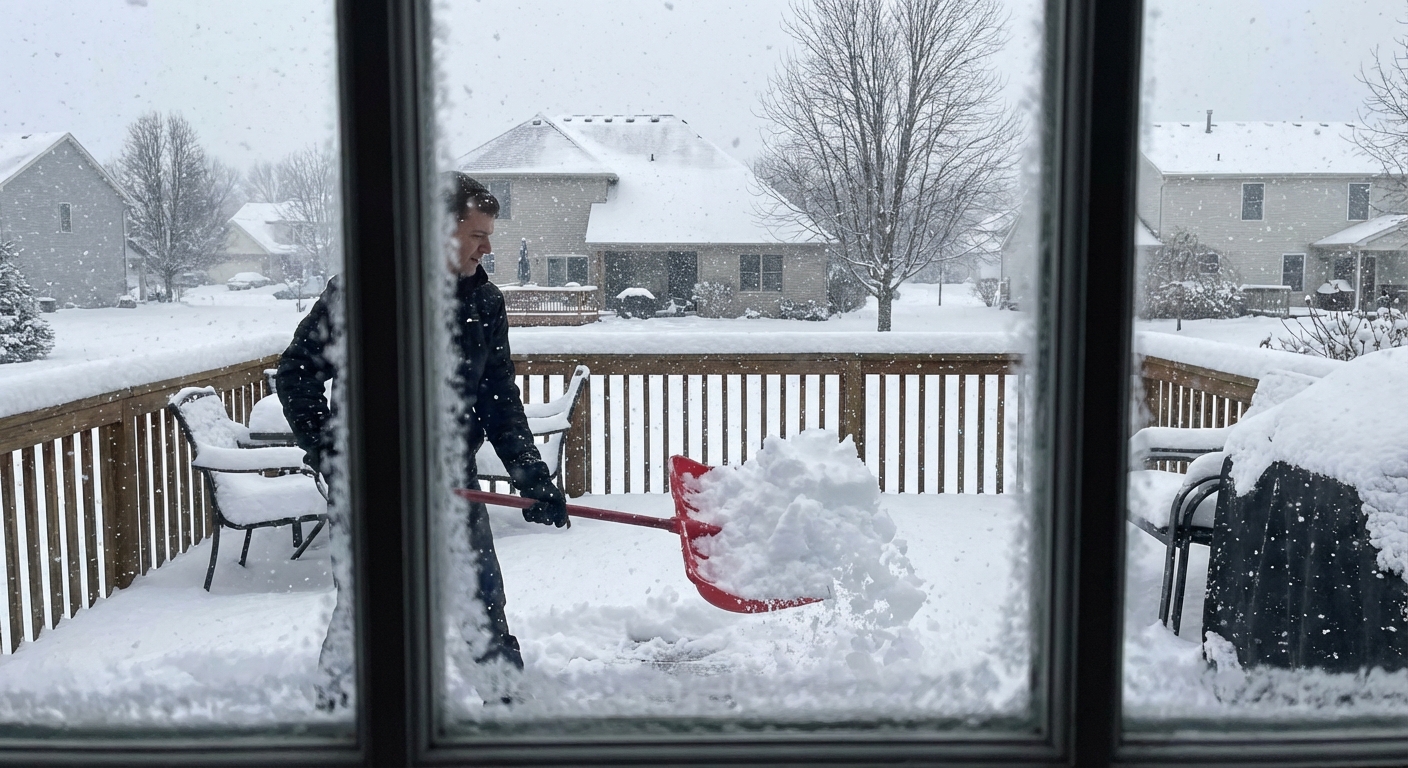
Are you worried about the impact of Ohio's harsh winters on your deck? Snow, ice, and the constant freeze-thaw cycle can cause significant damage if you don't take proper precautions. This guide provides practical steps you can take to protect your deck and extend its lifespan, specifically tailored to Ohio's unique climate and regulations.
📅 Tool Alert: Maintenance Planner
Get a custom seasonal maintenance schedule to protect your investment for decades.
Plan Maintenance →Understanding Ohio's Winter Deck Dangers
Looking for more regional information? Check out our Ohio State Decking Hub.
🏗️ Planning a deck project?
Get a free manual project review, or visualize your dream deck with AI before requesting quotes.
Ohio decks face a unique set of challenges. We see hot, humid summers with temperatures reaching 85-90°F, followed by cold winters. Regions like Cleveland and Northeast Ohio experience significant lake-effect snow, often exceeding 60 inches annually. The rest of the state averages around 38-42 inches of rain and snow each year. The repeated freezing and thawing of moisture seeps into the wood, causing it to expand and contract. This leads to cracks, splinters, and ultimately, structural damage.
Here's why Ohio decks are vulnerable:
- Freeze-Thaw Cycles: Water expands when it freezes, putting immense pressure on deck materials.
- Moisture Retention: Wood decks, in particular, absorb moisture, exacerbating freeze-thaw damage.
- Ice Dams: Snow and ice buildup can trap water, leading to rot and decay.
- Salt and De-icers: While effective at melting ice, these chemicals can damage wood and corrode metal fasteners.
- Termites: Though more prevalent in southern Ohio (Cincinnati, Dayton), termite activity can still occur during warmer winter days, further weakening already compromised wood.
<!-- slot:after-intro -->
Preparing Your Deck for Winter: A Step-by-Step Guide
Taking preventative measures before winter arrives is crucial. Here’s a detailed checklist:
1. Thorough Cleaning
- Remove Debris: Clear away leaves, twigs, dirt, and other debris from the deck surface and between deck boards. This prevents moisture from being trapped against the wood and reduces the risk of mold and mildew growth.
- Wash the Deck: Use a deck cleaner specifically designed for your deck material. Power washing *can* be effective, but be cautious, especially on wood decks, as excessive pressure can damage the surface. Opt for a wide fan nozzle and a low-pressure setting.
- Inspect for Damage: While cleaning, carefully inspect your deck for any signs of damage, such as cracks, splinters, loose boards, or rotting wood. Address these issues promptly to prevent them from worsening over the winter.
2. Protecting Wood Decks: Sealing and Staining
- Apply a Water Repellent Sealant: This is essential for wood decks. A high-quality sealant will prevent water from penetrating the wood, minimizing freeze-thaw damage. Choose a sealant specifically formulated for decks and follow the manufacturer's instructions carefully. Reapply every 1-3 years, depending on the product and weather exposure.
- Consider Staining: Staining provides an added layer of protection against the elements. Choose a stain with UV protection to prevent fading and discoloration. Stain after applying the sealant, allowing the sealant to fully cure first. See our article on Deck Staining Tips for Ohio Weather: Timing & Products for more information.
- Inspect and Replace Damaged Boards: Before sealing or staining, replace any rotted or severely damaged boards. This ensures that your deck is structurally sound and that the sealant will provide maximum protection.
3. Protecting Composite and PVC Decks
- Clean Regularly: Composite and PVC decks are more resistant to moisture damage than wood decks, but they still require regular cleaning. Remove debris and wash the deck with a mild soap and water solution.
- Check for Gaps and Cracks: Inspect for any gaps or cracks in the decking material. While composite and PVC are less prone to cracking than wood, they can still occur, especially around fasteners.
- Consider a Protective Coating: While not always necessary, applying a protective coating specifically designed for composite or PVC decks can provide added protection against scratches, stains, and UV damage.
4. Addressing Structural Issues
- Inspect the Foundation: Check the deck's foundation for any signs of settling, cracking, or damage. Ensure that the posts are properly supported and that the footings are in good condition. Remember Ohio's frost line is 32 inches deep, and 36 inches in Northeast Ohio near Lake Erie, so footings must extend below that depth.
- Check Railings and Stairs: Inspect the railings and stairs for any loose or damaged components. Make sure that all connections are secure and that the railings are sturdy.
- Examine Fasteners: Check all screws, nails, and bolts for signs of corrosion or loosening. Replace any damaged fasteners with stainless steel or galvanized steel fasteners to prevent future corrosion.
5. Snow and Ice Removal: Best Practices
- Use a Plastic Shovel: Avoid using metal shovels, as they can scratch and damage the deck surface. Opt for a plastic shovel with a smooth edge.
- Shovel in the Direction of the Boards: Shoveling in the same direction as the deck boards will prevent you from catching the shovel on the edges and causing damage.
- Avoid Salt and De-icers: While salt and de-icers are effective at melting ice, they can damage wood and corrode metal fasteners. If you must use them, choose a product specifically designed for decks and use it sparingly. Calcium chloride is a less corrosive alternative.
- Consider a Roof Rake: If you have a covered deck or a deck adjacent to your house, use a roof rake to remove snow from the roof. This will prevent ice dams from forming and protect your deck from water damage.
6. Protecting Your Deck from Ice Dams
Ice dams form when snow melts on a warm roof and then refreezes at the edge of the roof, creating a dam that traps water. This water can then back up under the shingles and leak into your home or onto your deck.
- Improve Attic Insulation: Proper attic insulation will help to keep your roof at a more consistent temperature, preventing snow from melting and refreezing.
- Seal Air Leaks: Seal any air leaks in your attic to prevent warm air from escaping and melting the snow on your roof.
- Install Heat Cables: Heat cables can be installed along the edge of your roof to melt the snow and ice, preventing ice dams from forming.
- Clear Gutters and Downspouts: Make sure that your gutters and downspouts are clear of debris to allow water to drain properly.
Use PaperPlan (paperplan.app) to visualize your deck with PaperPlan design with different materials and layouts before committing to a contractor. This helps ensure your deck is built for Ohio's specific climate conditions.
Cost Considerations for Deck Maintenance and Repair in Ohio
Ohio generally has more affordable construction costs compared to coastal states, making deck maintenance and repair relatively budget-friendly. Here’s a breakdown of typical costs:
| Material | Cost per Square Foot (Installed) | Notes |
|-------------------|-----------------------------------|-----------------------------------------------------------------------------------------------------------|
| Pressure-Treated | $22 - $40 | Most affordable option, requires regular maintenance. |
| Composite | $40 - $70 | More durable, low-maintenance, ideal for Cleveland's lake-effect climate. |
| Cedar | $30 - $50 | Naturally resistant to rot and insects, aesthetically pleasing. |
| Trex | $45 - $75 | A popular composite brand known for its durability and wide range of colors and styles. |
| Deck Permit Costs | $75 - $400 | Varies by municipality. Decks over 30 inches high or attached to a dwelling typically require permits. |
<!-- slot:mid-content -->
Keep in mind that these are just estimates, and the actual cost of your project may vary depending on the size and complexity of your deck, the materials you choose, and the contractor you hire.
Ohio Building Codes and Permits
Building a deck in Ohio requires adherence to the Ohio Residential Code (based on the International Residential Code or IRC). Local municipalities enforce these codes through their building departments. In most Ohio cities, decks that are more than 30 inches above grade or attached to a dwelling require permits. Permit costs typically range from $75 to $400, depending on the municipality. Always check with your local building department to ensure you are in compliance with all applicable codes and regulations. This is especially important in areas with Homeowner's Associations, such as suburban Columbus (Dublin, Westerville, Powell) and Cleveland suburbs (Solon, Hudson, Avon), where additional approvals may be needed.
Regional Considerations Across Ohio
Ohio's diverse geography and climate impact deck building and maintenance differently across the state.
- Columbus Metro: The fastest-growing region, with many new suburban developments. Expect to navigate HOA regulations and potentially higher demand for contractors.
- Cleveland/NE Ohio: Lake-effect snow and moisture make composite decking a preferred choice. Waterproofing is critical.
- Cincinnati/SW Ohio: Hilly terrain often leads to multi-level deck designs and the use of retaining walls. Ohio River views can drive up the cost of premium deck builds. Moderate termite pressure requires vigilance.
- Dayton/Miami Valley: An affordable housing market and strong DIY culture make this area ideal for budget-conscious deck projects.
- Toledo/NW Ohio: Similar to Cleveland but with milder lake-effect conditions, offering more flexibility in material choices.
- Akron/Canton: Suburban growth and moderate costs make this a good area for finding qualified and affordable deck contractors.
Our article on Ohio Deck Maintenance by Season: Year-Round Care Guide provides more specific tips for your region.
Choosing the Right Materials for Ohio's Climate
The best deck material for your Ohio home depends on your budget, maintenance preferences, and the specific climate conditions in your area.
- Pressure-Treated Wood: The most affordable option, but requires regular sealing and staining to protect it from moisture damage.
- Cedar: Naturally resistant to rot and insects, but still requires some maintenance.
- Composite: A low-maintenance option that is resistant to moisture damage and fading. Ideal for areas with heavy snow and rain.
- PVC: Similar to composite, but even more resistant to moisture damage and staining.
Consider the long-term costs of maintenance when making your decision. While composite and PVC decks may have a higher upfront cost, they can save you money in the long run by requiring less maintenance.
<!-- slot:before-faq -->
Additional Tips for Ohio Deck Owners
- Hire a Qualified Contractor: Building a deck requires specialized knowledge and skills. Choose a licensed and insured contractor with experience building decks in Ohio. Be sure they understand local building codes and permit requirements.
- Get Multiple Quotes: Obtain quotes from several contractors before making a decision. Compare the quotes carefully and ask questions about any discrepancies.
- Consider a Covered Deck: A covered deck can provide protection from the elements and extend your deck's lifespan. Check out our article on Screened Porch and Deck Combos in Ohio: Extended Season Living.
- Maintain Your Deck Regularly: Regular cleaning, sealing, and staining will help to protect your deck from the elements and extend its lifespan. See our article on Ohio Deck Maintenance by Season: Year-Round Care Guide for a comprehensive guide.
- Consult Your HOA: If you live in a neighborhood with a homeowner's association (HOA), be sure to consult with them before making any changes to your deck. Many HOAs have specific rules and regulations regarding deck design and construction.
<!-- slot:end -->
🎨 Not sure which material to pick?
Upload a photo of your backyard and see exactly how Trex, TimberTech, or cedar would look — free and instant.
Frequently Asked Questions
What is the best time of year to build a deck in Ohio?
The best months for deck building in Ohio are April-June and September-October. These months offer milder temperatures and less chance of rain or snow, allowing for optimal construction conditions. Avoid building during the summer heat (July-August) and the winter frost (November-March).
How often should I seal my wood deck in Ohio?
You should seal your wood deck every 1-3 years, depending on the type of sealant you use and the amount of exposure it receives to the elements. Decks in areas with heavy snow and rain may require more frequent sealing.
Is composite decking worth the investment in Ohio?
Yes, composite decking is often worth the investment in Ohio, especially in areas like Cleveland and Northeast Ohio that experience heavy lake-effect snow. While the initial cost is higher than pressure-treated wood, composite decking is low-maintenance and resistant to moisture damage, saving you time and money in the long run.
Do I need a permit to build a deck in Ohio?
In most Ohio cities, you need a permit to build a deck if it is more than 30 inches above grade or attached to your house. Check with your local building department to confirm the specific requirements in your area.
What are the signs of deck damage to look for after winter?
After winter, inspect your deck for cracks, splinters, loose boards, rotting wood, and corroded fasteners. Pay close attention to areas where moisture may have accumulated, such as around posts and railings.
📋 Planning a deck project?
Get a free manual project review from our team — no obligation, no spam.
Get Free Project Review →Upload a backyard photo and preview real decking materials with AI — free, instant, no sign-up.
Permits, costs, material comparisons, and questions to ask before requesting quotes — delivered to your inbox.