
Best Deck Builders in Chicago: How to Find the Right Contractor
Find the best deck builders in Chicago, IL. Learn about costs, permits, materials, and how to choose the perfect contractor for your dream deck.
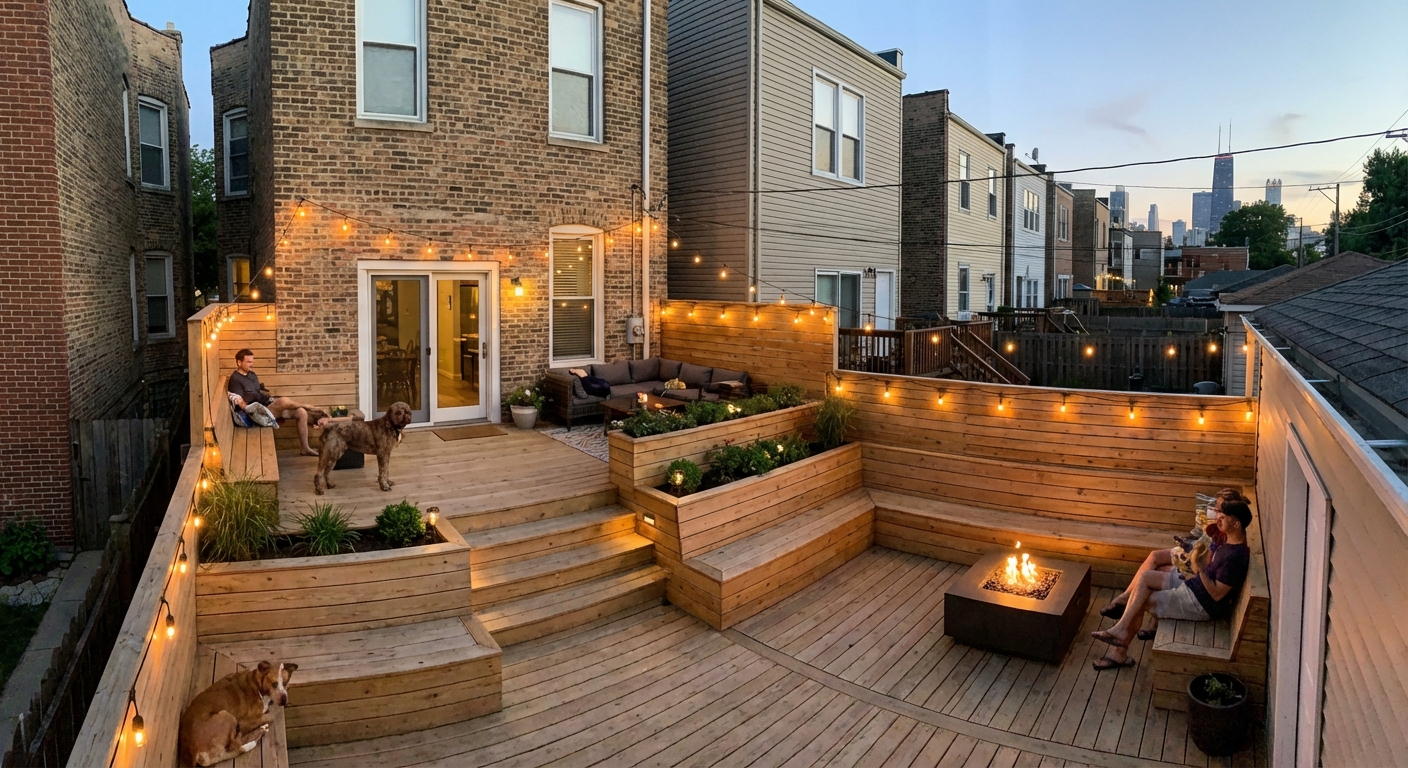
Are you dreaming of a new deck to expand your Chicago living space? Finding the right deck builder in the Windy City can feel overwhelming. This guide will walk you through the process, covering everything from material costs and permit requirements to finding qualified contractors in your area. We'll also look at cost differences between Chicago and other parts of Illinois, and what to expect from the local climate.
Finding Reputable Deck Builders in Chicago
Finding a skilled and reliable deck builder in Chicago requires careful research. Start by asking neighbors, friends, and family for recommendations. Online reviews on sites like Yelp, Google, and the Better Business Bureau can also provide valuable insights. Look for contractors with consistently positive feedback, a solid portfolio of completed projects, and a proven track record of customer satisfaction. It's also wise to check if they are licensed and insured – a crucial step for protecting yourself.
🏗️ Planning a deck project?
Get a free manual project review, or visualize your dream deck with AI before requesting quotes.
<!-- slot:after-intro -->
When evaluating potential contractors, consider their experience with different deck types and materials. Chicago's urban landscape often calls for unique deck designs, such as rooftop decks or compact, multi-level structures. Ensure the contractor has experience with these specialized projects. For example, if you're considering a rooftop deck in Lincoln Park or Lakeview, ask about their experience with weight load calculations, waterproofing, and access considerations.
Understanding Deck Costs in Chicago and Illinois
Deck costs vary significantly across Illinois. Chicago and its surrounding suburbs tend to have moderate to high construction costs compared to downstate areas. Here’s a breakdown of average deck costs per square foot in Illinois:
| Material | Average Cost Per Sqft (Installed) |
|-------------------|------------------------------------|
| Pressure-Treated | $25-$45 |
| Composite | $45-$80 |
| Cedar | $35-$60 |
| Trex | $55-$85 |
Keep in mind that these are just averages. Your actual cost will depend on factors like deck size, design complexity, material choices, and contractor rates. In affluent suburbs like Naperville and throughout DuPage County, you can expect to see a higher prevalence of high-end composite and hardwood decks, which will come with a premium price tag. Conversely, in areas like Rockford, pressure-treated wood might be a more common and budget-friendly choice.
Navigating Chicago's Deck Permit Process
Obtaining the necessary permits is a crucial step in building a deck legally and safely. In Illinois, decks over 30 inches above grade or attached to the house typically require permits. Illinois follows the ICC International Building Code, but local municipalities enforce these codes.
In Chicago, the Department of Buildings handles permit applications. Be prepared for a potentially slow process. Multi-level decks often require architect-stamped plans, adding to the time and expense. Permit costs in Chicago can range from $200 to $800 or more, depending on the project's scope.
Suburban areas like DuPage and Will Counties generally offer faster permit turnaround times. Permit fees in these areas typically range from $75 to $400. Aurora requires permits through Kane County, while Rockford handles permits through Winnebago County. Always check with your local municipality for specific requirements and fees. Refer to our guide on Chicago Deck Permit: Dept of Buildings Requirements, Costs & How to Apply for more detailed information.
Choosing the Right Decking Material for Chicago's Climate
Illinois experiences hot, humid summers (with temperatures between 85-95°F) and harsh winters (ranging from -10 to 20°F), with Chicago experiencing lake-effect snow. The state also receives around 36-40 inches of precipitation annually. This climate demands durable decking materials that can withstand temperature fluctuations, moisture, and UV exposure.
- Pressure-Treated Wood: A budget-friendly option, but requires regular maintenance to prevent rot and warping.
- Composite Decking: Offers excellent durability, low maintenance, and resistance to fading and staining. Popular in areas like Naperville due to its longevity and aesthetic appeal.
- Cedar: A naturally beautiful wood that is resistant to decay and insects. Requires some maintenance to retain its color and prevent weathering.
- Trex: A popular brand of composite decking known for its durability, sustainability, and wide range of colors and styles.
Consider the pros and cons of each material based on your budget, maintenance preferences, and aesthetic goals. Use PaperPlan (paperplan.app) to visualize your deck with PaperPlan design with different materials and layouts before committing to a contractor.
<!-- slot:mid-content -->
Key Considerations for Deck Design in Chicago
Chicago's unique urban environment presents specific design considerations:
- Small Lot Sizes: Many Chicago properties have limited outdoor space. Compact deck designs and efficient layouts are essential.
- Rooftop Decks: Common in densely populated neighborhoods. Require careful planning for weight distribution, waterproofing, and access.
- Wind Loads: Chicago's proximity to Lake Michigan means strong winds. Ensure your deck is designed to withstand these loads.
- Termite Pressure: While not as severe as in some southern states, termite pressure is moderate in Illinois. Choose termite-resistant materials and proper construction techniques.
Downstate areas often have larger lots and rural properties, allowing for more expansive deck designs. However, regardless of location, it's crucial to consider factors like sunlight exposure, privacy, and accessibility when planning your deck.
Finding Deck Builders in Specific Chicago Neighborhoods
Finding the right deck builder often depends on your specific neighborhood. Here are some considerations for different areas of Chicago:
- Lincoln Park/Lakeview: High demand for rooftop decks and custom designs. Look for contractors with experience in these areas.
- Logan Square/Wicker Park: Growing neighborhoods with a mix of new construction and historic homes. Find a contractor who can blend modern design with existing architecture.
- South Side: Focus on affordability and functionality. Pressure-treated wood decks may be a popular choice.
- Suburbs (Naperville, Aurora, etc.): Larger lots and stricter HOA regulations. Ensure your contractor is familiar with local building codes and HOA guidelines.
Steps to Take Before Hiring a Deck Builder
Before signing a contract, take these steps to protect yourself:
1. Get Multiple Bids: Obtain at least three bids from different contractors to compare pricing and services.
2. Check References: Contact previous clients to assess the contractor's quality of work and customer service.
3. Verify Licensing and Insurance: Ensure the contractor is properly licensed and insured to protect yourself from liability.
4. Review the Contract Carefully: Read the contract thoroughly and ensure it includes a detailed scope of work, payment schedule, and warranty information.
5. Obtain Necessary Permits: Confirm that the contractor will obtain all required permits before starting construction.
Best Times to Build a Deck in Illinois
The best months for deck building in Illinois are typically May-June and September-October. The weather is mild, and contractors are generally less busy than during the peak summer months. Avoid scheduling your project during the winter months due to freezing temperatures and potential delays caused by snow and ice. Keep in mind that the frost line in Illinois is 42 inches, so proper footing depth is crucial for a stable foundation.
<!-- slot:before-faq -->
Remember to check out our related articles: How Much Does a Deck Cost in Illinois? Complete 2026 Guide, Deck Cost Per Square Foot in Illinois: 2026 Pricing Breakdown and Illinois Deck Building Codes: Key Requirements for 2026 for more comprehensive information.
<!-- slot:end -->
🎨 Not sure which material to pick?
Upload a photo of your backyard and see exactly how Trex, TimberTech, or cedar would look — free and instant.
Frequently Asked Questions
What are the key factors that affect the cost of a deck in Chicago?
Several factors influence deck costs, including the size of the deck, the type of materials used (pressure-treated, composite, cedar, Trex), the complexity of the design (multi-level, custom features), and labor costs. Chicago's urban environment and permit requirements can also impact overall expenses.
How do I know if a deck builder is licensed and insured in Illinois?
You can verify a contractor's license by checking with the Illinois Department of Financial and Professional Regulation (IDFPR). Ask the contractor for proof of insurance, including general liability and workers' compensation. Contact the insurance company to confirm the policy is valid.
What are the common deck building code requirements in Chicago?
Chicago follows the ICC International Building Code, with local amendments. Key requirements include proper footing depth (below the frost line), adequate railing height, stair construction standards, and load-bearing capacity. Decks attached to the house must be properly connected and flashed to prevent water damage. Also, be mindful of wind load requirements.
How can I prevent water damage to my deck in Chicago's climate?
Proper flashing is essential to prevent water from penetrating the house where the deck is attached. Ensure the deck is sloped slightly away from the house to allow for drainage. Use water-resistant materials and apply a sealant or stain to protect the wood from moisture. Regularly inspect the deck for signs of rot or decay and address any issues promptly.
What are some popular deck design trends in Chicago?
Rooftop decks are a popular trend in Chicago, offering stunning city views. Other trends include incorporating outdoor kitchens, fire pits, and comfortable seating areas. Many homeowners are also opting for low-maintenance composite decking to minimize upkeep and maximize enjoyment.
📋 Planning a deck project?
Get a free manual project review from our team — no obligation, no spam.
Get Free Project Review →Upload a backyard photo and preview real decking materials with AI — free, instant, no sign-up.
Permits, costs, material comparisons, and questions to ask before requesting quotes — delivered to your inbox.