
Illinois Deck Building Codes: Key Requirements for 2026
Planning an Illinois deck? Understand 2026 deck building codes! Learn about permits, frost lines, material choices, and regional differences.
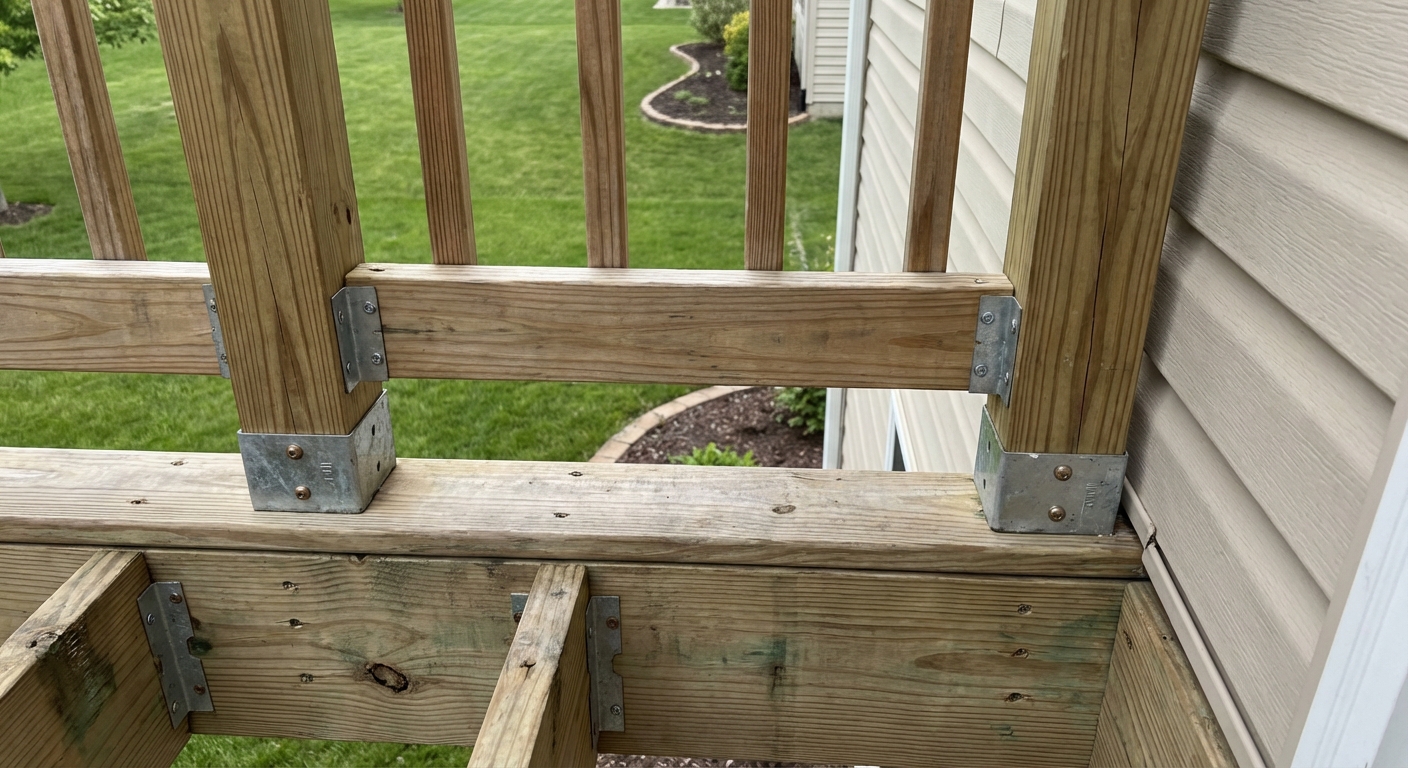
Building a new deck in Illinois? You're likely dreaming of summer barbecues and relaxing evenings outdoors. But before you start hammering, you need to understand Illinois deck building codes. Ignoring these regulations can lead to costly delays, fines, or even having to tear down your hard work. This guide breaks down the key requirements for 2026, covering everything from permits and frost lines to material choices and regional considerations across Illinois, from Chicago to downstate.
📋 Tool Alert: Permit Checker
Do you really need a permit? Check the exact rules for your city or township.
Check Permits →Do You Need a Deck Permit in Illinois?
Generally, yes. In Illinois, most decks require a permit, especially if they are attached to your house or stand more than 30 inches above grade (ground level). This is because decks are considered structures that affect safety and property value. The purpose of a permit is to ensure your deck meets minimum safety standards and complies with local building codes. These codes address structural integrity, safety railings, proper footing depth, and more.
🏗️ Planning a deck project?
Get a free manual project review, or visualize your dream deck with AI before requesting quotes.
Keep in mind that Illinois has adopted the ICC (International Code Council) International Building Code, but enforcement falls to individual municipalities and counties. This means the specific requirements and permit processes can vary depending on where you live.
<!-- slot:after-intro -->
Illinois Deck Permit Costs and Application Processes
The cost of a deck permit in Illinois varies significantly. In the Chicagoland area, expect to pay more than downstate. Here's a general breakdown:
- Chicago: Expect the highest costs, ranging from $200 to $800+, especially for complex, multi-level deck designs. The Chicago Department of Buildings is known for its thorough (and sometimes slow) review process. Architect-stamped plans are often required, especially for rooftop decks or decks exceeding a certain size or height.
- Suburbs (DuPage, Will County): Permit costs are generally lower and the turnaround time is faster. Expect to pay between $75 and $400. These counties typically have streamlined processes and clear guidelines available on their websites.
- Downstate Illinois: Permit costs are typically the lowest, often under $200. Contact your local city or county building department for specific pricing.
The application process usually involves submitting detailed plans of your proposed deck, including dimensions, materials, and footing locations. Some municipalities may require a site survey. Once submitted, the building department will review your plans and may request revisions. After approval, you'll receive a permit and can begin construction. Inspections are typically required at various stages of the building process (footings, framing, final inspection) to ensure compliance with the approved plans and building codes. To learn more about the permit process in the city, read our guide to Chicago Deck Permit: Dept of Buildings Requirements, Costs & How to Apply.
Key Illinois Deck Building Code Requirements
Here are some crucial aspects of Illinois deck building codes to be aware of:
Frost Line Depth
Illinois has a statewide frost line depth of 42 inches. This means the bottom of your deck footings must be at least 42 inches below the ground's surface to prevent frost heave (the expansion of soil due to freezing temperatures), which can damage your deck's structure. In areas closer to the Wisconsin border, you may want to consider going slightly deeper.
Load Requirements
Your deck must be able to support a certain amount of weight, known as the live load and dead load. Live load refers to the weight of people and furniture, while dead load refers to the weight of the deck itself. Building codes specify minimum load requirements based on the intended use of the deck. Wind load is also a significant factor, especially in the Chicagoland area, where strong winds are common, especially near the lake. Consult with a qualified engineer or deck builder to ensure your deck is designed to withstand the required loads for your specific location.
Handrails and Guardrails
Decks exceeding 30 inches above grade require handrails and guardrails. Guardrails must be at least 36 inches high for residential decks, and handrails must be graspable and between 34 and 38 inches in height. Spacing between balusters (the vertical posts in the railing) must not exceed 4 inches to prevent children from squeezing through.
Stairways
Deck stairs must meet specific requirements for rise (the vertical height of each step) and run (the horizontal depth of each step). Uniformity in rise and run is crucial for safety. A handrail is required on stairways with four or more risers.
Ledger Board Attachment
If your deck is attached to your house, the ledger board (the board that connects the deck to the house) must be securely fastened to the house's framing. Proper flashing is essential to prevent water damage. This is a critical area, and improper attachment is a common cause of deck failures.
Materials
Illinois' climate presents unique challenges for deck construction. Hot, humid summers (85-95°F) and harsh winters (-10 to 20°F) with significant temperature swings can put a strain on decking materials. Chicago also experiences lake-effect snow. The state also sees about 36-40 inches of precipitation annually. Termite pressure is moderate in Illinois, so termite-resistant materials or treatments are recommended.
Common decking materials in Illinois include:
- Pressure-Treated Lumber: The most affordable option, typically costing $25-$45 per square foot installed. It's durable and resistant to rot and insects but requires regular maintenance.
- Composite Decking: A popular choice due to its low maintenance and long lifespan. Costs range from $45-$80 per square foot installed. Brands like Trex (costing $55-$85 per square foot installed) are widely available.
- Cedar: A naturally beautiful and durable wood that is resistant to rot and insects. Costs range from $35-$60 per square foot installed.
- Other Hardwoods: Ipe and other exotic hardwoods offer exceptional durability and beauty but are the most expensive option.
Here's a table summarizing average installed deck costs in Illinois:
| Material | Cost per Square Foot (Installed) | Pros | Cons |
| ------------------- | --------------------------------- | --------------------------------------------------------------------------------------------------- | ----------------------------------------------------------------------------------------------------- |
| Pressure-Treated | $25 - $45 | Affordable, durable, rot and insect resistant | Requires regular maintenance, can splinter |
| Composite (General) | $45 - $80 | Low maintenance, long lifespan, resists fading and staining | More expensive than pressure-treated lumber, can get hot in direct sunlight |
| Trex | $55 - $85 | High-quality composite, wide range of colors and styles, excellent durability | One of the most expensive composite options |
| Cedar | $35 - $60 | Naturally beautiful, durable, rot and insect resistant | Requires some maintenance, can be more expensive than pressure-treated lumber |
Use PaperPlan (paperplan.app) to visualize your deck with PaperPlan design with different materials and layouts before committing to a contractor. This can help you make informed decisions about the best materials for your budget and aesthetic preferences.
<!-- slot:mid-content -->
Regional Considerations in Illinois
Deck building codes are generally consistent throughout Illinois, but there are regional nuances to consider:
- Chicagoland: Small urban lots and rooftop decks are common. Compact deck designs and careful consideration of space are essential. Wind loads are a significant concern due to the proximity to Lake Michigan.
- Collar Counties (Naperville, Aurora): Affluent suburbs like Naperville often feature high-end composite and hardwood decks. Strict HOA (Homeowners Association) oversight is common, so be sure to check with your HOA before starting any construction. Aurora has a mix of older neighborhoods and new developments, requiring careful consideration of existing structures and lot lines. Our guides to Best Deck Builders in Naperville, IL: DuPage County Guide and Best Deck Builders in Aurora, IL: Finding Quality & Value will help you find the right contractor for your area.
- Central and Southern Illinois: Larger lots and rural properties are more common, offering more flexibility in deck design. Pressure-treated lumber remains a popular and cost-effective choice.
- Rockford: Lower cost of living compared to Chicagoland makes pressure-treated wood a popular choice. Larger lots are more common, allowing for larger deck designs. Consult Winnebago County for permit requirements. Check out our guide to the Best Deck Builders in Rockford, IL: Local Guide for 2026 to find local professionals.
Best Time to Build a Deck in Illinois
The best months to build a deck in Illinois are typically May-June and September-October. The weather is generally mild and dry during these periods, making construction easier and more efficient. Avoid building during the peak of summer (July-August) due to the heat and humidity, and avoid building during the winter months (November-March) due to the cold temperatures and potential for snow and ice.
Our guide to How Much Does a Deck Cost in Illinois? Complete 2026 Guide goes into more detail on budgeting and planning your build.
<!-- slot:before-faq -->
Finding a Qualified Deck Builder in Illinois
Building a deck that meets code requirements and withstands the Illinois climate requires expertise. It's often best to hire a qualified and licensed deck builder. Look for contractors with experience in your specific region and with the type of deck you're planning to build. Check their references, review their portfolio, and ensure they are properly insured. A good deck builder will be familiar with local building codes and will handle the permit process for you.
<!-- slot:end -->
🎨 Not sure which material to pick?
Upload a photo of your backyard and see exactly how Trex, TimberTech, or cedar would look — free and instant.
Frequently Asked Questions
Do I need a permit to replace decking boards?
Generally, no, if you're only replacing the decking boards on an existing deck and not altering the structure or size of the deck, you typically don't need a permit. However, it's always best to check with your local building department to confirm.
How close to my property line can I build a deck?
Setback requirements (the distance a structure must be from a property line) vary by municipality. Check with your local zoning department for specific setback requirements in your area.
What happens if I build a deck without a permit?
Building a deck without a permit can result in fines, stop-work orders, and even the requirement to remove the deck. It's always best to obtain the necessary permits before starting any construction.
How long is a deck permit valid in Illinois?
Permit validity periods vary. Some permits are valid for six months, while others are valid for a year or more. Check with your local building department for the specific validity period of your permit. You may be able to request an extension if needed.
What are the most common deck building code violations in Illinois?
Common violations include improper footing depth, inadequate railing height or spacing, incorrect ledger board attachment, and failure to use proper flashing. Ensuring your deck meets all code requirements will prevent these issues.
📋 Planning a deck project?
Get a free manual project review from our team — no obligation, no spam.
Get Free Project Review →Upload a backyard photo and preview real decking materials with AI — free, instant, no sign-up.
Permits, costs, material comparisons, and questions to ask before requesting quotes — delivered to your inbox.