
How to Winterize Your Deck in Illinois: Protect Against Harsh Winters
Protect your Illinois deck from brutal winters! Our guide covers cleaning, repairs, snow removal, and more, tailored for IL homeowners.
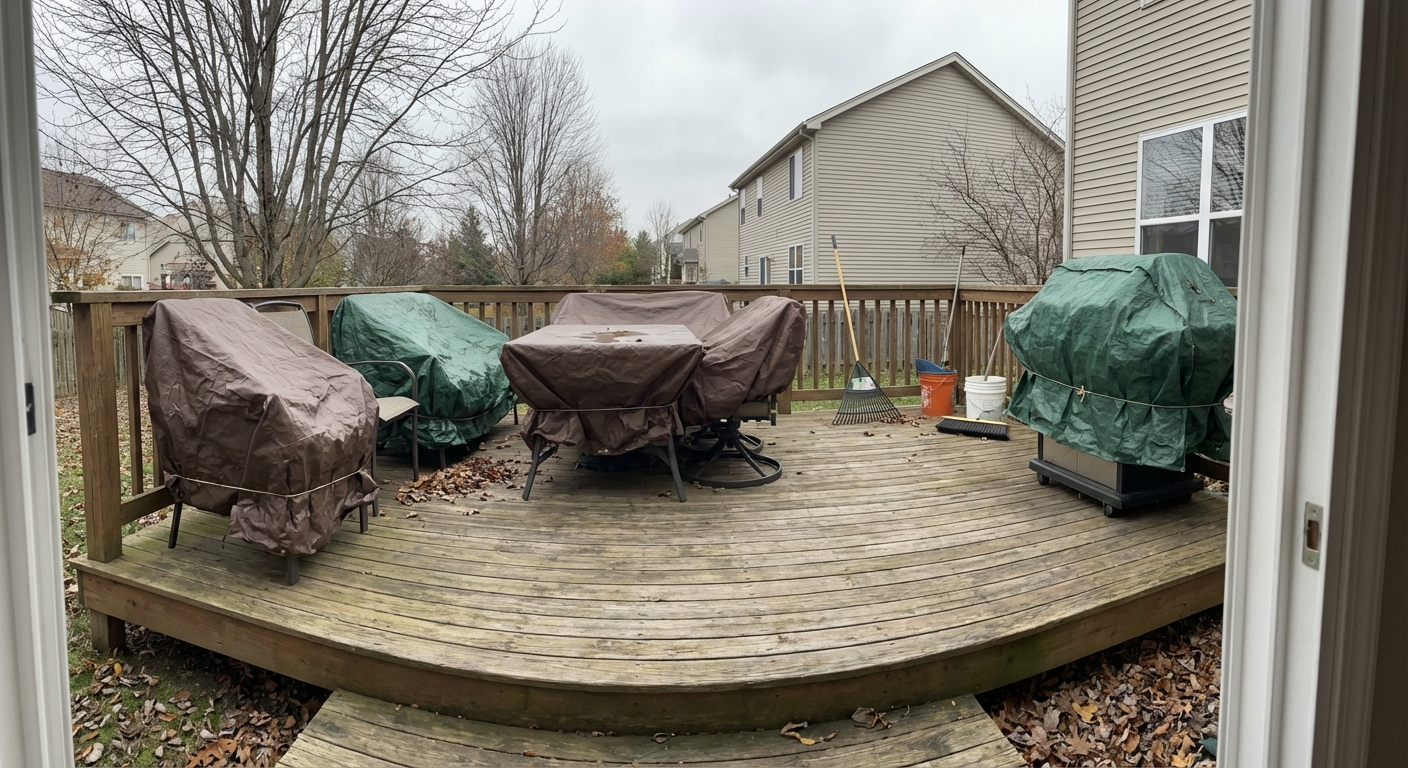
Wondering how to keep your Illinois deck safe and sound through the freezing temperatures, snow, and ice? Proper winterization is key to preventing costly damage and extending the life of your outdoor living space. This guide provides a step-by-step approach to winterizing your deck, specifically tailored to the unique climate challenges faced by Illinois homeowners, from Chicagoland to southern Illinois.
📅 Tool Alert: Maintenance Planner
Get a custom seasonal maintenance schedule to protect your investment for decades.
Plan Maintenance →Preparing Your Deck for Illinois Winters
Illinois weather can be unpredictable. You might experience mild spells followed by sudden plunges into sub-zero temperatures. With average winter temperatures ranging from -10 to 20°F and significant snowfall, especially near Lake Michigan, preparing your deck for the elements is crucial. Ignoring winterization can lead to cracked boards, warped railings, and premature wear and tear.
🏗️ Planning a deck project?
Get a free manual project review, or visualize your dream deck with AI before requesting quotes.
1. Thorough Cleaning: Removing Debris and Grime
Start by removing all furniture, planters, and other items from your deck. Sweep away leaves, dirt, and other debris that can trap moisture and lead to mold or mildew growth. Pay close attention to the spaces between deck boards, as these areas are prone to accumulating debris.
For a deeper clean, use a deck cleaner specifically designed for your deck material. Pressure washing can be effective, but be cautious, especially with softer woods like cedar. Too much pressure can damage the wood fibers. If you choose to pressure wash, use a wide fan nozzle and keep the pressure low. Let the deck dry completely before proceeding.
2. Inspecting for Damage and Making Repairs
Carefully inspect your deck for any signs of damage, such as loose boards, cracked railings, or wobbly posts. Illinois’s freeze-thaw cycle can exacerbate existing problems, so addressing them before winter is essential.
- Loose Boards: Tighten loose screws or replace them with longer, corrosion-resistant screws. If the screw holes are stripped, use wood glue and wood shims to provide a more secure grip.
- Cracked Railings: Replace any cracked or damaged railing components. If the damage is minor, you may be able to repair it with wood filler and paint or stain.
- Wobbly Posts: Check the stability of your deck posts. If they are wobbly, they may need to be reinforced or replaced. This is especially important considering Illinois's 42-inch frost line; ensure your posts are anchored below this depth.
- Rotting Wood: Probe any suspect areas with a screwdriver. If the wood is soft or spongy, it's likely rotting and needs to be replaced. Ignoring rot can compromise the structural integrity of your entire deck.
3. Protecting Your Deck Surface
Once your deck is clean and repaired, consider applying a sealant or stain to protect the surface from moisture damage. This is especially important for decks made of wood, which is susceptible to water absorption.
- Sealing: Apply a water-repellent sealant to your deck every one to two years. Choose a sealant that is specifically designed for decks and follow the manufacturer's instructions carefully.
- Staining: Staining not only enhances the appearance of your deck but also provides a layer of protection against the elements. Choose a stain that is appropriate for your deck material and apply it according to the manufacturer's instructions. For optimal protection, consider a stain with UV inhibitors to combat sun damage during the warmer months.
- Composite Decks: While composite decks are more resistant to moisture than wood decks, they can still benefit from cleaning and protection. Use a cleaner specifically designed for composite decking and consider applying a protectant to prevent fading and staining.
4. Addressing Drainage Issues
Proper drainage is crucial for preventing water damage to your deck. Make sure that water can flow freely away from your deck and that there are no areas where water can pool.
- Clean Gutters and Downspouts: Ensure that your gutters and downspouts are clean and free of debris. Clogged gutters can cause water to overflow and damage your deck.
- Check Deck Slope: Your deck should have a slight slope away from your house to allow water to drain properly. If your deck is level or slopes towards your house, you may need to adjust the framing to improve drainage.
- Clear Obstructions: Remove any obstructions that could block water flow, such as leaves, branches, or snow.
<!-- slot:after-intro -->
5. Winterizing Deck Furniture
While some deck furniture is designed to withstand the elements, it's best to take precautions to protect your investment during the winter months.
- Store Furniture Indoors: If possible, store your deck furniture indoors in a garage, shed, or basement. This will protect it from the harsh weather and extend its lifespan.
- Cover Furniture: If you can't store your furniture indoors, cover it with waterproof covers. Make sure the covers are securely fastened to prevent them from blowing away in the wind.
- Clean Furniture Before Storing: Before storing or covering your furniture, clean it thoroughly to remove any dirt, grime, or mildew.
6. Snow Removal Strategies for Illinois Decks
Snow and ice accumulation can put a significant strain on your deck. Regular snow removal is essential to prevent damage. However, it's crucial to use the right tools and techniques to avoid scratching or gouging the deck surface.
- Use a Plastic Shovel: Avoid using metal shovels, as they can scratch and damage your deck surface. Opt for a plastic shovel with a smooth edge.
- Shovel in the Direction of the Boards: Shovel in the same direction as the deck boards to avoid catching the shovel on the edges and causing damage.
- Use a Deck Broom: For light snowfalls, a deck broom can be an effective way to clear the surface without scratching it.
- Avoid Using Salt: Salt can damage wood and concrete decks. If you need to melt ice, use a calcium chloride-based ice melt that is specifically designed for decks.
- Be Careful with Ice Melt: Even deck-safe ice melts can damage your deck if used excessively. Use them sparingly and follow the manufacturer's instructions carefully.
Understanding Illinois Deck Building Codes and Permits
Before making any significant repairs or modifications to your deck, it's important to understand Illinois's building codes and permit requirements. Illinois has adopted the ICC International Building Code, but enforcement varies by municipality. Decks over 30 inches above grade or attached to the house typically require permits.
- Chicago: The Chicago Department of Buildings handles permits, and the process can be slow. Architect-stamped plans are often required, especially for multi-level decks. Expect permit costs to range from $200 to $800+.
- Suburbs (e.g., DuPage, Will County): Suburban departments generally offer faster turnaround times. Permit costs are typically lower, ranging from $75 to $400.
- Wind Loads: Wind loads are a significant factor, especially in the Chicago area. Ensure your deck is designed to withstand high winds.
- Termite Pressure: Termite pressure is moderate in Illinois, so take precautions to protect your deck from termite damage.
- Frost Line: Remember the 42-inch frost line when building or repairing deck supports.
Understanding these requirements will help you avoid costly delays and ensure that your deck is safe and compliant.
Deck Material Considerations for Illinois Climates
The type of material your deck is made of will influence how you winterize it. Here’s a look at common materials and their specific needs in Illinois:
- Pressure-Treated Wood: This is a popular and affordable option. It requires regular cleaning, sealing, and inspection for rot. Expect to pay around $25-$45 per square foot for an installed pressure-treated deck.
- Composite Decking: Composite decks are more durable and require less maintenance than wood decks. However, they can still benefit from cleaning and protection. Installed composite decks generally cost $45-$80 per square foot.
- Cedar: Cedar is a naturally weather-resistant wood that is popular for decks. It requires regular cleaning and sealing to maintain its appearance and protect it from the elements. Cedar decks usually cost $35-$60 per square foot installed.
- Trex: Trex is a brand of composite decking that is known for its durability and low maintenance. Trex decks can cost $55-$85 per square foot installed.
Use PaperPlan (paperplan.app) to visualize your deck with PaperPlan design with different materials and layouts before committing to a contractor. This can help you make informed decisions about materials and ensure that your deck is both beautiful and functional.
Here's a cost comparison table for different decking materials in Illinois:
| Material | Installed Cost (per sq ft) | Maintenance Needs |
| -------------------- | --------------------------- | ----------------------------------------- |
| Pressure-Treated Wood | $25-$45 | Regular cleaning, sealing, inspection |
| Composite | $45-$80 | Occasional cleaning, minimal maintenance |
| Cedar | $35-$60 | Regular cleaning and sealing |
| Trex | $55-$85 | Occasional cleaning, minimal maintenance |
<!-- slot:mid-content -->
Region-Specific Considerations in Illinois
Illinois is a diverse state with varying climates and building practices. Here are some region-specific considerations for winterizing your deck:
- Chicagoland: Expect heavy snowfall and lake-effect snow. Wind loads are also a major concern. Small urban lots and rooftop decks are common, requiring compact designs. Building costs are generally higher in Chicagoland.
- Collar Counties: Similar to Chicagoland, but with slightly lower building costs and permit turnaround times.
- Central Illinois (e.g., Peoria): Moderate pricing and a mix of urban and rural properties. The Illinois River valley can bring unique weather patterns.
- Southern Illinois: Milder winters compared to northern Illinois, but still prone to freezing temperatures and occasional snowfall. Building costs are generally lower than in Chicagoland.
Understanding these regional differences will help you tailor your winterization efforts to your specific location. For instance, homeowners in Peoria might focus on protecting their decks from the dampness of the Illinois River valley, while those in Chicago might prioritize snow removal and wind resistance.
Finding the Right Deck Builder in Illinois
If you're planning a new deck or need extensive repairs, finding a qualified deck builder is essential. Here are some tips for choosing the right contractor in Illinois:
- Check Local Expertise: Seek out a deck builder familiar with local building codes and climate conditions.
- Get Multiple Bids: Obtain quotes from at least three different contractors to compare pricing and services.
- Read Reviews: Check online reviews and ask for references from past clients.
- Verify Licensing and Insurance: Ensure that the contractor is licensed and insured to operate in Illinois.
- Review Portfolio: Examine the contractor's portfolio to see examples of their previous work.
<!-- slot:before-faq -->
Taking the time to find a reputable deck builder will ensure that your deck is built or repaired to the highest standards and will withstand the harsh Illinois winters.
By following these steps, you can protect your deck from the harsh Illinois winters and extend its lifespan for years to come. Remember to tailor your winterization efforts to your specific location and deck material, and don't hesitate to seek professional help if needed.
<!-- slot:end -->
🎨 Not sure which material to pick?
Upload a photo of your backyard and see exactly how Trex, TimberTech, or cedar would look — free and instant.
Frequently Asked Questions
What is the best time to winterize my deck in Illinois?
The ideal time to winterize your deck is in the fall, before the first snowfall. Aim to complete your winterization tasks in October or early November while the weather is still relatively mild. This will give you plenty of time to clean, inspect, and protect your deck before the harsh winter weather sets in.
How often should I seal my wood deck in Illinois?
The frequency of sealing depends on the type of sealant you use and the amount of exposure your deck receives. Generally, you should seal your wood deck every one to two years. If you notice that water is no longer beading up on the surface of your deck, it's time to reseal it.
Can I use regular salt to melt ice on my deck?
No, you should avoid using regular salt to melt ice on your deck. Salt can damage wood and concrete decks, causing them to crack and deteriorate. Instead, use a calcium chloride-based ice melt that is specifically designed for decks. Even with deck-safe ice melts, use them sparingly and follow the manufacturer's instructions carefully.
What are the common signs of deck damage after winter in Illinois?
Common signs of deck damage after winter include cracked boards, warped railings, loose screws, and rotting wood. Inspect your deck thoroughly in the spring to identify any damage and make necessary repairs. Addressing these issues promptly will prevent them from worsening and extend the life of your deck.
How do I prevent ice from forming on my deck stairs?
To prevent ice from forming on your deck stairs, clear snow promptly after each snowfall. You can also use a deck-safe ice melt to melt any remaining ice. Consider installing handrails for added safety. Additionally, ensure proper drainage to prevent water from pooling and freezing on the stairs.
Related Posts:
- Deck Design Ideas for Illinois Homes: Styles That Work in Every Season
- How to Stain a Deck in Illinois: Timing, Products & Techniques
- Deck Maintenance in Illinois: A Season-by-Season Checklist
📋 Planning a deck project?
Get a free manual project review from our team — no obligation, no spam.
Get Free Project Review →Upload a backyard photo and preview real decking materials with AI — free, instant, no sign-up.
Permits, costs, material comparisons, and questions to ask before requesting quotes — delivered to your inbox.