
Composite Deck Cost in Ohio: What to Expect in 2026
Planning a composite deck in Ohio? Learn about 2026 costs, material prices, permits, and regional factors impacting your project budget.
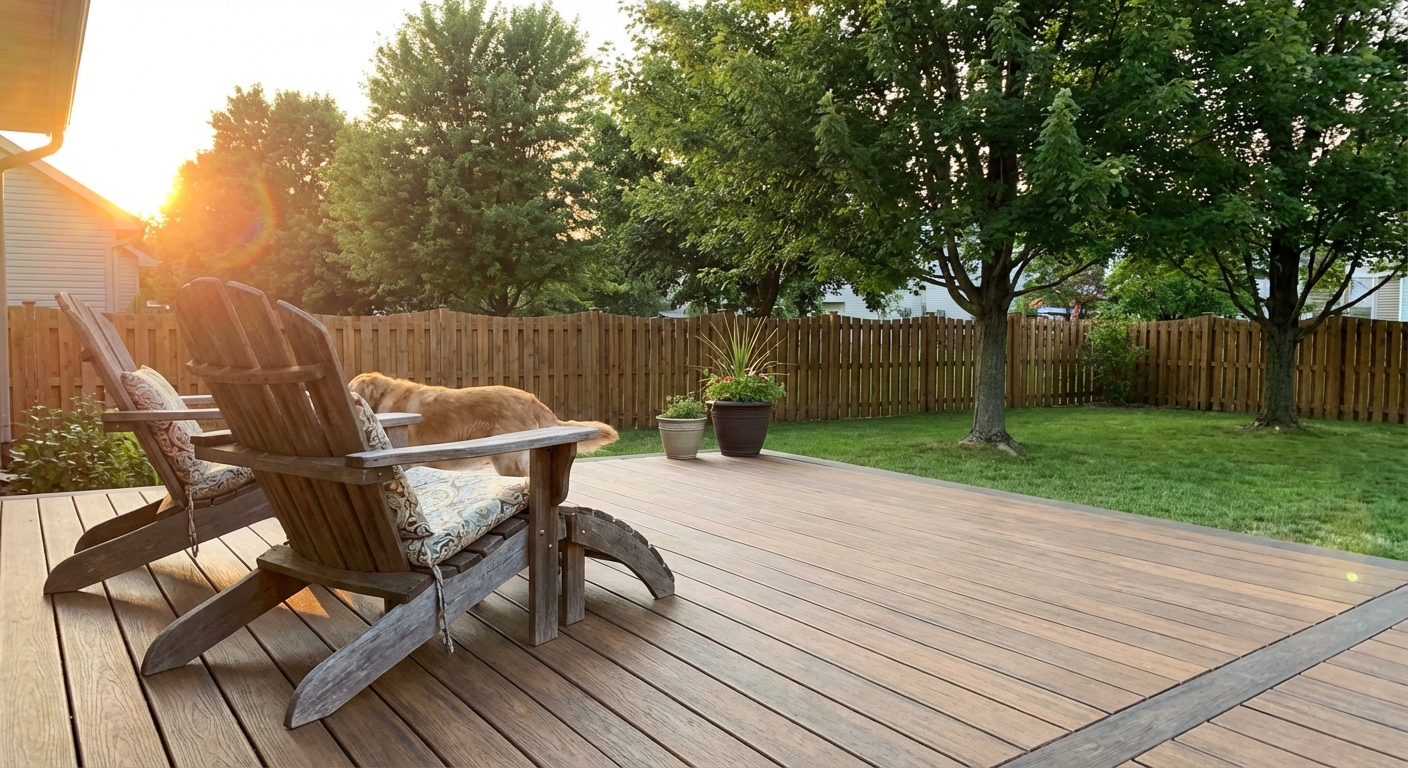
Are you dreaming of a new composite deck to enhance your Ohio home's outdoor living space? Understanding the costs involved is crucial for budgeting and planning. This guide provides a detailed breakdown of composite deck costs in Ohio for 2026, covering material prices, labor, permits, and regional variations across the Buckeye State.
🧮 Tool Alert: Deck Cost Calculator
Estimate your project costs in seconds based on local pricing bands for your area.
Calculate My Cost →What Affects the Cost of a Composite Deck in Ohio?
Looking for more regional information? Check out our Ohio State Decking Hub.
🏗️ Planning a deck project?
Get a free manual project review, or visualize your dream deck with AI before requesting quotes.
Several factors influence the final price of your composite deck project. Understanding these will help you estimate costs more accurately and make informed decisions.
- Deck Size: This is the most obvious factor. Larger decks require more materials and labor, directly increasing the overall cost.
- Material Choice: While all composite decking offers similar benefits, different brands and product lines have varying price points. Trex, for example, often sits at a slightly higher price point than some other composite options.
- Design Complexity: Simple rectangular decks are cheaper than multi-level decks, decks with curves, built-in seating, or intricate railing systems. Cincinnati homeowners, with their often hilly terrain, might face higher costs due to complex designs and potential retaining wall needs.
- Labor Costs: Contractor rates vary based on experience, location, and demand. Ohio generally has affordable construction costs compared to coastal states, making labor relatively competitive.
- Permits and Inspections: Most Ohio cities require permits for decks over 30 inches above grade or attached to the house. Permit costs typically range from $75 to $400, depending on the municipality.
- Site Preparation: Clearing the area, leveling the ground, and removing existing structures can add to the cost.
- Railing and Features: The type of railing (composite, metal, cable) significantly impacts the budget. Adding features like stairs, lighting, or built-in planters will also increase the price.
- Location within Ohio: Material and labor costs can differ slightly between regions. For example, Cleveland and Northeast Ohio might see a premium on waterproofing due to lake-effect snow and moisture.
- HOA Approval: If you live in a community with a Homeowners Association (common in suburban Columbus areas like Dublin, Westerville, and Powell, and Cleveland suburbs like Solon, Hudson, and Avon), you may need to factor in time for approval processes and potential design modifications to meet their requirements.
<!-- slot:after-intro -->
Composite Decking Prices in Ohio: Material and Installation
Composite decking offers durability and low maintenance, making it a popular choice for Ohio homeowners. Here's a cost breakdown:
- Material Costs: Composite decking typically ranges from $8 to $15 per square foot for the materials alone. Higher-end brands or specialized colors can exceed this range.
- Installation Costs: Labor costs for composite deck installation in Ohio generally run from $32 to $55 per square foot. This includes framing, decking, railing, and finishing.
- Total Installed Cost: Combining materials and labor, expect to pay between $40 and $70 per square foot for a professionally installed composite deck in Ohio. Trex decking typically costs $45-$75 per square foot installed.
Here's a table comparing composite decking costs to other popular materials in Ohio:
| Material | Material Cost (per sq ft) | Installed Cost (per sq ft) |
|-------------------|----------------------------|-----------------------------|
| Pressure-Treated | $5 - $8 | $22 - $40 |
| Composite | $8 - $15 | $40 - $70 |
| Cedar | $7 - $12 | $30 - $50 |
| Trex | $9 - $16 | $45 - $75 |
Remember that these are average ranges. Your actual cost will depend on the specific factors mentioned earlier.
Regional Cost Considerations Across Ohio
Ohio's diverse geography and climate influence composite deck costs in different regions:
- Columbus Metro (Dublin, Westerville, Powell, Grove City): As the fastest-growing metro in Ohio, Columbus sees a lot of new construction and demand for decks. Expect competitive pricing but factor in potential HOA requirements that could impact design and cost.
- Cleveland/Northeast Ohio: Lake-effect snow and high moisture levels make composite decking a smart choice to avoid wood rot and decay. Prioritize proper waterproofing, which could slightly increase installation costs.
- Cincinnati/Southwest Ohio: Hilly terrain often leads to more complex deck designs, including multi-level decks and retaining walls. This can increase labor and material costs. Ohio River views may also drive premium deck builds.
- Dayton/Miami Valley: This region generally has a more affordable housing market, which can translate to slightly lower labor costs. There's also a strong DIY culture, so some homeowners might opt to handle some aspects of the project themselves.
- Toledo/Northwest Ohio: Similar to Cleveland, Toledo experiences lake-effect weather, but it's generally milder. Expect comparable costs to the state average.
- Akron/Canton: This area sees steady suburban growth and moderate construction costs. Contractor availability is generally good.
Permits and Building Codes in Ohio
Navigating Ohio's building codes and permit requirements is essential for a compliant and safe deck.
- Ohio Residential Code: Ohio follows the Ohio Residential Code, which is based on the International Residential Code (IRC). Local municipalities enforce these codes through their building departments.
- Permit Requirements: Most Ohio cities require a permit for decks exceeding 30 inches in height above grade or attached to a dwelling.
- Frost Line: Ensure your deck footings extend below the frost line, which is typically 32 inches deep in most of Ohio and 36 inches in Northeast Ohio near Lake Erie.
- Typical Permit Costs: Expect to pay between $75 and $400 for a deck permit, depending on your city or township.
- Inspection Process: After construction, your deck will need to be inspected to ensure it meets code requirements.
Check with your local building department for specific regulations and permit applications. Refer to our guide: Do You Need a Deck Permit in Ohio? City & Township Rules for more information.
Maximizing Your Budget: Tips for Saving Money on Your Composite Deck
Building a composite deck is an investment, but there are ways to manage costs effectively:
- Get Multiple Quotes: Obtain quotes from at least three different contractors to compare pricing and services.
- Choose a Simple Design: Opt for a straightforward rectangular deck design to minimize labor and material costs.
- Consider Off-Season Construction: Schedule your project during the off-season (late fall or winter) when contractors may offer lower rates. However, keep in mind that Ohio's best build months are April-June and September-October to avoid extreme temperatures.
- DIY Certain Tasks: If you're handy, consider handling tasks like demolition of an old deck or site preparation yourself.
- Compare Material Prices: Shop around for the best deals on composite decking materials. Look for sales and discounts.
- Plan Ahead: Careful planning can prevent costly changes or mistakes during construction. Use PaperPlan (paperplan.app) to visualize your deck with PaperPlan design with different materials and layouts before committing to a contractor. This can help you avoid expensive revisions later on.
<!-- slot:mid-content -->
Long-Term Value of Composite Decking in Ohio
While the initial cost of composite decking is higher than pressure-treated wood, the long-term benefits often outweigh the investment.
- Low Maintenance: Composite decking requires minimal upkeep, saving you time and money on staining, sealing, and repairs.
- Durability: Composite decking is resistant to rot, decay, insects (important to consider moderate termite pressure, especially in southern Ohio), and fading, ensuring a long lifespan.
- Increased Home Value: A well-built composite deck can significantly enhance your home's value and appeal, especially in desirable areas like suburban Columbus and Cleveland.
- Safety: Composite decking is slip-resistant and splinter-free, making it a safer option for families with children and pets.
Investing in a composite deck is an investment in your home's future and your enjoyment of outdoor living.
<!-- slot:before-faq -->
🎨 Not sure which material to pick?
Upload a photo of your backyard and see exactly how Trex, TimberTech, or cedar would look — free and instant.
Frequently Asked Questions
How long will a composite deck last in Ohio's climate?
A well-maintained composite deck in Ohio can last 25-30 years or more. The key is proper installation and occasional cleaning. Composite materials are designed to withstand Ohio's hot, humid summers and cold, snowy winters.
Is it worth getting a permit for my deck in Ohio?
Yes! Obtaining a permit ensures your deck meets local building codes and safety standards. Building without a permit can result in fines, legal issues, and the potential for having to tear down and rebuild your deck. Refer to Ohio Deck Building Codes: Key Requirements for 2026 for more information.
What is the best time of year to build a deck in Ohio?
The best months to build a deck in Ohio are generally April-June and September-October. These months offer milder temperatures and less chance of rain or snow, making for a more comfortable and efficient construction process.
How do I find a reputable deck builder in Ohio?
Look for contractors with experience, positive reviews, proper licensing and insurance, and a portfolio of completed projects. Get multiple quotes and ask for references. We also have guides to help you find the best deck builders in specific Ohio cities, such as Best Deck Builders in Columbus, OH: How to Find the Right Contractor.
<!-- slot:end -->
📋 Planning a deck project?
Get a free manual project review from our team — no obligation, no spam.
Get Free Project Review →Upload a backyard photo and preview real decking materials with AI — free, instant, no sign-up.
Permits, costs, material comparisons, and questions to ask before requesting quotes — delivered to your inbox.