
Do You Need a Deck Permit in Ohio? City & Township Rules
Planning a new deck in Ohio? Avoid fines and delays! Learn Ohio deck permit rules, costs, inspections, and HOA considerations for 2026.
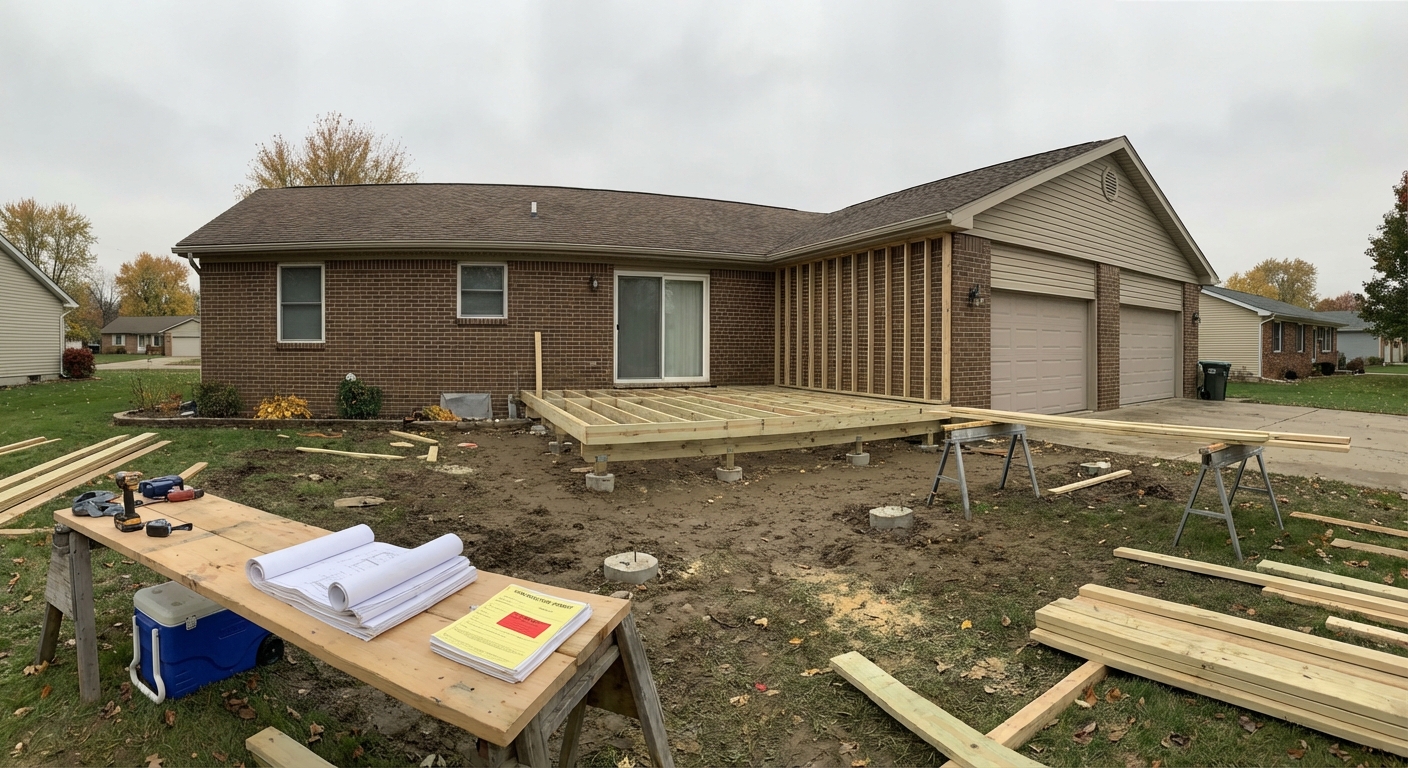
If you're planning to build a new deck or significantly alter an existing one on your Ohio property, you're probably wondering: Do I need a permit? The answer, in most cases, is yes, especially if your deck is attached to your house or sits more than 30 inches above grade. This guide breaks down Ohio's deck permit requirements, costs, and what you need to know to stay compliant.
📋 Tool Alert: Permit Checker
Do you really need a permit? Check the exact rules for your city or township.
Check Permits →Understanding Ohio Deck Permit Requirements
Looking for more regional information? Check out our Ohio State Decking Hub.
🏗️ Planning a deck project?
Get a free manual project review, or visualize your dream deck with AI before requesting quotes.
Ohio follows a statewide Residential Code based on the International Residential Code (IRC), but enforcement is handled at the local level by city and township building departments. This means that while the basic rules are similar across the state, specific interpretations and requirements can vary.
Generally, you'll need a permit if your deck meets either of these criteria:
- Attached to your house: Any deck directly connected to your home's structure almost always requires a permit.
- More than 30 inches above grade: If any part of your deck's surface is more than 30 inches above the ground at any point, a permit is typically required.
Even if your deck doesn't meet these criteria, it's always best to check with your local building department to be absolutely sure. Some municipalities may have stricter rules. Ignoring permit requirements can result in hefty fines, project delays, and even the need to tear down and rebuild your deck.
<!-- slot:after-intro -->
Ohio's Diverse Regions: How They Impact Deck Building
Ohio's diverse geography and climate influence deck building practices and considerations across the state. Here’s a regional breakdown:
- Columbus Metro (Dublin, Westerville, Powell, Grove City): As Ohio's fastest-growing metro area, Columbus sees a lot of new construction. Expect strict enforcement of building codes, especially in planned communities with Homeowners Associations (HOAs). Be prepared for HOA approvals *before* you even apply for a city permit.
- Cleveland/Northeast Ohio: The lake-effect from Lake Erie brings significant moisture and heavy snowfall (over 60 inches annually in some areas). This means that composite decking is often a better choice than wood due to its superior resistance to rot and water damage. Waterproofing is crucial.
- Cincinnati/Southwest Ohio: Hilly terrain is common in Cincinnati. Multi-level decks and decks requiring retaining walls are frequently built. Views of the Ohio River drive demand for premium materials and designs. Expect potentially higher costs due to complex site preparation.
- Dayton/Miami Valley: Dayton's relatively affordable housing market fosters a strong DIY culture. However, even experienced DIYers should obtain permits when required to avoid potential issues.
- Toledo/Northwest Ohio: Toledo shares a similar lake-effect climate with Cleveland, though typically milder. Affordable builds are common in this region.
- Akron/Canton: Suburban growth in Akron and Canton means a good availability of deck builders and moderate construction costs.
Estimating Deck Costs in Ohio
Ohio offers affordable construction costs compared to coastal states, making it a competitive market in the Midwest. Here’s a breakdown of average deck costs in Ohio:
| Material | Cost per Square Foot (Installed) |
|-------------------|-----------------------------------|
| Pressure-Treated | $22 - $40 |
| Composite | $40 - $70 |
| Cedar | $30 - $50 |
| Trex® (Composite) | $45 - $75 |
These prices are estimates. Your actual cost will depend on the size of your deck, the complexity of the design, site conditions, and the specific contractor you choose.
To visualize your deck with PaperPlan design with different materials and layouts before committing to a contractor, you can use PaperPlan (paperplan.app). This tool allows you to experiment with various options and get a better sense of the final product.
The Permit Application Process in Ohio
The exact process for obtaining a deck permit varies depending on your local municipality. However, here are the general steps you can expect:
1. Contact your local building department: Start by contacting your city or township's building department. They can provide you with specific application forms, requirements, and fee schedules.
2. Prepare your deck plans: You'll typically need to submit detailed deck plans that show the dimensions of the deck, the materials you'll be using, the foundation details, and the location of the deck on your property. These plans often need to be drawn to scale.
3. Submit your application: Once you have all the required documents, submit your application to the building department along with the applicable fees.
4. Review and approval: The building department will review your application to ensure that it complies with all applicable building codes and zoning regulations. This may take several weeks.
5. Inspections: Once your permit is approved, you'll need to schedule inspections at various stages of the construction process. This typically includes inspections of the footings, framing, and final deck installation.
<!-- slot:mid-content -->
Key Considerations for Ohio Decks
Beyond permit requirements, here are some factors to keep in mind when planning your Ohio deck:
- Frost Line: Ohio's frost line is generally 32 inches deep, but it can be as deep as 36 inches in Northeast Ohio near Lake Erie. Your deck footings must extend below the frost line to prevent movement and damage from freezing and thawing.
- Climate: Ohio experiences hot, humid summers (with temperatures reaching 85-90°F) and cold winters. Choose materials that can withstand these extreme temperature fluctuations. Composite decking is a popular choice for its durability and low maintenance. The state receives an average of 38-42 inches of rain per year, so proper drainage is essential.
- Termites: Termite pressure is moderate in Ohio, especially in southern Ohio (Cincinnati and Dayton). Consider using pressure-treated lumber or termite-resistant materials for your deck's substructure.
- HOA Approval: If you live in a community with a Homeowners Association (HOA), you'll likely need to obtain their approval before you can start building your deck. HOAs often have specific requirements regarding deck size, materials, and design. This is especially common in suburban Columbus (Dublin, Westerville, Powell) and Cleveland suburbs (Solon, Hudson, Avon).
- Best Time to Build: The best months to build a deck in Ohio are typically April-June and September-October. These months offer milder temperatures and avoid the extreme heat of summer and the frozen ground of winter.
Permit Costs in Ohio
Permit costs in Ohio vary by municipality but typically range from $75 to $400. The exact cost will depend on the size and complexity of your deck. Contact your local building department for specific fee information.
<!-- slot:before-faq -->
Failing to Get a Permit: What Are the Risks?
Building a deck without a required permit in Ohio can lead to several negative consequences:
- Fines: You could be fined by your local building department.
- Stop-Work Orders: The building department can issue a stop-work order, halting construction until you obtain the necessary permits.
- Rejection of Sale: When you sell your home, a potential buyer's inspection might reveal an unpermitted deck. This can complicate or even kill the sale.
- Tear Down and Rebuild: In the worst-case scenario, the building department could require you to tear down the unpermitted deck and rebuild it with the proper permits and inspections.
- Insurance Issues: Your homeowner's insurance policy may not cover damage or injuries related to an unpermitted structure.
<!-- slot:end -->
🎨 Not sure which material to pick?
Upload a photo of your backyard and see exactly how Trex, TimberTech, or cedar would look — free and instant.
Frequently Asked Questions
Do I need a permit to replace deck boards on an existing deck?
Generally, if you're simply replacing the surface boards on an existing deck without altering the structure or size, you likely won't need a permit. However, it's always best to check with your local building department to confirm. If you're also replacing railings, stairs, or other structural components, a permit is more likely to be required.
What happens if I build a deck without a permit and get caught?
If you build a deck without a required permit, you could face fines, stop-work orders, and even be required to tear down the deck. It's always best to obtain the necessary permits before starting construction.
How long does it take to get a deck permit in Ohio?
The time it takes to get a deck permit in Ohio can vary depending on your local building department and the complexity of your project. It can take anywhere from a few weeks to several months. Be sure to submit your application well in advance of when you plan to start construction.
What documents do I need to apply for a deck permit?
Typically, you'll need to submit detailed deck plans, a site plan showing the location of the deck on your property, and a completed permit application form. Your local building department can provide you with a complete list of required documents.
Do I need a licensed contractor to build a deck in Ohio?
While Ohio doesn't have a statewide licensing requirement for general contractors, some municipalities may require contractors to be licensed locally. Even if a license isn't legally required, hiring a licensed and insured contractor offers greater protection and assurance of quality workmanship. Consider finding experienced Best Deck Builders in Columbus, OH: How to Find the Right Contractor, Best Deck Builders in Cleveland: Lake Effect-Ready Builds for 2026, Best Deck Builders in Cincinnati: Hillside & Multi-Level Specialists, or Best Deck Builders in Dayton, OH: Miami Valley Guide for 2026 for your project.
📋 Planning a deck project?
Get a free manual project review from our team — no obligation, no spam.
Get Free Project Review →Upload a backyard photo and preview real decking materials with AI — free, instant, no sign-up.
Permits, costs, material comparisons, and questions to ask before requesting quotes — delivered to your inbox.