
Best Deck Builders in Cincinnati: Hillside & Multi-Level Specialists
Looking for the best deck builder in Cincinnati? Find top-rated contractors specializing in hillside decks, multi-level designs, and Ohio River views.
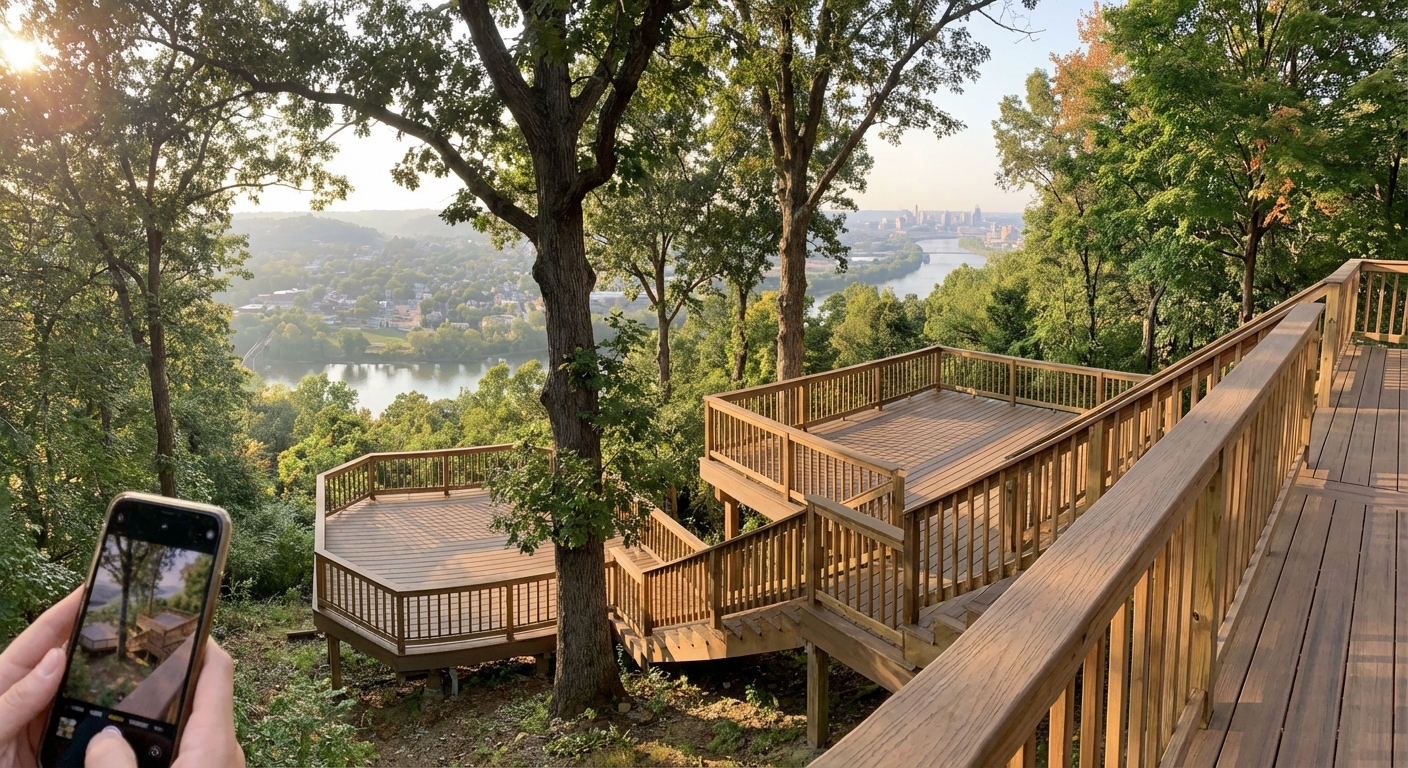
Cincinnati's unique terrain and stunning Ohio River views make deck building a special endeavor. If you're planning a new deck, especially on a hillside lot or requiring multiple levels, you need a contractor with specialized expertise. This guide helps you find the best deck builders in Cincinnati, considering local challenges, costs, and permitting requirements.
Cincinnati Deck Building: Unique Challenges & Opportunities
Looking for more regional information? Check out our Ohio State Decking Hub.
🏗️ Planning a deck project?
Get a free manual project review, or visualize your dream deck with AI before requesting quotes.
Cincinnati's landscape presents both challenges and opportunities for deck construction. The city's rolling hills and riverfront locations often necessitate creative solutions like multi-level decks, elevated platforms, and retaining walls. These projects require experienced contractors familiar with hillside construction techniques and local building codes.
Factors influencing your Cincinnati deck project:
- Hilly Terrain: Expect to pay more for excavation, foundation work, and specialized framing on sloped lots.
- Ohio River Views: Decks with river views command a premium, influencing design and material choices.
- Permitting: Decks over 30 inches above grade require permits. Cincinnati's building department enforces the Ohio Residential Code.
- Termite Pressure: Southern Ohio experiences moderate termite pressure. Ensure your contractor uses treated lumber or termite-resistant materials, especially for wood decks.
- Climate: Hot, humid summers and cold winters necessitate durable materials and proper sealing to prevent moisture damage.
- Neighborhood Aesthetics: Consider the architectural style of your neighborhood (e.g., Over-the-Rhine, Hyde Park, Mount Adams) when choosing materials and design.
<!-- slot:after-intro -->
Understanding Deck Costs in Cincinnati
Ohio offers relatively affordable construction costs compared to coastal states. However, Cincinnati's specific challenges can influence pricing.
Here's a breakdown of typical deck costs in Ohio, adjusted for Cincinnati:
| Material | Cost per SqFt (Installed) | Cincinnati Considerations |
| ----------------- | -------------------------- | ------------------------------------------------------------------------------------- |
| Pressure-Treated | $25 - $45 | Most affordable option; requires regular maintenance; consider termite treatment. |
| Cedar | $35 - $55 | Natural beauty; more weather-resistant than pressure-treated; higher upfront cost. |
| Composite | $45 - $75 | Low-maintenance; durable; resists rot and insects; higher upfront cost. |
| Trex | $50 - $80 | Premium composite brand; excellent durability and aesthetics; highest upfront cost. |
Note: These are *estimates*. Actual costs vary based on deck size, complexity, materials, and contractor rates.
Factors increasing deck costs in Cincinnati:
- Multi-Level Decks: Complex designs require more labor and materials.
- Hillside Construction: Excavation, retaining walls, and specialized foundations add to the cost.
- Permits & Inspections: Budget $75 - $400 for permits, depending on the project scope and Cincinnati regulations.
- Railing Systems: Upgraded railing options (e.g., glass, cable) increase costs.
Use PaperPlan (paperplan.app) to visualize your deck with PaperPlan design with different materials and layouts before committing to a contractor. This can help you estimate costs more accurately and avoid surprises.
Finding Qualified Deck Builders in Cincinnati
Here's how to find reputable deck builders in Cincinnati:
1. Ask for Referrals: Seek recommendations from friends, family, and neighbors who have recently had decks built.
2. Check Online Reviews: Read reviews on sites like Google, Yelp, and the Better Business Bureau (BBB).
3. Verify Licensing & Insurance: Ensure the contractor is licensed in Ohio and carries liability insurance and workers' compensation.
4. Request Multiple Bids: Obtain at least three bids from different contractors to compare pricing and services.
5. Review Portfolios: Ask to see examples of their previous work, especially hillside or multi-level decks.
6. Check References: Contact previous clients to inquire about their experience with the contractor.
7. Detailed Contract: Ensure the contract clearly outlines the project scope, materials, timeline, payment schedule, and warranty.
Key Questions to Ask Potential Contractors:
- Are you licensed and insured in Ohio?
- How many years of experience do you have building decks in Cincinnati?
- Do you have experience with hillside construction or multi-level decks?
- Can you provide references from previous clients?
- What type of warranty do you offer?
- How will you handle permitting and inspections?
- What is your payment schedule?
- How do you handle unexpected issues or changes during the project?
Cincinnati Neighborhood Considerations
Different Cincinnati neighborhoods may have specific considerations:
- Over-the-Rhine (OTR): Historic district; strict design guidelines; consider compatibility with existing architecture.
- Hyde Park: Upscale neighborhood; high expectations for quality and aesthetics.
- Mount Adams: Hillside community; challenging access; prioritize contractors with experience in steep terrain.
- Columbia-Tusculum: Historic riverfront neighborhood; consider flood plain regulations.
- Downtown/Central Business District: Rooftop decks may require additional structural considerations.
<!-- slot:mid-content -->
Navigating Cincinnati Deck Permits
In Cincinnati, you'll likely need a permit for your deck project. Here's what you need to know:
- Permit Requirement: Decks exceeding 30 inches above grade or attached to a dwelling require a permit.
- Governing Code: The Ohio Residential Code, enforced by the City of Cincinnati's Building Department.
- Application Process: Submit plans and application to the Building Department.
- Required Documents: Site plan, construction drawings, material specifications.
- Inspections: Required inspections at various stages of construction (footings, framing, final).
- Common Issues: Failing inspections due to improper footing depth, incorrect framing, or lack of proper railings.
- Cincinnati Building Department: Consult their website or visit their office for specific requirements.
It's highly recommended that your contractor handles the permitting process. They are familiar with local regulations and can ensure your project meets all requirements.
Material Choices for Cincinnati Decks
Choosing the right materials is crucial for a long-lasting deck in Cincinnati's climate.
- Pressure-Treated Lumber: Budget-friendly option; requires regular staining or sealing to prevent rot and insect damage. Consider ACQ-treated lumber.
- Cedar: Naturally rot-resistant and insect-resistant; beautiful appearance; requires less maintenance than pressure-treated lumber but is more expensive.
- Composite Decking: Low-maintenance; durable; resists rot, insects, and fading; higher upfront cost but saves time and money in the long run. Popular brands include Trex, TimberTech, and Fiberon.
- Trex Decking: Premium composite decking; excellent durability, aesthetics, and warranty; highest upfront cost.
- Fasteners: Use stainless steel or coated screws and nails to prevent corrosion.
For Cincinnati's climate, composite decking is often the preferred choice due to its low-maintenance and weather-resistant properties. However, pressure-treated lumber and cedar are viable options for budget-conscious homeowners who are willing to invest in regular maintenance.
Remember to factor in the moderate termite pressure in Cincinnati when selecting your materials. Pressure-treated lumber should be properly treated for termite resistance, and composite decking offers inherent protection.
Timing Your Deck Project
The best time to build a deck in Cincinnati is during the spring (April-June) or fall (September-October). These months offer moderate temperatures and lower humidity, making construction more comfortable.
Avoid building during the peak of summer (July-August) due to the intense heat and humidity. Winter construction is also challenging due to frozen ground and potential snow.
<!-- slot:before-faq -->
🎨 Not sure which material to pick?
Upload a photo of your backyard and see exactly how Trex, TimberTech, or cedar would look — free and instant.
Frequently Asked Questions
How much does a deck cost in Cincinnati?
Deck costs in Cincinnati range from $25 - $80 per square foot, depending on the materials used. Pressure-treated decks are the most affordable, while composite and Trex decks are more expensive but offer lower maintenance. Hillside construction and multi-level designs will increase costs.
Do I need a permit to build a deck in Cincinnati?
Yes, a permit is required for decks over 30 inches above grade or attached to a dwelling. Contact the City of Cincinnati's Building Department for specific requirements.
What are the best materials for a deck in Cincinnati's climate?
Composite decking is often recommended due to its low-maintenance and weather-resistant properties. Pressure-treated lumber and cedar are also viable options with proper maintenance.
How do I find a reputable deck builder in Cincinnati?
Ask for referrals, check online reviews, verify licensing and insurance, request multiple bids, review portfolios, and check references. A detailed contract is essential.
What should I consider for a hillside deck in Cincinnati?
Hillside decks require specialized construction techniques and may involve excavation, retaining walls, and reinforced foundations. Choose a contractor with experience in hillside construction.
<!-- slot:end -->
Building a deck in Cincinnati can significantly enhance your outdoor living space and property value. By understanding the local challenges, costs, and permitting requirements, and by carefully selecting a qualified contractor, you can create a beautiful and functional deck that you'll enjoy for years to come.
Consider these resources for more information:
- How Much Does a Deck Cost in Ohio? Complete 2026 Guide
- Deck Cost Per Square Foot in Ohio: 2026 Pricing Breakdown
- Composite Deck Cost in Ohio: What to Expect in 2026
📋 Planning a deck project?
Get a free manual project review from our team — no obligation, no spam.
Get Free Project Review →Upload a backyard photo and preview real decking materials with AI — free, instant, no sign-up.
Permits, costs, material comparisons, and questions to ask before requesting quotes — delivered to your inbox.