
Deck Design Ideas for Ohio Homes: Inspiration for 2026
Dreaming of a new deck? Explore Ohio-specific deck design ideas, material costs, permits, and regional considerations for Columbus, Cleveland, Cincinnati, and more.
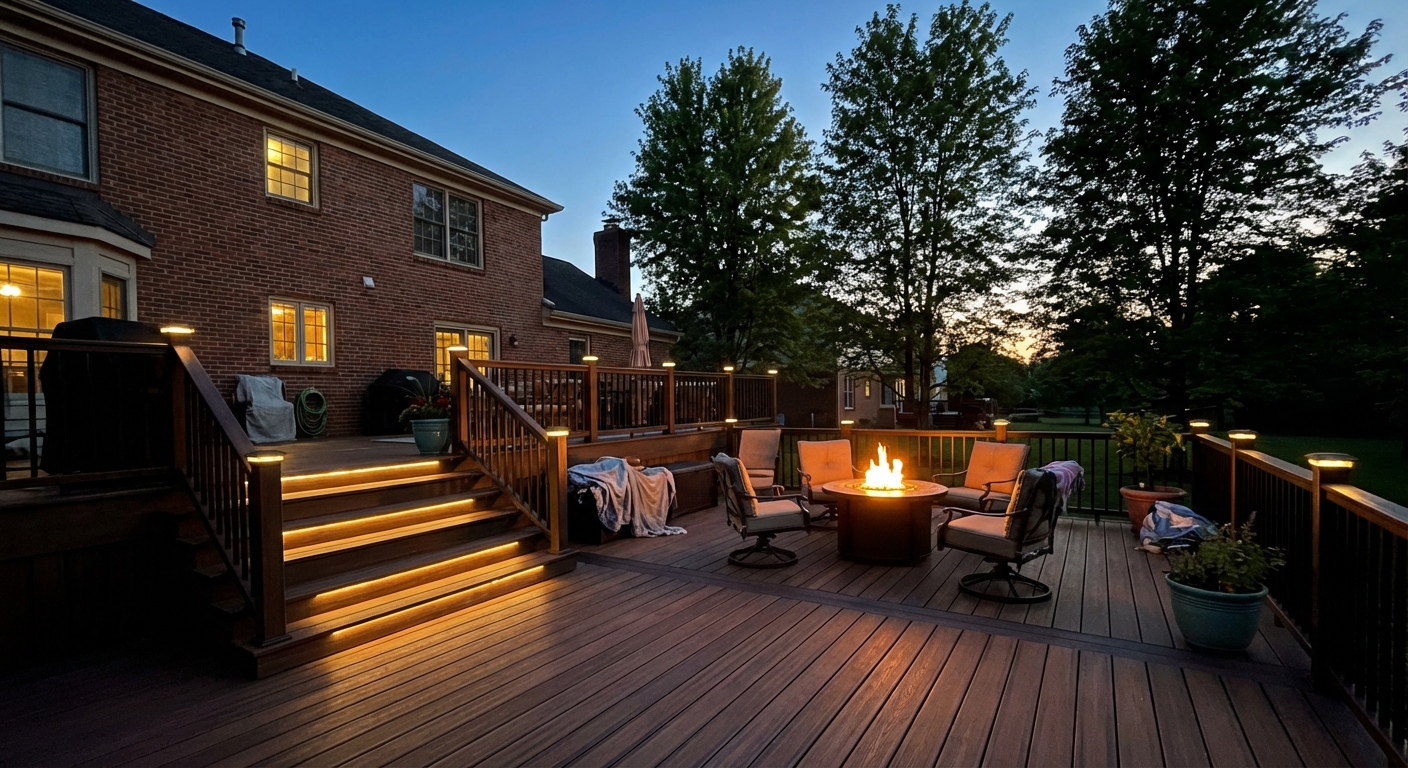
Want to transform your Ohio backyard with a stunning new deck? This guide provides inspiration and practical information to help you design the perfect outdoor space tailored to Ohio’s climate and regional nuances. We'll cover everything from material choices to permitting requirements, ensuring your deck project is a success.
Understanding Ohio's Deck Building Landscape
Looking for more regional information? Check out our Ohio State Decking Hub.
🏗️ Planning a deck project?
Get a free manual project review, or visualize your dream deck with AI before requesting quotes.
Building a deck in Ohio requires considering the state's unique climate, regional variations, and local building codes. Ohio enjoys four distinct seasons, including hot, humid summers and cold, snowy winters. This impacts material choices and construction techniques.
<!-- slot:after-intro -->
Ohio also benefits from affordable construction costs compared to coastal states, making your deck project more budget-friendly. Expect to pay around $22-40 per square foot for a pressure-treated wood deck, $40-70 per square foot for composite, $30-50 per square foot for cedar, and $45-75 per square foot for Trex, all installed.
Here's a cost comparison table:
| Material | Cost per SqFt (Installed) | Pros | Cons |
|-------------------|---------------------------|-----------------------------------------------------------------------------------------------------|---------------------------------------------------------------------------------------------------------------------------------|
| Pressure-Treated | $22-$40 | Most affordable, readily available, can be stained or painted. | Requires regular maintenance (staining/sealing), susceptible to rot and insects if not properly treated. |
| Composite | $40-$70 | Low maintenance, durable, resists rot and insects, available in various colors and textures. | Higher upfront cost, can get hot in direct sunlight, some brands may fade over time. |
| Cedar | $30-$50 | Naturally beautiful, insect-resistant, durable, weathers well. | Requires regular sealing to prevent weathering and maintain color, can be more expensive than pressure-treated. |
| Trex (Composite) | $45-$75 | Premium composite material, very low maintenance, long lifespan, resists fading, staining, and scratches. | Highest upfront cost, can be more difficult to work with than wood, some styles may not have the same natural look as wood. |
Regional Considerations Across Ohio
Ohio's diverse regions each present unique challenges and opportunities for deck design:
- Columbus Metro: As the fastest-growing metro area, Columbus sees plenty of new construction, especially in suburbs like Dublin, Westerville, Powell, and Grove City. Many of these areas have Homeowners Associations (HOAs) that require design approval, so be sure to check their guidelines before starting your project.
- Cleveland/NE Ohio: Lake-effect snow and moisture are major concerns in Northeast Ohio. Composite decking is highly recommended to withstand the harsh weather. Proper waterproofing is essential to prevent water damage. Consider designs that allow for snow removal.
- Cincinnati/SW Ohio: Cincinnati's hilly terrain often calls for multi-level decks and retaining walls. Maximize Ohio River views with strategic deck placement. Termite pressure is higher in this region, so consider termite-resistant materials and treatments.
- Dayton/Miami Valley: With a strong DIY culture and affordable housing market, Dayton homeowners may opt for simpler deck designs and self-installation. Focus on cost-effective materials and readily available resources.
- Toledo/NW Ohio: Northwest Ohio experiences a lake-effect climate similar to Cleveland but generally milder. Affordable builds are common. Composite or treated lumber are both good choices.
- Akron/Canton: These areas are experiencing suburban growth with moderate building costs and good contractor availability. You'll find a mix of traditional and modern deck designs.
Deck Design Ideas for Ohio Homes
Here are some design ideas tailored to Ohio properties:
1. The Entertaining Oasis
Perfect for families and those who love to host, this design incorporates ample seating, a built-in grill area, and potentially an outdoor kitchen. Consider adding a pergola or awning for shade during those hot Ohio summers.
- Features: Built-in benches, outdoor kitchen, pergola, string lights, fire pit (with proper clearance).
- Best For: Columbus suburbs, Cincinnati homes with river views.
2. The Low-Maintenance Retreat
Ideal for busy homeowners who want to enjoy their outdoor space without constant upkeep. Composite decking, minimal landscaping, and durable furniture are key.
- Features: Composite decking (Trex, TimberTech), minimal railings, weather-resistant furniture, potted plants.
- Best For: Cleveland/NE Ohio, those seeking long-term value.
3. The Multi-Level Masterpiece
Great for properties with uneven terrain or those seeking to maximize views. Multi-level decks create distinct zones for dining, lounging, and recreation.
- Features: Staircases, landings, built-in planters, retaining walls (if needed), varied decking materials.
- Best For: Cincinnati hilltops, properties with sloped yards.
4. The Screened-In Sanctuary
Extend your outdoor season and protect yourself from bugs with a screened-in porch or a combination screened porch and deck. This is especially useful in Ohio's humid summers.
- Features: Screened walls, roof or pergola, comfortable seating, ceiling fan, outdoor lighting.
- Best For: All regions of Ohio, especially those with mosquito problems.
Consider reading Screened Porch and Deck Combos in Ohio: Extended Season Living for more ideas.
5. The Poolside Paradise
If you have a pool, design your deck to complement the water feature. Focus on slip-resistant materials, ample seating for sunbathing, and a designated area for grilling and dining.
- Features: Slip-resistant decking, lounge chairs, shade umbrellas, outdoor shower, storage for pool equipment.
- Best For: Homes with pools in any Ohio region. Check out Pool Deck Ideas for Ohio Backyards: Materials & Designs for more.
6. The Modern Minimalist
Clean lines, simple materials, and a focus on functionality define this design. Use neutral colors and incorporate built-in seating for a sleek, contemporary look.
- Features: Composite decking in gray or brown tones, stainless steel railings, minimalist furniture, geometric planters.
- Best For: Modern homes in Columbus, Cleveland, or Cincinnati.
7. The Rustic Charm
Embrace natural materials like cedar or redwood to create a warm and inviting outdoor space. Add rustic furniture, string lights, and potted plants for a cozy feel.
- Features: Cedar decking, wooden railings, rustic furniture, string lights, potted herbs and flowers.
- Best For: Homes in Dayton, Toledo, or Akron with a more traditional aesthetic.
<!-- slot:mid-content -->
Material Selection for Ohio's Climate
Choosing the right decking material is crucial for longevity and performance in Ohio's climate:
- Pressure-Treated Lumber: The most affordable option, but requires regular maintenance (staining/sealing) to prevent rot and insect damage.
- Cedar: A naturally beautiful and durable wood that is resistant to insects and decay. Requires regular sealing.
- Composite Decking: A low-maintenance alternative to wood that resists rot, insects, and fading. Can be more expensive upfront. Popular brands include Trex, TimberTech, and Fiberon.
- PVC Decking: Similar to composite, but made entirely of plastic. Very durable and low-maintenance, but can be more expensive than composite.
Permitting and Regulations in Ohio
Most Ohio cities require permits for decks over 30 inches above grade or attached to the dwelling. The Ohio Residential Code (based on the International Residential Code) governs deck construction. The frost line depth is 32 inches in most of Ohio, but 36 inches in Northeast Ohio near Lake Erie.
Permit costs typically range from $75 to $400, depending on the municipality. Contact your local building department to obtain the necessary permits and ensure your deck complies with all regulations.
HOA Considerations
If you live in a community with a Homeowners Association (HOA), especially common in suburban Columbus (Dublin, Westerville, Powell) and Cleveland suburbs (Solon, Hudson, Avon), you'll need to submit your deck design for approval before starting construction. Be sure to review the HOA's guidelines and restrictions regarding materials, colors, and size.
Timing Your Deck Build
The best months to build a deck in Ohio are April-June and September-October. Avoid the summer heat and humidity, as well as the winter frost and snow. Building during these months allows for optimal working conditions and ensures the project is completed before the harsh weather arrives.
Use PaperPlan (paperplan.app) to visualize your deck with PaperPlan design with different materials and layouts before committing to a contractor. This can save you time and money by helping you make informed decisions about your project.
Protecting Your Investment: Maintenance Tips
Regardless of the material you choose, regular maintenance is essential to prolong the life of your deck. Clean your deck regularly to remove dirt and debris, and apply a sealant or stain every few years to protect it from the elements. For wood decks, inspect for signs of rot or insect damage and address any issues promptly. Consider reading Deck Staining Tips for Ohio Weather: Timing & Products and Ohio Deck Maintenance by Season: Year-Round Care Guide for more in-depth advice. Also check out Protecting Your Ohio Deck from Snow and Ice Damage
<!-- slot:before-faq -->
Finding the Right Deck Builder
Choosing the right deck builder is essential for a successful project. Look for a contractor with experience building decks in Ohio, a solid reputation, and proper licensing and insurance. Get multiple quotes and compare their prices, services, and warranties. You can also find local deck builders through online directories and review sites. Check out Best Deck Builders in Toledo, OH: Northwest Ohio Guide or Best Deck Builders in Akron, OH: Summit County Guide or Best Deck Builders in Canton, OH: Stark County Guide for local recommendations. If you are considering a DIY approach, make sure to read How to Build a Deck in Ohio: DIY Guide with Local Rules.
<!-- slot:end -->
🎨 Not sure which material to pick?
Upload a photo of your backyard and see exactly how Trex, TimberTech, or cedar would look — free and instant.
Frequently Asked Questions
What is the average lifespan of a deck in Ohio?
The lifespan of a deck in Ohio depends on the material used and the level of maintenance it receives. Pressure-treated wood decks typically last 10-15 years, while cedar decks can last 15-20 years. Composite decks can last 25-30 years or more with proper care.
How often should I stain or seal my wood deck?
You should stain or seal your wood deck every 1-3 years, depending on the type of wood and the exposure to the elements. Look for signs of weathering, such as fading, cracking, or splintering, as indicators that it's time to reapply a sealant or stain.
Is composite decking worth the investment in Ohio?
Yes, composite decking is often worth the investment in Ohio, especially in areas with harsh winters or high humidity. While it has a higher upfront cost, composite decking requires minimal maintenance and can last significantly longer than wood decks, saving you money and time in the long run.
What are the common mistakes to avoid when building a deck in Ohio?
Common mistakes include failing to obtain the necessary permits, not accounting for the frost line depth, using improper fasteners, and neglecting to properly seal or stain the deck. Always consult with a qualified professional to ensure your deck is built safely and according to code.
How can I prevent termites from damaging my deck in southern Ohio?
To prevent termite damage, use termite-resistant materials like cedar or treated lumber. Ensure proper drainage around the deck to prevent moisture buildup, and consider applying a termite treatment to the soil around the deck's foundation. Regularly inspect the deck for signs of termite activity, such as mud tubes or wood damage.
📋 Planning a deck project?
Get a free manual project review from our team — no obligation, no spam.
Get Free Project Review →Upload a backyard photo and preview real decking materials with AI — free, instant, no sign-up.
Permits, costs, material comparisons, and questions to ask before requesting quotes — delivered to your inbox.