
How to Build a Deck in Ohio: DIY Guide with Local Rules
Planning a DIY deck build in Ohio? This guide covers Ohio-specific codes, costs, materials, and tips for success across the Buckeye State.
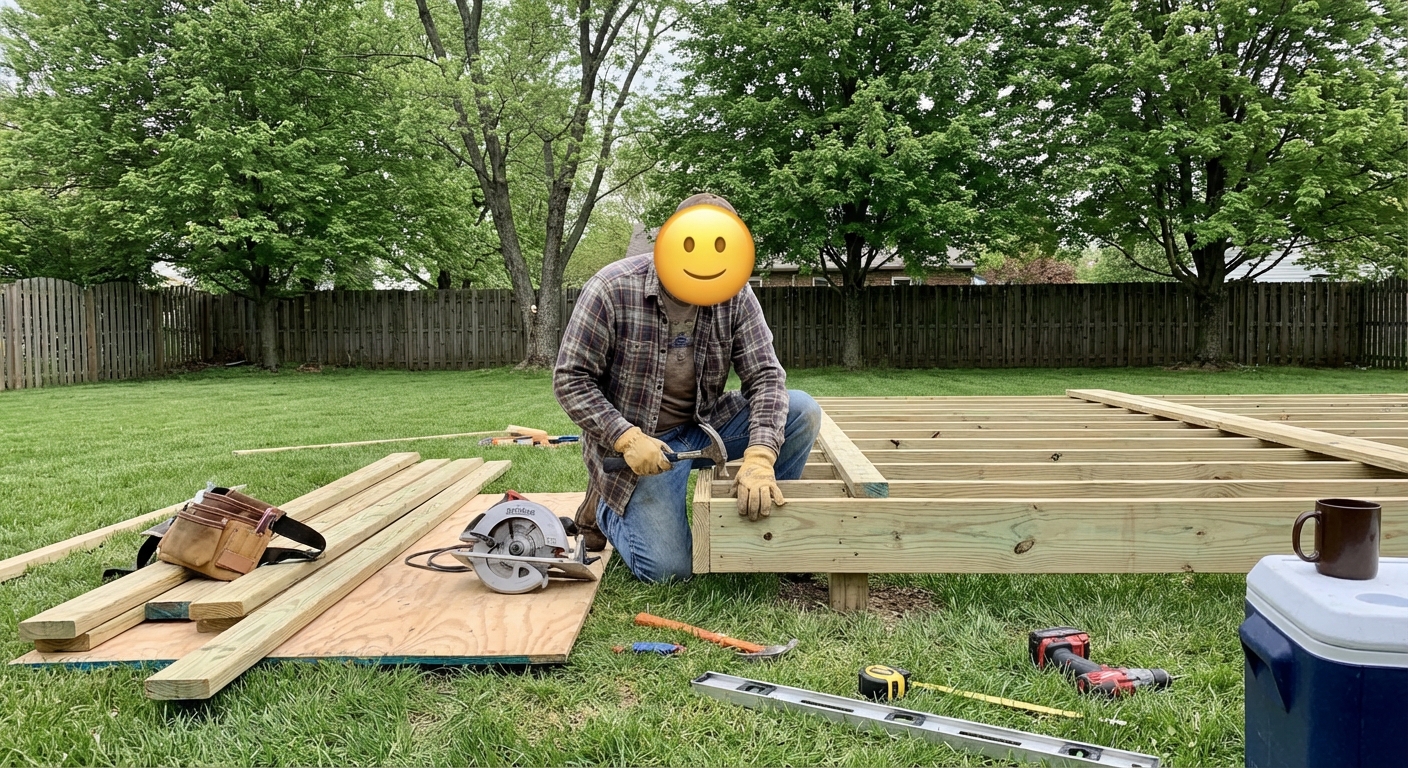
Building a deck yourself in Ohio can be a rewarding project, adding value and outdoor living space to your home. But before you grab your hammer, it's crucial to understand Ohio's specific building codes, climate considerations, and typical costs. This guide will walk you through the process, from planning to completion, ensuring your deck is safe, durable, and meets all local regulations.
📐 Tool Alert: Deck Stair Calculator
Calculate rise, run, and stringer cuts while ensuring IRC/OBC code compliance.
Calculate Stairs →Planning Your Ohio Deck Project
Looking for more regional information? Check out our Ohio State Decking Hub.
🏗️ Planning a deck project?
Get a free manual project review, or visualize your dream deck with AI before requesting quotes.
The first step is careful planning. Consider the size, location, and materials for your deck. Think about how you'll use the space – for entertaining, relaxing, or dining. This will influence the deck's design and required features.
Design Considerations for Ohio Climates
Ohio experiences hot, humid summers and cold, snowy winters. This means your deck needs to withstand temperature fluctuations, moisture, and potential ice damage. In Northeast Ohio (Cleveland area), lake-effect snow can be significant, with average snowfall exceeding 60 inches. Proper drainage and durable materials are essential.
- Size and Shape: Choose a size that complements your home and yard. Consider multi-level designs if your property has a slope, especially common in the Cincinnati area.
- Location: Consider sunlight exposure, prevailing winds, and proximity to trees. Remember that falling leaves can clog drainage systems.
- Accessibility: Plan for easy access from your house and yard. Include stairs or ramps if necessary.
- Material Selection: This is crucial. Pressure-treated lumber is a budget-friendly option, but composite decking offers superior durability and low maintenance, especially important in areas with heavy snow like Cleveland and Toledo. Cedar provides a natural wood look with decent weather resistance.
Use PaperPlan (paperplan.app) to visualize your deck with PaperPlan design with different materials and layouts before committing to a contractor or purchasing materials. Seeing your ideas in 3D can help you make informed decisions.
Permits and Regulations in Ohio
Most Ohio cities require permits for decks that are more than 30 inches above grade or attached to a dwelling. Contact your local building department to understand specific requirements. The Ohio Residential Code (based on the IRC) is the standard, but municipalities enforce it.
- Building Department: Your city or county building department is your first stop. Check their website or call them for permit applications, inspection schedules, and code information.
- Homeowners Associations (HOAs): If you live in a community with an HOA, especially common in suburban Columbus (Dublin, Westerville, Powell) and Cleveland suburbs (Solon, Hudson, Avon), you'll likely need their approval before starting your project. Check their guidelines for deck size, materials, and design restrictions.
- Typical Permit Costs: Expect to pay between $75 and $400 for a deck permit in Ohio, depending on the municipality.
<!-- slot:after-intro -->
Choosing the Right Materials for Your Ohio Deck
Material selection impacts the cost, longevity, and maintenance of your deck. Here's a breakdown of common options and their suitability for Ohio's climate:
| Material | Cost (Installed per sqft) | Pros | Cons | Best For |
| ------------------ | -------------------------- | ----------------------------------------------------------------------------------------- | ----------------------------------------------------------------------------------------------------- | ----------------------------------------------------------------------------- |
| Pressure-Treated | $22 - $40 | Affordable, readily available, resists rot and insects | Can warp, crack, and require regular staining/sealing. Less visually appealing than other options. | Budget-conscious homeowners, simple designs. |
| Composite | $40 - $70 | Low maintenance, durable, resists fading and staining, available in various colors/textures | More expensive upfront, can get hot in direct sunlight. | Homeowners seeking long-term value, minimal upkeep, and modern aesthetics. |
| Cedar | $30 - $50 | Natural beauty, resists rot and insects, less prone to splintering than pressure-treated | Requires regular sealing to maintain its appearance and prevent weathering. More expensive than PT. | Homeowners who appreciate natural wood and are willing to perform maintenance. |
| Trex (Composite) | $45 - $75 | Premium composite, excellent durability, fade and stain resistance, wide range of options | Higher upfront cost. | Homeowners seeking top-of-the-line composite decking. |
- Pressure-Treated Lumber: The most affordable option, pressure-treated lumber is chemically treated to resist rot and insect infestation. It's a good choice for the frame of your deck, regardless of the decking material.
- Composite Decking: Made from recycled plastic and wood fibers, composite decking is a low-maintenance alternative to wood. It resists fading, staining, and splintering, making it ideal for Ohio's variable climate, especially near Lake Erie where moisture is prevalent.
- Cedar Decking: Cedar is a naturally beautiful and durable wood that resists rot and insects. It requires regular sealing to maintain its appearance.
Addressing Termite Pressure in Ohio
While not as severe as in some southern states, Ohio does have termite pressure, particularly in the southern regions like Cincinnati and Dayton. When building your deck, take these precautions:
- Use pressure-treated lumber for the substructure.
- Ensure proper drainage to prevent moisture buildup, which attracts termites.
- Keep wood debris away from the deck and foundation of your house.
- Consider professional termite treatment before construction, especially if you've had termite problems in the past.
Step-by-Step Guide to Building Your Deck
This is a general overview. Always consult local building codes and follow manufacturer instructions for specific materials.
1. Layout and Excavation: Mark the perimeter of your deck and excavate for footings. Remember the frost line: 32 inches deep in most of Ohio, 36 inches in NE Ohio near Lake Erie.
2. Footings and Posts: Pour concrete footings and install posts. Ensure the posts are plumb and properly spaced.
3. Beam Installation: Attach beams to the posts, creating the main support structure for your deck.
4. Joist Installation: Install joists perpendicular to the beams, providing support for the decking. Space them according to the decking material manufacturer's recommendations (typically 12-16 inches on center).
5. Decking Installation: Install the decking boards, leaving small gaps for expansion and contraction. Use appropriate fasteners for your chosen decking material.
6. Railing Installation: Install railings and balusters to meet safety codes. Railings are typically required for decks more than 30 inches above grade.
7. Stairs Installation (if applicable): Build and install stairs, ensuring they meet code requirements for rise and run.
8. Finishing Touches: Add trim, fascia, and any desired accessories.
Ohio-Specific Tips for Success
- Weather Protection: Invest in high-quality flashing to protect the ledger board where the deck attaches to your house. This is crucial to prevent water damage.
- Drainage: Ensure proper drainage to prevent water from pooling on the deck surface. Consider adding a slight slope to the deck for water runoff.
- Fasteners: Use corrosion-resistant fasteners, especially in areas with harsh winters or near Lake Erie.
- Timing: The best months to build a deck in Ohio are April-June and September-October. This avoids the extreme summer heat and winter frost.
<!-- slot:mid-content -->
Cost Breakdown for an Ohio Deck Project
Here's a general estimate of the costs involved in building a deck in Ohio. These are averages and can vary based on location, materials, and contractor fees (if you choose not to DIY).
| Item | Cost | Notes |
| --------------------- | ----------------------------------------- | ---------------------------------------------------------------------------------------------------------------------- |
| Lumber/Decking | $8 - $25+ per linear foot | Varies significantly based on material (pressure-treated, composite, cedar). |
| Footings/Concrete | $50 - $150 per footing | Includes concrete, forms, and rebar. |
| Fasteners/Hardware | $50 - $200 | Depending on the size of the deck and the type of fasteners used. |
| Railing | $20 - $50+ per linear foot | Varies based on material (wood, composite, metal) and design. |
| Permit Fees | $75 - $400 | Varies by municipality. |
| Tools/Equipment Rental | $50 - $200+ | If you don't own necessary tools like a saw, drill, and level. |
| Labor (if applicable) | $30 - $60+ per hour | Professional deck builders charge hourly rates. |
Keep in mind that these are just estimates. Obtain quotes from local suppliers and contractors to get a more accurate cost for your specific project. Remember that Ohio generally has affordable construction costs compared to coastal states. The Dayton/Miami Valley region is particularly known for affordable housing and construction.
Finding Reliable Contractors in Ohio
If you decide to hire a professional deck builder, here's how to find a reputable one:
- Get Referrals: Ask friends, family, and neighbors for recommendations.
- Check Online Reviews: Look for contractors on platforms like Google, Yelp, and the Better Business Bureau.
- Verify Licensing and Insurance: Ensure the contractor is licensed and insured to work in your area.
- Get Multiple Quotes: Obtain quotes from at least three contractors before making a decision.
- Review Their Portfolio: Ask to see examples of their previous work.
Consider searching for local deck builders, such as in Best Deck Builders in Toledo, OH: Northwest Ohio Guide or Best Deck Builders in Akron, OH: Summit County Guide, to get started.
<!-- slot:before-faq -->
🎨 Not sure which material to pick?
Upload a photo of your backyard and see exactly how Trex, TimberTech, or cedar would look — free and instant.
Frequently Asked Questions
Do I need a permit to build a deck in Ohio?
Yes, most Ohio cities require a permit for decks that are more than 30 inches above grade or attached to a dwelling. Contact your local building department for specific requirements.
How deep should my deck footings be in Ohio?
Your deck footings should be at least 32 inches deep in most of Ohio to be below the frost line. In Northeast Ohio near Lake Erie, footings should be 36 inches deep.
What's the best material for a deck in Ohio's climate?
Composite decking is generally considered the best material for Ohio's climate due to its durability and low maintenance. However, pressure-treated lumber and cedar are also viable options with proper maintenance.
How much does it cost to build a deck in Ohio?
The cost to build a deck in Ohio ranges from $22-$40 per square foot for pressure-treated lumber, $40-$70 per square foot for composite decking, and $30-$50 per square foot for cedar, installed.
How can I protect my Ohio deck from snow and ice damage?
Regularly remove snow and ice from your deck to prevent damage. Use a plastic shovel to avoid scratching the surface. Consider applying a sealant to protect the wood from moisture. See also: Protecting Your Ohio Deck from Snow and Ice Damage.
<!-- slot:end -->
Building a deck in Ohio requires careful planning and attention to local regulations and climate considerations. By following this guide, you can create a beautiful and durable outdoor space that will enhance your home for years to come. Remember to check out related articles like Deck Design Ideas for Ohio Homes: Inspiration for 2026 and Deck Staining Tips for Ohio Weather: Timing & Products for more helpful information.
📋 Planning a deck project?
Get a free manual project review from our team — no obligation, no spam.
Get Free Project Review →Upload a backyard photo and preview real decking materials with AI — free, instant, no sign-up.
Permits, costs, material comparisons, and questions to ask before requesting quotes — delivered to your inbox.