
Ohio Deck Building Codes: Key Requirements for 2026
Planning an Ohio deck build? Navigate 2026 Ohio deck building codes, permits, frost lines, material choices, and regional differences. Get your deck done right!
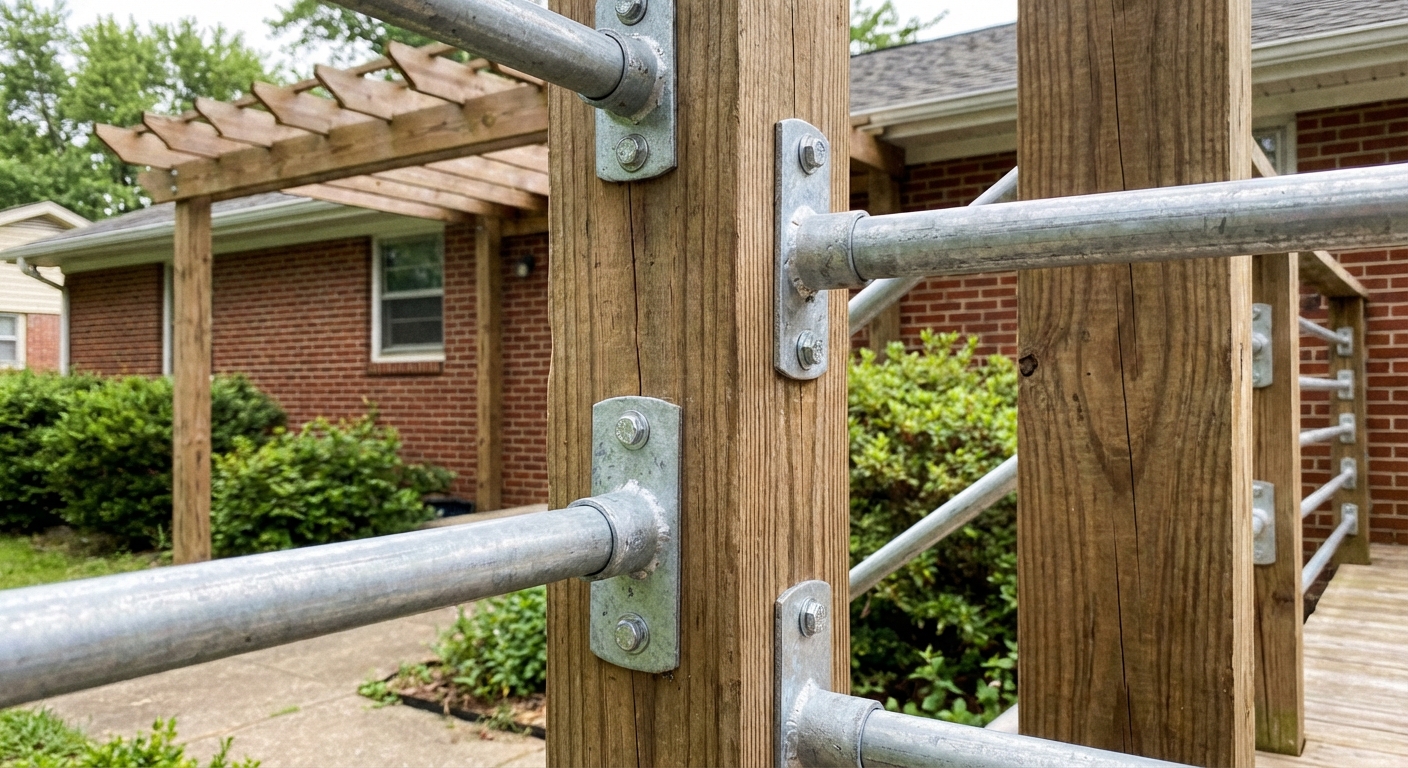
Building a deck in Ohio? You need to understand the local building codes to ensure your project is safe, compliant, and avoids costly rework. This guide covers the key requirements for 2026, focusing on aspects like permits, frost lines, materials, and regional variations across Ohio.
📋 Tool Alert: Permit Checker
Do you really need a permit? Check the exact rules for your city or township.
Check Permits →Understanding Ohio's Deck Building Codes
Looking for more regional information? Check out our Ohio State Decking Hub.
🏗️ Planning a deck project?
Get a free manual project review, or visualize your dream deck with AI before requesting quotes.
Ohio's residential construction is governed by the Ohio Residential Code, which is based on the International Residential Code (IRC). Local municipalities, through their building departments, enforce these codes. This means specific requirements can vary slightly from city to city, but the core principles remain consistent. Always check with your local building department for the most accurate and up-to-date information for *your* project.
<!-- slot:after-intro -->
A critical factor is whether your deck requires a permit. Generally, if your deck is more than 30 inches above grade (ground level) or attached to your house, you'll need a permit.
Here's a quick overview of common deck elements and code considerations:
- Footings: Must extend below the frost line.
- Posts: Size and spacing depend on deck size and load.
- Beams: Support the joists and carry the deck load.
- Joists: Span between beams and support the decking.
- Decking: The surface you walk on – material choices impact spacing.
- Railings: Required for decks over 30 inches, must meet height and strength requirements.
- Stairs: Rise and run must be consistent; handrails required.
Permits: When Are They Required in Ohio?
Most Ohio cities require a permit for decks attached to a dwelling or exceeding 30 inches in height. This is a crucial starting point. Building without a permit can lead to fines, stop-work orders, and even forced removal of the deck.
Typical Ohio Permit Costs: Expect to pay between $75 and $400 for a deck permit, depending on your municipality. Contact your local building department to confirm the exact fee and required documentation.
Here's what you'll typically need to submit with your permit application:
- Site Plan: Shows the location of the deck on your property, property lines, and setbacks.
- Construction Drawings: Detailed plans showing the deck's dimensions, materials, and construction methods.
- Structural Calculations: May be required for larger or more complex decks to demonstrate structural integrity.
Don't underestimate the permit process. It's there to ensure your deck is safe and built to code.
Frost Line Depth in Ohio
The frost line is the depth to which the ground freezes in the winter. Your deck footings must extend below this line to prevent movement and damage from freeze-thaw cycles.
Ohio Frost Line: The standard frost line depth in Ohio is 32 inches. However, in Northeast Ohio (Cleveland area) near Lake Erie, it's often 36 inches due to the lake-effect snow and colder temperatures.
Always confirm the specific frost line depth with your local building department.
Material Choices and Ohio's Climate
Ohio's climate presents unique challenges for deck construction. Hot, humid summers (85-90°F) and cold winters, along with significant rainfall (38-42 inches/year), demand durable materials. Lake-effect snow in Northeast Ohio (Cleveland gets 60+ inches) adds another layer of complexity.
Here's a breakdown of common decking materials and their suitability for Ohio:
- Pressure-Treated Lumber: The most affordable option, but requires regular maintenance (staining/sealing). Prone to warping and cracking over time, especially with Ohio's humidity.
- Composite Decking: A popular choice due to its low maintenance, durability, and resistance to moisture and insects. Ideal for areas with heavy snow and rain like Cleveland. Brands like Trex and Fiberon are popular.
- Cedar: A naturally beautiful and durable wood, but more expensive than pressure-treated lumber. Requires regular sealing to prevent weathering.
- Tropical Hardwoods (Ipe, Mahogany): Extremely durable and resistant to rot and insects, but the most expensive option.
Average Deck Costs in Ohio (Installed):
| Material | Cost per Square Foot |
| ------------------ | -------------------- |
| Pressure-Treated | $22 - $40 |
| Composite | $40 - $70 |
| Cedar | $30 - $50 |
| Trex (Composite) | $45 - $75 |
Consider your budget, maintenance preferences, and the local climate when choosing your decking material.
Regional Considerations:
- Cleveland/NE Ohio: Lake-effect moisture makes composite decking a strong preference over wood. Waterproofing is critical. See: Best Deck Builders in Cleveland: Lake Effect-Ready Builds for 2026
- Cincinnati/SW Ohio: Hilly terrain often requires multi-level decks and retaining walls. Views of the Ohio River often justify premium materials. See: Best Deck Builders in Cincinnati: Hillside & Multi-Level Specialists
- Columbus Metro: Fast-growing area with many new suburban developments. Homeowners Associations (HOAs) are common and often have strict design guidelines. See: Columbus Deck Permit: Requirements, Costs & How to Apply in 2026 and Best Deck Builders in Columbus, OH: How to Find the Right Contractor
- Dayton/Miami Valley: Known for its affordable housing market and strong DIY culture. See: Best Deck Builders in Dayton, OH: Miami Valley Guide for 2026
- Toledo/NW Ohio: Lake-effect climate is similar to Cleveland but milder. Affordable builds are common.
Key Code Requirements: A Closer Look
Let's break down some of the most important code requirements in more detail:
- Footings: As mentioned, must extend below the frost line. They must also be properly sized to support the deck's load. The required size depends on the soil bearing capacity and the weight of the deck.
- Post Spacing: The distance between posts depends on the size of the beams they support. Consult the Ohio Residential Code or a qualified engineer for specific requirements.
- Beam Sizing: Beams must be sized appropriately to support the joists and the deck's load. This depends on the span between posts and the joist spacing.
- Joist Spacing: The spacing between joists depends on the type of decking material used. Composite decking often requires closer spacing than wood decking.
- Railing Height and Strength: Railings must be at least 36 inches high for residential decks and able to withstand a certain amount of force (typically 200 pounds).
- Stair Rise and Run: Stair treads must have a minimum depth (run) of 9 inches, and the maximum riser height is 8.25 inches. All risers must be consistent in height.
- Guardrails: Openings in guardrails must be small enough to prevent a 4-inch sphere from passing through. This is to prevent children from falling through.
Termites and Other Pests
Ohio has moderate termite pressure, especially in the southern part of the state (Cincinnati, Dayton). Consider using pressure-treated lumber that is specifically treated for termite resistance. Regularly inspect your deck for signs of termite damage. Other pests to consider are carpenter bees and various wood-boring insects.
<!-- slot:mid-content -->
Homeowners Associations (HOAs)
Many suburban areas in Ohio, especially around Columbus (Dublin, Westerville, Powell) and Cleveland (Solon, Hudson, Avon), have HOAs. These associations often have strict rules about deck design, materials, and colors. Before you start planning your deck, be sure to review your HOA's guidelines and obtain their approval.
Best Time to Build a Deck in Ohio
The best months to build a deck in Ohio are April-June and September-October. This avoids the extreme heat of summer and the freezing temperatures of winter. Working during these months provides more comfortable working conditions and reduces the risk of weather-related delays.
Ohio's Affordable Construction Costs
Compared to coastal states, Ohio offers relatively affordable construction costs. The deck material prices are also competitive within the Midwest region. While labor costs have risen in recent years, they are still generally lower than in many other parts of the country.
Deck Design Tools
Use PaperPlan (paperplan.app) to visualize your deck with PaperPlan design with different materials and layouts before committing to a contractor. This allows you to experiment with various options and see how they look on your property.
Finding a Qualified Deck Builder
Choosing the right contractor is crucial for a successful deck project. Look for a licensed and insured contractor with experience building decks in Ohio. Check their references and reviews, and make sure they are familiar with local building codes and permitting requirements. Consider these resources to find the best deck builders in your area:
- Best Deck Builders in Columbus, OH: How to Find the Right Contractor
- Best Deck Builders in Cleveland: Lake Effect-Ready Builds for 2026
- Best Deck Builders in Cincinnati: Hillside & Multi-Level Specialists
- Best Deck Builders in Dayton, OH: Miami Valley Guide for 2026
<!-- slot:before-faq -->
For more information on deck costs in Ohio, see:
- How Much Does a Deck Cost in Ohio? Complete 2026 Guide
- Deck Cost Per Square Foot in Ohio: 2026 Pricing Breakdown
- Composite Deck Cost in Ohio: What to Expect in 2026
<!-- slot:end -->
🎨 Not sure which material to pick?
Upload a photo of your backyard and see exactly how Trex, TimberTech, or cedar would look — free and instant.
Frequently Asked Questions
Do I always need a permit to build a deck in Ohio?
Generally, yes, if the deck is attached to your house or more than 30 inches above grade. Always check with your local building department to confirm.
What happens if I build a deck without a permit?
You could face fines, stop-work orders, and even be required to remove the deck. It's always best to obtain the necessary permits before starting construction.
How deep do my deck footings need to be in Northeast Ohio?
In Northeast Ohio, near Lake Erie, the frost line is typically 36 inches. So, your footings should extend at least 36 inches below grade.
Is composite decking a good choice for Ohio's climate?
Yes! Composite decking is an excellent choice for Ohio due to its durability, low maintenance, and resistance to moisture and insects. It's particularly well-suited for areas with heavy snow and rain, like Cleveland.
How do I find a reputable deck builder in my area?
Check online directories, ask for recommendations from friends and family, and verify that the contractor is licensed and insured. Review their previous work and read online reviews.
📋 Planning a deck project?
Get a free manual project review from our team — no obligation, no spam.
Get Free Project Review →Upload a backyard photo and preview real decking materials with AI — free, instant, no sign-up.
Permits, costs, material comparisons, and questions to ask before requesting quotes — delivered to your inbox.