
Best Deck Builders in Cleveland: Lake Effect-Ready Builds for 2026
Find the best Cleveland deck builders for your project. Expert advice on materials, permits, and costs for lake-effect ready decks in 2026.
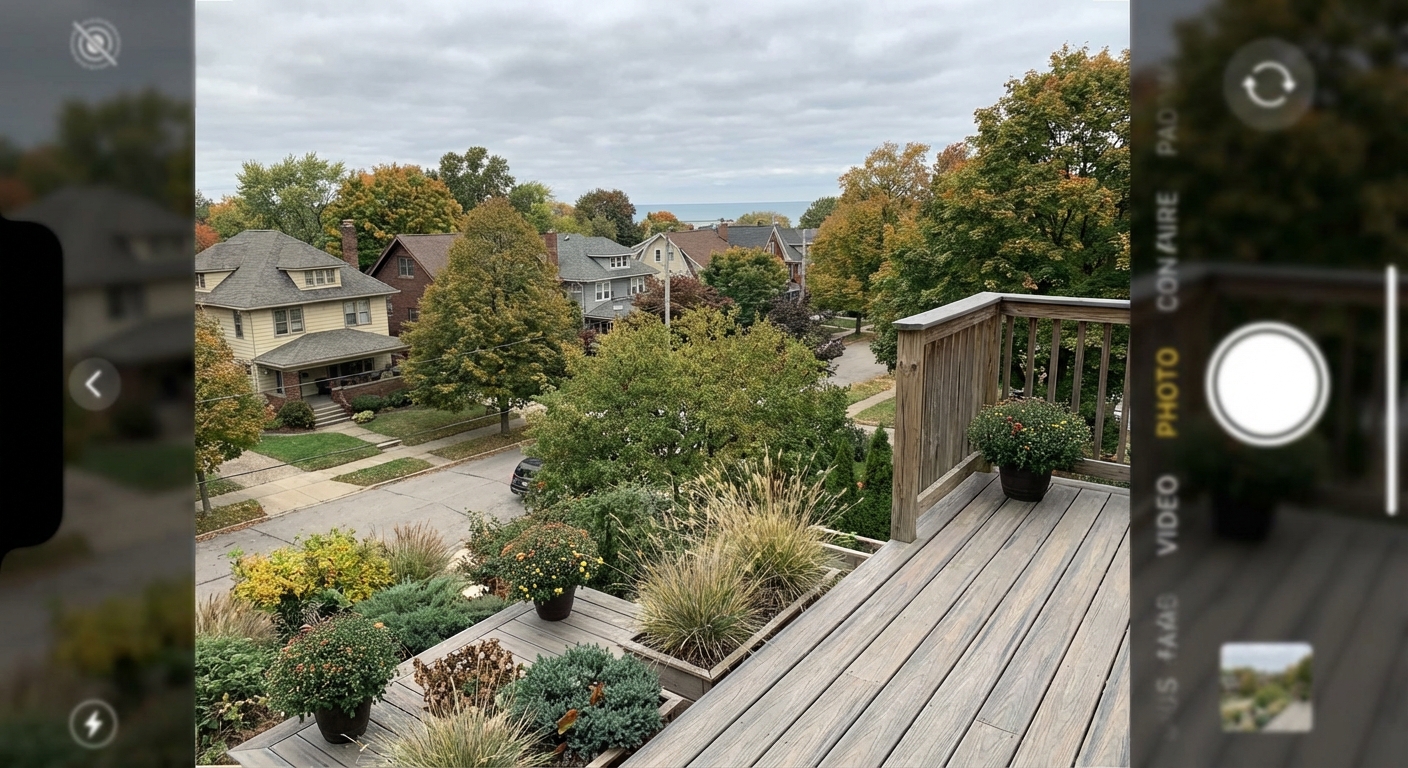
Are you looking to add a deck to your Cleveland home and need a reliable builder? Finding the right contractor who understands the unique challenges of the Northeast Ohio climate is crucial for a long-lasting and enjoyable outdoor space. This guide will help you navigate the process, from understanding local costs and permits to choosing the best materials for Cleveland's lake-effect weather.
Finding the Right Deck Builder in Cleveland
Looking for more regional information? Check out our Ohio State Decking Hub.
🏗️ Planning a deck project?
Get a free manual project review, or visualize your dream deck with AI before requesting quotes.
Cleveland's proximity to Lake Erie brings beautiful summers but also significant lake-effect snow and moisture. This means your deck needs to be built to withstand harsh conditions. Not all contractors have the experience to handle these specific challenges. Look for builders who are familiar with:
- Moisture Resistance: Proper sealing and drainage are critical to prevent rot and decay.
- Snow Load: Decks must be engineered to handle heavy snow accumulation.
- Material Selection: Choosing the right materials, like composite decking, is essential for longevity.
<!-- slot:after-intro -->
Understanding Deck Costs in Cleveland
Ohio boasts relatively affordable construction costs compared to coastal states. However, Cleveland's specific climate and building requirements can influence the final price. Here's a breakdown of typical deck costs in the Cleveland area:
| Material | Cost per Square Foot (Installed) | Notes |
| ---------------- | ------------------------------- | ------------------------------------------------------------------------------------------------------------------------------------------------------------------- |
| Pressure-Treated | $22 - $40 | Most affordable option, but requires regular maintenance and is susceptible to moisture damage. Not ideal for Cleveland's climate. |
| Cedar | $30 - $50 | Naturally rot-resistant and aesthetically pleasing, but more expensive than pressure-treated lumber and still requires some maintenance. |
| Composite | $40 - $70 | Low-maintenance, durable, and resistant to moisture and insects. Excellent choice for Cleveland's climate, despite the higher upfront cost. |
| Trex | $45 - $75 | A popular brand of composite decking known for its durability and wide range of colors and styles. One of the best options for resisting Cleveland's harsh winters. |
These prices are estimates and can vary depending on the complexity of your deck design, the size of the project, and the contractor you choose. More complex designs, like multi-level decks or those with custom railings, will naturally cost more.
Remember to get multiple quotes from different contractors to ensure you're getting a fair price.
Cleveland-Specific Considerations
Lake-Effect Weather and Material Choices
Cleveland's lake-effect snow and moisture demand durable, weather-resistant materials. While pressure-treated lumber might seem appealing due to its lower cost, it requires significant upkeep and is prone to rot and warping in Cleveland's climate. Composite decking, like Trex, is a far better long-term investment. It resists moisture, fading, and insect damage, minimizing maintenance and extending the life of your deck. Proper waterproofing and drainage are essential, regardless of the material you choose.
Permitting in Cleveland and Cuyahoga County
Before you start building, you'll likely need a permit from the City of Cleveland or your local Cuyahoga County municipality. Decks over 30 inches above grade or attached to your house typically require a permit.
Contact your local building department for specific requirements and application procedures. Common building departments include:
- City of Cleveland Building and Housing Department: Handles permits within the city limits.
- Cuyahoga County Building Department: Oversees permitting in unincorporated areas of the county and provides services to smaller municipalities.
Permit costs in Ohio typically range from $75 to $400, depending on the municipality and the complexity of the project. Failing to obtain a permit can result in fines and delays, so it's best to handle this upfront. Do You Need a Deck Permit in Ohio? City & Township Rules provides more detail on this.
Lot Sizes and Deck Design
Typical lot sizes in Cleveland vary depending on the neighborhood. Older neighborhoods like Ohio City and Tremont might have smaller lots, requiring creative deck designs that maximize space. Newer suburban developments in areas like Westlake and Strongsville often have larger lots, allowing for more expansive deck layouts. Consider how your deck will integrate with your yard and landscaping.
Neighborhood-Specific Styles
Consider the architectural style of your home and neighborhood when designing your deck. A modern deck might complement a contemporary home in downtown Cleveland, while a more traditional design might be suitable for a Victorian-era house in Lakewood. Drive around your neighborhood for inspiration!
Finding Qualified Deck Builders
Finding experienced and reputable deck builders in Cleveland requires research and due diligence. Here are some tips:
- Get Referrals: Ask friends, family, and neighbors for recommendations.
- Check Online Reviews: Look for builders with positive reviews on platforms like Google, Yelp, and Angie's List.
- Verify Licensing and Insurance: Ensure the builder is licensed and insured to protect yourself from liability.
- Request Multiple Quotes: Obtain quotes from at least three different builders to compare prices and services.
- Review Portfolios: Ask to see examples of their previous work to assess their quality and style.
- Check References: Contact previous clients to inquire about their experience with the builder.
Don't hesitate to ask potential builders specific questions about their experience with lake-effect weather, their approach to waterproofing, and their familiarity with local building codes.
<!-- slot:mid-content -->
Key Questions to Ask Potential Deck Builders
Before hiring a deck builder, ask these critical questions:
- Are you licensed and insured? (Always verify this information.)
- How many years of experience do you have building decks in Cleveland?
- Are you familiar with local building codes and permit requirements?
- Can you provide a detailed written estimate?
- What type of materials do you recommend for my project, and why?
- How will you address drainage and waterproofing to protect against moisture damage?
- Do you offer a warranty on your work?
- Can you provide references from previous clients?
- What is your project timeline?
- What is your process for handling unexpected issues or changes during the project?
Design and Planning Tips
Before contacting builders, spend some time planning your deck design. Consider:
- Size and Shape: How much space do you need, and what shape will best fit your yard?
- Materials: Choose materials that are durable, low-maintenance, and aesthetically pleasing.
- Features: Do you want built-in seating, railings, stairs, or a pergola?
- Budget: Determine your budget and prioritize features accordingly.
- Local Regulations: Be aware of any zoning restrictions or HOA requirements that may affect your design. Many HOAs in Cleveland suburbs like Solon, Hudson, and Avon require design approval.
Use PaperPlan (paperplan.app) to visualize your deck with PaperPlan design with different materials and layouts before committing to a contractor. This can help you communicate your vision effectively and avoid costly mistakes.
Best Times to Build in Cleveland
The best times to build a deck in Cleveland are during the shoulder seasons: April-June and September-October. These months offer milder temperatures and avoid the extreme heat of summer and the freezing temperatures of winter. Building during these times can also help you avoid scheduling conflicts with contractors who may be busier during peak season.
Building in the fall allows you to enjoy your new deck the following spring and summer. Ohio Deck Building Codes: Key Requirements for 2026 will help you understand seasonal considerations.
<!-- slot:before-faq -->
Staying Safe During Construction
Prioritize safety throughout the construction process. Ensure the builder follows all safety regulations and takes precautions to protect your property and family. Keep children and pets away from the construction site at all times. If you have any concerns about safety, address them with the builder immediately.
<!-- slot:end -->
🎨 Not sure which material to pick?
Upload a photo of your backyard and see exactly how Trex, TimberTech, or cedar would look — free and instant.
Frequently Asked Questions
What type of decking material is best for Cleveland's climate?
Composite decking, like Trex, is generally considered the best option for Cleveland's climate due to its durability, moisture resistance, and low maintenance requirements. While more expensive upfront, it will save you time and money in the long run by minimizing repairs and maintenance.
How do I find a reputable deck builder in Cleveland?
Start by getting referrals from friends and family, checking online reviews, verifying licenses and insurance, and requesting multiple quotes. Don't hesitate to ask potential builders detailed questions about their experience and qualifications. Best Deck Builders in Columbus, OH: How to Find the Right Contractor contains tips that apply to Cleveland as well.
Do I need a permit to build a deck in Cleveland?
Yes, in most cases, you will need a permit to build a deck in Cleveland. Decks over 30 inches above grade or attached to your house typically require a permit. Contact your local building department for specific requirements.
How much does it cost to build a deck in Cleveland?
The cost of building a deck in Cleveland varies depending on the size, materials, and complexity of the project. Expect to pay between $22 and $75 per square foot installed, depending on the materials you choose. Pressure-treated lumber is the cheapest, while composite and Trex decking are more expensive. See How Much Does a Deck Cost in Ohio? Complete 2026 Guide for more details.
📋 Planning a deck project?
Get a free manual project review from our team — no obligation, no spam.
Get Free Project Review →Upload a backyard photo and preview real decking materials with AI — free, instant, no sign-up.
Permits, costs, material comparisons, and questions to ask before requesting quotes — delivered to your inbox.