
Best Deck Builders in Dayton, OH: Miami Valley Guide for 2026
Find the best deck builders in Dayton, OH for 2026. Compare costs, materials, permits, and local expertise for your dream deck project in the Miami Valley.
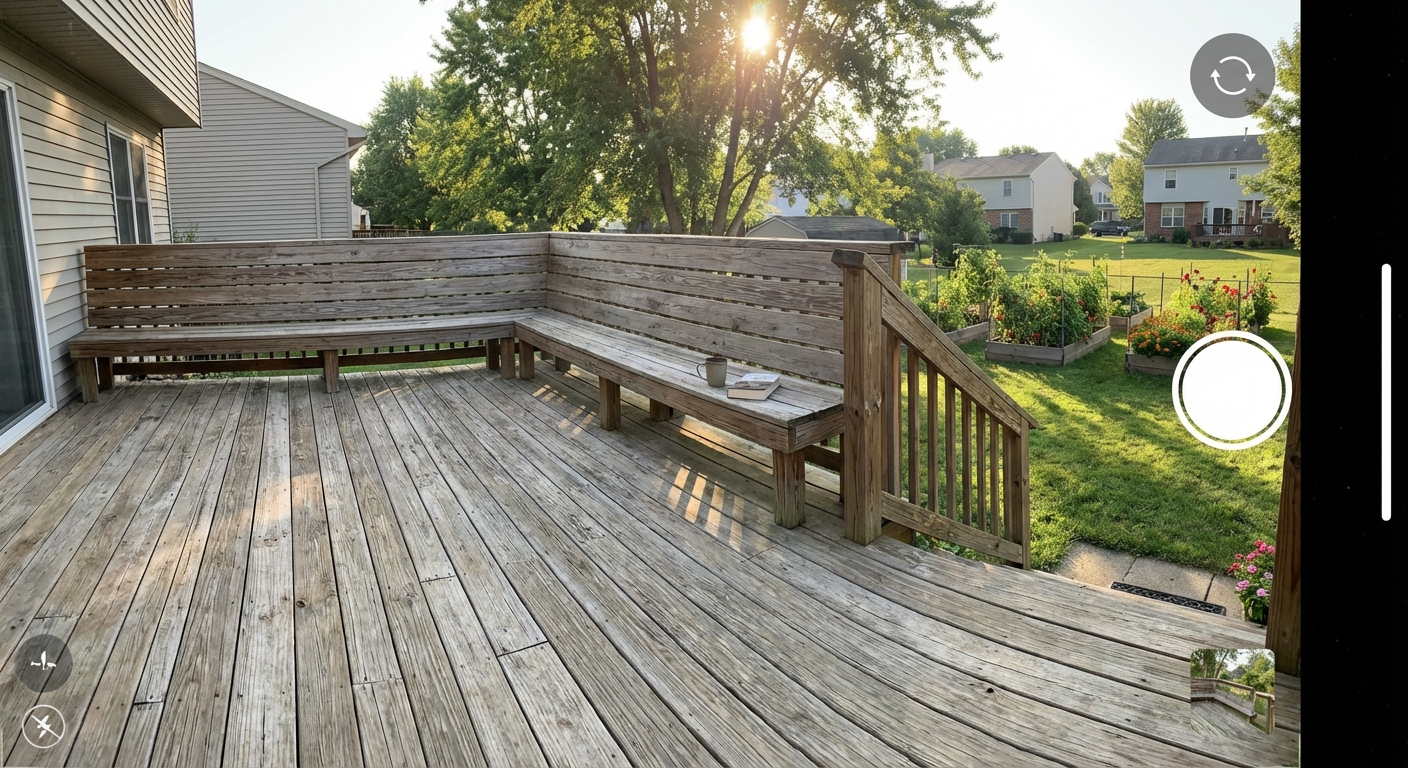
Dreaming of a new deck in your Dayton backyard but overwhelmed by finding the right contractor? You're not alone. This guide helps you navigate the Dayton deck-building scene, covering everything from material costs and permit requirements to finding reliable builders who understand the unique needs of the Miami Valley.
Understanding Dayton's Deck-Building Landscape
Looking for more regional information? Check out our Ohio State Decking Hub.
🏗️ Planning a deck project?
Get a free manual project review, or visualize your dream deck with AI before requesting quotes.
Dayton offers an affordable housing market and a strong DIY culture, making deck projects popular. However, ensuring your deck is safe, code-compliant, and built to last requires professional expertise. This guide helps you find that expertise. Remember that Ohio has generally affordable construction costs compared to coastal states.
Key Considerations for Dayton Decks
- Permits: Most decks over 30 inches above grade or attached to your house require a permit in Dayton. Contact the City of Dayton Department of Planning and Community Development to confirm specific requirements and fees.
- Climate: Dayton experiences hot, humid summers (reaching 85-90°F) and cold winters. Choose materials that can withstand these temperature swings.
- Lot Sizes: Dayton properties often have smaller to medium-sized lots. Consider how your deck design will integrate with your existing yard space.
- Neighborhoods: Deck styles and material preferences can vary by neighborhood. For example, historic districts like Oregon District may have stricter aesthetic guidelines. Suburbs like Kettering, Beavercreek, and Centerville tend to have more modern deck designs.
- Termites: Dayton has moderate termite pressure. Discuss preventative measures with your contractor, especially if you choose wood decking.
- HOAs: If you live in a planned community or subdivision, check with your Homeowners Association (HOA) for specific deck design restrictions and approval processes. Many HOAs require pre-approval of plans.
Deck Material Costs in Dayton
Here's a breakdown of typical installed deck costs in Ohio. Prices can fluctuate based on material availability and contractor demand:
| Material | Cost per Square Foot (Installed) | Pros | Cons |
| ----------------- | -------------------------------- | ------------------------------------------------------------------- | ---------------------------------------------------------------------- |
| Pressure-Treated | $22-40 | Most affordable, readily available | Requires regular maintenance, prone to warping and splintering |
| Composite | $40-70 | Low maintenance, durable, resists rot and insects | Higher upfront cost, can get hot in direct sunlight |
| Cedar | $30-50 | Naturally beautiful, resists insects and rot, less maintenance than PT | More expensive than pressure-treated, requires occasional sealing or staining |
| Trex | $45-75 | Premium composite, excellent durability, wide range of colors | Most expensive option |
Use PaperPlan (paperplan.app) to visualize your deck with PaperPlan design with different materials and layouts before committing to a contractor. Seeing the options side-by-side can help you make the best choice for your budget and aesthetic preferences.
<!-- slot:after-intro -->
Finding Reputable Deck Builders in Dayton
Here's what to look for when choosing a deck builder in Dayton:
1. Licensing and Insurance: Verify that the contractor is licensed to operate in Ohio and carries adequate liability insurance and worker's compensation. Ask for proof of insurance.
2. Experience: Look for a builder with a proven track record of successful deck projects in the Dayton area. Ask for references and view their portfolio.
3. Local Knowledge: Choose a contractor familiar with Dayton's building codes, permit processes, and common challenges like soil conditions and termite risks.
4. Clear Communication: The best contractors communicate clearly, respond promptly to your questions, and provide detailed proposals.
5. Detailed Contracts: A comprehensive contract protects both you and the contractor. It should include a clear scope of work, payment schedule, material specifications, and warranty information.
6. Warranty: Ensure the contractor offers a warranty on their workmanship, in addition to any manufacturer warranties on the decking materials.
Where to Find Deck Builders in Dayton
- Online Directories: Use online directories like HomeAdvisor, Angie's List, and Yelp to find contractors in your area. Read reviews carefully and check for any complaints.
- Local Referrals: Ask friends, family, and neighbors for recommendations. Personal referrals are often the most reliable.
- Lumberyards: Local lumberyards often have a list of recommended contractors they work with.
- Home Shows: Attend local home shows to meet with contractors and see examples of their work.
Dayton Deck Permit Requirements
Decks that are attached to a house and/or more than 30 inches above grade typically require a permit in Dayton. Failing to obtain a permit can result in fines and delays.
Dayton Permit Process
1. Prepare Plans: Create detailed deck plans showing dimensions, materials, and structural details. Your contractor can usually assist with this.
2. Submit Application: Submit your plans and application to the City of Dayton Department of Planning and Community Development.
3. Pay Fees: Permit fees vary based on the size and complexity of the deck. Expect to pay between $75 and $400.
4. Inspections: The city inspector will conduct inspections at various stages of construction to ensure compliance with building codes.
Ohio Deck Building Codes
Ohio's Residential Code, based on the International Residential Code (IRC), governs deck construction. Key requirements include:
- Footings: Footings must extend below the frost line (approximately 32 inches in Dayton) to prevent movement due to freezing and thawing.
- Post Size and Spacing: Posts must be sized and spaced appropriately to support the deck's load.
- Beam Size and Span: Beams must be sized correctly to carry the deck's load between posts.
- Joist Size and Spacing: Joists must be sized and spaced according to code requirements.
- Guardrails: Decks more than 30 inches above grade require guardrails at least 36 inches high.
- Stairways: Stairways must meet specific requirements for rise, run, and handrails.
<!-- slot:mid-content -->
Cost Factors for Dayton Deck Projects
Several factors influence the cost of your deck project in Dayton:
- Size: Larger decks cost more due to increased material and labor requirements.
- Materials: As shown in the table above, material choice significantly impacts the price.
- Design Complexity: Multi-level decks, curved designs, and built-in features like benches and planters increase costs.
- Site Conditions: Sloping yards, difficult access, and the need for excavation can add to the project's expense.
- Permit Fees: Budget for permit fees charged by the City of Dayton.
- Contractor Fees: Contractor fees vary based on experience, overhead, and the complexity of the project. Get multiple quotes to compare pricing.
Deck Styles and Trends in the Miami Valley
- Traditional Wood Decks: Pressure-treated lumber remains a popular, affordable option, especially for budget-conscious homeowners.
- Composite Decks: Low-maintenance composite decking is gaining popularity due to its durability and resistance to rot and insects.
- Multi-Level Decks: These are great for properties with sloping yards or for creating distinct outdoor living spaces.
- Covered Decks: Adding a roof or pergola provides shade and protection from the elements, extending the usability of your deck.
- Built-in Features: Incorporating built-in benches, planters, and outdoor kitchens enhances the functionality and appeal of your deck.
Timeline for Your Dayton Deck Project
The timeline for building a deck in Dayton depends on the size and complexity of the project, as well as the contractor's availability and weather conditions.
- Planning and Design: 1-2 weeks
- Permitting: 2-4 weeks (can vary depending on the city's workload)
- Construction: 1-4 weeks (depending on size and complexity)
Best months to build are April-June and September-October to avoid extreme heat and cold.
<!-- slot:before-faq -->
Protecting Your Investment: Maintenance Tips
Proper maintenance extends the life of your deck and keeps it looking its best.
- Cleaning: Clean your deck regularly with soap and water to remove dirt and debris. Use a deck cleaner specifically designed for your decking material.
- Sealing/Staining: Pressure-treated and cedar decks require periodic sealing or staining to protect them from the elements. Follow the manufacturer's recommendations.
- Inspecting: Inspect your deck regularly for signs of damage, such as rot, cracks, or loose fasteners. Repair any issues promptly to prevent further damage.
- Snow Removal: In the winter, remove snow from your deck to prevent excessive weight and potential damage.
<!-- slot:end -->
🎨 Not sure which material to pick?
Upload a photo of your backyard and see exactly how Trex, TimberTech, or cedar would look — free and instant.
Frequently Asked Questions
What is the average cost of a deck in Dayton, Ohio?
The average cost of a deck in Dayton ranges from $22 to $75 per square foot installed, depending on the materials you choose. Pressure-treated lumber is the most affordable option, while composite and cedar decking are more expensive. Refer to the material cost table above for a detailed breakdown.
Do I need a permit to build a deck in Dayton?
Yes, most decks over 30 inches above grade or attached to your home require a permit from the City of Dayton Department of Planning and Community Development. Contact them directly to confirm specific requirements for your project. See the Do You Need a Deck Permit in Ohio? City & Township Rules article for more information.
How long does it take to build a deck in Dayton?
The construction timeline varies depending on the size and complexity of the project. A simple deck can be completed in about a week, while more complex designs may take several weeks. Permitting can add 2-4 weeks to the overall timeline.
What are the best materials for a deck in Dayton's climate?
Both pressure-treated lumber and composite decking are good choices for Dayton's climate. Pressure-treated lumber is affordable but requires regular maintenance. Composite decking is more expensive but offers superior durability and low maintenance. Cedar is also a good option if you are diligent with staining/sealing.
How can I find a reliable deck builder in Dayton?
Start by asking for recommendations from friends, family, and neighbors. Check online directories like HomeAdvisor and Angie's List for contractors in your area. Verify that the contractor is licensed and insured, and ask for references. Get multiple quotes to compare pricing and services. Also see Ohio Deck Building Codes: Key Requirements for 2026 to familiarize yourself with common code issues.
📋 Planning a deck project?
Get a free manual project review from our team — no obligation, no spam.
Get Free Project Review →Upload a backyard photo and preview real decking materials with AI — free, instant, no sign-up.
Permits, costs, material comparisons, and questions to ask before requesting quotes — delivered to your inbox.