
Columbus Deck Permit: Requirements, Costs & How to Apply in 2026
Planning a deck in Columbus, OH? Learn about Columbus deck permit requirements, costs, how to apply, and avoid costly mistakes. Your 2026 guide.
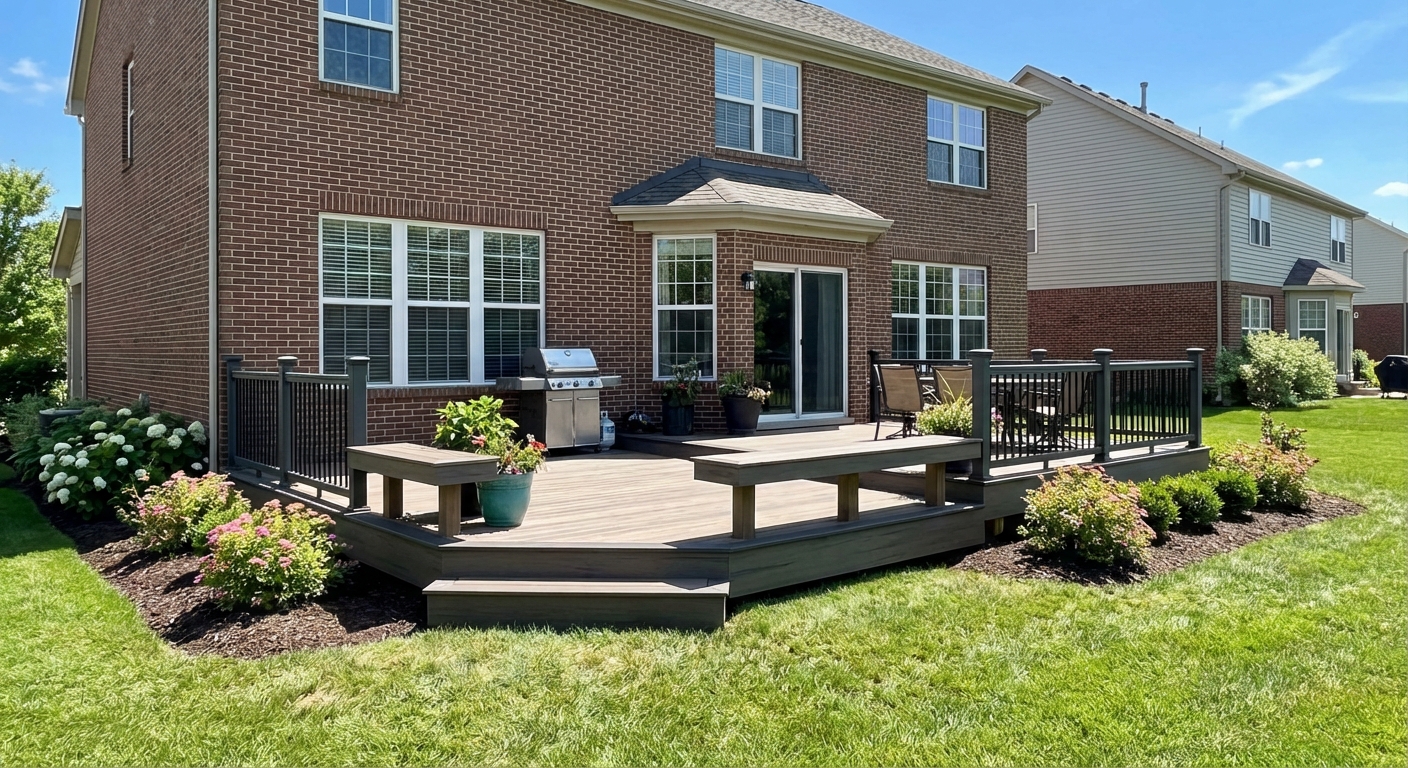
Thinking of building a new deck in Columbus, Ohio? Before you start hammering, you'll need to understand the city's permit requirements. This guide covers everything you need to know about Columbus deck permits, including costs, application processes, and important building codes to ensure your deck project goes smoothly. We'll also cover some common issues specific to the Columbus area, like dealing with Homeowner's Associations (HOAs) and the impact of Ohio's climate.
📋 Tool Alert: Permit Checker
Do you really need a permit? Check the exact rules for your city or township.
Check Permits →Do You Need a Deck Permit in Columbus?
Looking for more regional information? Check out our Ohio State Decking Hub.
🏗️ Planning a deck project?
Get a free manual project review, or visualize your dream deck with AI before requesting quotes.
Generally, yes. In Columbus, like most Ohio cities, you'll need a permit for any deck that is more than 30 inches above grade at any point or is attached to your house. This is because decks are considered structures that can impact safety and property values. Without a permit, you risk fines, delays, and even having to tear down your deck.
However, a ground-level patio or deck that's *not* attached to your house and *less than 30 inches* high typically doesn't require a permit. Always double-check with the Columbus Building and Zoning Services for the most up-to-date rules.
<!-- slot:after-intro -->
Columbus Deck Permit Requirements: What You Need to Know
The City of Columbus enforces the Ohio Residential Code (based on the International Residential Code or IRC). Here's a breakdown of the key requirements you'll need to meet to get your deck permit approved:
- Drawings and Plans: You'll need detailed scaled drawings of your proposed deck, including dimensions, materials, and construction methods. This should include a site plan showing the location of the deck on your property, property lines, and any easements. It's important to show the distance from your deck to any property lines or structures on your property.
- Foundation Details: Your plans must clearly show the type and size of footings you'll be using. In Ohio, the frost line is typically 32 inches, so your footings must extend below this depth to prevent movement due to freezing and thawing.
- Framing Details: Include information on the size and spacing of joists, beams, and posts. Ensure these meet code requirements for load-bearing capacity.
- Railing Details: If your deck is more than 30 inches above grade, you'll need railings that are at least 36 inches high. Balusters must be spaced no more than 4 inches apart to prevent children from squeezing through.
- Material Specifications: List all materials you'll be using, including the type of wood, composite, or other decking material. Ensure the materials are suitable for outdoor use and meet local building codes. Pressure-treated lumber is recommended for framing to resist rot and insect damage, especially with Ohio's humid summers.
- Homeowner's Association (HOA) Approval: If you live in a neighborhood with an HOA (common in Columbus suburbs like Dublin, Westerville, and Powell), you'll likely need their approval *before* submitting your permit application to the city. HOAs often have specific rules about deck size, materials, and colors.
- Zoning Compliance: Your deck must comply with Columbus zoning regulations, including setback requirements from property lines. The city provides zoning maps and information on their website.
Tip: Use PaperPlan (paperplan.app) to visualize your deck with PaperPlan design with different materials and layouts before committing to a contractor or submitting your plans. This can help you avoid costly revisions later on.
How to Apply for a Columbus Deck Permit
Follow these steps to apply for your deck permit in Columbus:
1. Prepare Your Documents: Gather all the required documents, including your site plan, construction drawings, material specifications, and HOA approval (if applicable).
2. Apply Online or In Person: You can typically apply for a permit online through the City of Columbus Building and Zoning Services website. Alternatively, you can visit their office in person. The address is usually listed on their website.
3. Pay the Permit Fee: The permit fee will vary depending on the size and complexity of your deck project. Expect to pay somewhere between $75 and $400.
4. Submit Your Application: Submit your application and all supporting documents either online or in person.
5. Wait for Approval: The city will review your application to ensure it meets all building codes and zoning regulations. This process can take several weeks. Be prepared for potential revisions if the city finds any issues with your plans.
6. Schedule Inspections: Once your permit is approved, you'll need to schedule inspections at various stages of construction, such as after the footings are poured and after the framing is complete.
Cost of a Columbus Deck Permit
As mentioned earlier, the cost of a deck permit in Columbus typically ranges from $75 to $400. This fee is based on the size and complexity of your deck project. Larger, more complex decks will generally require a more expensive permit.
In addition to the permit fee, remember to factor in the overall cost of your deck project. In Ohio, you can generally expect to pay:
| Material | Cost per sq ft (installed) |
| ------------------ | --------------------------- |
| Pressure Treated | $22 - $40 |
| Composite | $40 - $70 |
| Cedar | $30 - $50 |
| Trex | $45 - $75 |
Keep in mind that these are just estimates, and the actual cost of your deck will depend on the specific materials you choose, the complexity of the design, and the contractor you hire.
<!-- slot:mid-content -->
Common Mistakes to Avoid
- Starting Construction Without a Permit: This is a big no-no. You could face hefty fines and be forced to tear down your deck.
- Ignoring HOA Rules: Make sure you get HOA approval *before* you start any work. HOAs can be very strict about design and material choices.
- Incorrect Footing Depth: Failing to dig footings deep enough to reach below the frost line can cause your deck to shift and settle over time. Remember the frost line is 32 inches in Columbus.
- Improper Spacing of Joists and Beams: Incorrect spacing can compromise the structural integrity of your deck. Always follow code requirements for joist and beam spacing.
- Using the Wrong Materials: Make sure you're using materials that are suitable for outdoor use and meet local building codes. Pressure-treated lumber is essential for framing.
- Not Scheduling Inspections: Don't skip the required inspections. They're there to ensure your deck is built safely and to code.
- Ignoring Drainage: Ensure proper drainage around your deck to prevent water damage and rot.
Considerations for Columbus' Climate
Columbus experiences hot, humid summers and cold winters. This climate can take a toll on your deck, so it's important to choose the right materials and construction methods.
- Moisture: Ohio gets about 38-42 inches of rain per year, so moisture resistance is crucial. Pressure-treated lumber and composite decking are good choices.
- Temperature Fluctuations: The constant freezing and thawing can cause wood to crack and warp. Proper sealing and maintenance are essential.
- Sun Exposure: The sun can fade and damage your deck over time. Choose materials that are UV resistant and apply a sealant with UV protection.
- Termites: While termite pressure is moderate in central Ohio, it's still something to consider. Pressure-treated lumber is resistant to termites, and you can also take steps to prevent termite infestations around your deck.
<!-- slot:before-faq -->
Finding the Right Deck Builder in Columbus
Building a deck can be a complex project, so it's often best to hire a qualified and experienced deck builder. Look for a contractor who is licensed, insured, and has a proven track record of building high-quality decks. Get multiple quotes and check references before making a decision. Consider reading reviews of deck builders in Columbus to get a sense of their reputation and customer satisfaction. Best Deck Builders in Columbus, OH: How to Find the Right Contractor can help you find the right professional for your project.
<!-- slot:end -->
🎨 Not sure which material to pick?
Upload a photo of your backyard and see exactly how Trex, TimberTech, or cedar would look — free and instant.
Frequently Asked Questions
Do I need a permit to replace existing deck boards?
Generally, you don't need a permit to simply replace existing deck boards, as long as you're not altering the structure of the deck. However, if you're replacing the framing or making any structural changes, you will likely need a permit. Always check with the Columbus Building and Zoning Services to be sure.
How long does it take to get a deck permit in Columbus?
The time it takes to get a deck permit in Columbus can vary depending on the complexity of the project and the volume of applications the city is processing. It can take anywhere from a few weeks to a month or more.
What happens if I build a deck without a permit?
If you build a deck without a permit, you could face fines, be required to tear down the deck, or be forced to obtain a permit retroactively, which can be a more difficult and expensive process.
How close to my property line can I build my deck?
The setback requirements for decks vary depending on the zoning regulations in your area of Columbus. You'll need to consult the city's zoning maps and regulations to determine the specific setback requirements for your property.
Where can I find the Columbus Building and Zoning Services?
You can find the Columbus Building and Zoning Services online or by visiting their office. The address and contact information are typically listed on the city's website.
How Much Does a Deck Cost in Ohio? Complete 2026 Guide
Do You Need a Deck Permit in Ohio? City & Township Rules
Ohio Deck Building Codes: Key Requirements for 2026
📋 Planning a deck project?
Get a free manual project review from our team — no obligation, no spam.
Get Free Project Review →Upload a backyard photo and preview real decking materials with AI — free, instant, no sign-up.
Permits, costs, material comparisons, and questions to ask before requesting quotes — delivered to your inbox.