
Deck Cost in Surprise (2026)
What does a deck cost in Surprise, AZ? See 2026 pricing by material, labor rates, cost per square foot, and smart ways to save in the desert heat.
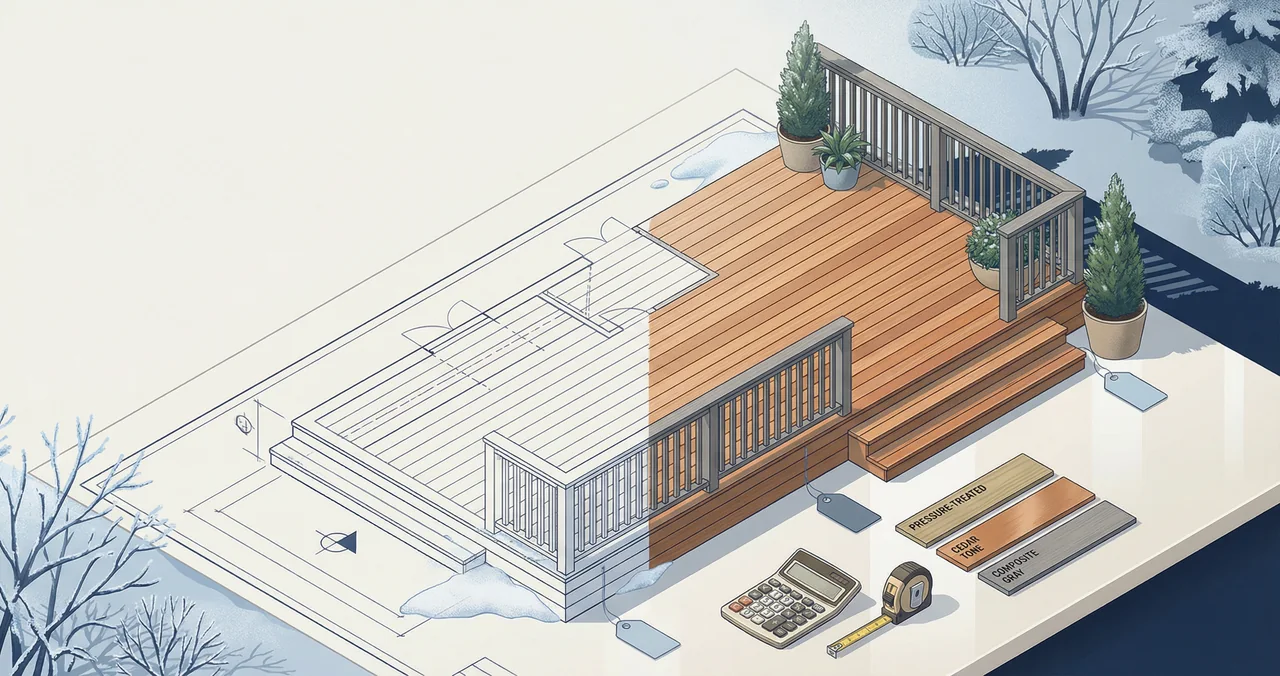
How Much Does a Deck Cost in Surprise, Arizona?
You're here because you want a number. Fair enough.
🏗️ Planning a deck project?
Get a free manual project review, or visualize your dream deck with AI before requesting quotes.
🧮 Tool Alert: Deck Cost Calculator
Estimate your project costs in seconds based on local pricing bands for your area.
Calculate My Cost →Looking for more regional information? Check out our Arizona State Decking Hub.
A standard 300-square-foot deck in Surprise runs between $7,500 and $22,500 depending on materials, design complexity, and who builds it. Most homeowners in the Surprise–Sun City West corridor land somewhere in the $12,000–$18,000 range for a composite deck with basic railing.
But that range is wide for a reason. Material choice matters more here than in most cities — Surprise's extreme UV and triple-digit summer heat will punish the wrong decision for years. This guide breaks down exactly what you'll pay, what drives those costs, and where you can trim without cutting corners.
<!-- slot:after-intro -->
For a broader look at deck pricing across different materials and regions, see our deck cost guide. Timing your build right can also save thousands — check our guide on the best time to build a deck.
Average Deck Cost in Surprise by Material
Here's what Surprise homeowners are paying in 2026 for a professionally installed deck, including materials, labor, and basic railing:
| Material | Cost per Sq Ft (Installed) | 200 Sq Ft Deck | 400 Sq Ft Deck |
|---|---|---|---|
| Pressure-Treated Wood | $25–$45 | $5,000–$9,000 | $10,000–$18,000 |
| Cedar | $35–$55 | $7,000–$11,000 | $14,000–$22,000 |
| Composite | $45–$75 | $9,000–$15,000 | $18,000–$30,000 |
| Trex (brand-specific) | $50–$80 | $10,000–$16,000 | $20,000–$32,000 |
| Ipe (Brazilian Hardwood) | $60–$100 | $12,000–$20,000 | $24,000–$40,000 |
A few things jump out for Surprise specifically:
- Pressure-treated wood is the cheapest upfront but demands frequent sealing and staining. The desert sun dries it out fast — expect cracking within 2–3 years without maintenance.
- Cedar holds up slightly better against UV but still requires annual treatment. It's a middle-ground option some homeowners in Marley Park and Granite Falls prefer for its natural look.
- Composite is the most popular choice across Surprise. The upfront cost is higher, but you avoid the constant resealing cycle.
- Trex commands a premium over generic composite due to brand warranty and capping technology. Their lighter color options are particularly smart for Arizona builds.
- Ipe is near-indestructible but expensive and heavy. It's rare in Surprise — most contractors here don't stock it regularly, which adds to lead time and cost.
Cost Per Square Foot Breakdown
Your per-square-foot price isn't just materials. Here's roughly how that $45–$75 composite range breaks down:
- Decking boards: $15–$30/sq ft
- Substructure (framing, joists, posts): $8–$15/sq ft
- Hardware and fasteners: $2–$4/sq ft
- Railing: $3–$8/sq ft (varies dramatically by style)
- Labor: $15–$25/sq ft
Why Square Footage Isn't the Whole Story
A simple rectangular deck costs less per square foot than one with angles, curves, or multiple levels. Stairs add $75–$150 per step. Built-in benches, planters, or a pergola integration can add $1,500–$5,000 to the total.
Also worth noting: smaller decks have a higher cost per square foot because the fixed costs (permits, mobilization, footings) get spread across fewer square feet. A 150-square-foot deck might cost $55/sq ft while a 400-square-foot deck of the same material comes in at $45/sq ft.
Labor Costs in Surprise
Labor typically accounts for 35%–50% of your total deck cost in the Surprise area. Expect to pay $15–$25 per square foot for installation, or roughly $40–$60 per hour per crew member.
Several factors push Surprise labor costs around:
- Seasonal demand. October through May is prime building season here. Contractors are busiest from January through April when snowbirds and full-time residents alike want projects done before summer. Booking during the off-peak months of June through September can save 10–15% on labor — but good luck finding a crew willing to pour footings when it's 115°F.
- Contractor availability. The West Valley has grown fast. Surprise, Buckeye, and Goodyear are all booming, and qualified deck builders get booked out 4–8 weeks during peak season. If you need something specific — like finding the right deck builder in Phoenix — start vetting contractors early.
- Complexity surcharges. Second-story decks, wrap-around designs, and anything requiring engineered drawings will push labor costs 20–40% higher.
DIY vs. Hiring a Pro
You can save $3,000–$8,000 on a mid-sized deck by doing it yourself. But in Surprise, the footing and ledger-board connections need to meet code — Maricopa County inspectors will check. If you're considering the DIY route, know that structural mistakes in expansive desert soil can lead to shifting and settling that's expensive to fix later.
<!-- slot:mid-content -->
What Affects Your Total Price
Beyond material and labor, here's what moves the needle on your Surprise deck project:
Permits and Inspections
In Surprise, deck permits are typically required for structures over 200 sq ft or 30 inches above grade. Permit fees run $150–$500 depending on the scope. You'll need to submit a site plan and may need engineered drawings for elevated decks. Contact Surprise's Building/Development Services department before breaking ground — unpermitted work creates headaches at resale.
Foundation and Footings
Surprise sits on desert soil that can include caliche — a hard calcium carbonate layer that makes digging footings a real chore. Frost line depth is only 6–12 inches, which is shallow compared to northern climates, but hitting caliche may require a rotary hammer or jackhammer. Budget an extra $200–$600 if your lot has significant caliche.
Standard concrete footings for a deck run $15–$30 per footing, and most decks need 6–12 of them.
Deck Height and Access
A ground-level deck is the cheapest build. Once your deck rises above 30 inches, you'll need railings (code requirement), stairs, and potentially additional engineering. Elevated decks on sloped lots — common in some of the newer Surprise subdivisions near the White Tank Mountains — can cost 30–50% more than ground-level builds.
Add-Ons That Increase Cost
| Feature | Typical Cost |
|---|---|
| Stairs (per step) | $75–$150 |
| Railing upgrade (cable/glass) | $50–$120/linear ft |
| Built-in lighting | $500–$2,500 |
| Pergola or shade structure | $3,000–$10,000 |
| Outdoor kitchen rough-in | $2,000–$5,000 |
| Skirting/fascia | $5–$15/linear ft |
In Surprise, a shade structure is practically a necessity, not a luxury. Without overhead coverage, composite deck surfaces can exceed 150°F in direct July sun — hot enough to burn bare feet. Budget for a pergola, shade sail, or patio cover as part of your deck plan, not an afterthought.
Composite vs Wood: Cost Comparison
This is the decision most Surprise homeowners wrestle with. Here's how the numbers play out over time:
| Factor | Pressure-Treated Wood | Composite |
|---|---|---|
| Installed cost (300 sq ft) | $7,500–$13,500 | $13,500–$22,500 |
| Annual maintenance | $200–$500 (stain/seal) | $0–$50 (occasional cleaning) |
| Expected lifespan | 10–15 years | 25–30+ years |
| 10-year total cost | $9,500–$18,500 | $13,500–$23,000 |
| 20-year total cost | $15,500–$27,500+ (includes one rebuild) | $13,500–$23,500 |
The math tilts toward composite over any timeframe longer than about 8 years in Surprise. And that's before factoring in your time — spending a weekend every spring sanding and staining a wood deck in Arizona gets old fast.
Desert-Specific Material Advice
- Light-colored composite or capped PVC handles the heat best. Dark colors absorb more solar radiation and can become genuinely dangerous to walk on barefoot.
- Capped composite (boards wrapped in a protective polymer shell) resists UV fading far better than uncapped options. In Surprise's relentless sun, uncapped boards can fade noticeably within 2–3 years.
- Wood dries and cracks aggressively here. Lower humidity is great for reducing mold and rot concerns, but it accelerates splitting. If you go wood, plan on sealing within the first 3–6 months of installation and annually after that.
Use PaperPlan to visualize different decking materials on your own home before committing — seeing how a light-gray composite vs. a warm cedar tone looks against your exterior paint can save you from an expensive change of heart.
For a deeper look at how top composite brands compare, check out our brand-by-brand breakdown.
How to Save Money on Your Surprise Deck
You don't have to blow your budget to get a quality deck. Here are realistic ways to cut costs:
1. Build During Off-Season
Late May or September — the shoulder months — can net you 10–15% labor savings. It's hot but not impossibly so, and contractors are less booked. Avoid trying to schedule a build in June through August; most crews reduce their outdoor work or charge heat premiums.
2. Keep the Design Simple
Every angle, level change, and custom detail adds cost. A straightforward rectangular deck with a single set of stairs is the most cost-effective build. You can always add features later — built-in benches and lighting are easy retrofits.
3. Choose the Right Size
Don't overbuild. A 12x16 deck (192 sq ft) is enough for a dining table and four chairs. A 16x20 deck (320 sq ft) comfortably fits a full outdoor living area. Measure your furniture and plan the layout before finalizing dimensions — you might need less space than you think.
If you're trying to ballpark costs for specific dimensions, our guides on 12x16 deck costs and 16x20 deck costs break the numbers down in detail.
4. Do the Demo Yourself
Tearing out an old deck or patio is grunt work, not skilled labor. Doing the demolition yourself can save $500–$1,500. Just make sure you handle disposal — Surprise's bulk trash collection or a rented dumpster will run $150–$400.
5. Source Materials Strategically
Big-box stores (Home Depot and Lowe's both have Surprise locations) regularly run decking sales in late winter. Buying materials yourself and hiring labor-only installation can save 5–10% versus a full-service contractor quote — but you take on responsibility for material quality and quantity accuracy.
6. Skip Premium Railing (For Now)
Standard aluminum railing costs $30–$50 per linear foot installed. Cable railing looks stunning but runs $80–$120 per linear foot. Starting with standard railing and upgrading later is a painless way to phase costs. For ideas, look at different deck railing systems to see what fits your style and budget.
<!-- slot:before-faq -->
🎨 Not sure which material to pick?
Upload a photo of your backyard and see exactly how Trex, TimberTech, or cedar would look — free and instant.
Frequently Asked Questions
How much does a 12x12 deck cost in Surprise?
A 12x12 deck (144 sq ft) in Surprise typically costs $3,600–$6,500 for pressure-treated wood or $6,500–$10,800 for composite, fully installed. Add $1,000–$3,000 for railing, stairs, and permit fees. These figures assume a ground-level build on a flat lot — elevated decks or lots with caliche soil will cost more.
Do I need a permit to build a deck in Surprise, AZ?
Most likely, yes. Decks over 200 sq ft or 30 inches above grade require a permit in Surprise. Even smaller decks may need one depending on your HOA and lot specifics. Permit fees are generally $150–$500. Contact Surprise's Building/Development Services department at City Hall for your specific situation. Building without a permit risks fines and complications when you sell your home.
What is the best decking material for Arizona heat?
Light-colored capped composite or capped PVC performs best in Surprise's extreme heat. These materials resist UV fading, don't crack from dryness, and stay cooler than dark alternatives. Avoid dark-colored composite — surface temperatures can exceed 150°F in direct summer sun. If you prefer natural wood, cedar with annual UV-protective stain is your best bet, though it requires significantly more upkeep. You can explore low-maintenance decking options for more comparisons.
When is the best time to build a deck in Surprise?
October through May is the ideal building window. Temperatures are manageable for crews, and materials aren't subjected to extreme heat during installation (which can affect adhesives and fastener expansion). January through March is peak demand, so book early if you want a spring completion. The worst time is mid-June through mid-September when temperatures regularly exceed 110°F — most reputable builders reduce outdoor work during those months.
Does a deck increase home value in Surprise?
A well-built deck typically returns 60–75% of its cost at resale in the Phoenix metro area, according to national remodeling surveys. In Surprise's outdoor-living-focused market — where buyers expect usable backyard space — a quality composite deck with shade coverage can be a strong selling point. The key is choosing durable materials that still look good in 5–10 years without heavy maintenance.
<!-- slot:end -->
📋 Planning a deck project?
Get a free manual project review from our team — no obligation, no spam.
Get Free Project Review →Upload a backyard photo and preview real decking materials with AI — free, instant, no sign-up.
Permits, costs, material comparisons, and questions to ask before requesting quotes — delivered to your inbox.