
Best Low-Maintenance Decking in Canada (2026)
Compare the best low-maintenance decking materials for Canadian climates. Real costs, lifespan, and warranties for composite, PVC, and capped options.
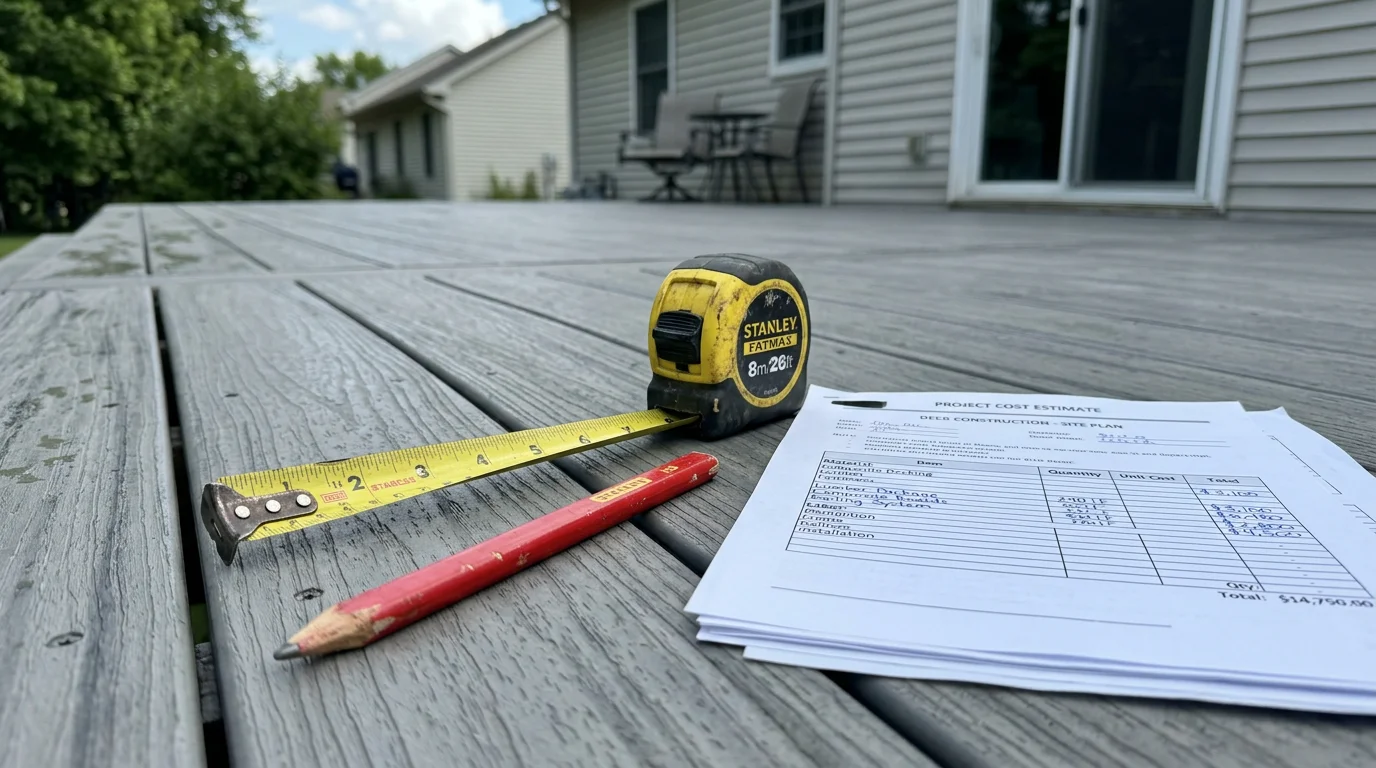
You want a deck that looks good without annual staining, sanding, or splinter patrol. Ontario's freeze-thaw cycles and UV exposure destroy traditional wood decking, so homeowners across Canada are switching to low-maintenance alternatives that survive winters and stay looking sharp with minimal effort.
Here's what actually qualifies as low-maintenance in Canadian conditions and what you'll pay for it in 2026.
What Makes Decking "Low-Maintenance"?
Low-maintenance decking means no staining, no sealing, and no annual refinishing. You should be able to clean it once or twice a year with soap and water and walk away.
🏗️ Planning a deck project?
Get a free manual project review, or visualize your dream deck with AI before requesting quotes.
In Ontario specifically, low-maintenance materials must handle:
- Freeze-thaw cycles: Temperature swings from -20°C to +30°C cause expansion and contraction
- UV exposure: Southern Ontario gets intense summer sun that fades and degrades materials
- Snow and ice: Salt, shoveling, and ice melt chemicals attack surfaces
- Moisture: High humidity and rain promote mold and mildew growth
Materials that pass this test include composite decking (wood fiber + plastic), PVC decking (all-plastic), and capped composite (composite core with polymer shell). Pressure-treated wood and cedar don't qualify — they need regular maintenance to survive.
Best Low-Maintenance Decking Materials for Canada
Capped Composite Decking
What it is: Wood fiber and plastic core wrapped in a protective polymer shell that blocks moisture and stains.
Lifespan: 25-30 years with minimal maintenance
Cost: $6.50-12.00/sqft material-only | $65-95/sqft installed in KWC
Brands: Trex Transcend, TimberTech AZEK Harvest, Fiberon Paramount, Deckorators Voyage
Pros:
- Best stain and fade resistance in the composite category
- Withstands Ontario freeze-thaw without cracking or splintering
- 25-50 year warranties covering fade and stain
- Realistic wood grain textures
- Won't absorb moisture like uncapped composites
Cons:
- Higher upfront cost than basic composite
- Can get hot in direct summer sun (lighter colors help)
- Slippery when wet unless you choose grooved or textured finishes
Capped composite is the sweet spot for most Ontario homeowners. You get durability and realistic looks without the hassle of wood or the heat retention of full PVC.
For detailed cost breakdowns, see our guide to composite deck costs in Waterloo.
PVC Decking
What it is: 100% cellular PVC (plastic) with no wood fiber. Completely synthetic.
Lifespan: 30+ years
Cost: $8.00-14.00/sqft material-only | $75-110/sqft installed
Brands: TimberTech AZEK, Fiberon Paramount PVC, Wolf PVC
Pros:
- Zero moisture absorption — ideal for pool decks and high-humidity areas
- Won't warp, rot, or support mold growth
- Lightest weight of low-maintenance options
- Easiest to clean (stains wipe off)
- Lifetime warranties on many products
Cons:
- Most expensive option
- Can feel less natural underfoot than composite
- Expands more in heat than capped composite (requires proper gapping)
- Limited color selection compared to composite lines
PVC makes sense if you're building near a pool, hot tub, or waterfront where moisture exposure is constant. It's overkill for a typical backyard deck unless you want absolute top-tier performance.
Standard Composite Decking (Uncapped)
What it is: Wood fiber and plastic blend with no protective cap layer.
Lifespan: 15-25 years depending on brand and maintenance
Cost: $4.50-7.50/sqft material-only | $55-80/sqft installed
Brands: Trex Select, TimberTech Edge Prime, older-generation composite lines
Pros:
- Lower upfront cost than capped options
- Still far less maintenance than wood
- No annual staining or sealing required
- Resistant to rot and insects
Cons:
- Absorbs some moisture (can lead to mold staining in shaded areas)
- Fades more than capped products over time
- Stains from spills are harder to remove
- Shorter warranties (10-15 years typical)
Uncapped composite was the standard 10-15 years ago, but capped versions have largely replaced it. If budget is tight, uncapped composite still beats pressure-treated wood for maintenance — just expect some fading and occasional mold cleaning in shaded spots.
For a full comparison of composite vs. wood in Ontario conditions, read Composite vs. Wood Decking: Which Should You Choose?
Aluminum Decking
What it is: Powder-coated aluminum planks designed to mimic wood or have a brushed metal finish.
Lifespan: 30+ years
Cost: $10.00-16.00/sqft material-only | $85-120/sqft installed
Brands: Wahoo Decks, Versadeck, LockDry
Pros:
- Completely fireproof and waterproof
- Never rots, splinters, or fades
- Stays cool underfoot (doesn't retain heat like composites)
- Can create waterproof deck systems (useful for rooftop decks or second-story spaces you want dry underneath)
Cons:
- Premium price point
- Limited installer availability in KWC area
- Industrial aesthetic isn't for everyone
- Can dent from heavy impacts
Aluminum is niche but worth considering if you're building a rooftop deck, want a modern aesthetic, or need a deck that stays cool barefoot in summer. It's rare in residential applications but growing in popularity for high-end builds.
What About Cedar and Pressure-Treated Wood?
Cedar and pressure-treated pine are not low-maintenance, even though some builders will tell you otherwise.
- Cedar: Needs staining or sealing every 1-2 years to maintain color and prevent weathering. Without it, cedar turns grey and becomes rough and prone to splintering. Material cost is $3.50-6.00/sqft, installed cost is $55-80/sqft.
- Pressure-treated: Requires annual cleaning and staining/sealing every 2-3 years. Prone to warping, cracking, and splitting in Ontario's freeze-thaw cycles. Material cost is $2.50-4.50/sqft, installed cost is $45-65/sqft.
Wood decking is cheaper upfront, but you'll spend $800-1,500 every 2-3 years on staining and sealing for a typical 300 sqft deck. Over 20 years, that's $5,000-10,000 in maintenance costs — which erases the initial savings.
If you're curious about maintaining wood decking properly, see our guide to pressure-treated deck maintenance in Ontario.
Cost Comparison: Material vs. Installed (2026 KWC)
| Decking Type | Material Cost/sqft | Installed Cost/sqft | 300 sqft Deck Total |
|--------------|-------------------|---------------------|---------------------|
| Uncapped Composite | $4.50-7.50 | $55-80 | $16,500-24,000 |
| Capped Composite | $6.50-12.00 | $65-95 | $19,500-28,500 |
| PVC | $8.00-14.00 | $75-110 | $22,500-33,000 |
| Aluminum | $10.00-16.00 | $85-120 | $25,500-36,000 |
| Cedar (for comparison) | $3.50-6.00 | $55-80 | $16,500-24,000 |
| Pressure-Treated (for comparison) | $2.50-4.50 | $45-65 | $13,500-19,500 |
Note: Installed costs include framing, labor, basic railings, and stairs. Add $150-400 for permit fees depending on your municipality.
For detailed pricing specific to your city, check out our guides for Kitchener, Waterloo, and Cambridge.
Maintenance Requirements by Material
Even "low-maintenance" decking needs some care. Here's what to expect:
Capped Composite & PVC
- Spring/Fall: Sweep debris, wash with soap and water
- As needed: Spot-clean spills, remove mold in shaded areas with composite deck cleaner
- Annual time: 1-2 hours/year
See our full guide to composite deck maintenance in Ontario for seasonal care tips.
Uncapped Composite
- Spring/Fall: Sweep and wash with deck cleaner
- Every 2-3 years: Apply composite deck brightener to reduce fading
- As needed: Scrub mold stains in shaded areas
- Annual time: 2-4 hours/year
Aluminum
- Spring/Fall: Rinse with hose, wipe down with cloth
- Annual time: 30 minutes/year
Cedar (for comparison)
- Spring: Power wash and apply stain/sealer
- Fall: Clean and inspect for damage
- Every 1-2 years: Restain
- Annual time: 8-12 hours/year + $800-1,500 in materials and labor
How Long Does Low-Maintenance Decking Actually Last?
Capped composite: 25-30 years with proper installation and minimal maintenance. Warranties typically cover 25-50 years for fade and stain resistance.
PVC: 30+ years. Many manufacturers offer lifetime limited warranties.
Uncapped composite: 15-25 years. Expect more fading and surface wear after 15 years.
Aluminum: 30+ years. Virtually indestructible in residential use.
Cedar: 15-20 years with diligent maintenance, 8-12 years if neglected.
Pressure-treated: 10-15 years with regular maintenance, 5-8 years if neglected.
The key difference: low-maintenance materials reach their expected lifespan with minimal effort. Wood requires consistent annual work to hit those numbers.
Choosing the Right Low-Maintenance Decking for Your Project
Budget-conscious: Uncapped composite gives you a maintenance upgrade over wood without the premium price of capped options. Expect to clean mold in shaded areas occasionally.
Best overall value: Capped composite balances cost, durability, and aesthetics. It handles Ontario weather without babying and looks good for 25+ years.
Pool or waterfront: PVC is worth the premium when moisture exposure is constant. Zero absorption means no mold, no staining, and no warping.
Modern aesthetic or rooftop: Aluminum decking offers fireproof, waterproof performance and a contemporary look that composite can't match.
DIY installation: Capped composite and PVC are easier to work with than aluminum, and most Ontario deck guides builders are familiar with installation. Check with your municipality — some builders can handle permits as part of the quote. Learn more about getting deck permits in Kitchener and Waterloo.
Installation Considerations for Low-Maintenance Decking
Low-maintenance materials require specific installation techniques to maximize lifespan:
Proper gapping: Composite and PVC expand and contract more than wood. Follow manufacturer specs for board spacing — typically 6-8mm gaps between boards. See our guide to deck board spacing in Ontario.
Hidden fasteners: Most premium composite and PVC products use hidden fastening systems that eliminate exposed screws. This improves appearance and prevents rust stains.
Joist spacing: Some composite products require 12-inch on-center joist spacing instead of the standard 16 inches. Verify requirements before framing. Check deck joist span tables for Ontario.
Ventilation: Composite and PVC need airflow underneath to prevent moisture buildup. Don't seal deck skirting completely. Read more about deck skirting and ventilation.
Slope: All decks need 1/8 inch per foot slope away from the house for drainage, but this is especially important for composite, which can trap water on flat surfaces.
Most experienced deck builders in KWC are familiar with these requirements, but confirm during your quote process. See our deck quote checklist for questions to ask.
🎨 Not sure which material to pick?
Upload a photo of your backyard and see exactly how Trex, TimberTech, or cedar would look — free and instant.
Common Questions
Does composite decking get hot in summer?
Yes, composite and PVC decking gets hotter than wood in direct sunlight — sometimes 20-30°F (10-15°C) hotter than cedar or pressure-treated. Lighter colors stay cooler than dark browns and greys. If your deck gets full sun all day, consider lighter shades or reserve darker colors for shaded areas. Aluminum decking stays significantly cooler than composite and PVC.
Can I install low-maintenance decking over existing wood framing?
Yes, as long as the framing is structurally sound and meets joist spacing requirements for your chosen material. Inspect for rot, especially around ledger boards and rim joists. If you're unsure, read our guide on ledger board rot warning signs. Many homeowners replace decking boards while keeping existing framing — just verify joist spacing matches manufacturer specs.
Do I need a permit to replace wood decking with composite in KWC?
Generally no, if you're only replacing deck boards and not altering the structure. However, if you're rebuilding framing or changing the deck footprint, you'll need a permit. Rules vary by municipality — see our guides for Kitchener, Waterloo, and Cambridge permit requirements.
Which composite decking brand lasts longest in Ontario?
Trex, TimberTech (AZEK), and Fiberon all perform well in Canadian climates and offer 25-50 year warranties. The most important factors are proper installation (correct gapping, ventilation, and slope) and choosing capped composite over uncapped. For detailed reviews, see our guides to best composite decking in Canada and Trex decking costs and warranties.
Can I use composite decking for a hot tub deck?
Yes, but choose PVC or capped composite with excellent moisture resistance. Hot tubs create constant humidity and heat, which can accelerate wear on lower-grade materials. Ensure your framing is designed for the hot tub's weight (typically 3,000-5,000 lbs filled). See our structural checklist for hot tubs on decks in Ontario.
Looking for local pros? Check out Best Deck Builders in Huntsville: How to Find the Right Contractor in 2026.
Looking for local pros? Check out Best Deck Builders in Cleveland: How to Find the Right Contractor in 2026.
Looking for local pros? Check out Best Deck Builders in Sacramento: How to Find the Right Contractor in 2026.
Upload a backyard photo and preview real decking materials with AI — free, instant, no sign-up.
Permits, costs, material comparisons, and questions to ask before requesting quotes — delivered to your inbox.