
New Jersey Deck Maintenance by Season (2026)
Keep your deck pristine year-round! Expert tips for New Jersey deck maintenance by season, from snow removal to termite prevention. Protect your investment!
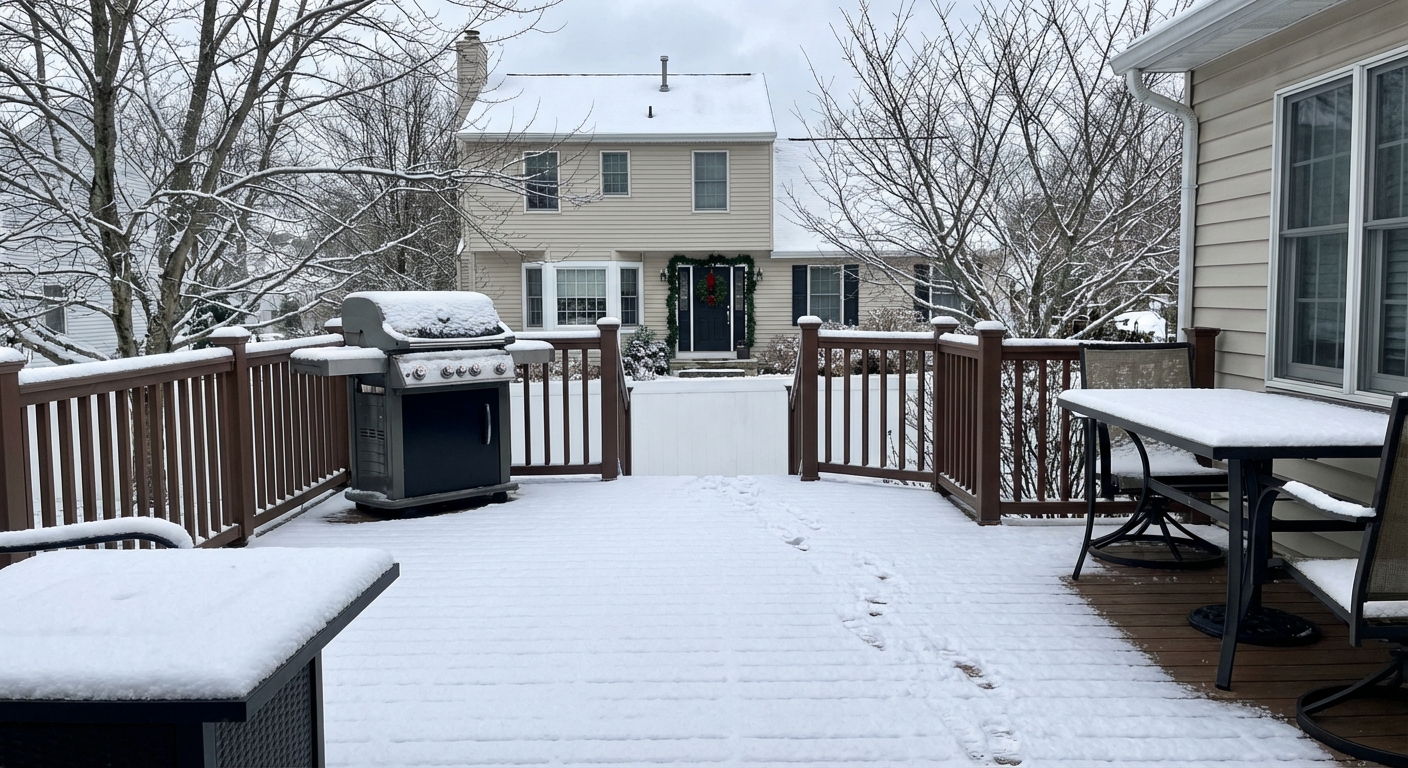
Are you a New Jersey homeowner wondering how to protect your deck from the harsh weather and keep it looking its best? The key is understanding the seasonal demands and tailoring your maintenance routine accordingly. New Jersey decks endure hot, humid summers, freezing winters, and everything in between. This guide provides a comprehensive, season-by-season approach to deck maintenance, helping you preserve your investment and enjoy your outdoor space for years to come.
📅 Tool Alert: Maintenance Planner
Get a custom seasonal maintenance schedule to protect your investment for decades.
Plan Maintenance →Spring: Prep for Summer and Assess Winter Damage
Spring is the ideal time to inspect your deck for any damage caused by the winter months and prepare it for the upcoming summer season. New Jersey's unpredictable weather means your deck may have suffered from ice, snow, and fluctuating temperatures.
🏗️ Planning a deck project?
Get a free manual project review, or visualize your dream deck with AI before requesting quotes.
Inspection and Repair
Carefully examine your deck for the following:
- Loose or Damaged Boards: Look for cracked, warped, or splintered boards. Replace any damaged boards immediately to prevent further deterioration and safety hazards.
- Loose Railings and Fasteners: Check that all railings are secure and that screws and nails are not loose or corroded. Tighten or replace as needed. Decks in Shore towns like Toms River or Atlantic City require extra attention to corrosion. Consider using hurricane-rated hardware, especially if your deck is elevated.
- Water Damage and Rot: Probe suspect areas with a screwdriver. If the wood is soft or crumbles easily, it indicates rot. Address rot promptly to prevent structural damage. Remember that NJ has a 36-inch frost line, one of the deepest on the East Coast, meaning posts need to be properly anchored to avoid frost heave damage.
- Termite Damage: Inspect for signs of termites, such as mud tubes or hollowed-out wood. Considering New Jersey's moderate termite pressure, a subterranean termite treatment is highly recommended.
- Check the Ledger Board: The ledger board is where your deck attaches to your house. This is a critical area for inspection, as water damage here can affect your home's structure.
Cleaning and Staining/Sealing
After the inspection, it's time to clean your deck thoroughly:
1. Sweep: Remove all leaves, debris, and dirt from the deck surface.
2. Wash: Use a deck cleaner specifically designed for your deck material. Follow the manufacturer's instructions carefully. For wood decks, consider using a wood brightener after cleaning to restore the wood's natural color.
3. Rinse: Rinse the deck thoroughly with a garden hose. Avoid using a pressure washer at high pressure, as it can damage the wood fibers.
Once the deck is clean and dry, consider staining or sealing it. This will protect the wood from the elements and extend its lifespan.
- Staining: Provides color and protection. Choose a stain that is specifically designed for decks and is resistant to UV rays and mildew. See our guide to Deck Staining Tips for New Jersey Weather: Timing & Products for more information.
- Sealing: Provides a clear, protective coat that repels water and prevents damage.
Remember, many NJ homes are in HOA communities. Check your HOA guidelines before staining or making significant changes to your deck's appearance, as approval is often required *before* you even apply for a township permit. Speaking of which, remember that all decks over 200 sqft or higher than 30 inches require permits in New Jersey, adhering to the NJ Uniform Construction Code (UCC).
<!-- slot:after-intro -->
Summer: Protect From Sun and Monitor for Bugs
Summer in New Jersey can be brutal, with temperatures often soaring into the 85-95°F range and high humidity. This can take a toll on your deck, so it's important to take steps to protect it. This is especially true if you're near the Shore, where salt air can exacerbate corrosion.
Sun Protection
- Umbrellas and Awnings: Provide shade to protect your deck from the sun's harmful UV rays. This will help prevent fading and cracking.
- Consider Light-Colored Stains: Darker stains absorb more heat, which can cause the wood to warp and crack. Lighter-colored stains reflect sunlight and help keep the deck cooler.
Bug Control
New Jersey is notorious for mosquitoes, especially in the summer months.
- Screened Porches: Consider adding a screened porch to your deck to keep bugs out. This is a popular feature for many New Jersey homeowners. See our post on Screened Porch and Deck Combos in New Jersey: Beat the Bugs.
- Citronella Candles and Bug Sprays: Use citronella candles and bug sprays to repel mosquitoes and other insects.
- Remove Standing Water: Mosquitoes breed in standing water. Eliminate any sources of standing water on your property, such as bird baths, flower pots, and clogged gutters.
Regular Cleaning
Throughout the summer, regularly sweep your deck to remove dirt and debris. Clean up spills immediately to prevent staining. A quick wash with mild soap and water can also help keep your deck looking its best.
Autumn: Prepare for Winter
Autumn is the time to prepare your deck for the upcoming winter months. This includes cleaning, inspecting, and taking steps to protect it from snow, ice, and cold temperatures.
Leaf Removal
Falling leaves can trap moisture and create a breeding ground for mold and mildew. Regularly remove leaves from your deck to prevent damage.
Final Cleaning
Give your deck one last thorough cleaning before winter sets in. This will remove any remaining dirt, debris, and mildew.
Winterization
- Remove Outdoor Furniture: Store outdoor furniture in a shed or garage to protect it from the elements.
- Cover Your Deck: Consider covering your deck with a tarp or deck cover to protect it from snow and ice.
- Check Gutters and Downspouts: Ensure that your gutters and downspouts are clean and functioning properly to prevent water from pooling on your deck.
Winter: Snow and Ice Removal
New Jersey winters can be harsh, with frequent snow and ice storms. It's important to remove snow and ice from your deck to prevent damage and ensure safety. New Jersey gets around 45-50 inches of rain per year, so proper drainage is crucial.
Snow Removal
- Use a Plastic Shovel: Avoid using a metal shovel, as it can scratch and damage the deck surface.
- Shovel in the Direction of the Wood Grain: This will help prevent damage to the wood fibers.
- Don't Use Salt: Salt can damage wood and concrete. Use a calcium chloride-based ice melt instead.
Ice Removal
- Apply Ice Melt Sparingly: Use a calcium chloride-based ice melt to melt ice on your deck. Apply it sparingly to avoid damaging the surface.
- Be Careful When Walking on Ice: Ice can be very slippery. Wear shoes with good traction and take your time when walking on your deck in icy conditions.
Remember that North Jersey homes often have smaller lots and premium pricing, making deck space even more valuable. Protecting your investment is key.
<!-- slot:mid-content -->
Deck Material Considerations for New Jersey
The type of material your deck is made from will significantly impact its maintenance needs. Here's a breakdown of common deck materials in New Jersey and their specific requirements:
| Material | Average Cost (Installed) | Maintenance Needs |
| ----------------- | -------------------------- | ------------------------------------------------------------------------------------------------------------------------------------------------------------------------------- |
| Pressure-Treated | $30-50/sqft | Regular cleaning, staining/sealing every 1-3 years, inspect for rot and insect damage. |
| Composite | $50-85/sqft | Cleaning with soap and water, occasional mold/mildew removal, minimal staining/sealing required. |
| Cedar | $40-60/sqft | Regular cleaning, staining/sealing every 3-5 years, inspect for rot and insect damage. Naturally rot-resistant but still needs protection. |
| Trex (Composite) | $55-90/sqft | Cleaning with soap and water, occasional mold/mildew removal, minimal staining/sealing required. Similar to other composite options, but often comes with longer warranties. |
New Jersey Construction Costs
Keep in mind that New Jersey has some of the highest construction costs in the US due to labor rates, permitting complexity, and high property values. Therefore, maintaining your existing deck is often more cost-effective than replacing it.
Coastal Area Considerations (CAFRA)
If you live near the Shore, your deck is subject to CAFRA (Coastal Area Facility Review Act) regulations. These regulations are designed to protect coastal resources and may impact the type of materials you can use and the design of your deck. Elevated decks and hurricane-rated hardware are common in these areas. It's also important to use corrosion-resistant fasteners.
Wetlands and Flood Plains
The NJ DEP (Department of Environmental Protection) regulates builds near wetlands, streams, and flood plains. If your property is near one of these areas, you may need to obtain additional permits before building or modifying your deck.
Before you even start thinking about maintenance, consider using PaperPlan (paperplan.app) to visualize your deck with PaperPlan design with different materials and layouts before committing to a contractor. This can help you choose the right materials for your needs and budget, minimizing future maintenance costs. You can also get inspiration from our post on Deck Design Ideas for New Jersey Homes: Inspiration for 2026.
The Importance of Professional Inspections
While this guide provides a comprehensive overview of deck maintenance, it's always a good idea to have your deck professionally inspected every few years. A qualified deck builder can identify potential problems that you may miss and recommend appropriate repairs or maintenance. This is especially important for older decks or decks that have been exposed to harsh weather conditions. See our guides to Best Deck Builders in Morristown, NJ: Local Contractor Guide, Best Deck Builders in Toms River, NJ: Shore Area Specialists, Best Deck Builders in Cherry Hill, NJ: South Jersey Guide, and Best Deck Builders in Atlantic City, NJ: Coastal Construction Experts for recommendations.
<!-- slot:before-faq -->
🎨 Not sure which material to pick?
Upload a photo of your backyard and see exactly how Trex, TimberTech, or cedar would look — free and instant.
Frequently Asked Questions
How often should I stain or seal my deck in New Jersey?
The frequency depends on the type of wood, the type of stain or sealant used, and the weather conditions. Generally, you should stain or seal your deck every 1-3 years for pressure-treated wood and every 3-5 years for cedar. Composite decks require minimal staining or sealing.
What is the best way to clean my deck?
The best way to clean your deck is to sweep it regularly, wash it with a deck cleaner specifically designed for your deck material, and rinse it thoroughly with a garden hose. Avoid using a pressure washer at high pressure, as it can damage the wood fibers.
How can I prevent termites from damaging my deck?
To prevent termites from damaging your deck, consider a subterranean termite treatment. Also, make sure to remove any wood debris from around your deck and keep the area dry. Inspect your deck regularly for signs of termites, such as mud tubes or hollowed-out wood.
How much does it cost to build a deck in New Jersey?
The cost of building a deck in New Jersey varies depending on the size, materials, and complexity of the project. On average, you can expect to pay between $30-90 per square foot installed. Pressure-treated decks typically cost $30-50/sqft, composite decks $50-85/sqft, cedar decks $40-60/sqft, and Trex decks $55-90/sqft. Remember that New Jersey construction costs are among the highest in the nation.
<!-- slot:end -->
📋 Planning a deck project?
Get a free manual project review from our team — no obligation, no spam.
Get Free Project Review →Upload a backyard photo and preview real decking materials with AI — free, instant, no sign-up.
Permits, costs, material comparisons, and questions to ask before requesting quotes — delivered to your inbox.