
Deck Design Ideas: New Jersey Homes (2026)
Dreaming of a new deck? Explore inspiring deck design ideas for New Jersey homes, considering materials, costs, permits, and climate. Build your perfect outdoor space!
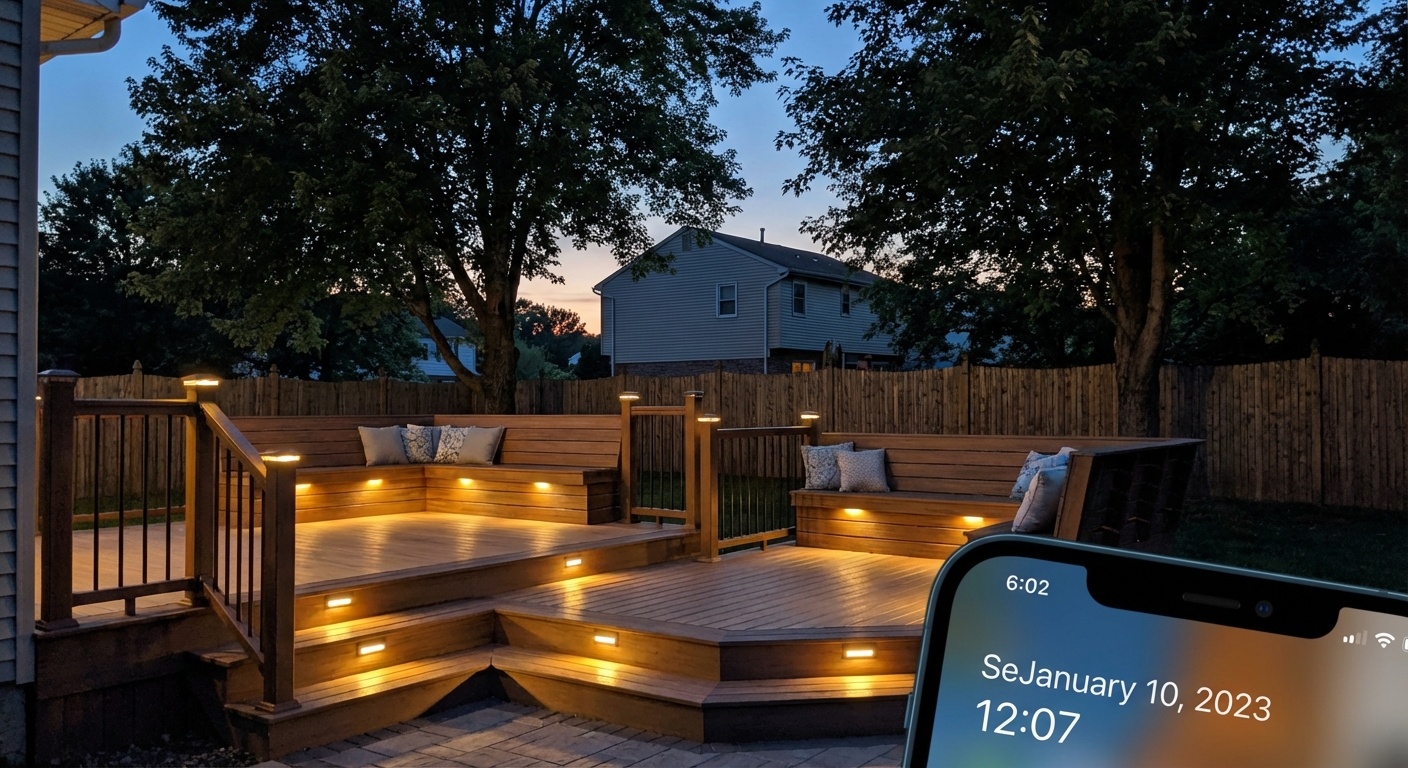
If you're a New Jersey homeowner considering adding or upgrading a deck, you're likely juggling design dreams with the practical realities of cost, climate, and regulations. This guide provides inspiration and information to help you design a deck that's perfect for your needs and budget, while adhering to local requirements.
Understanding New Jersey's Deck Building Landscape
Building a deck in New Jersey presents unique challenges and opportunities. You'll contend with variable weather, stringent building codes, and potentially high construction costs. However, with careful planning and the right design choices, you can create a beautiful and functional outdoor living space.
🏗️ Planning a deck project?
Get a free manual project review, or visualize your dream deck with AI before requesting quotes.
New Jersey is known for having some of the highest construction costs in the United States. This is due to factors like high labor rates, complex permitting processes, and elevated property values, particularly in North Jersey and along the Shore. Keep this in mind as you consider your design and material options.
<!-- slot:after-intro -->
Budget Considerations
Before you get too deep into design, it's crucial to understand the potential costs. Here's a breakdown of average installed deck costs per square foot in New Jersey:
- Pressure-Treated Wood: $30-50/sqft
- Composite Decking: $50-85/sqft
- Cedar Decking: $40-60/sqft
- Trex Decking: $55-90/sqft
These are just averages. Your actual cost will vary based on the complexity of your design, site conditions, and the contractor you choose. Remember to factor in permit fees and potential HOA approval costs.
Navigating New Jersey's Climate and Regulations
New Jersey's climate throws a little of everything your way: hot, humid summers (often reaching 85-95°F), cold winters with snow and ice, and the occasional nor'easter. The state sees an average of 45-50 inches of rain per year. Your deck design and material choices must withstand these conditions.
The frost line in New Jersey is approximately 36 inches, one of the deepest on the East Coast. This dictates the required depth for your deck footings, ensuring stability through freeze-thaw cycles.
The New Jersey Uniform Construction Code (UCC) applies statewide, and local construction officials enforce it. ALL decks over 200 sqft or higher than 30 inches require permits. Shore towns often have additional requirements under CAFRA (Coastal Area Facility Review Act), so check with your local municipality. Additionally, the NJ DEP regulates construction near wetlands, streams, and floodplains.
Many homes in New Jersey are part of HOA communities, which often require design approval before you can even apply for a township permit.
Best Times to Build
The best months for deck construction in New Jersey are typically April-June and September-October, when the weather is milder.
Deck Design Ideas Tailored for New Jersey
Here are some design ideas that are particularly well-suited to New Jersey homes, considering the climate, regulations, and popular preferences:
1. The Classic Suburban Deck
This design is ideal for typical backyards in Central and North Jersey. It usually involves a single-level deck connected to the house via a sliding glass door or set of stairs.
- Key Features: Simple rectangular shape, pressure-treated or composite decking, basic railing system.
- Benefits: Cost-effective, easy to maintain, suitable for grilling and outdoor dining.
- Considerations: Ensure adequate drainage to prevent water damage. Consider adding a pergola or umbrella for shade during hot summer days.
2. The Shore-Inspired Elevated Deck
Popular in coastal towns like Toms River and Atlantic City, elevated decks maximize views and provide protection from flooding.
- Key Features: Built on pilings, often with stairs leading down to the yard, hurricane-rated hardware, corrosion-resistant fasteners, composite decking.
- Benefits: Expansive views, protection from storm surge, increased property value.
- Considerations: CAFRA permits can be complex. Requires specialized construction techniques to withstand coastal conditions. See also Best Deck Builders in Toms River, NJ: Shore Area Specialists and Best Deck Builders in Atlantic City, NJ: Coastal Construction Experts.
3. The Multi-Level Deck for Sloping Yards
Many New Jersey properties have sloping yards. A multi-level deck transforms this challenge into an asset.
- Key Features: Multiple tiers connected by stairs, built-in seating, integrated planters, lighting for ambiance.
- Benefits: Maximizes usable space, creates distinct zones for different activities, adds visual interest.
- Considerations: Requires careful planning and engineering to ensure structural stability. Can be more expensive than a single-level deck.
4. The Screened Porch and Deck Combo
A must-have for combating New Jersey's notorious mosquitoes, especially during the summer months.
- Key Features: Screened-in porch area for bug-free relaxation, open deck area for grilling and sunbathing, ceiling fan for air circulation.
- Benefits: Enjoy the outdoors without the annoyance of insects. Extends the usable season of your deck.
- Considerations: Requires careful planning to integrate the screened porch seamlessly with the deck. Proper screening is essential to keep bugs out. Check out Screened Porch and Deck Combos in New Jersey: Beat the Bugs for more information.
5. The Pool Deck Oasis
If you have a pool, a well-designed deck is essential for creating a relaxing and functional outdoor space.
- Key Features: Slip-resistant decking material, ample seating, shade structures, outdoor shower, storage for pool equipment.
- Benefits: Enhances the pool experience, provides a safe and comfortable area for lounging and entertaining.
- Considerations: Must comply with pool safety regulations. Consider the proximity of trees and potential leaf debris. Explore Pool Deck Ideas for New Jersey Backyards: Materials & Designs for inspiration.
6. The Cozy Urban Balcony Deck
For townhouses and smaller properties common in North Jersey, a well-designed balcony deck can provide a much-needed outdoor escape.
- Key Features: Compact size, durable and weather-resistant materials, comfortable seating, potted plants for greenery.
- Benefits: Creates a private outdoor space in a limited area, enhances the aesthetic appeal of your home.
- Considerations: Weight restrictions may apply. Ensure compliance with building codes and HOA regulations.
<!-- slot:mid-content -->
Material Choices for New Jersey Decks
Choosing the right decking material is crucial for longevity and aesthetics. Here's a comparison of popular options:
| Material | Pros | Cons | Cost (Installed) | Maintenance | Lifespan |
| ------------------- | --------------------------------------------------------------------------------------------------------------------------------- | ------------------------------------------------------------------------------------------------------------------------------- | ---------------- | ---------------------------------------------------------------------------- | ------------- |
| Pressure-Treated Wood | Affordable, readily available, easy to work with. | Susceptible to rot and insect damage if not properly maintained. Can splinter and warp over time. Requires regular staining. | $30-50/sqft | Requires annual cleaning and staining every 2-3 years. | 10-15 years |
| Composite Decking | Low maintenance, durable, resistant to rot and insects, available in a wide range of colors and styles. | More expensive than pressure-treated wood. Can get hot in direct sunlight. | $50-85/sqft | Requires occasional cleaning with soap and water. | 25-30 years |
| Cedar Decking | Naturally beautiful, resistant to rot and insects, dimensional stability. | More expensive than pressure-treated wood. Requires regular sealing to maintain its color and prevent weathering. | $40-60/sqft | Requires annual cleaning and sealing every 2-3 years. | 15-20 years |
| Trex Decking | Extremely durable, low maintenance, made from recycled materials, resistant to fading and staining, wide variety of styles. | High upfront cost. Can be slippery when wet. | $55-90/sqft | Requires occasional cleaning with soap and water. | 25-30+ years |
Remember to factor in termite pressure when choosing your material. While cedar offers some natural resistance, subterranean termite treatment is generally recommended in New Jersey.
Use PaperPlan (paperplan.app) to visualize your deck with PaperPlan design with different materials and layouts before committing to a contractor. This can help you avoid costly mistakes and ensure that you're happy with the final result.
Key Considerations for Deck Design in New Jersey
- Permits: Don't skip this step! Decks over 200 sqft or higher than 30 inches require permits. Ignoring this can result in fines and forced demolition.
- HOA Approval: If you live in an HOA community, obtain approval before starting any work.
- Drainage: Ensure proper drainage to prevent water damage and ice buildup.
- Lighting: Incorporate lighting for safety and ambiance.
- Railing: Choose a railing system that meets safety codes and complements your design. Consider materials like aluminum, composite, or glass for unobstructed views.
- Stairs: Ensure stairs are properly constructed and meet code requirements. Handrails are mandatory.
- Footings: Ensure footings are deep enough to meet the 36-inch frost line requirement.
- Contractor Selection: Choose a licensed and insured contractor with experience building decks in New Jersey. Check references and reviews. Consider Best Deck Builders in Morristown, NJ: Local Contractor Guide or Best Deck Builders in Cherry Hill, NJ: South Jersey Guide to find local professionals.
<!-- slot:before-faq -->
🎨 Not sure which material to pick?
Upload a photo of your backyard and see exactly how Trex, TimberTech, or cedar would look — free and instant.
Frequently Asked Questions
What are the most common deck problems in New Jersey?
Common problems include water damage, rot, insect infestation (especially termites), and structural issues due to improper construction or settling. Regular maintenance, including cleaning and staining, is crucial to prevent these problems. See also New Jersey Deck Maintenance by Season: Year-Round Care Guide.
How long does it take to build a deck in New Jersey?
The timeline varies depending on the size and complexity of the deck. A simple deck might take a week, while a multi-level deck with a screened porch could take several weeks. Obtaining permits can also add to the timeline.
Can I build a deck myself in New Jersey?
Yes, you can build a deck yourself, but you'll need to obtain the necessary permits and follow all building codes. It's essential to have the necessary skills and knowledge to ensure the deck is structurally sound and safe. How to Build a Deck in New Jersey: DIY Guide with Local Rules provides more detailed guidance.
What are the best plants to grow on a deck in New Jersey?
Choose plants that are well-suited to New Jersey's climate and can tolerate full sun or partial shade, depending on your deck's orientation. Consider using containers with good drainage. Some popular choices include hydrangeas, petunias, impatiens, and herbs like basil and rosemary.
How often should I stain my deck in New Jersey?
The frequency of staining depends on the type of wood and the exposure to the elements. Generally, you should stain your deck every 2-3 years. Watch for signs of weathering, such as fading or cracking. Consult Deck Staining Tips for New Jersey Weather: Timing & Products for detailed instructions.
<!-- slot:end -->
By carefully considering these design ideas, material choices, and regulations, you can create a deck that will enhance your New Jersey home and provide years of enjoyment.
📋 Planning a deck project?
Get a free manual project review from our team — no obligation, no spam.
Get Free Project Review →Upload a backyard photo and preview real decking materials with AI — free, instant, no sign-up.
Permits, costs, material comparisons, and questions to ask before requesting quotes — delivered to your inbox.