
How to Build a Deck in New Jersey (2026)
Build your dream deck in NJ! This DIY guide covers permits, costs, materials, and regulations specific to New Jersey homeowners.
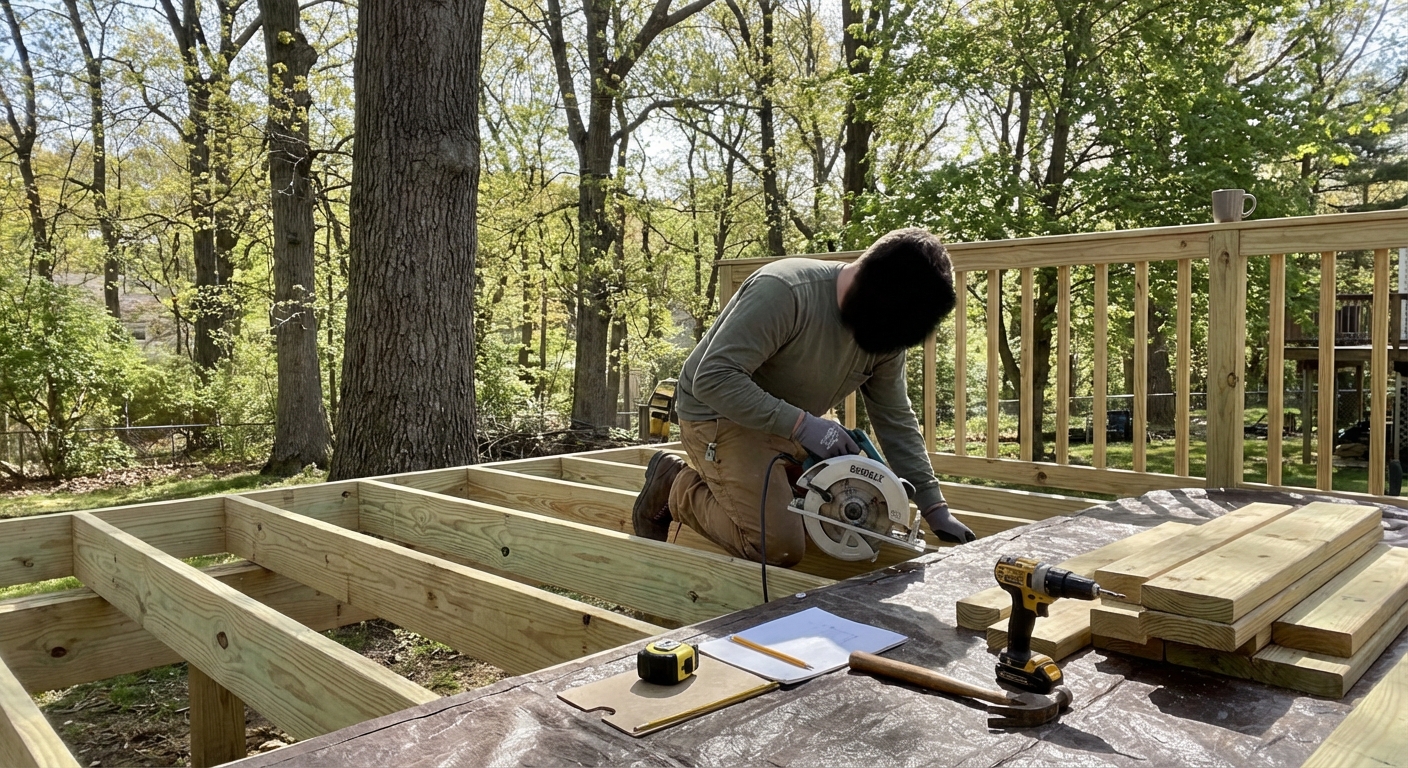
Building a deck in New Jersey can significantly enhance your outdoor living space, but it’s crucial to understand the specific regulations and challenges presented by the state’s climate and construction environment. New Jersey has some of the highest construction costs in the US, so planning and careful execution are key to a successful and affordable project. This guide will walk you through the entire process, from initial planning to final construction, keeping in mind New Jersey-specific requirements.
📐 Tool Alert: Deck Stair Calculator
Calculate rise, run, and stringer cuts while ensuring IRC/OBC code compliance.
Calculate Stairs →Planning Your New Jersey Deck Project
Before you even pick up a hammer, thorough planning is essential. This involves considering your budget, design, material choices, and, most importantly, local regulations.
🏗️ Planning a deck project?
Get a free manual project review, or visualize your dream deck with AI before requesting quotes.
Budgeting for Your Deck
Deck construction costs in New Jersey can vary widely depending on the materials you choose and the complexity of the design. Labor rates are high, and the permitting process can add to the overall expense. Here’s a breakdown of typical costs per square foot, installed:
| Material | Cost per sqft (Installed) |
|--------------------|---------------------------|
| Pressure-Treated | $30-50 |
| Composite | $50-85 |
| Cedar | $40-60 |
| Trex | $55-90 |
Remember to factor in additional costs such as permits, landscaping, and any unexpected expenses.
Deck Design Considerations
Think about how you plan to use your deck. Do you envision it as a space for grilling and dining, a relaxing lounge area, or a combination of both? Consider these popular features in New Jersey:
- Screened Porches: A must-have in NJ to combat mosquitoes, especially near wooded areas. See Screened Porch and Deck Combos in New Jersey: Beat the Bugs for inspiration.
- Multi-Level Decks: Ideal for properties with sloped yards, common in North and Central Jersey.
- Pool Decks: Create a seamless transition from your pool to your outdoor living space. Explore Pool Deck Ideas for New Jersey Backyards: Materials & Designs.
The design will influence your material choices and the complexity of the build.
Material Selection for New Jersey Weather
New Jersey's climate presents several challenges for outdoor structures. We experience hot, humid summers (85-95°F) and cold winters with snow and ice. We also get frequent nor'easters, bringing strong winds and heavy precipitation. Choosing the right materials is crucial for longevity.
- Pressure-Treated Lumber: The most economical option, but requires regular maintenance.
- Composite Decking: Low-maintenance and durable, but can be more expensive upfront. Brands like Trex are popular but can be on the higher end of the composite cost spectrum.
- Cedar: A naturally beautiful and durable option, but also requires some maintenance.
Navigating New Jersey's Regulations and Permits
New Jersey operates under the New Jersey Uniform Construction Code (UCC), which is enforced by local construction officials. Understanding these regulations is paramount.
- Permit Requirements: ALL decks over 200 sqft or higher than 30 inches require permits. Don't skip this step! Building without a permit can lead to fines and even forced removal of your deck.
- Coastal Areas (The Shore): If you live near the coast, you'll need to comply with the Coastal Area Facility Review Act (CAFRA). This adds another layer of complexity to the permitting process.
- Environmental Regulations: The NJ Department of Environmental Protection (DEP) regulates construction near wetlands, streams, and flood plains. If your property falls within these areas, you'll need to obtain additional permits.
- HOA Approval: Many New Jersey homes are part of Homeowners Associations (HOAs). You'll likely need to get their approval before you can even apply for a township permit.
Frost Line Depth
New Jersey has a 36-inch frost line, which is one of the deepest on the East Coast. This means your deck footings must extend at least 36 inches below ground level to prevent frost heave.
<!-- slot:after-intro -->
Deck Building Step-by-Step
Once you have your plans and permits in order, it's time to start building. Here's a general overview of the process:
1. Layout and Excavation
Mark out the perimeter of your deck and excavate for the footings. Remember to account for the 36-inch frost line.
2. Pouring the Footings
Pour concrete footings to support the deck posts. Ensure they are level and properly sized to support the weight of the deck.
3. Installing the Posts and Beams
Attach the posts to the footings and then install the beams that will support the joists.
4. Framing the Deck
Install the joists, ensuring they are properly spaced and securely fastened to the beams. This is a critical step for ensuring the structural integrity of your deck.
5. Installing the Decking
Attach the decking boards to the joists. Leave a small gap between the boards to allow for expansion and contraction.
6. Railings and Stairs
Install railings and stairs, ensuring they meet all safety codes. Consider using composite railing systems for low maintenance.
7. Finishing Touches
Add any finishing touches, such as trim, lighting, or built-in benches.
Termite Protection
New Jersey has moderate termite pressure. Applying subterranean termite treatment to the soil around the deck footings is a good preventative measure.
Best Time to Build
The best months to build a deck in New Jersey are April-June and September-October, when the weather is typically mild and dry.
Special Considerations for Different Regions of New Jersey
Building a deck in New Jersey isn't a one-size-fits-all process. Different regions have unique considerations:
- North Jersey: Expect smaller lot sizes and premium pricing for materials and labor.
- The Shore: Elevated decks are common to provide views and protect against flooding. Use hurricane-rated hardware and corrosion-resistant fasteners to withstand the harsh coastal environment. See Best Deck Builders in Atlantic City, NJ: Coastal Construction Experts and Best Deck Builders in Toms River, NJ: Shore Area Specialists for local contractor recommendations.
- Central Jersey: A mix of suburban and rural areas, requiring adaptability in design and material choices.
- South Jersey: Generally more affordable than North Jersey, but still requires careful planning and attention to detail. Best Deck Builders in Cherry Hill, NJ: South Jersey Guide offers insights into local expertise.
Use PaperPlan (paperplan.app) to visualize your deck with PaperPlan design with different materials and layouts before committing to a contractor. Experiment with different railing styles, decking patterns, and even landscaping options to see what looks best on your property.
<!-- slot:mid-content -->
Deck Maintenance in New Jersey
Once your deck is built, regular maintenance is essential to keep it in good condition and extend its lifespan.
- Cleaning: Clean your deck regularly to remove dirt, debris, and mildew.
- Sealing/Staining: Apply a sealant or stain every few years to protect the wood from the elements. Check out Deck Staining Tips for New Jersey Weather: Timing & Products for optimal timing and product recommendations.
- Inspecting: Regularly inspect your deck for signs of damage, such as rot, cracks, or loose fasteners.
- Winterizing: Prepare your deck for winter by removing snow and ice and protecting it from the elements. Review New Jersey Deck Maintenance by Season: Year-Round Care Guide for a seasonal checklist.
By following these steps, you can build a beautiful and durable deck that will provide years of enjoyment for you and your family. Remember to always prioritize safety and follow all local regulations. Building a deck yourself can be a rewarding experience, but it's important to be realistic about your skills and abilities. If you're not comfortable with any aspect of the project, it's best to hire a qualified contractor.
<!-- slot:before-faq -->
🎨 Not sure which material to pick?
Upload a photo of your backyard and see exactly how Trex, TimberTech, or cedar would look — free and instant.
Frequently Asked Questions
Do I really need a permit to build a deck in New Jersey?
Yes, absolutely. In New Jersey, any deck over 200 square feet or higher than 30 inches requires a permit. Building without a permit can result in fines, legal issues, and even having to tear down your deck. It's always best to check with your local building department to ensure compliance.
How deep do my deck footings need to be in New Jersey?
Due to New Jersey's climate, your deck footings must extend at least 36 inches below ground level. This is to prevent frost heave, which can damage your deck over time.
What's the best material to use for a deck in New Jersey?
The "best" material depends on your budget and priorities. Pressure-treated lumber is the most affordable, but requires more maintenance. Composite decking is low-maintenance and durable, but more expensive. Cedar offers a balance of beauty and durability, but also needs some upkeep.
How much does it cost to build a deck in New Jersey?
Expect to pay anywhere from $30 to $90 per square foot installed, depending on the material you choose. Pressure-treated lumber is on the lower end, while composite decking like Trex is on the higher end. Labor costs and permit fees will also add to the overall expense.
Do I need to worry about termites when building a deck in New Jersey?
Yes, termite pressure is moderate in New Jersey. It's a good idea to apply subterranean termite treatment to the soil around your deck footings as a preventative measure. Regularly inspect your deck for signs of termite damage.
<!-- slot:end -->
📋 Planning a deck project?
Get a free manual project review from our team — no obligation, no spam.
Get Free Project Review →Upload a backyard photo and preview real decking materials with AI — free, instant, no sign-up.
Permits, costs, material comparisons, and questions to ask before requesting quotes — delivered to your inbox.