
Deck Staining Tips for New Jersey Weath (2026)
Protect your deck from harsh New Jersey weather! Learn the best time to stain, product choices, and prep for lasting beauty.
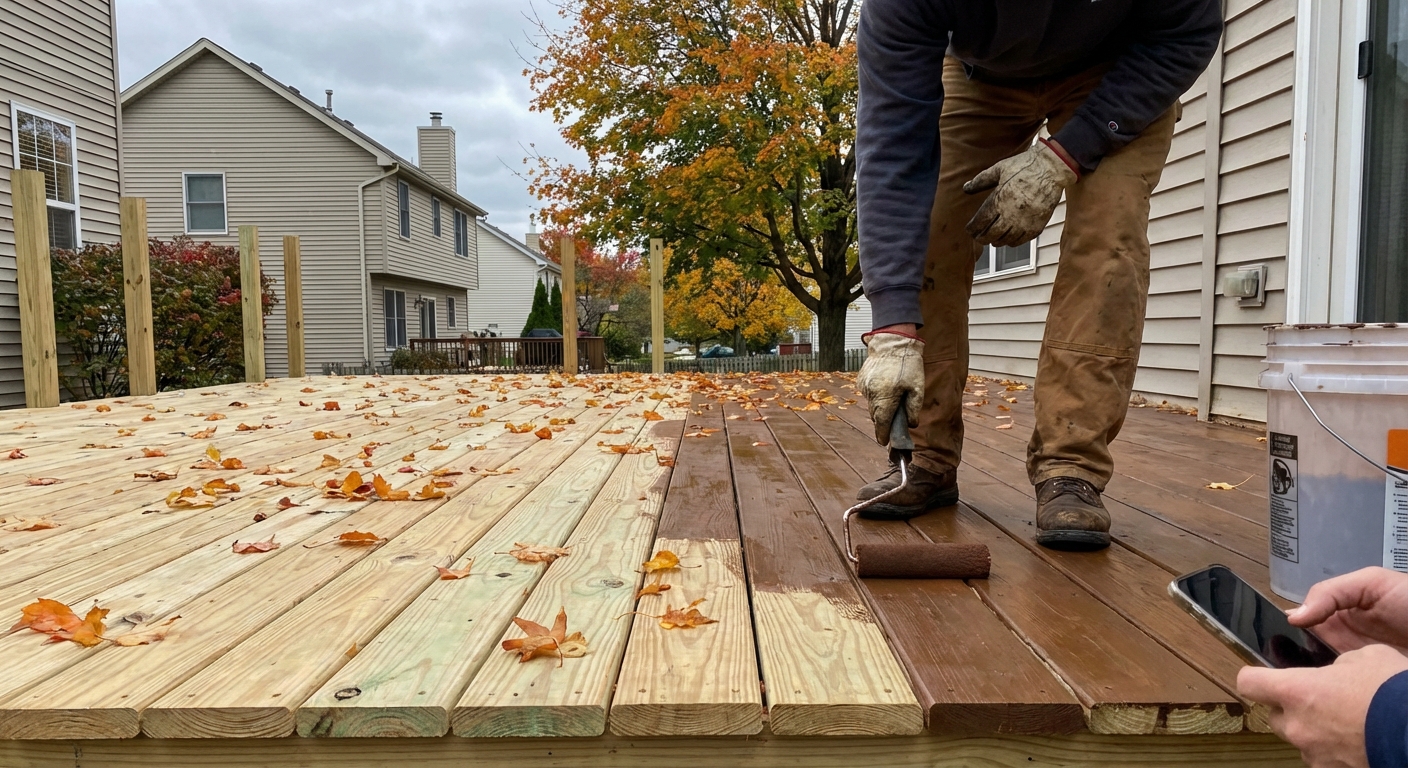
Is your New Jersey deck looking weathered and worn? Staining is crucial to protect it from the elements and keep it looking its best. But with New Jersey's unpredictable weather – hot, humid summers and cold, snowy winters – knowing when and how to stain your deck is essential. This guide will walk you through the best practices for deck staining in NJ, ensuring a long-lasting and beautiful finish.
📐 Tool Alert: Deck Stair Calculator
Calculate rise, run, and stringer cuts while ensuring IRC/OBC code compliance.
Calculate Stairs →Understanding New Jersey's Impact on Your Deck
New Jersey's climate presents unique challenges for deck owners. We experience significant temperature swings, high humidity, and substantial rainfall – averaging 45-50 inches per year. Our winters bring freezing temperatures, snow, and ice, while summers can be scorching, with temperatures often reaching 85-95°F. These conditions can wreak havoc on your deck, leading to:
🏗️ Planning a deck project?
Get a free manual project review, or visualize your dream deck with AI before requesting quotes.
- Moisture Damage: Rain and snow can penetrate the wood, causing rot, decay, and warping.
- UV Damage: The sun's ultraviolet rays can fade and degrade the wood's surface, leading to cracking and splintering.
- Mold and Mildew Growth: High humidity creates a breeding ground for mold and mildew, which can stain and damage the wood.
- Freeze-Thaw Cycles: Water trapped in the wood expands when it freezes, putting stress on the wood fibers and causing cracks.
Furthermore, if you live near the shore, your deck is exposed to salt air, which accelerates corrosion and wood decay. Homes in North Jersey may face challenges related to smaller lot sizes and premium pricing, which can influence material choices and project scale.
<!-- slot:after-intro -->
Choosing the Right Time to Stain Your Deck
Timing is everything when it comes to deck staining. The ideal conditions in New Jersey are:
- Temperature: Between 50°F and 90°F consistently for several days.
- Dry Weather: No rain in the forecast for at least 24-48 hours before and after staining.
- Moderate Humidity: Avoid days with extremely high humidity, as it can slow down drying time.
Best Months: April-June and September-October generally offer the most favorable weather conditions for deck staining in New Jersey. These months provide a balance of moderate temperatures and lower humidity.
Avoid These Times:
- Mid-Summer: Extremely hot and humid days can cause the stain to dry too quickly, leading to uneven coverage and blistering.
- Late Fall/Winter: Freezing temperatures and precipitation can prevent the stain from adhering properly and cause it to crack and peel.
Before you even think about the temperature, consider the wood itself. New decks, particularly those built with pressure-treated lumber, need to "weather" before staining. This means allowing the wood to dry and acclimate to the environment for 6-12 months. This allows the chemicals used in the pressure-treating process to leach out, improving stain absorption.
Selecting the Right Stain for Your Deck
Choosing the right stain is crucial for protecting your deck and achieving the desired look. There are two main types of deck stains:
- Oil-Based Stains: These stains penetrate the wood deeply, providing excellent protection against moisture and UV damage. They are generally more durable and longer-lasting than water-based stains, but they can take longer to dry and may contain higher VOCs (volatile organic compounds).
- Water-Based Stains: These stains are easier to apply and clean up, dry quickly, and have lower VOCs. They are also more resistant to fading and mildew growth. However, they may not penetrate the wood as deeply as oil-based stains and may require more frequent reapplication.
Here's a breakdown to help you decide:
| Feature | Oil-Based Stain | Water-Based Stain |
|----------------|------------------------------------------------|------------------------------------------------|
| Penetration | Excellent | Good |
| Durability | High | Moderate |
| VOCs | High | Low |
| Dry Time | Longer | Shorter |
| Clean Up | Mineral Spirits | Soap and Water |
| Mildew Resistance | Good | Excellent |
| Best For | Older decks, maximum protection | Newer decks, environmentally conscious users |
Opacity Levels:
- Transparent Stains: These stains allow the natural wood grain to show through, providing minimal color. They offer the least protection and require more frequent reapplication.
- Semi-Transparent Stains: These stains enhance the wood grain while adding a hint of color. They offer moderate protection and are a good choice for decks in good condition.
- Semi-Solid Stains: These stains provide more color and hide some of the wood grain. They offer good protection and are a good choice for decks with minor imperfections.
- Solid Stains: These stains completely cover the wood grain, providing the most color and protection. They are a good choice for decks with significant imperfections or for those who want a painted look.
Consider Your Deck Material:
- Pressure-Treated Lumber: Choose a stain specifically designed for pressure-treated wood.
- Cedar: Use a stain that enhances the natural beauty of cedar and protects it from UV damage.
- Composite Decking (Trex, etc.): Check the manufacturer's recommendations for compatible stains or sealers. While many composite decks are low-maintenance, some require periodic sealing to maintain their color and protect against stains.
Preparing Your Deck for Staining: A Step-by-Step Guide
Proper preparation is essential for a successful deck staining project. Follow these steps:
1. Clean the Deck: Thoroughly clean the deck to remove dirt, debris, mildew, and old stain. Use a deck cleaner and a stiff-bristled brush or a pressure washer (set to a low pressure to avoid damaging the wood).
2. Sand the Deck: Sanding smooths the surface, removes any remaining imperfections, and opens the wood pores for better stain absorption. Use a medium-grit sandpaper (80-100 grit) for general sanding and a fine-grit sandpaper (120-150 grit) for finishing.
3. Repair Any Damage: Repair any damaged boards, loose nails, or screws before staining. Replace rotted or severely damaged boards.
4. Brighten the Wood (Optional): Use a wood brightener to restore the wood's natural color and improve stain adhesion.
5. Let the Deck Dry: Allow the deck to dry completely for at least 24-48 hours before staining. The wood should have a moisture content of 12-15% for optimal stain absorption. You can use a moisture meter to check the moisture content.
6. Protect Surrounding Areas: Cover any plants, shrubs, or surfaces that you don't want to get stained.
The Staining Process: Applying the Stain Like a Pro
Now that your deck is prepped, it's time to apply the stain.
1. Choose Your Tools: Use a high-quality brush, roller, or sprayer designed for deck staining. A brush is best for applying stain to edges, corners, and hard-to-reach areas. A roller is good for covering large areas quickly. A sprayer can provide a more even coat, but it requires more skill and can create overspray.
2. Stir the Stain: Thoroughly stir the stain to ensure even color distribution.
3. Test the Stain: Test the stain in an inconspicuous area to ensure you like the color and the way it looks on the wood.
4. Apply the Stain: Apply the stain in thin, even coats, following the wood grain. Avoid applying too much stain, as it can lead to drips and runs.
5. Back-Brush or Back-Roll: After applying the stain, use a brush or roller to work it into the wood pores. This helps to ensure even coverage and prevents the stain from pooling.
6. Wipe Off Excess Stain: After 10-15 minutes, wipe off any excess stain with a clean rag. This helps to prevent the stain from becoming sticky or glossy.
7. Apply a Second Coat (Optional): If you want a darker color or more protection, apply a second coat of stain after the first coat has dried completely.
8. Let the Deck Dry: Allow the deck to dry completely for at least 24-48 hours before using it.
<!-- slot:mid-content -->
Deck Costs in New Jersey: An Investment in Your Home
Deck construction costs in New Jersey are among the highest in the nation. This is influenced by factors like high labor rates, complex permitting processes (due to the NJ Uniform Construction Code (UCC) and local enforcement), and high property values. Remember that all decks over 200 sqft or higher than 30 inches require permits. Shore towns also have CAFRA (Coastal Area Facility Review Act) requirements, and the NJ DEP regulates builds near wetlands, streams, and flood plains.
Here's a general cost estimate per square foot, installed:
| Material | Cost per SqFt (Installed) | Notes |
|--------------------|---------------------------|-------------------------------------------------------------------------------------------------------------------------------------------------------------------------------------------------|
| Pressure-Treated | $30-50 | Most affordable option; requires regular maintenance and staining. |
| Cedar | $40-60 | Naturally beautiful and durable; requires less maintenance than pressure-treated wood but more than composite. |
| Composite (Generic) | $50-85 | Low-maintenance option; resists rot, decay, and insects; can be more expensive upfront. |
| Trex | $55-90 | A popular brand of composite decking; known for its durability and wide range of colors and styles. Consider PaperPlan (paperplan.app) to visualize your deck with PaperPlan design with different materials and layouts before committing to a contractor. |
Additional Cost Considerations:
- Demolition of Existing Deck: $5-10 per square foot.
- Permitting Fees: Can range from $500 to $2,000 depending on the size and complexity of the project.
- Railings and Stairs: Add significant cost, especially if you choose custom designs or high-end materials.
- Features: Screened porches, multi-level designs, and pool decks will increase the overall cost.
- Location: Decks in North Jersey may have higher costs due to smaller lots and premium pricing. Shore decks require hurricane-rated hardware and corrosion-resistant fasteners, adding to the expense.
Maintaining Your Stained Deck: Protecting Your Investment
Once your deck is stained, proper maintenance is essential to keep it looking its best and protect it from the elements.
- Clean Regularly: Clean your deck regularly with a mild soap and water solution to remove dirt, debris, and mildew.
- Inspect for Damage: Inspect your deck regularly for signs of damage, such as cracks, splinters, or rot. Repair any damage promptly to prevent it from getting worse.
- Re-Stain as Needed: Re-stain your deck every 2-3 years, or as needed, to maintain its protection and appearance. The frequency of re-staining will depend on the type of stain you used, the amount of sun exposure your deck receives, and the severity of the weather conditions.
- Protect from Snow and Ice: In the winter, remove snow and ice from your deck to prevent moisture damage. Use a plastic shovel to avoid damaging the wood.
- Clear Debris: Regularly clear leaves, pine needles, and other debris from your deck to prevent moisture buildup and mildew growth.
Dealing with Common Deck Staining Problems
- Uneven Stain Coverage: This can be caused by improper surface preparation, applying too much stain, or using a low-quality stain. To fix this, sand the affected area and re-stain.
- Blistering: This can be caused by applying stain in direct sunlight or on a hot day. To fix this, sand the affected area and re-stain in cooler conditions.
- Peeling: This can be caused by applying stain to a damp surface or using a stain that is not compatible with the wood. To fix this, remove the peeling stain and re-stain with a compatible product.
- Mold and Mildew Growth: This can be prevented by cleaning the deck regularly with a mildew-resistant cleaner and applying a stain that contains mildewcides.
<!-- slot:before-faq -->
Staining your deck is an investment in your New Jersey home. By choosing the right time, stain, and preparation methods, you can protect your deck from the elements and keep it looking beautiful for years to come. Remember to always follow the manufacturer's instructions for the stain you choose and to take the necessary safety precautions when working with chemicals. And remember that many NJ homes are in HOA communities that require approval before you can even apply for a township permit, so be sure to check your HOA guidelines.
<!-- slot:end -->
🎨 Not sure which material to pick?
Upload a photo of your backyard and see exactly how Trex, TimberTech, or cedar would look — free and instant.
Frequently Asked Questions
How do I know if my deck needs to be stained?
Look for signs of weathering, such as fading, cracking, splintering, or discoloration. Water should bead up on the surface of the wood. If the water soaks in quickly, it's time to stain.
Can I stain my deck if it's going to rain the next day?
No. Avoid staining your deck if rain is expected within 24-48 hours after application. Rain can wash away the stain and prevent it from adhering properly.
What's the best way to clean my deck before staining?
Use a deck cleaner and a stiff-bristled brush or a pressure washer (set to a low pressure). Be sure to remove all dirt, debris, mildew, and old stain.
How long does it take for deck stain to dry?
Drying time varies depending on the type of stain, the weather conditions, and the thickness of the application. Generally, it takes 24-48 hours for deck stain to dry completely. Check the manufacturer's instructions for specific drying times.
Should I hire a professional deck builder to stain my deck?
If you're not comfortable staining your deck yourself, or if you have a large or complex deck, hiring a professional deck builder is a good option. They have the experience and expertise to ensure a successful staining project.
Deck Design Ideas for New Jersey Homes: Inspiration for 2026
Screened Porch and Deck Combos in New Jersey: Beat the Bugs
New Jersey Deck Maintenance by Season: Year-Round Care Guide
How to Build a Deck in New Jersey: DIY Guide with Local Rules
📋 Planning a deck project?
Get a free manual project review from our team — no obligation, no spam.
Get Free Project Review →Upload a backyard photo and preview real decking materials with AI — free, instant, no sign-up.
Permits, costs, material comparisons, and questions to ask before requesting quotes — delivered to your inbox.