
Deck Permits in Chandler (2026)
Need a deck permit in Chandler? Learn requirements, fees, building codes, setback rules, and how to apply through Chandler's Development Services in 2026.
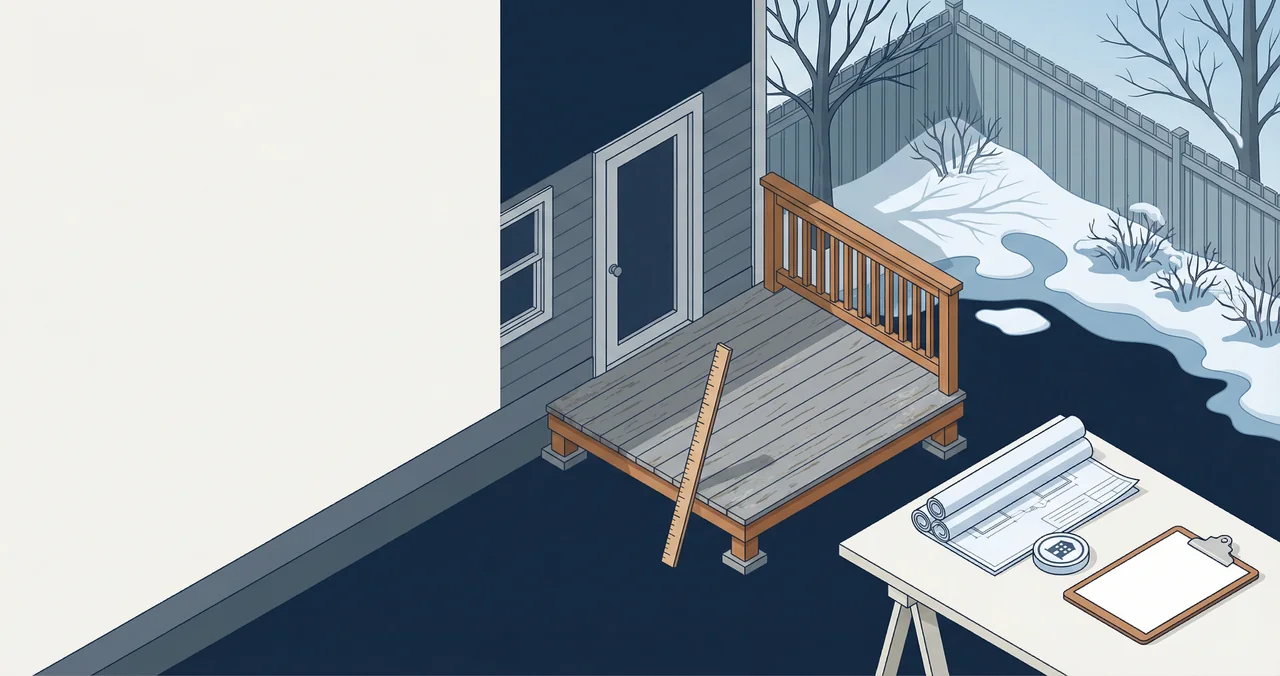
Deck Permits in Chandler: Requirements, Costs & How to Apply in 2026
Building a deck in Chandler without pulling the right permits can cost you thousands — in fines, forced removal, or complications when you sell your home. Here's exactly what Chandler requires, what it costs, and how to get through the process without delays.
🏗️ Planning a deck project?
Get a free manual project review, or visualize your dream deck with AI before requesting quotes.
📋 Tool Alert: Permit Checker
Do you really need a permit? Check the exact rules for your city or township.
Check Permits →Looking for more regional information? Check out our Arizona State Decking Hub.
Do You Need a Deck Permit in Chandler?
Yes, most deck projects in Chandler require a building permit. The City of Chandler's Development Services Department requires permits for decks that meet either of these thresholds:
- Over 200 square feet in total area
- More than 30 inches above grade at any point
If your deck is both under 200 square feet *and* 30 inches or less above grade, you likely don't need a permit. But there's a catch — even small decks may need review if they're attached to your home's structure, located near property lines, or within a homeowners association (HOA) that imposes additional requirements.
A ground-level platform deck in your backyard for a grill station? Probably fine without a permit. A raised deck off the back of your home in a neighborhood like Sun Groves or Ocotillo? You almost certainly need one.
When in doubt, call Chandler's Development Services at (480) 782-3000. A quick phone call can save you from a much more expensive problem later.
<!-- slot:after-intro -->
When a Permit Is Required
Here's a straightforward breakdown of what triggers the permit requirement in Chandler:
You Need a Permit If:
- Your deck exceeds 200 square feet
- Any part of the deck is more than 30 inches above the ground
- The deck attaches to your home (ledger board connection)
- You're adding electrical wiring for outlets, lighting, or fans
- The project includes a roof structure, pergola, or shade cover
- You're building near or over an easement or utility line
You Probably Don't Need a Permit If:
- The deck is 200 square feet or under AND 30 inches or less above grade
- It's a freestanding ground-level platform with no roof structure
- No electrical work is involved
Even permit-exempt projects must still comply with Chandler's zoning setback requirements and HOA rules. Skipping the permit doesn't mean skipping the rules.
Worth noting: if you're considering a freestanding deck versus an attached deck, the permitting process can differ. Freestanding structures sometimes face fewer structural requirements, though Chandler still applies the same size and height thresholds.
Permit Fees & Processing Time
How Much Does a Deck Permit Cost in Chandler?
Chandler calculates permit fees based on the estimated project valuation — essentially, what your deck will cost to build. Here's what to expect in 2026:
| Project Valuation | Estimated Permit Fee |
|---|---|
| Under $5,000 | $75–$150 |
| $5,000–$15,000 | $150–$350 |
| $15,000–$30,000 | $350–$550 |
| Over $30,000 | $550–$800+ |
Additional fees may apply for:
- Plan review: $50–$150
- Re-inspection fees: $75+ per visit if your project fails inspection
- Expedited review: Available for an additional charge if you need faster turnaround
For context, a typical 300-square-foot composite deck in Chandler runs $13,500–$22,500 installed (at $45–$75/sq ft), putting your permit fee in the $150–$550 range. A pressure-treated wood deck at $25–$45/sq ft would cost less, potentially landing in a lower fee bracket.
How Long Does It Take?
- Standard plan review: 10–15 business days
- Simple residential decks: Sometimes faster, especially if plans are complete and code-compliant
- Expedited review: 3–5 business days (additional fee)
Incomplete applications are the number-one cause of delays. Missing a site plan or structural detail sends you back to square one.
Building Codes & Setback Rules
Chandler follows the International Residential Code (IRC) as adopted by the State of Arizona, with local amendments. Here are the key code requirements for residential decks:
Structural Requirements
- Footings must extend to a minimum depth of 12 inches below grade (Chandler's frost line is shallow at 6–12 inches, but footing depth ensures stability in the region's expansive clay soils)
- Ledger board connections must use approved fasteners — typically ½-inch lag screws or through-bolts with proper flashing to prevent moisture intrusion
- Beam and joist sizing must follow IRC span tables based on lumber species and spacing
- Deck railings are required on any deck surface 30 inches or more above grade, with a minimum height of 36 inches for residential applications
- Baluster spacing cannot exceed 4 inches (the "4-inch sphere rule")
- Stairways need a minimum 36-inch width, with proper rise and run dimensions
Setback Requirements
Chandler's zoning code sets minimum distances from property lines:
- Rear setback: Typically 10–20 feet, depending on your zoning district
- Side setback: Usually 5–10 feet
- Front setback: Decks in front yards are rare and face stricter requirements
Your specific setbacks depend on your zoning designation (R1-7, R1-9, PAD, etc.). Check your property's zoning through the Chandler GIS mapping tool or request a zoning verification letter from Development Services.
HOA restrictions often exceed city requirements. Many Chandler communities — Fulton Ranch, The Islands, Bridges at Gilbert Road — have architectural review committees that control materials, colors, and even deck placement. Get your HOA approval *before* applying for your city permit.
Chandler-Specific Climate Considerations
Building code compliance is one thing. Building smart for Chandler's climate is another.
- Deck surface temperatures matter. Dark composite boards can exceed 150°F in direct summer sun. Light-colored composite or capped PVC handles the heat best. If you're comparing materials, understanding your decking options helps you pick something that won't blister bare feet.
- UV degradation is real. Chandler gets 299+ sunny days per year. Uncapped composite and untreated wood fade and crack fast. Budget for UV-resistant materials upfront — it's cheaper than replacing boards in five years.
- Post anchors over buried posts. In Chandler's expansive soils, surface-mounted post anchors on concrete footings give you better long-term stability than buried wood posts, which can shift as soil expands and contracts.
Use PaperPlan to visualize different decking materials on your own home before committing — it's especially useful for comparing how light versus dark colors look against your home's exterior.
<!-- slot:mid-content -->
How to Apply for a Deck Permit in Chandler
Step 1: Gather Your Documents
Before you submit anything, prepare these items:
- Site plan showing your property boundaries, existing structures, the proposed deck location, and distances to all property lines (setbacks)
- Construction drawings including a plan view, elevation view, and structural details (footing depth, joist spacing, beam sizes, ledger attachment method)
- Material specifications — the product type, manufacturer, and grade of lumber or composite you're using
- HOA approval letter (if applicable)
- Contractor license information if you're hiring a builder (Arizona requires a licensed contractor for projects over $1,000)
Step 2: Submit Your Application
Chandler offers online permit applications through their eTRAKiT portal. You can also apply in person at:
Chandler Development Services
215 E. Buffalo St.
Chandler, AZ 85225
For the online route:
1. Create an account on Chandler's eTRAKiT system
2. Select "Building Permit" and choose the residential deck category
3. Upload your site plan, construction drawings, and supporting documents
4. Pay the application fee
Step 3: Plan Review
Once submitted, a plan reviewer examines your documents for code compliance. This typically takes 10–15 business days. You'll receive comments through the portal if revisions are needed.
Pro tip: The most common reasons for rejection are missing setback dimensions on the site plan and incomplete structural calculations. Double-check these before submitting.
Step 4: Receive Your Permit & Build
Once approved, you'll receive your building permit. Post it visibly at the job site. Construction must begin within 180 days of permit issuance, or the permit expires.
Step 5: Schedule Inspections
Chandler typically requires these inspections for deck projects:
1. Footing inspection — before pouring concrete
2. Framing inspection — after structural framing is complete, before decking is installed
3. Final inspection — completed deck, including railings, stairs, and any electrical
Schedule inspections through eTRAKiT or by calling (480) 782-3000. Inspectors generally need 24 hours' notice.
If you're building your own deck, be aware that homeowners can pull their own permits in Chandler, but you're held to the same code standards as a licensed contractor.
What Happens If You Build Without a Permit
Building without a permit in Chandler isn't just risky — it has real consequences:
- Stop-work orders. If a code enforcement officer spots unpermitted construction, your project gets shut down immediately.
- Fines. Chandler can impose fines, and the cost of a retroactive permit is typically double the original permit fee.
- Forced removal. If the structure doesn't meet code and can't be brought into compliance, you may be ordered to demolish it — at your expense.
- Insurance problems. Your homeowner's insurance may deny claims related to an unpermitted structure. Deck collapse? Water damage from an improperly attached ledger board? You could be on the hook for everything.
- Sale complications. During a home sale, unpermitted work shows up in disclosure documents and title searches. Buyers walk away. Lenders refuse financing. You either retrofit the deck to code (expensive) or tear it down.
The risks of building without a permit extend far beyond the initial fine. It's simply not worth the gamble when a permit for most deck projects costs a few hundred dollars.
What About Neighbor Complaints?
Chandler's code enforcement operates on a complaint-driven basis for many residential issues. If a neighbor files a complaint about your deck, the city will investigate. Unpermitted construction is one of the most common triggers.
Deck Cost Context for Chandler Homeowners
Understanding permit costs is easier when you know what the overall project will run. Here's what Chandler homeowners typically pay in 2026 for professional deck installation:
| Material | Installed Cost (per sq ft) | 300 sq ft Deck Total |
|---|---|---|
| Pressure-treated wood | $25–$45 | $7,500–$13,500 |
| Cedar | $35–$55 | $10,500–$16,500 |
| Composite | $45–$75 | $13,500–$22,500 |
| Trex (brand-name composite) | $50–$80 | $15,000–$24,000 |
| Ipe (hardwood) | $60–$100 | $18,000–$30,000 |
In Chandler's extreme heat, light-colored composite and capped PVC deliver the best long-term value. Pressure-treated wood is cheapest upfront but requires annual sealing to prevent UV damage and cracking — and it gets brutally hot underfoot. Cedar looks great but needs even more maintenance in the desert.
For a deeper comparison of costs by deck size, check out how pricing scales for a 12x16 deck or a larger 20x20 deck.
Best Time to Build in Chandler
Schedule your deck project for October through May. Summer construction between June and September means working in 110°F+ heat, which is dangerous for workers and affects material performance. Most Chandler contractors either charge premiums for summer work or won't schedule it at all.
The sweet spot is late fall through early spring — mild temperatures, minimal rain, and contractors have more availability after the summer slowdown.
<!-- slot:before-faq -->
🎨 Not sure which material to pick?
Upload a photo of your backyard and see exactly how Trex, TimberTech, or cedar would look — free and instant.
Frequently Asked Questions
How much does a deck permit cost in Chandler, Arizona?
Most residential deck permits in Chandler cost between $75 and $550, depending on your project's total valuation. A standard backyard deck in the $10,000–$20,000 range typically falls in the $150–$550 bracket. Plan review fees and inspection fees may add another $50–$150.
Can I build a small deck without a permit in Chandler?
Yes — if your deck is 200 square feet or less and 30 inches or lower above grade, you generally don't need a building permit. However, you still must comply with zoning setback requirements and any HOA restrictions. Even exempt decks can't encroach on easements or violate property line setbacks.
How long does it take to get a deck permit approved in Chandler?
Standard plan review takes 10–15 business days. Expedited review is available for an additional fee and can reduce the timeline to 3–5 business days. Incomplete submissions add weeks — make sure your site plan includes all setback dimensions and your construction drawings show footing details.
Do I need a licensed contractor to build a deck in Chandler?
Arizona law requires a licensed contractor for projects exceeding $1,000 in total cost (including materials and labor). Since nearly every deck project exceeds this threshold, you'll either need to hire a licensed contractor or pull a homeowner-builder permit if you're doing the work yourself on your primary residence. Homeowner-builders must meet the same code requirements. When choosing a deck builder in the Phoenix area, verify their ROC (Registrar of Contractors) license number.
What materials work best for decks in Chandler's heat?
Light-colored composite decking or capped PVC performs best in Chandler. Dark-colored materials can reach surface temperatures above 150°F in direct sun — painful to walk on and accelerating material degradation. Avoid dark browns and blacks. If you prefer natural wood, cedar is more heat-resistant than pressure-treated pine, but requires diligent UV sealing. Lower humidity means less mold and rot risk, which is one advantage — but UV protection is the top priority in this climate.
<!-- slot:end -->
📋 Planning a deck project?
Get a free manual project review from our team — no obligation, no spam.
Get Free Project Review →Upload a backyard photo and preview real decking materials with AI — free, instant, no sign-up.
Permits, costs, material comparisons, and questions to ask before requesting quotes — delivered to your inbox.