
Deck Permits in Fort Worth (2026)
Need a deck permit in Fort Worth? Learn requirements, fees, building codes, setback rules, and how to apply. Updated for 2026 with local costs and timelines.
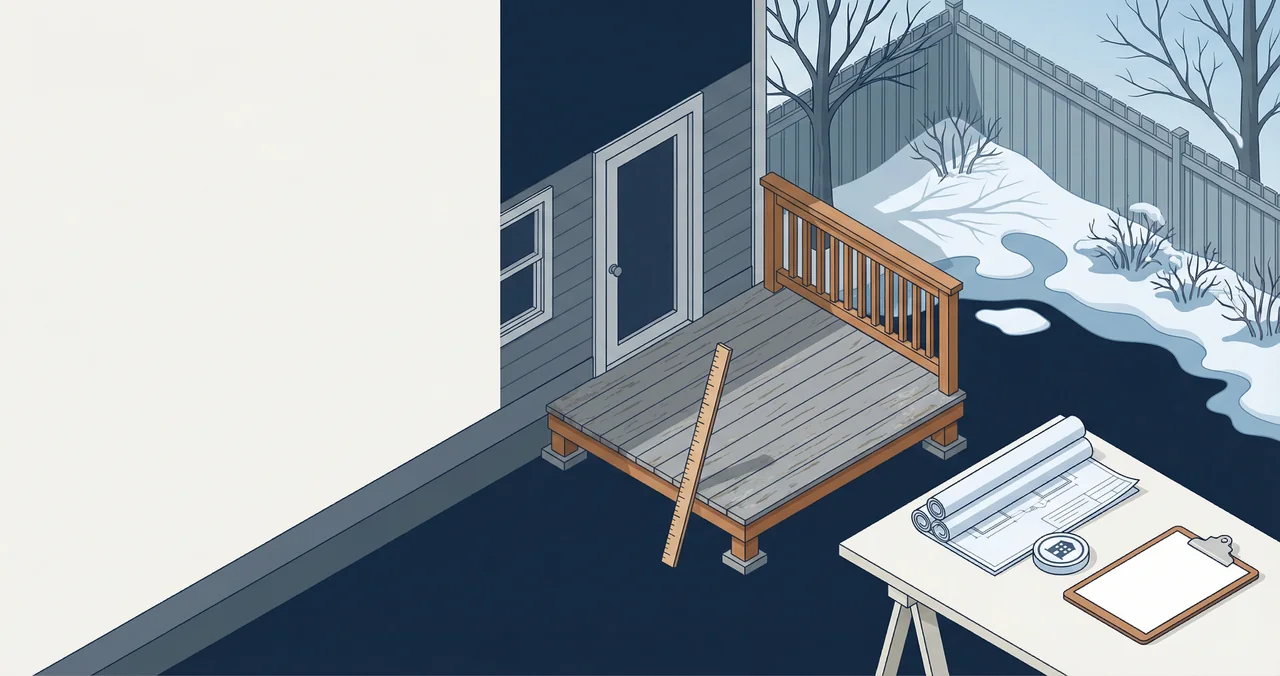
Deck Permits in Fort Worth: Requirements, Costs & How to Apply in 2026
If you're planning to build a deck in Fort Worth, the permit question is probably one of the first things on your mind — and for good reason. Skip this step, and you could face fines, forced removal, or a nightmare when you try to sell your home. Here's exactly what Fort Worth requires, what it costs, and how to get through the process without headaches.
🏗️ Planning a deck project?
Get a free manual project review, or visualize your dream deck with AI before requesting quotes.
📋 Tool Alert: Permit Checker
Do you really need a permit? Check the exact rules for your city or township.
Check Permits →Looking for more regional information? Check out our Texas State Decking Hub.
Do You Need a Deck Permit in Fort Worth?
Yes, most deck projects in Fort Worth require a building permit. The City of Fort Worth's Development Services Department requires permits for decks that meet either of these thresholds:
- More than 200 square feet in total area
- More than 30 inches above grade at any point
That means a small ground-level platform under 200 square feet — like a simple 10×16 landing off your back door — might be exempt. But the moment you go bigger or higher, you need a permit.
A few important notes Fort Worth homeowners often miss:
- Attached decks always require a permit regardless of size, because they connect to your home's structure and must meet ledger board attachment standards.
- Covered decks or pergola additions trigger additional permitting requirements, sometimes including electrical permits if you're adding lighting or fans.
- Hot tub platforms may need a permit even if the deck itself is small, due to the concentrated load requirements.
When in doubt, call Fort Worth's Development Services Department at (817) 392-2222. A five-minute phone call can save you thousands in fines.
<!-- slot:after-intro -->
When a Permit Is Required
Here's a quick breakdown of common Fort Worth deck projects and whether they typically need a permit:
| Project Type | Permit Required? |
|---|---|
| Ground-level deck under 200 sq ft, freestanding | Usually no |
| Ground-level deck over 200 sq ft | Yes |
| Elevated deck (30+ inches above grade) | Yes |
| Deck attached to the house (any size) | Yes |
| Replacing deck boards on existing frame | No |
| Adding stairs to an existing deck | Yes |
| Covered deck or deck with roof | Yes (may need multiple permits) |
| Deck with built-in electrical | Yes (separate electrical permit) |
What About Freestanding Decks?
Fort Worth treats freestanding (detached) decks differently from attached decks. A freestanding deck under 200 square feet and under 30 inches high is generally exempt. But don't assume "freestanding" means you can build whatever you want. If your deck is close to a property line, sits within an easement, or exceeds height limits, you still need to comply with zoning rules — permit or not.
If you're weighing whether to attach your deck to the house or keep it freestanding, understanding the permit differences between attached and freestanding decks can help you decide.
Permit Fees & Processing Time
How Much Does a Fort Worth Deck Permit Cost?
Fort Worth's building permit fees are based on project valuation. For most residential deck projects, expect to pay:
- Standard deck permit: $75–$300 depending on the project's total valuation
- Plan review fee: $50–$150 (included in some permit types)
- Reinspection fee: $75 per reinspection if you fail an inspection
For a typical 300–400 square foot deck with an estimated project value of $8,000–$20,000, your permit fee will likely land in the $150–$250 range. Larger or more complex projects — multi-level decks, covered structures, or decks with electrical — will cost more.
To estimate your total project cost, a pressure-treated deck in Fort Worth runs about $25–$45 per square foot installed, while composite decking comes in at $45–$75 per square foot installed. Your permit cost is a fraction of the total investment.
How Long Does It Take?
- Residential plan review: 5–10 business days for straightforward deck plans
- Permit issuance: Same day once plans are approved
- Expedited review: Available for an additional fee (typically double the plan review cost)
Fort Worth's Development Services has moved much of the process online through their ProjectDox portal, which speeds things up considerably. Simple residential decks rarely hit delays unless there are zoning conflicts or incomplete submissions.
<!-- slot:mid-content -->
Building Codes & Setback Rules in Fort Worth
Fort Worth follows the International Residential Code (IRC) with local amendments. Here's what matters for your deck project.
Structural Requirements
- Footings must extend below the frost line. In Fort Worth, that's 6–12 inches deep, though most contractors go to 18–24 inches for stability in the area's expansive clay soils.
- Post sizes: Minimum 4×4 for decks under 8 feet high, 6×6 for taller structures.
- Joist spacing: Typically 16 inches on center for standard decking, though some composite manufacturers require 12-inch spacing — check your material specs.
- Ledger boards must be lag-bolted or through-bolted into the house's rim joist with proper flashing. This connection point is the number one failure area inspectors flag in Fort Worth.
- Beam spans and joist spans must comply with IRC span tables based on lumber species and grade.
Setback Requirements
Fort Worth zoning typically requires:
- Rear setback: 5–20 feet from the rear property line (varies by zoning district)
- Side setback: 5 feet minimum from the side property line
- Easement restrictions: No permanent structures within utility easements — and Fort Worth has a lot of them, particularly in neighborhoods like Westover Hills, Ridglea, and the Cultural District area
Your specific setbacks depend on your zoning district. You can look up your property's zoning on the City of Fort Worth's GIS mapping tool or call Development Services to confirm before you design your deck.
Railing Requirements
- Railings are required on any deck surface 30 inches or more above grade
- Minimum railing height: 36 inches for residential decks
- Baluster spacing: No more than 4 inches between balusters (the "4-inch sphere" rule)
- Stair railings are required for any stairway with four or more risers
If you're exploring railing options, comparing deck railing systems can help you find something that meets code and fits your style.
Fort Worth Climate Considerations
Fort Worth's climate hits decks hard. Summer temperatures regularly exceed 100°F, humidity drives mold and mildew growth, and UV exposure degrades unprotected wood fast. Factor these into your material choice:
- Composite decking handles Fort Worth's moisture and UV far better than wood and won't attract termites — a real concern here. Expect to pay $45–$75 per square foot installed.
- Pressure-treated pine is the budget option at $25–$45 per square foot, but you'll need to seal it every 1–2 years to prevent warping and rot in this climate.
- Cedar offers natural insect resistance at $35–$55 per square foot, but still needs regular maintenance.
- Premium options like Trex ($50–$80/sq ft) or Ipe ($60–$100/sq ft) offer the longest lifespan with the least maintenance.
Use PaperPlan to visualize different decking materials on your own home before committing — it's much easier to compare composite versus wood tones when you can see them in context.
The best months to build in Fort Worth are October through April. You'll avoid the brutal summer heat that slows crews down and makes fresh sealant cure unevenly. Plus, contractor availability tends to be better in the cooler months, which gives you more negotiating room on pricing.
For more on choosing the right material for your climate, check out our guide on low-maintenance decking options.
How to Apply for a Deck Permit in Fort Worth
Step 1: Prepare Your Documents
Before you apply, gather:
- Site plan showing your property boundaries, the house footprint, and the proposed deck location with dimensions and distances to property lines
- Deck construction plans including framing layout, footing details, ledger board connection details, railing design, and materials list
- Elevation drawings showing deck height above grade
- Property survey (Fort Worth may require this if your deck is near a setback line)
Your plans don't need to be architect-drawn for a simple deck, but they must be legible and include enough structural detail for review. Many Fort Worth contractors include permit-ready drawings in their quotes.
Step 2: Submit Online Through ProjectDox
Fort Worth handles residential permits through their ProjectDox online portal:
1. Create an account on the City of Fort Worth's Development Services website
2. Upload your plans and documents
3. Pay the permit and plan review fees
4. Wait for plan review (5–10 business days)
You can also submit in person at the Development Services Center at 200 Texas Street, Fort Worth, TX 76102.
Step 3: Get Your Inspections
Once your permit is approved and construction begins, Fort Worth typically requires:
- Footing inspection — before pouring concrete
- Framing inspection — after framing is complete but before decking is installed
- Final inspection — after the deck is fully built
Schedule inspections at least 24 hours in advance by calling (817) 392-2222 or through the online portal. Failed inspections mean correction work and a reinspection fee, so make sure your contractor builds to the approved plans.
Step 4: Get Your Certificate of Completion
After passing the final inspection, you'll receive documentation that the deck was built to code. Keep this paperwork. You'll need it when you sell your home, refinance, or if any insurance questions come up.
What Happens If You Build Without a Permit
Building a deck without a required permit in Fort Worth is a gamble that rarely pays off. Here's what you're risking:
- Stop work orders. If a code enforcement officer spots unpermitted construction, they'll shut it down immediately.
- Fines. Fort Worth can levy fines of up to $2,000 per day for building code violations. These add up fast.
- Forced removal. The city can require you to tear down an unpermitted deck entirely. You eat the full construction cost plus demolition.
- Double permit fees. If you try to get a permit after the fact, expect to pay double the standard fee — and there's no guarantee the city will approve what's already built.
- Insurance problems. Your homeowner's insurance may deny claims related to an unpermitted structure. If someone gets hurt on your deck, you're exposed.
- Sale complications. Title companies and buyers' inspectors flag unpermitted work. It can delay or kill a sale, or force you to negotiate a significant price reduction.
The permit costs a few hundred dollars. The consequences of skipping it can cost tens of thousands. Understanding the full risks of building without a permit is worth your time before you make that decision.
Can You Get a Permit After the Fact?
Sometimes. Fort Worth allows "after-the-fact" permits in some cases, but the process is more expensive and less certain. You'll need to expose structural elements for inspection, which may mean removing decking to show framing and footings. If the structure doesn't meet code, you'll pay for both the inspection and the corrections.
<!-- slot:before-faq -->
🎨 Not sure which material to pick?
Upload a photo of your backyard and see exactly how Trex, TimberTech, or cedar would look — free and instant.
Frequently Asked Questions
How much does a deck permit cost in Fort Worth?
Most Fort Worth deck permits cost between $75 and $300, depending on the project's total valuation. A typical backyard deck in the $10,000–$20,000 range will usually have a permit fee around $150–$250. Plan review fees and any reinspection fees are additional. Budget roughly 1–2% of your total project cost for all permit-related expenses.
How long does it take to get a deck permit in Fort Worth?
Plan review typically takes 5–10 business days for a standard residential deck. Once approved, the permit is issued the same day. Expedited review is available for an additional fee. The most common cause of delays is incomplete plan submissions — make sure your drawings include all structural details before submitting.
Can I build a deck without a permit in Fort Worth?
If your deck is freestanding, under 200 square feet, and under 30 inches above grade, you generally don't need a permit. Anything beyond those thresholds requires one. Building a permitted-size deck without authorization can result in fines up to $2,000 per day, forced removal, and complications when selling your home. It's not worth the risk on a project that typically costs $75–$300 to permit.
Do I need a permit to replace my existing deck in Fort Worth?
It depends on the scope. Replacing just the deck boards on an existing, code-compliant frame typically doesn't require a permit. But if you're replacing the structural framing, changing the footprint, or altering the height, you'll need a new permit. When in doubt, call Development Services — they'll tell you quickly whether your project needs one.
What inspections are required for a deck in Fort Worth?
Fort Worth typically requires three inspections: a footing inspection (before concrete is poured), a framing inspection (after the frame is built but before decking goes on), and a final inspection (after completion). Each inspection must be scheduled at least 24 hours in advance. If you fail an inspection, you'll need to correct the issue and pay a $75 reinspection fee.
<!-- slot:end -->
📋 Planning a deck project?
Get a free manual project review from our team — no obligation, no spam.
Get Free Project Review →Upload a backyard photo and preview real decking materials with AI — free, instant, no sign-up.
Permits, costs, material comparisons, and questions to ask before requesting quotes — delivered to your inbox.