
Deck Permits in San Francisco (2026)
Need a deck permit in San Francisco? Learn 2026 requirements, fees, building codes, setback rules, and step-by-step application process for SF homeowners.
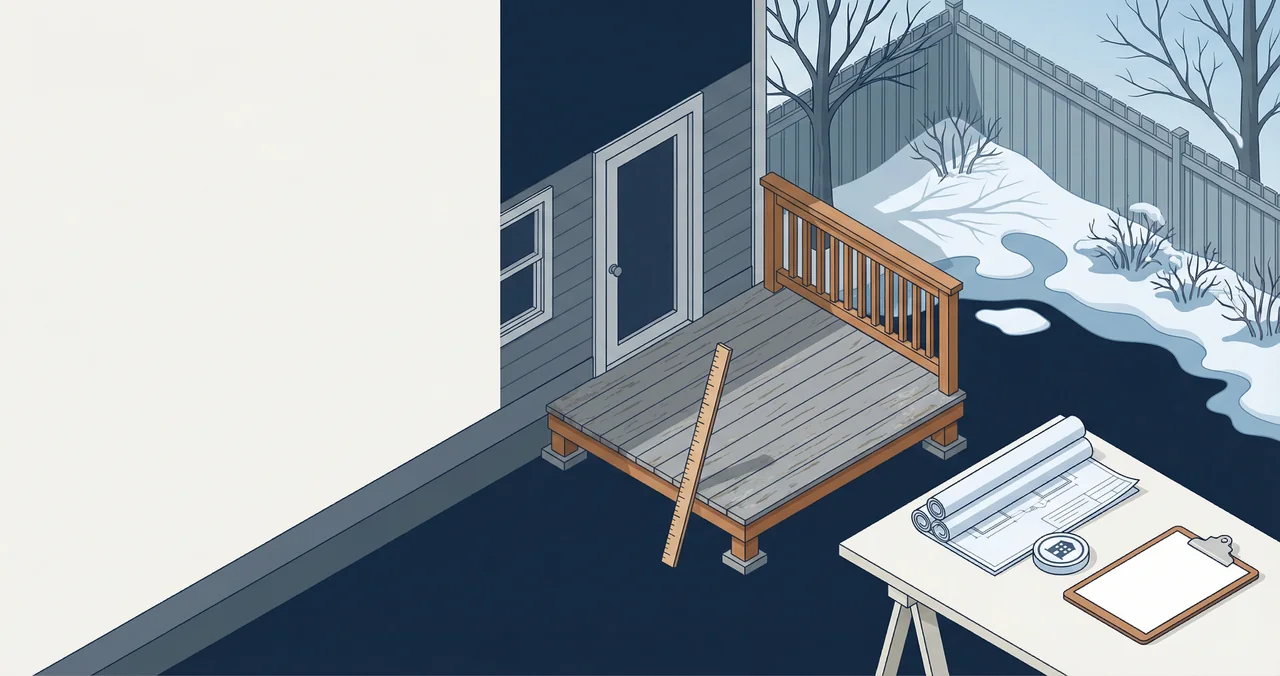
Deck Permits in San Francisco: Requirements, Costs & How to Apply in 2026
Building a deck in San Francisco without pulling the right permits can cost you thousands in fines — or force you to tear the whole thing down. Before you pick out decking materials or hire a contractor, you need to know exactly what San Francisco's Department of Building Inspection (DBI) requires.
🏗️ Planning a deck project?
Get a free manual project review, or visualize your dream deck with AI before requesting quotes.
📋 Tool Alert: Permit Checker
Do you really need a permit? Check the exact rules for your city or township.
Check Permits →Looking for more regional information? Check out our California State Decking Hub.
Here's everything San Francisco homeowners need to know about deck permits in 2026, from when you need one to how much it costs and how to apply.
<!-- slot:after-intro -->
Do You Need a Deck Permit in San Francisco?
Yes, in most cases. San Francisco requires a building permit for nearly all deck construction. The city's Department of Building Inspection enforces some of the strictest permitting requirements in California.
The general rule: you need a permit if your deck is over 200 square feet or more than 30 inches above grade. But San Francisco applies additional scrutiny that many other cities don't. Because of the city's dense lot configurations, steep hillside lots, and seismic requirements, even smaller projects often trigger a permit.
A few things that make SF different from other California cities:
- Hillside lots in neighborhoods like Twin Peaks, Noe Valley, and Bernal Heights often require additional geotechnical review
- Seismic bracing requirements apply to elevated decks and must meet current California Building Code standards
- Historic districts like the Mission, Haight-Ashbury, and Pacific Heights may trigger additional Planning Department review
- Lot coverage limits in many SF zoning districts can restrict how much of your yard a deck occupies
Even if your project seems small, calling DBI at (415) 558-6088 for a quick pre-application consultation is worth the five minutes.
When a Permit Is Required
Here's a straightforward breakdown:
You Definitely Need a Permit If:
- Your deck will be more than 30 inches above grade at any point
- The deck exceeds 200 square feet in area
- The deck attaches to your home's structure
- You're adding stairs, railings, or electrical (lighting, outlets)
- Your property is in a hillside special use district
- The project involves any structural modifications to an existing building
You Might Not Need a Permit If:
- The deck is at grade level (essentially a ground-level platform)
- It's under 200 square feet and under 30 inches high
- No electrical work is involved
- The structure is freestanding and doesn't attach to the house
Important caveat: Even permit-exempt decks must still comply with all zoning setback rules and lot coverage requirements. And "permit-exempt" doesn't mean "code-exempt." Your deck still needs to meet structural and safety standards.
If you're weighing whether an attached or freestanding deck makes more sense for your permit situation, the freestanding route sometimes simplifies the process — though in San Francisco, it's less of a shortcut than in other cities.
Permit Fees & Processing Time
San Francisco permit fees are calculated based on the estimated construction value of your project. DBI uses a standard valuation table that factors in project type and scope.
Typical Deck Permit Costs in 2026
| Project Type | Estimated Fee Range |
|---|---|
| Simple ground-level deck (under 200 sq ft) | $300–$800 |
| Standard attached deck (200–400 sq ft) | $800–$2,500 |
| Elevated deck with stairs and railing | $1,500–$4,000 |
| Large or complex hillside deck | $3,000–$8,000+ |
These fees include plan review, the building permit itself, and inspection fees. Additional costs may apply for:
- Planning Department review: $500–$2,000 if your project triggers a planning review
- Geotechnical report: $2,000–$5,000 for hillside properties
- Structural engineering plans: $1,500–$4,000 depending on complexity
- School and infrastructure fees: San Francisco assesses small surcharges on most permits
Processing Times
Processing speed depends heavily on your project's complexity and whether it requires Planning Department involvement:
- Over-the-counter permits (simple projects): 1–3 days
- Standard plan review: 4–8 weeks
- Projects requiring Planning review: 3–6 months
- Hillside or historic district projects: 4–12 months
San Francisco's permitting backlog fluctuates. In 2026, DBI has been working to streamline digital submissions, which has helped reduce some wait times. Filing a complete application the first time — with all required documents — is the single best thing you can do to avoid delays.
<!-- slot:mid-content -->
Building Codes & Setback Rules
San Francisco follows the California Building Code (CBC) with local amendments. Deck construction must comply with both state and city requirements.
Structural Requirements
- Footings must extend to a minimum depth of 12–18 inches, though deeper footings may be required on hillside lots or in areas with poor soil conditions
- Lateral bracing is required for elevated decks — San Francisco's seismic zone means this isn't optional
- Ledger board connections must use approved hardware and flashing. The city inspector will check this carefully
- Load requirements: Decks must support 40 psf live load and 10 psf dead load minimum
Railing Requirements
- Railings are mandatory for any deck surface 30 inches or more above grade
- Minimum railing height: 42 inches (California requires 42", stricter than the national 36" standard)
- Baluster spacing: no more than 4 inches between balusters
- Railings must withstand 200 pounds of force applied in any direction
For railing options that meet California's 42-inch requirement, this guide to deck railing systems covers the main types and their pros and cons.
Setback Rules
Setback requirements in San Francisco vary by zoning district. Common requirements include:
- Rear yard setback: Typically 25% of lot depth or 15 feet, whichever is less (varies by district)
- Side yard setback: Usually minimum 3 feet in residential districts
- Front yard: Decks are generally not permitted in front yard setbacks
- Lot coverage: Most residential districts cap lot coverage at 55–75% depending on the zone
Pro tip: San Francisco's zoning is complex. Your property's specific setback requirements depend on your zoning district (RH-1, RH-2, RH-3, RM, etc.). Look up your zoning at the SF Planning Department's Property Information Map before designing your deck.
Climate Considerations for San Francisco Decks
San Francisco's climate is forgiving for deck materials — no freeze-thaw cycles to worry about — but the coastal salt air is a real factor, especially in neighborhoods closer to the ocean like the Sunset, Richmond, and Outer Mission.
- Use stainless steel or hot-dipped galvanized fasteners. Standard zinc-coated screws will corrode within a few years
- Cedar and redwood are locally available, naturally rot-resistant, and a popular choice across the Bay Area
- Composite decking holds up well in SF's mild climate and requires minimal maintenance — low-maintenance decking options are worth considering if you want to avoid annual sealing
- Pressure-treated lumber works fine for framing but should be paired with corrosion-resistant hardware
Use PaperPlan to visualize different decking materials on your own home before committing — it helps narrow down color and material choices before you spend money on samples.
What Materials Actually Cost in San Francisco (2026)
| Material | Installed Cost Per Sq Ft |
|---|---|
| Pressure-treated wood | $25–$45 |
| Cedar | $35–$55 |
| Composite | $45–$75 |
| Trex (brand-name composite) | $50–$80 |
| Ipe (hardwood) | $60–$100 |
San Francisco's year-round building season keeps contractor availability relatively consistent, which helps pricing stay competitive compared to cities with compressed building windows. That said, SF labor rates run higher than national averages.
For a detailed look at what a standard-sized deck costs fully built, check out these 12x16 deck cost estimates or 20x20 deck cost breakdowns — adjust upward roughly 15–25% for San Francisco labor rates.
How to Apply for a Deck Permit in San Francisco
Step 1: Determine Your Project Scope
Before you file anything, define exactly what you're building:
- Deck dimensions and height above grade
- Attached or freestanding
- Materials for framing and decking surface
- Stairs, railings, and any electrical work
- Location on your property relative to lot lines
Step 2: Check Zoning Requirements
Visit the SF Planning Department's Property Information Map online to confirm:
- Your property's zoning district
- Applicable setbacks and lot coverage limits
- Whether your property is in a historic district, conservation district, or hillside special use district
Step 3: Prepare Your Plans
DBI requires scaled drawings showing:
- Site plan with property lines, setbacks, and the deck's location
- Floor plan of the deck with dimensions
- Elevation drawings showing height, railing details, and stair layout
- Structural details including footing depths, beam sizes, joist spacing, and connection hardware
- Ledger board attachment details (if the deck attaches to the house)
For simple decks, a skilled homeowner can draft these. For elevated or complex projects, hire a licensed architect or structural engineer. In San Francisco, this isn't just recommended — most contractors consider it essential.
Step 4: Submit Your Application
You can submit through:
- DBI's online portal at sfdbi.org — digital submissions are now preferred
- In person at 49 South Van Ness Avenue, San Francisco
Include all required forms, plans, and the permit fee. Incomplete applications are the #1 reason for delays.
Step 5: Plan Review & Revisions
A plan checker reviews your submission for code compliance. If corrections are needed, you'll receive a correction notice listing required changes. Respond promptly — delayed responses push you to the back of the queue.
Step 6: Get Your Permit & Schedule Inspections
Once approved, you'll receive your building permit. Post it visibly at the job site before any work begins.
Required inspections typically include:
1. Foundation/footing inspection — before pouring concrete
2. Framing inspection — after structural framing is complete
3. Final inspection — when the deck is finished
Don't skip inspections. Each one must be passed before moving to the next phase.
What Happens If You Build Without a Permit
Building a deck without a permit in San Francisco carries serious consequences:
- Stop-work orders: DBI can shut down your project immediately
- Fines: Penalties start at double the permit fee and can escalate with code enforcement action
- Forced removal: The city can require you to demolish non-compliant work at your expense
- Insurance issues: Your homeowner's insurance may deny claims for damage related to unpermitted work
- Sale complications: Unpermitted structures must be disclosed when selling. Buyers and their lenders will flag this, often killing deals or reducing your sale price
- Neighbor complaints: In a city as dense as San Francisco, neighbors notice construction. A single complaint triggers an investigation
Can You Retroactively Permit a Deck?
Yes, but it's expensive and not guaranteed. You'll need to file for a permit to legalize existing work, which involves:
- Paying the standard permit fee plus penalties (often 2–5x the original fee)
- Submitting full plans for review
- Passing all required inspections — which may require opening up finished work
- Potentially modifying or rebuilding portions that don't meet code
The takeaway: it's always cheaper and faster to permit the work upfront.
<!-- slot:before-faq -->
🎨 Not sure which material to pick?
Upload a photo of your backyard and see exactly how Trex, TimberTech, or cedar would look — free and instant.
Frequently Asked Questions
How much does a deck permit cost in San Francisco?
Permit fees range from $300 to $8,000+ depending on your project's scope and complexity. A simple ground-level deck under 200 square feet might cost $300–$800 in permit fees. A large elevated deck with stairs, railings, and hillside considerations can run $3,000–$8,000 or more, especially once you factor in required engineering plans and geotechnical reports.
How long does it take to get a deck permit in San Francisco?
Simple projects eligible for over-the-counter review can be approved in 1–3 days. Standard plan review takes 4–8 weeks. Projects requiring Planning Department review add 3–6 months. Hillside or historic district projects can take up to 12 months. Submit a complete application with all required documents to minimize delays.
Can I build a deck myself in San Francisco?
Homeowners can build their own deck as an owner-builder, but you still need a permit and must pass all required inspections. San Francisco requires owner-builders to sign a disclosure acknowledging they're responsible for code compliance, worker's compensation, and liability. For elevated or complex decks, hiring a licensed contractor is strongly recommended — SF's seismic and structural requirements make DIY builds risky.
Do I need a permit for a ground-level deck in San Francisco?
Ground-level decks (less than 30 inches above grade and under 200 square feet) may be exempt from a building permit. However, you still must comply with all zoning setback and lot coverage requirements. If your property is in a special use district or historic area, additional rules may apply. Contact DBI to confirm before building.
What is the maximum deck height before a railing is required in California?
California Building Code requires guardrails on any deck surface 30 inches or more above grade. The minimum railing height in California is 42 inches — higher than the 36-inch national standard. All railings must have balusters spaced no more than 4 inches apart and withstand 200 pounds of lateral force.
<!-- slot:end -->
📋 Planning a deck project?
Get a free manual project review from our team — no obligation, no spam.
Get Free Project Review →Upload a backyard photo and preview real decking materials with AI — free, instant, no sign-up.
Permits, costs, material comparisons, and questions to ask before requesting quotes — delivered to your inbox.