
Deck Permits in South Carolina: 2026 Rules
Planning a new deck in SC? Learn the deck permit requirements in Charleston, Columbia, Greenville, and other South Carolina cities for 2026.
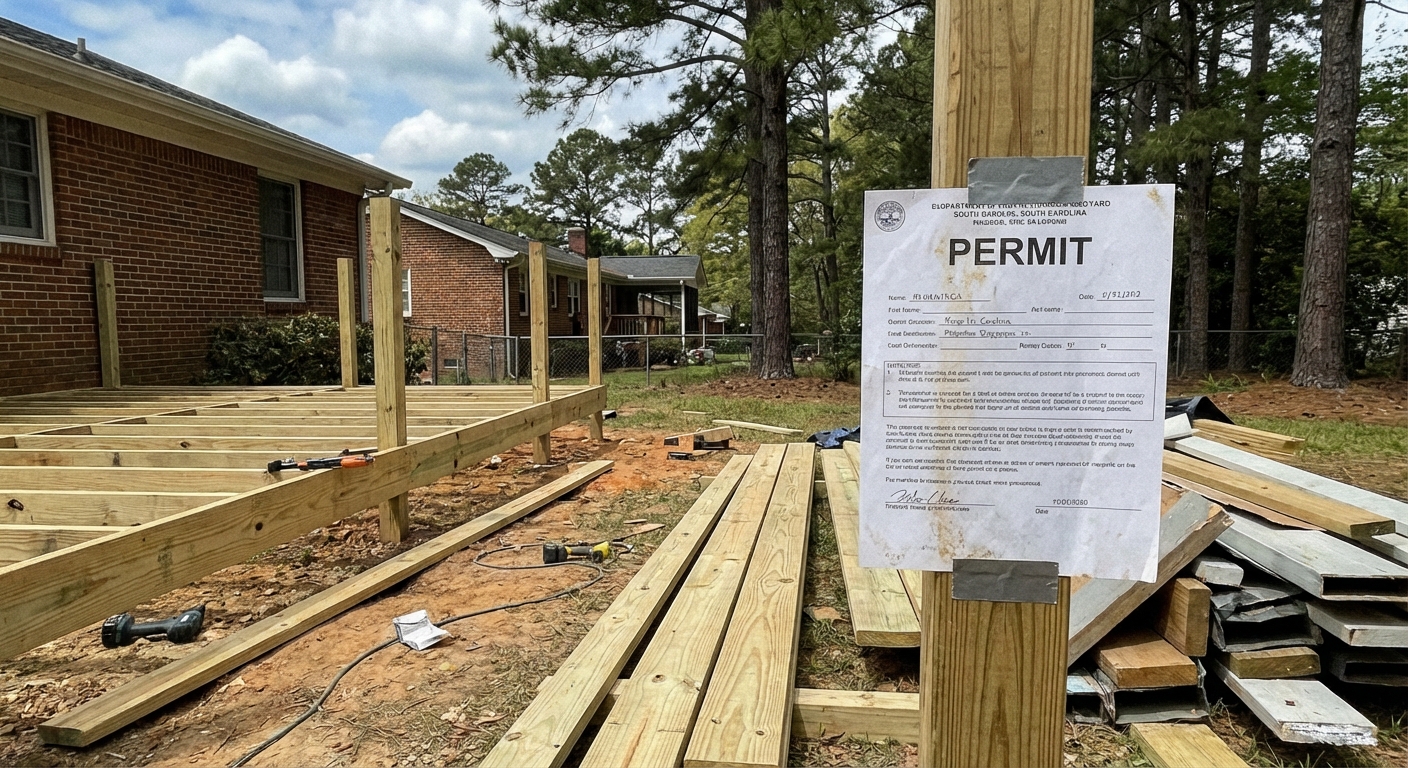
If you're planning to build a deck in South Carolina, one of your first questions should be: Do I need a permit? The answer isn't always straightforward, as requirements can vary depending on where you live and the size and height of your deck. This guide will walk you through the general rules in South Carolina, and highlight specific requirements in major cities like Charleston, Columbia, Greenville, and Myrtle Beach, helping you navigate the permit process smoothly.
📋 Tool Alert: Permit Checker
Do you really need a permit? Check the exact rules for your city or township.
Check Permits →South Carolina Deck Permit Basics
Looking for more regional information? Check out our South Carolina State Decking Hub.
🏗️ Planning a deck project?
Get a free manual project review, or visualize your dream deck with AI before requesting quotes.
In South Carolina, a building permit is generally required for decks that exceed a certain size or height. The specific thresholds that trigger permit requirements are:
- Size: Decks larger than 200 square feet typically require a permit.
- Height: Decks that are 30 inches or more above grade (ground level) typically require a permit.
So, if your deck is smaller than 200 sqft and less than 30 inches high, you likely won't need a permit. However, even if your deck falls below these thresholds, it's *always* best to check with your local building department to confirm. Some municipalities have stricter rules or specific requirements based on zoning regulations, HOA rules, or other local ordinances.
<!-- slot:after-intro -->
Why Are Deck Permits Required?
Deck permits exist to ensure your deck is structurally sound and safe. The permitting process involves submitting your deck plans to your local building department for review. Inspectors will check that your plans comply with the South Carolina building codes, which cover aspects like:
- Footing depth and size: Ensuring your deck's foundation can support the structure.
- Beam and joist sizing: Making sure the framing is strong enough to handle the expected load.
- Railing height and spacing: Preventing falls and ensuring safety, especially for children.
- Stair construction: Ensuring safe and easy access to your deck.
- Proper connections: Using appropriate fasteners and connectors to hold the deck together.
By obtaining a permit and adhering to building codes, you protect yourself, your family, and future homeowners from potential safety hazards and costly repairs. Ignoring permit requirements can lead to fines, legal issues, and even the forced removal of your deck.
Specific City and County Requirements
While the state provides a general framework, cities and counties in South Carolina often have their own specific regulations and interpretations of the building codes. Here's a look at some of the major metropolitan areas:
Charleston and the Lowcountry
Charleston, with its historic districts and coastal environment, has some of the strictest building regulations in South Carolina. If you live in the Charleston area, consider these factors:
- Historic Districts: If your property is located in a historic district, you'll need to adhere to strict design guidelines to maintain the area's aesthetic character. Expect a more detailed review process. Permits are obtained through the City of Charleston Zoning department.
- Flood Zones: Being in the Lowcountry, many properties are in flood zones. Deck construction in these areas requires specific considerations, such as elevated construction and breakaway walls, to comply with flood regulations.
- Saltwater Corrosion: The saltwater environment can accelerate corrosion. Using stainless steel or coated fasteners is highly recommended.
- Elevated Homes: Many homes in Charleston are elevated. Decks attached to these homes need to be properly engineered to handle the increased height and potential wind loads.
Columbia and Richland County
Columbia, located in the Midlands, also has specific considerations:
- Intense Summer Heat: Columbia is known for its intense summer heat, reaching temperatures of 90-100°F. This can affect the choice of decking materials. Darker composite decking can become extremely hot.
- Clay Soil: The area has clay soil, which can expand and contract with changes in moisture. This can affect the stability of deck footings. Ensure proper drainage and footing depth. Permits are obtained through the Richland County Building Inspections department.
Greenville and the Upstate
Greenville, in the Upstate region, presents different challenges:
- Sloped Lots: Many properties in the Upstate have sloped lots. This can require more complex deck designs and foundation work.
- Temperature Variation: The Upstate experiences greater temperature variation than the coast. This can affect the expansion and contraction of decking materials.
- Occasional Frost: While rare, frost can occur in the Upstate. Ensure your footings are deep enough to avoid frost heave, typically around 6-12 inches. Permits are obtained through the City of Greenville Building Codes.
Myrtle Beach and the Grand Strand
Myrtle Beach, a popular coastal destination, also has specific building requirements:
- Hurricane-Rated Hardware: Due to the risk of hurricanes, using hurricane-rated hardware is highly recommended for deck construction in Myrtle Beach.
- Saltwater Corrosion: Similar to Charleston, saltwater corrosion is a concern.
- High Wind Loads: Decks need to be designed to withstand high wind loads, especially those close to the ocean.
<!-- slot:mid-content -->
South Carolina Deck Costs and Materials
Understanding deck costs and material options is crucial when planning your project. Here's a breakdown of average installed deck costs in South Carolina:
| Material | Cost per Square Foot (Installed) |
|-------------------|-----------------------------------|
| Pressure-Treated | $22 - $40 |
| Composite | $40 - $70 |
| Cedar | $30 - $50 |
| Trex | $45 - $75 |
Keep in mind these are just averages. Your actual cost will depend on the size and complexity of your deck, the specific materials you choose, and the contractor you hire.
South Carolina's climate—mild winters and hot, humid summers—influences the best decking material choices. Popular options include:
- Pressure-Treated Lumber: A budget-friendly option, but requires regular maintenance.
- Composite Decking: A low-maintenance option that resists rot and insects.
- Cedar: A naturally durable and attractive option, but can be more expensive.
Due to high humidity and heavy rainfall, moisture management is critical. Termites are also a major concern in South Carolina. Pressure-treated lumber or composite decking are generally recommended for their resistance to rot and pests. See also: Best Decking Material for South Carolina: Heat, Humidity & Bugs
Navigating the Permit Process
Here's a general outline of the deck permit process in South Carolina:
1. Design Your Deck: Create detailed plans that include dimensions, materials, and construction methods. Use PaperPlan (paperplan.app) to visualize your deck with PaperPlan design with different materials and layouts before committing to a contractor.
2. Contact Your Local Building Department: Determine the specific permit requirements and application procedures.
3. Submit Your Application: Complete the application form and submit your deck plans.
4. Plan Review: The building department will review your plans to ensure they comply with building codes.
5. Permit Approval: If your plans are approved, you'll receive a building permit.
6. Inspections: During construction, you'll need to schedule inspections at various stages (e.g., footing inspection, framing inspection, final inspection).
7. Final Approval: Once your deck passes the final inspection, you'll receive a certificate of occupancy (or equivalent), indicating that your deck is safe and compliant.
Tips for a Smooth Permitting Experience
- Start Early: Begin the permit process well in advance of your planned construction start date.
- Be Prepared: Gather all necessary documents and information before submitting your application.
- Communicate: Maintain open communication with your local building department throughout the process.
- Hire a Professional: Consider hiring a qualified deck builder who is familiar with local building codes and permit requirements. See also: Best Deck Builders in Charleston, SC: How to Find the Right Pro, Best Deck Builders in Columbia, SC: Local Guide for 2026, and Best Deck Builders in Greenville, SC: Top Local Contractors.
<!-- slot:before-faq -->
Building a deck in South Carolina can significantly enhance your outdoor living space. Understanding the permit requirements and building codes is essential for a safe, compliant, and enjoyable project. By following the guidelines outlined in this guide and working closely with your local building department, you can navigate the permit process with confidence and create the deck of your dreams. The best months to build in South Carolina are typically September through May, avoiding the peak summer humidity. Popular deck features in SC include screened porches (to combat the bugs!), covered decks, and complete outdoor living spaces. Don't forget to factor in costs. See also: How Much Does a Deck Cost in South Carolina? 2026 Guide, Deck Cost in Charleston, SC: Local Pricing Guide for 2026, Deck Cost in Columbia, SC: 2026 Prices & Factors, and Composite Deck Cost in South Carolina: What to Budget in 2026.
<!-- slot:end -->
🎨 Not sure which material to pick?
Upload a photo of your backyard and see exactly how Trex, TimberTech, or cedar would look — free and instant.
Frequently Asked Questions
Do I need a permit to replace decking boards on an existing deck?
Generally, if you're only replacing the surface decking boards and not altering the structure, you may not need a permit. However, it's always best to check with your local building department to confirm. If you are replacing structural components like joists or beams, a permit is usually required.
How long does it take to get a deck permit in South Carolina?
The time it takes to obtain a deck permit can vary depending on your location and the complexity of your project. It can range from a few weeks to several months. Factors that can affect the timeline include the volume of applications being processed by the building department, the completeness and accuracy of your application, and any required revisions to your plans.
What happens if I build a deck without a permit?
Building a deck without a required permit can result in fines, stop-work orders, and even the forced removal of your deck. It can also create problems when you try to sell your home. It's always best to obtain the necessary permits before starting construction.
What are the typical inspections required for a deck project?
Typical inspections for a deck project include:
- Footing Inspection: Before pouring concrete for the footings.
- Framing Inspection: After the deck framing is complete, but before installing the decking.
- Final Inspection: After the deck is fully completed.
Your local building department may require additional inspections depending on the specifics of your project.
📋 Planning a deck project?
Get a free manual project review from our team — no obligation, no spam.
Get Free Project Review →Upload a backyard photo and preview real decking materials with AI — free, instant, no sign-up.
Permits, costs, material comparisons, and questions to ask before requesting quotes — delivered to your inbox.