
Deck Maintenance in South Carolina (2026)
Keep your South Carolina deck looking great! Learn essential maintenance tips to combat humidity, storms, mold, and salt air corrosion.
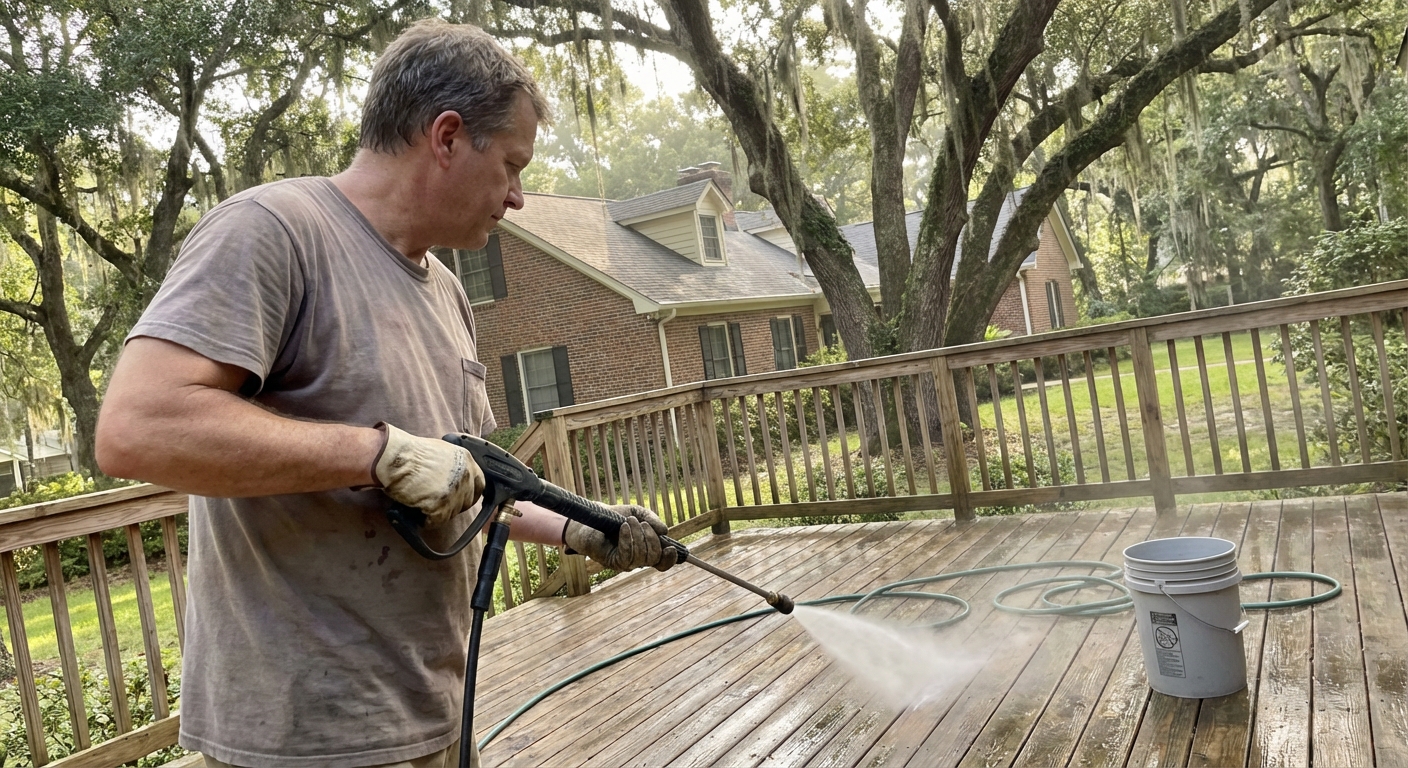
Are you a South Carolina homeowner with a deck? You know the joy of outdoor living comes with the responsibility of protecting your investment from the state's unique climate challenges. From the Upstate's red clay to the Lowcountry's salt air, your deck faces constant threats. This guide provides specific maintenance strategies to keep your deck strong, safe, and beautiful for years to come.
📅 Tool Alert: Maintenance Planner
Get a custom seasonal maintenance schedule to protect your investment for decades.
Plan Maintenance →Understanding South Carolina's Deck Challenges
Looking for more regional information? Check out our South Carolina State Decking Hub.
🏗️ Planning a deck project?
Get a free manual project review, or visualize your dream deck with AI before requesting quotes.
South Carolina decks endure harsh conditions. Expect hot, humid summers with temperatures between 85-95°F and intense UV radiation. Frequent afternoon thunderstorms are common. Coastal areas like Charleston, Myrtle Beach, and Mount Pleasant contend with salt air corrosion and the risk of hurricane-force winds. The Upstate, including Greenville and Rock Hill, has milder temperatures but requires attention to the impact of red clay soil on deck foundations. Mold, mildew, and algae growth thrive in the humidity throughout the state. Termite pressure is also a constant concern, making treated lumber essential.
<!-- slot:after-intro -->
Essential Deck Maintenance Tasks
Regular maintenance is crucial to extending your deck's lifespan and preventing costly repairs. Here's a breakdown of essential tasks:
Cleaning Your Deck
- Frequency: Clean your deck at least twice a year – once in the spring and once in the fall. Coastal decks benefit from more frequent cleaning (every 2-3 months) to remove salt buildup.
- Process:
1. Sweep away loose debris, leaves, and dirt.
2. Apply a deck cleaner specifically designed for your decking material (pressure-treated, composite, or cedar). Follow the manufacturer's instructions carefully.
3. Scrub the deck with a stiff-bristled brush, paying attention to areas with mold or mildew.
4. Rinse thoroughly with a garden hose. For stubborn stains, consider using a pressure washer on a low setting (500-800 PSI) to avoid damaging the wood. Always test in an inconspicuous area first.
- Mold and Mildew Removal: Use a specialized mold and mildew cleaner containing bleach or a bleach alternative. Apply, let it sit for the recommended time, scrub, and rinse. Consider a product with a fungicide to prevent regrowth.
Inspecting Your Deck
- Frequency: Inspect your deck at least twice a year, preferably in the spring and fall. After major storms, conduct a thorough inspection immediately.
- Key Areas to Check:
* Ledger Board: This is where the deck attaches to your house. Look for signs of rot, water damage, or loose fasteners. This is a critical area for structural integrity.
* Support Posts and Beams: Check for cracks, splits, rot, or insect damage. Pay close attention to the areas where the posts meet the ground.
* Decking Boards: Look for loose or warped boards, protruding nails or screws, and signs of rot or decay.
* Railings and Stairs: Ensure railings are secure and stairs are stable. Check for loose connections and damaged components.
* Fasteners: Inspect all screws, nails, and bolts for corrosion or loosening. Replace any damaged or missing fasteners immediately.
* Footings: Examine the concrete footings supporting the posts. Look for cracks or settling. If you notice significant settling, consult a structural engineer.
Staining or Sealing Your Deck
- Purpose: Staining or sealing protects your deck from moisture damage, UV radiation, and wear and tear.
- Frequency: Restain or reseal your deck every 1-3 years, depending on the type of stain/sealant used and the amount of exposure it receives. Decks in coastal areas often require more frequent applications.
- Preparation:
1. Clean the deck thoroughly as described above.
2. Allow the deck to dry completely (usually 24-48 hours).
3. Sand any rough spots or splinters.
4. Apply a wood brightener to restore the wood's natural color and improve stain penetration.
- Application: Choose a high-quality stain or sealant specifically designed for decks. Follow the manufacturer's instructions carefully. Apply thin, even coats using a brush, roller, or sprayer. Allow the stain or sealant to dry completely before using the deck. Deck Staining Tips for South Carolina's Humid Climate offers more detailed advice.
Protecting Against Pests
- Termites: South Carolina has a high termite pressure. Ensure your deck is built with pressure-treated lumber. Regularly inspect for signs of termite activity, such as mud tubes or damaged wood. Consider professional termite treatment every few years.
- Carpenter Bees: Carpenter bees bore holes into wood to create nests. Fill any existing holes with wood putty and paint or stain the area to deter them.
- Other Insects: Regularly sweep and clean your deck to remove food debris that can attract insects. Consider using insect repellent sprays or traps.
Addressing Specific Regional Concerns
- Coastal Areas (Charleston, Myrtle Beach):
* Use corrosion-resistant fasteners (stainless steel or coated) to prevent rust from salt air.
* Choose salt-resistant decking materials like composite or PVC.
* Regularly rinse your deck with fresh water to remove salt buildup.
* Be aware of stricter building codes and wind load requirements in coastal counties. Coastal counties may require decks to withstand winds up to 150 mph.
- Upstate (Greenville, Rock Hill):
* Ensure proper drainage around the deck to prevent water from pooling and causing rot. Red clay soil can retain moisture, increasing the risk of rot.
* Consider using gravel or other drainage materials around the deck footings.
Deck Material-Specific Maintenance
Different decking materials require different maintenance approaches.
| Material | Maintenance Requirements | Estimated Cost (Installed) |
| ----------------- | -------------------------------------------------------------------------------------------------------------------------------------------------------- | ---------------------------- |
| Pressure-Treated | Regular cleaning, staining or sealing every 1-3 years, inspect for rot and insect damage. | $22-40/sqft |
| Composite | Cleaning with soap and water, occasional mold and mildew removal. Requires minimal maintenance. | $40-70/sqft |
| Cedar | Regular cleaning, sealing every 1-2 years, inspect for rot and insect damage. | $30-50/sqft |
Pressure-Treated Lumber
Pressure-treated lumber is a common and affordable decking material. However, it requires regular maintenance to prevent rot and decay. Clean annually with a deck cleaner and apply a water-repellent sealant or stain every 1-3 years. Inspect for signs of rot, especially in areas exposed to moisture.
Composite Decking
Composite decking is a low-maintenance option made from a combination of wood fibers and plastic. It resists rot, insect damage, and fading. Clean with soap and water as needed. Some composite decking may require occasional mold and mildew removal.
Cedar Decking
Cedar is a naturally beautiful and durable wood that resists rot and insect damage. However, it requires regular sealing to prevent weathering and discoloration. Clean annually with a deck cleaner and apply a sealant every 1-2 years.
<!-- slot:mid-content -->
South Carolina Building Codes and Permits
Before building or making significant changes to your deck, understand South Carolina's building codes and permit requirements. Most counties follow the International Residential Code (IRC) with local amendments. Generally, you'll need a permit for decks larger than 200 sqft or more than 30 inches above grade. Coastal counties have stricter wind load requirements. The Charleston Historic District has additional design review requirements. Deck Permits in South Carolina and Deck Building Codes in South Carolina offer more details.
Design Considerations for South Carolina Decks
South Carolina homeowners often incorporate specific features into their deck designs to enhance comfort and functionality. Popular options include:
- Screened Porches: Provide protection from insects and the elements, allowing you to enjoy your deck year-round. Screened Porch vs Open Deck in South Carolina: Which Is Better? can help you decide.
- Ceiling Fans: Help circulate air and keep you cool during hot summer months.
- Outdoor Kitchens: Create a functional outdoor cooking and entertaining space.
- Elevated Decks: In flood-prone coastal areas, elevated decks can protect your home from water damage.
visualize your deck with PaperPlan design with different materials and layouts before committing to a contractor. Use PaperPlan (paperplan.app) to bring your ideas to life!
Cost Considerations
Deck maintenance costs vary depending on the size of your deck, the materials used, and the extent of the work required. Here's a general overview:
- Cleaning: $50-$200 (DIY) or $100-$400 (professional)
- Staining/Sealing: $100-$500 (DIY) or $300-$1000 (professional)
- Repairs: Varies widely depending on the extent of the damage. Expect to pay $100-$500 for minor repairs and $1000+ for major structural repairs.
Remember that the average cost to build a deck in South Carolina is:
- Pressure-treated: $22-40/sqft installed
- Composite: $40-70/sqft installed
- Cedar: $30-50/sqft installed
Regular maintenance can prevent costly repairs and extend the life of your deck. You can also explore How Much Does a Deck Cost in South Carolina? to learn more about budgeting for your deck.
<!-- slot:before-faq -->
Finding a Qualified Deck Contractor
If you're not comfortable performing deck maintenance yourself, hire a qualified contractor. Look for contractors with experience building and maintaining decks in South Carolina's climate. Check their references, read online reviews, and ensure they are licensed and insured.
<!-- slot:end -->
🎨 Not sure which material to pick?
Upload a photo of your backyard and see exactly how Trex, TimberTech, or cedar would look — free and instant.
Frequently Asked Questions
How often should I clean my deck in South Carolina?
Clean your deck at least twice a year – once in the spring and once in the fall. Coastal decks may require more frequent cleaning (every 2-3 months) to remove salt buildup.
What's the best way to remove mold and mildew from my deck?
Use a specialized mold and mildew cleaner containing bleach or a bleach alternative. Apply, let it sit for the recommended time, scrub, and rinse. Consider a product with a fungicide to prevent regrowth.
How often should I stain or seal my deck?
Restain or reseal your deck every 1-3 years, depending on the type of stain/sealant used and the amount of exposure it receives. Decks in coastal areas often require more frequent applications.
What type of fasteners should I use for my deck in a coastal area?
Use corrosion-resistant fasteners (stainless steel or coated) to prevent rust from salt air.
📋 Planning a deck project?
Get a free manual project review from our team — no obligation, no spam.
Get Free Project Review →Upload a backyard photo and preview real decking materials with AI — free, instant, no sign-up.
Permits, costs, material comparisons, and questions to ask before requesting quotes — delivered to your inbox.