
South Carolina Deck Codes: 2026 Requirements
Navigate South Carolina deck building codes for 2026. Learn about permits, materials, inspections & local requirements in Charleston, Columbia, Greenville.
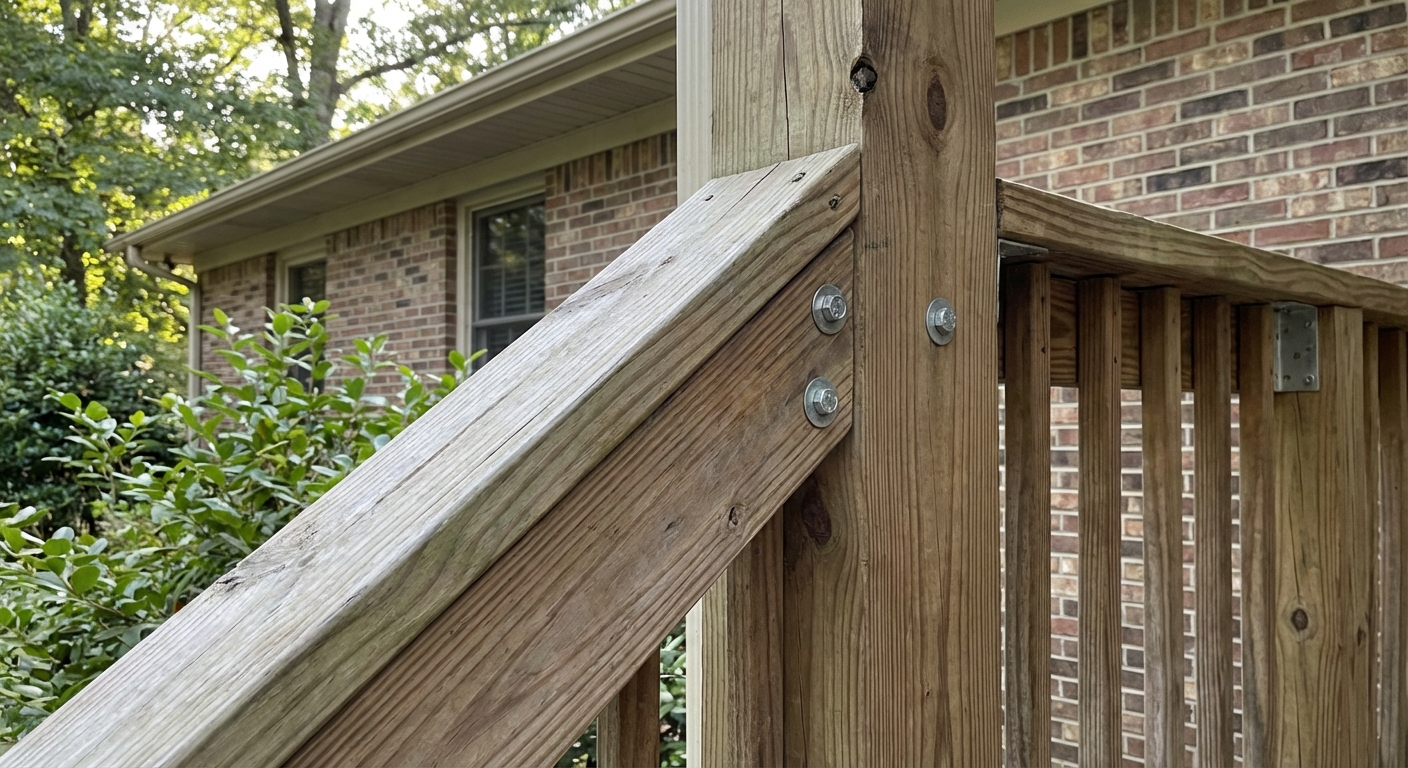
Building a deck in South Carolina means navigating a specific set of building codes and regulations. This guide provides a clear overview of the key requirements you'll need to understand before starting your project, from obtaining permits to selecting the right materials for the Palmetto State's climate. Whether you're in Charleston, Columbia, Greenville, or anywhere else in SC, knowing these codes is crucial for a safe and compliant deck.
📋 Tool Alert: Permit Checker
Do you really need a permit? Check the exact rules for your city or township.
Check Permits →Understanding South Carolina Deck Building Codes
Looking for more regional information? Check out our South Carolina State Decking Hub.
🏗️ Planning a deck project?
Get a free manual project review, or visualize your dream deck with AI before requesting quotes.
South Carolina adheres to the International Residential Code (IRC) as its base building code, but local municipalities often have amendments and additional requirements. This means that while the IRC provides a foundation, you need to verify the specific regulations enforced by your city or county. Key areas covered by these codes include permits, structural requirements, materials, and safety features.
When Do You Need a Deck Permit in South Carolina?
Generally, you'll need a building permit for a deck in South Carolina if it meets either of these criteria:
- The deck is more than 200 square feet in area.
- The deck is 30 inches or more above grade (ground level).
However, these are general guidelines. It's essential to check with your local building department to confirm their specific permit requirements. For example:
- Charleston: Permit applications go through the City of Charleston Zoning and Building Services. Strict regulations apply, especially in historic districts.
- Columbia: Contact Richland County Building Inspections for permit information and applications.
- Greenville: The City of Greenville Building Codes department handles deck permits.
<!-- slot:after-intro -->
Regardless of size, any deck attached to your house typically requires a permit. Unattached, ground-level patios are usually exempt. Don't skip the permit process. Building without a permit can result in fines, stop-work orders, and even forced removal of the deck. See Do You Need a Deck Permit in South Carolina? Rules by City for more details.
Key Structural Requirements
South Carolina's building codes address several critical structural elements:
- Footings: Footing depth must extend below the frost line, which is typically 6-12 inches in South Carolina. Columbia's clay soil might require slightly larger footings. The size and spacing of footings depend on the deck's size and load.
- Posts: Use pressure-treated lumber for posts that contact the ground. The size of the posts depends on the height of the deck and the span of the beams.
- Beams: Beams support the joists and transfer the deck's load to the posts. The size and spacing of beams depend on the joist span and the deck's load.
- Joists: Joists support the decking and run perpendicular to the beams. Proper joist spacing is essential to prevent sagging or bouncing.
- Decking: Choose decking materials appropriate for South Carolina's climate (more on this below). Securely fasten the decking to the joists with approved screws or hidden fastener systems.
- Guardrails: Decks 30 inches or more above grade require guardrails at least 36 inches high. Guardrail infill (the space between the railing posts) must prevent a 4-inch sphere from passing through.
- Stairways: Stairways must have a minimum width of 36 inches. Risers should be uniform in height, and treads should be at least 10 inches deep. Handrails are required on stairways with four or more risers.
Material Considerations for South Carolina
South Carolina's hot, humid summers and mild winters present unique challenges for deck construction. Moisture management and termite resistance are critical.
Here's a breakdown of popular decking materials and their suitability for South Carolina:
| Material | Cost (Installed per sq ft) | Pros | Cons | Considerations for SC |
| ----------------- | -------------------------- | ------------------------------------------------------------------------------------------------------------------------------- | --------------------------------------------------------------------------------------------------------------------------------------------------------------------------------------------- | ------------------------------------------------------------------------------------------------------------------------------------------------------------------------------------------------------------------- |
| Pressure-Treated | $22-40 | Affordable, readily available, insect and rot-resistant (when properly treated). | Can warp, crack, and splinter over time. Requires regular staining or sealing. | The most economical choice, especially for framing. Choose lumber treated for ground contact. |
| Composite | $40-70 | Low-maintenance, durable, resistant to rot, insects, and fading. Available in various colors and styles. | More expensive than pressure-treated lumber. Can get hot in direct sunlight. | Excellent choice for longevity and low maintenance. Consider light colors to minimize heat absorption. See Composite Deck Cost in South Carolina: What to Budget in 2026. |
| Cedar | $30-50 | Naturally beautiful, insect and rot-resistant, dimensionally stable. | More expensive than pressure-treated lumber. Requires regular sealing to maintain its appearance. | A good option for natural wood look, but requires ongoing maintenance. |
| Trex (Composite) | $45-75 | Very low maintenance, extremely durable, fade, stain, scratch, and mold resistant. Made from recycled materials. | One of the most expensive decking options. | Premium composite decking. Long lifespan and excellent resistance to SC's elements. |
Fasteners: Use stainless steel or coated fasteners, especially in coastal areas like Charleston, to prevent corrosion from saltwater.
Termite Protection: Termites are a significant concern in South Carolina. Pressure-treated lumber is a must for any wood that comes into contact with the ground. Consider using termite baiting systems around your deck.
Moisture Management: Proper drainage is crucial. Ensure adequate spacing between deck boards to allow for water runoff. Consider using flashing to protect the ledger board (where the deck attaches to the house) from water damage.
If you're still unsure which material is right for you, check out Best Decking Material for South Carolina: Heat, Humidity & Bugs.
Other Important Code Considerations
- Ledger Board Attachment: The ledger board must be securely attached to the house's framing. Use lag screws or through-bolts with washers. Proper flashing is crucial to prevent water damage.
- Electrical: If you're adding lighting or outlets to your deck, you'll need to comply with electrical codes. This typically requires a separate electrical permit and inspection.
- Gas Lines: If you're installing a gas grill or fire pit on your deck, you'll need to comply with gas line codes. This requires a licensed plumber and a gas line inspection.
- Flood Zones: If you live in a flood zone (common in coastal areas like Charleston), your deck must be designed to withstand floodwaters. This may require elevating the deck on pilings.
- Historic Districts: If you live in a historic district (like downtown Charleston), you may need to comply with additional design guidelines. Check with your local historic preservation office.
The Inspection Process
After obtaining a permit, your deck will need to be inspected at various stages of construction. Typical inspections include:
- Footing Inspection: Before pouring concrete for the footings.
- Framing Inspection: After the framing is complete but before the decking is installed.
- Final Inspection: After the deck is complete.
Schedule inspections in advance. The inspector will verify that your deck complies with all applicable codes.
<!-- slot:mid-content -->
Navigating Local Requirements
While the IRC provides a baseline, each city and county in South Carolina can adopt its own amendments and interpretations. Here's a closer look at some key local considerations:
- Charleston: Due to its historic nature and coastal location, Charleston has some of the strictest building codes in the state. Pay close attention to flood zone requirements and historic district guidelines. Hurricane-rated hardware is highly recommended.
- Columbia: Columbia experiences intense summer heat. Consider using light-colored decking materials to minimize heat absorption. Ensure proper drainage around footings due to the clay soil.
- Greenville: Greenville's topography often involves sloped lots, which can affect deck design and footing requirements. Be prepared for occasional frost, especially in the upstate.
It's always best to contact your local building department directly to confirm their specific requirements.
Tips for a Smooth Deck Building Process
1. Plan Ahead: Design your deck carefully and obtain all necessary permits before starting construction. Use PaperPlan (paperplan.app) to visualize your deck with PaperPlan design with different materials and layouts before committing to a contractor. This can help you avoid costly mistakes and ensure that your deck meets your needs and local code requirements.
2. Hire a Qualified Contractor: Choose a licensed and insured deck builder with experience in South Carolina. Ask for references and check their reviews. See Best Deck Builders in Charleston, SC: How to Find the Right Pro, Best Deck Builders in Columbia, SC: Local Guide for 2026, and Best Deck Builders in Greenville, SC: Top Local Contractors for local recommendations.
3. Use Quality Materials: Select durable materials that can withstand South Carolina's climate.
4. Follow the Code: Adhere to all applicable building codes and regulations.
5. Schedule Inspections: Schedule inspections at the required stages of construction.
6. Consider Screened Porches and Covered Decks: Due to the prevalence of mosquitos and the strong summer sun, adding a screened porch or covered deck to your plans is a popular upgrade in SC.
7. Best Time to Build: The best months to build a deck in South Carolina are typically September through May, avoiding the peak summer humidity.
<!-- slot:before-faq -->
Building a deck in South Carolina can be a rewarding experience. By understanding the building codes and following these tips, you can create a beautiful and functional outdoor space that you and your family will enjoy for years to come. Remember to factor in costs – you can get an estimate from How Much Does a Deck Cost in South Carolina? 2026 Guide or Deck Cost in Columbia, SC: 2026 Prices & Factors.
Frequently Asked Questions
Do I need a permit to replace my existing deck in South Carolina?
Generally, yes. If you're replacing decking, railings, or stairs, you'll likely need a permit, especially if the replacement involves structural changes or if the deck is over 200 square feet or 30 inches above grade. Contact your local building department to confirm.
How close to my property line can I build a deck in South Carolina?
Setback requirements vary by city and county. Check with your local zoning department to determine the required setback from your property line. It's typically a minimum of 5-10 feet, but this can vary.
What type of wood should I use for my deck frame in South Carolina?
Use pressure-treated lumber that is rated for ground contact for all framing components that are in contact with the ground. This will protect the wood from rot and insect damage.
What are the guardrail requirements for decks in South Carolina?
Decks 30 inches or more above grade require guardrails at least 36 inches high. The spacing between guardrail infill (balusters) must prevent a 4-inch sphere from passing through.
How do I find a qualified deck builder in South Carolina?
Ask for recommendations from friends, family, or neighbors. Check online reviews and ratings. Verify that the contractor is licensed and insured. Get multiple bids and compare them carefully.
<!-- slot:end -->
📋 Planning a deck project?
Get a free manual project review from our team — no obligation, no spam.
Get Free Project Review →Upload a backyard photo and preview real decking materials with AI — free, instant, no sign-up.
Permits, costs, material comparisons, and questions to ask before requesting quotes — delivered to your inbox.