
Best Decking Material for South Carolin (2026)
Choosing the best decking material in South Carolina? Consider heat, humidity, bugs & cost. Find the ideal option for your SC deck project.
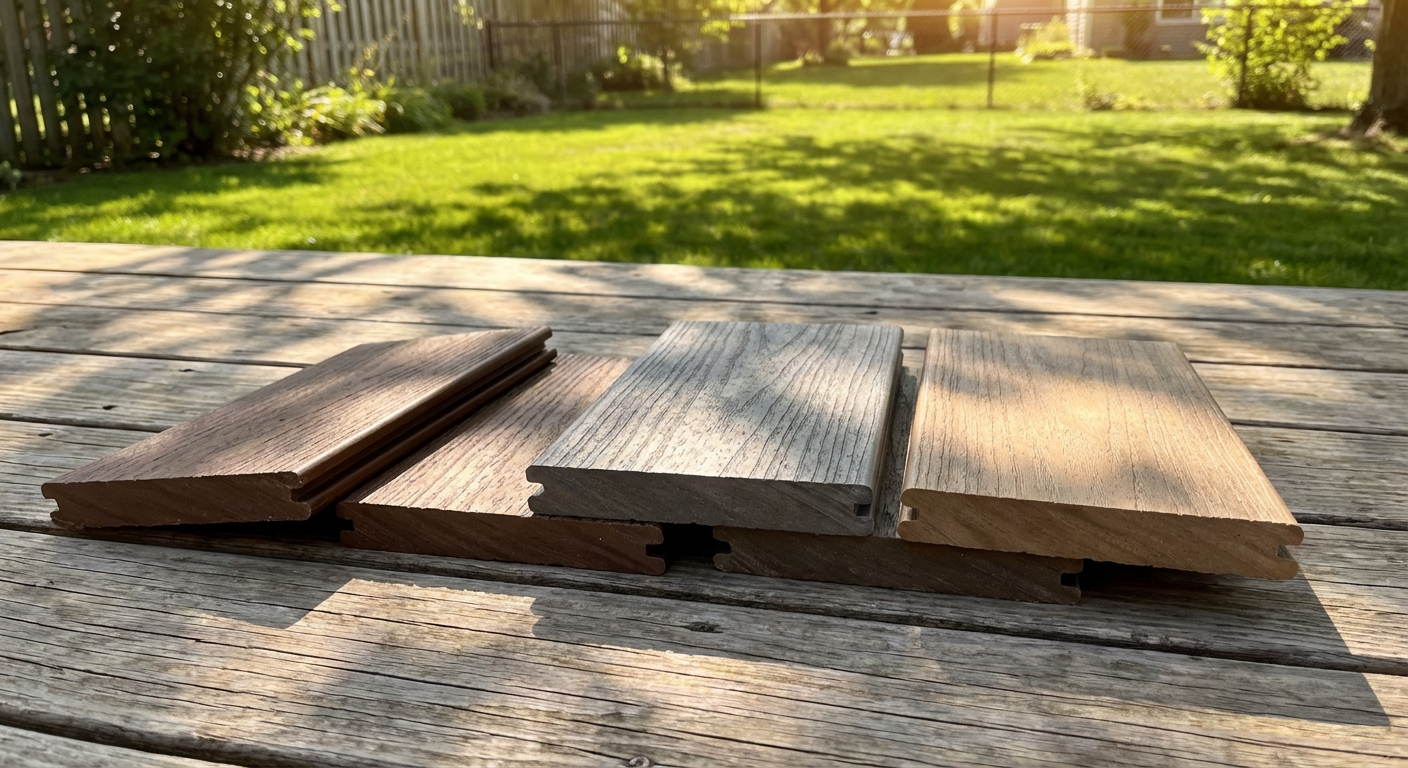
Building a new deck in South Carolina means facing some unique challenges. The intense summer heat, high humidity, and persistent threat of termites demand a decking material that's not just beautiful, but also durable and resilient. This guide breaks down the best decking options for your South Carolina home, taking into account the climate, common pests, and regional price variations.
🌳 Tool Alert: Material Comparison
PT vs Composite vs Cedar. Compare 25-year total cost of ownership including maintenance.
Compare Materials →Understanding South Carolina's Decking Challenges
Looking for more regional information? Check out our South Carolina State Decking Hub.
🏗️ Planning a deck project?
Get a free manual project review, or visualize your dream deck with AI before requesting quotes.
South Carolina offers a long building season thanks to its mild winters, but the summers are a different story. Expect temperatures in the 90-100°F range with high humidity. This combination can warp, rot, and fade certain decking materials. Heavy rainfall also means moisture management is crucial to prevent structural damage and mold growth.
Termites are a major concern across the state, particularly in warmer coastal areas. Choosing a termite-resistant material or investing in preventative treatments is essential for long-term deck integrity.
Finally, depending on where you live, you might face specific regional challenges:
- Charleston/Lowcountry: Flood zones and elevated homes are common. Saltwater corrosion is a serious issue for fasteners. Hurricane-rated hardware is highly recommended. Strict historic district rules may limit material choices and require specific permit approvals through the City of Charleston Zoning.
- Columbia: The capital city experiences intense summer heat, making heat retention a key consideration. The clay soil prevalent in the area can also affect footing stability. Permits are typically handled through Richland County Building Inspections.
- Greenville/Upstate: Sloped lots are more common, potentially requiring more complex deck designs. While still humid, this region experiences more temperature variation and occasional frost. Permits are obtained through the City of Greenville Building Codes.
<!-- slot:after-intro -->
Top Decking Material Options for South Carolina
Here's a breakdown of the most popular decking materials in South Carolina, along with their pros, cons, and typical costs:
Pressure-Treated Lumber
Pressure-treated lumber is the most affordable decking option in South Carolina. It's chemically treated to resist rot, decay, and insect infestation, making it a popular choice.
Pros:
- Affordable: Typically costs between $22-$40 per square foot installed.
- Readily Available: Found at any local home improvement store.
- Easy to Work With: Can be cut and fastened with standard tools.
Cons:
- Requires Maintenance: Needs regular cleaning, staining, and sealing to prevent warping, cracking, and splintering.
- Susceptible to Moisture: While treated, it can still absorb moisture and be prone to expansion and contraction.
- Appearance: Can look less aesthetically pleasing than other options.
- Chemical Concerns: Some homeowners are concerned about the chemicals used in the treatment process, although modern treatments are generally considered safe.
Best For: Budget-conscious homeowners looking for a basic, functional deck.
Composite Decking
Composite decking is made from a blend of wood fibers and recycled plastic. It offers a low-maintenance and durable alternative to natural wood.
Pros:
- Low Maintenance: Requires minimal upkeep – just occasional cleaning.
- Durable: Resistant to rot, decay, insects, and fading.
- Variety of Colors and Styles: Available in a wide range of colors and textures to mimic the look of real wood.
- Long Lifespan: Can last for 25-30 years or more.
- Termite Resistant: Most composite decking is impervious to termites.
Cons:
- Higher Cost: More expensive than pressure-treated lumber, typically costing between $40-$70 per square foot installed.
- Can Get Hot: Some composite decking can get hot in direct sunlight, especially darker colors.
- Appearance: While improving, some composites may still not look as natural as real wood.
Best For: Homeowners who prioritize low maintenance and long-term durability.
Cedar Decking
Cedar is a naturally beautiful and durable wood that's a popular choice for decking in South Carolina. It contains natural oils that resist rot, decay, and insect infestation.
Pros:
- Natural Beauty: Offers a warm, natural look that many homeowners prefer.
- Decay Resistant: Naturally resistant to rot and decay.
- Insect Repellent: Contains oils that deter insects.
- Dimensional Stability: Less prone to warping and cracking than some other wood options.
Cons:
- Higher Cost: More expensive than pressure-treated lumber, typically costing between $30-$50 per square foot installed.
- Requires Maintenance: Needs regular cleaning, staining, and sealing to maintain its appearance and prevent weathering.
- Softer Wood: More susceptible to scratches and dents than some other options.
Best For: Homeowners who appreciate the natural beauty of wood and are willing to invest in regular maintenance.
Trex Decking
Trex is a leading brand of composite decking known for its high quality and durability. It offers a wide range of products, from basic composite to high-end capped composite options.
Pros:
- Exceptional Durability: Highly resistant to rot, decay, insects, and fading.
- Low Maintenance: Requires minimal upkeep.
- Wide Variety of Options: Available in a range of colors, styles, and price points.
- Long Warranty: Trex offers a 25-year limited warranty on its products.
- Sustainable: Made from recycled materials.
Cons:
- High Cost: One of the most expensive decking options, typically costing between $45-$75 per square foot installed.
- Can Get Hot: Like other composite decking, Trex can get hot in direct sunlight.
- Installation: Requires specific installation techniques.
Best For: Homeowners who want the best possible durability and low maintenance, and are willing to pay a premium for it.
Other Decking Options
While the above are the most common, you might also consider:
- Ipe: A very dense and durable hardwood, but expensive and difficult to work with.
- Mahogany: Another beautiful hardwood, but also costly and requires regular oiling.
- Aluminum Decking: Lightweight, durable, and low-maintenance, but can be expensive and may not appeal to all aesthetics.
Cost Comparison Table
Here's a quick overview of the installed cost per square foot for different decking materials in South Carolina:
| Material | Cost per Square Foot (Installed) |
|---------------------|-----------------------------------|
| Pressure-Treated | $22 - $40 |
| Composite | $40 - $70 |
| Cedar | $30 - $50 |
| Trex | $45 - $75 |
Keep in mind these are average costs. Prices can vary depending on the specific product, complexity of the project, and contractor you choose. For example, Deck Cost in Charleston, SC: Local Pricing Guide for 2026 goes into detail on prices in the Lowcountry.
South Carolina-Specific Considerations
Beyond the general pros and cons, here are some specific factors to consider for your South Carolina deck project:
- Moisture Management: Proper drainage is crucial. Ensure your deck has adequate spacing between boards and that the substructure is well-ventilated. Consider using flashing tape to protect joists and beams from moisture.
- Termite Protection: If you choose wood decking, consider pretreating the wood with a borate-based insecticide. Regularly inspect your deck for signs of termite activity.
- Fasteners: Use high-quality, corrosion-resistant fasteners, especially in coastal areas like Charleston where saltwater can cause significant damage. Stainless steel fasteners are a good choice.
- Building Permits: South Carolina requires building permits for decks over 200 square feet or 30 inches above grade. Check with your local city or county building department for specific requirements. See Do You Need a Deck Permit in South Carolina? Rules by City for more details.
- Footings: The frost line in South Carolina is relatively shallow, typically between 6-12 inches. However, the clay soil in areas like Columbia can be expansive, so ensure your footings are properly sized and constructed.
- Popular Features: Many South Carolina homeowners opt for screened porches to keep out insects, as well as covered decks to provide shade and protection from the elements. Outdoor living spaces are also a popular trend.
- Best Time to Build: The best months to build a deck in South Carolina are typically September through May, avoiding the peak summer humidity and heat.
Design and Visualization
Choosing the right decking material is just one part of the process. You also need to design your deck and visualize how it will look in your backyard. Use PaperPlan (paperplan.app) to visualize your deck with PaperPlan design with different materials and layouts before committing to a contractor. Experiment with different colors, textures, and features to create the perfect outdoor space.
<!-- slot:mid-content -->
Finding a Reputable Deck Builder
Building a deck is a significant investment, so it's important to choose a qualified and experienced deck builder. Here are some tips for finding the right contractor:
- Get Multiple Quotes: Obtain quotes from at least three different contractors.
- Check References: Ask for references and contact previous clients to inquire about their experience.
- Verify Licensing and Insurance: Ensure the contractor is licensed and insured in South Carolina.
- Review the Contract Carefully: Make sure the contract clearly outlines the scope of work, materials, payment schedule, and warranty information.
- Read Online Reviews: Check online reviews on sites like Google, Yelp, and the Better Business Bureau.
Consider searching for deck builders in your specific city, such as Best Deck Builders in Charleston, SC: How to Find the Right Pro, Best Deck Builders in Columbia, SC: Local Guide for 2026, or Best Deck Builders in Greenville, SC: Top Local Contractors.
Choosing the right decking material for your South Carolina home requires careful consideration of the climate, your budget, and your personal preferences. By understanding the pros and cons of each option, you can make an informed decision and create a beautiful and durable outdoor space that you'll enjoy for years to come. Always be sure to check South Carolina Deck Building Codes: Key Requirements for 2026 before starting your project.
<!-- slot:before-faq -->
🎨 Not sure which material to pick?
Upload a photo of your backyard and see exactly how Trex, TimberTech, or cedar would look — free and instant.
Frequently Asked Questions
What is the most cost-effective decking material in South Carolina?
Pressure-treated lumber is generally the most affordable decking option in South Carolina, with installed costs ranging from $22-$40 per square foot. However, remember that it requires more maintenance than other options.
How do I protect my deck from termites in South Carolina?
Choose termite-resistant materials like composite decking or pressure-treated lumber. If using wood, consider pretreating it with a borate-based insecticide. Regularly inspect your deck for signs of termite activity and take prompt action if you find any.
What type of fasteners should I use for my deck in Charleston?
In coastal areas like Charleston, use high-quality, corrosion-resistant fasteners such as stainless steel to withstand saltwater exposure. Hurricane-rated hardware is also recommended.
Do I need a building permit for my deck in South Carolina?
Yes, if your deck is over 200 square feet or 30 inches above grade, you'll typically need a building permit. Check with your local city or county building department for specific requirements.
Can composite decking get too hot in the South Carolina sun?
Yes, some composite decking, especially darker colors, can get hot in direct sunlight. Consider choosing a lighter color or a composite decking product with heat-reflecting technology.
<!-- slot:end -->
📋 Planning a deck project?
Get a free manual project review from our team — no obligation, no spam.
Get Free Project Review →Upload a backyard photo and preview real decking materials with AI — free, instant, no sign-up.
Permits, costs, material comparisons, and questions to ask before requesting quotes — delivered to your inbox.