
Deck Staining Tips for South Carolina's…
Keep your deck protected! Expert deck staining tips tailored for South Carolina's humidity, UV, and coastal conditions. Extend the life of your deck!
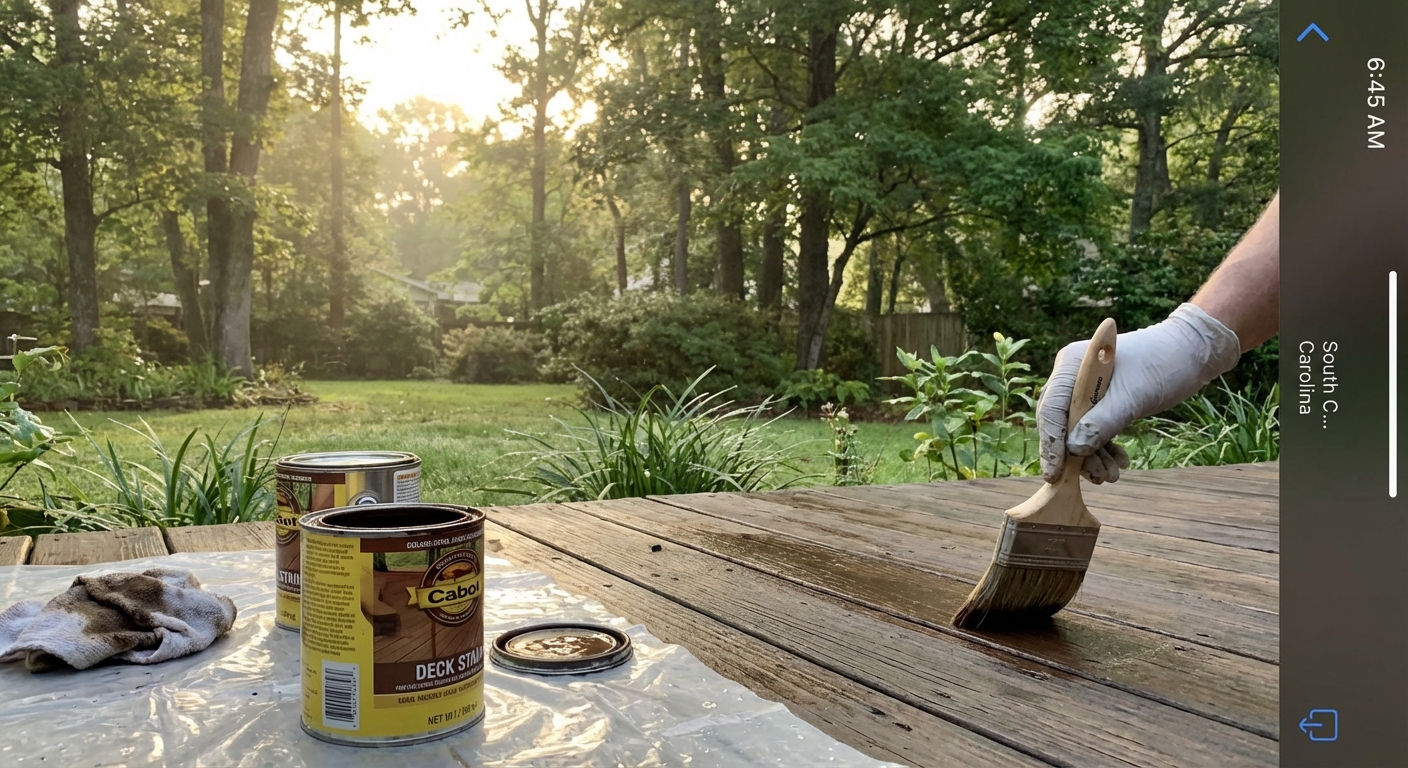
Are you a South Carolina homeowner struggling to keep your deck looking its best? The state's hot, humid climate poses unique challenges. From the Upstate's red clay dust to the Lowcountry's salt air, your deck needs specialized protection. This guide provides practical deck staining tips tailored for South Carolina conditions, helping you extend its life and maintain its beauty.
📐 Tool Alert: Deck Stair Calculator
Calculate rise, run, and stringer cuts while ensuring IRC/OBC code compliance.
Calculate Stairs →Understanding South Carolina's Deck Staining Challenges
Looking for more regional information? Check out our South Carolina State Decking Hub.
🏗️ Planning a deck project?
Get a free manual project review, or visualize your dream deck with AI before requesting quotes.
South Carolina's climate demands a proactive approach to deck maintenance. You need to consider these factors:
- High Humidity: Summers bring humidity levels that often exceed 80%, creating a breeding ground for mold, mildew, and algae.
- Intense UV Radiation: Strong sunlight fades stain and dries out wood, leading to cracking and splintering.
- Frequent Rainfall: Afternoon thunderstorms are common, especially during the summer, washing away poorly applied stain and contributing to moisture damage.
- Coastal Salt Air (Charleston, Myrtle Beach): Salt accelerates corrosion and wood decay.
- Upstate Red Clay (Greenville, Rock Hill): Red clay dust can stain and discolor your deck.
<!-- slot:after-intro -->
Choosing the Right Stain for Your South Carolina Deck
The type of stain you choose significantly impacts your deck's longevity. Here's a breakdown:
Types of Deck Stain
- Oil-Based Stains: These penetrate the wood deeply, providing excellent water resistance. They're a good choice for older decks or those with existing oil-based finishes. However, they take longer to dry and contain higher VOCs.
- Water-Based Stains: These are easier to clean up, dry quickly, and have lower VOCs. They offer good UV protection and resist mildew growth. Modern water-based stains are increasingly durable and suitable for harsh climates.
- Clear Wood Preservatives: These don't add color but protect against rot, insects, and water damage. They require a topcoat of stain or sealant for UV protection.
- Semi-Transparent Stains: These allow some of the wood grain to show through while adding color and protection. A good balance between aesthetics and durability.
- Solid Stains: These completely obscure the wood grain, offering the most protection against UV damage and moisture. They resemble paint and are suitable for older decks with imperfections.
Stain Recommendations for South Carolina
Considering South Carolina's climate, high-quality water-based stains with UV inhibitors and mildewcides are generally recommended. They offer a good balance of protection, ease of use, and environmental friendliness. For coastal areas, look for stains specifically formulated to resist salt air corrosion.
Cost Comparison of Deck Stain Types
| Stain Type | Cost per Gallon | Pros | Cons |
| ------------------- | --------------- | ------------------------------------------------------------------------------------------------------------------------------------------------------------------------------------------------------------------------------------- | ------------------------------------------------------------------------------------------------------------------------------------------------------------------------------------------------------------------------------------------------------------ |
| Oil-Based | $30 - $50 | Excellent water resistance, deep penetration, good for older decks. | Slower drying time, higher VOCs, can promote mildew growth in humid climates. |
| Water-Based | $35 - $65 | Low VOCs, easy cleanup, fast drying, good UV protection, mildew resistant. | May not penetrate as deeply as oil-based stains, can be more expensive. |
| Clear Preservative | $25 - $40 | Protects against rot, insects, and water damage. | Requires a topcoat of stain or sealant for UV protection, doesn't add color. |
| Semi-Transparent | $40 - $70 | Allows wood grain to show, good color selection, decent UV and moisture protection. | Requires more frequent reapplication than solid stains. |
| Solid Color | $30 - $60 | Maximum UV and moisture protection, hides imperfections, long-lasting. | Obscures wood grain, can peel or crack if not properly applied. |
Preparing Your Deck for Staining in South Carolina
Proper preparation is crucial for a long-lasting stain job. Rushing this step will lead to premature failure.
Cleaning Your Deck
1. Remove all furniture, planters, and other items from the deck.
2. Sweep away loose debris.
3. Apply a deck cleaner. For heavily soiled decks or those with mold/mildew, use a specialized deck cleaner containing bleach or oxygen bleach. Follow the manufacturer's instructions carefully.
4. Scrub the deck thoroughly with a stiff brush. Pay attention to areas with mildew or grime.
5. Rinse the deck thoroughly with a garden hose or pressure washer. If using a pressure washer, use a wide fan tip and keep the pressure low to avoid damaging the wood.
6. Allow the deck to dry completely. This may take 24-48 hours, depending on the weather.
Sanding Your Deck
Sanding removes old stain, smooths rough surfaces, and opens the wood pores for better stain penetration.
1. Inspect the deck for splinters, loose nails, and other imperfections. Repair as needed.
2. Sand the deck with a medium-grit sandpaper (80-100 grit). Use a pole sander for large areas and a hand sander for edges and corners.
3. For heavily weathered decks, start with a coarser grit (60-80 grit).
4. Finish with a fine-grit sandpaper (120-150 grit) for a smooth surface.
5. Sweep or vacuum away all sanding dust.
Addressing Specific Issues
- Mold and Mildew: Treat affected areas with a mold and mildew killer before staining.
- Red Clay Stains: Use a deck cleaner specifically designed to remove red clay.
- Loose or Popped Nails/Screws: Replace or reset them to prevent tripping hazards and water penetration.
Staining Your Deck: A Step-by-Step Guide
Follow these steps for a professional-looking stain job.
1. Choose a favorable weather day. Avoid staining in direct sunlight or when rain is expected within 24-48 hours. South Carolina's humidity can extend drying times.
2. Stir the stain thoroughly.
3. Apply the stain with a brush, roller, or sprayer. Brushing is generally recommended for better penetration and control, especially for smaller decks.
4. Work in small sections, following the grain of the wood.
5. Apply a thin, even coat. Avoid applying too much stain, which can lead to a sticky or uneven finish.
6. Back-brush the stain to ensure even coverage and penetration.
7. Allow the stain to dry completely. Follow the manufacturer's recommendations for drying time. This can range from 24-72 hours depending on the stain and the weather.
8. Apply a second coat if desired. A second coat will provide more protection and color, but it's not always necessary.
9. Clean your tools immediately after use. Follow the manufacturer's instructions for cleaning the stain.
<!-- slot:mid-content -->
Deck Staining Tips Specific to South Carolina Regions
- Coastal Areas (Charleston, Myrtle Beach, Mount Pleasant): Choose stains with salt air resistance. Regularly rinse your deck with fresh water to remove salt deposits. Consider lighter colors to reflect sunlight and reduce heat buildup. Be mindful of potential hurricane-force winds, which can damage poorly maintained decks.
- Upstate (Greenville, Rock Hill): Address red clay stains promptly. Ensure proper drainage to prevent moisture buildup under the deck. Consider using a stain with a built-in sealant to protect against the elements.
- Flood Zones: If your deck is in a flood zone, ensure it's properly elevated and constructed to withstand floodwaters. Use a stain that is resistant to water damage and mold growth.
Extending the Life of Your Stained Deck
- Regular Cleaning: Clean your deck at least twice a year to remove dirt, debris, and mildew.
- Prompt Repairs: Address any damage, such as cracks, splinters, or loose boards, promptly to prevent further deterioration.
- Re-Staining: Re-stain your deck every 2-3 years, or as needed, to maintain its protection and appearance.
- Consider a Covered Deck: For long-term protection, consider building a covered deck or screened porch. Screened Porch vs Open Deck in South Carolina: Which Is Better?
- Seal the Ends of Cut Boards: When building or repairing your deck, seal the cut ends of boards with a wood preservative to prevent moisture penetration.
South Carolina Deck Building Codes and Permits
Before starting any deck project, familiarize yourself with South Carolina's building codes and permit requirements. Deck Permits in South Carolina and Deck Building Codes in South Carolina delve deeper. Most counties require permits for decks over 200 sqft or 30" above grade. Coastal counties have stricter wind load requirements. The Charleston Historic District has additional design review requirements.
Deck Material Considerations
South Carolina homeowners have several decking material options. Here's a quick cost overview for professionally installed decks:
| Material | Cost per Square Foot (Installed) | Pros | Cons |
| ------------------ | --------------------------------- | ------------------------------------------------------------------------------------------------------------------------ | ------------------------------------------------------------------------------------------------------------------------------------------------------------------------------------------------------------------------------------ |
| Pressure-Treated | $22 - $40 | Most affordable, readily available, treated to resist rot and insects. | Can splinter, requires regular staining or sealing, prone to warping. |
| Composite | $40 - $70 | Low maintenance, durable, resists rot and insects, available in various colors and styles. | More expensive than pressure-treated lumber, can get hot in direct sunlight, may not look as natural as wood. Composite Deck Cost in South Carolina |
| Cedar | $30 - $50 | Naturally resistant to rot and insects, beautiful appearance, less prone to warping than pressure-treated lumber. | More expensive than pressure-treated lumber, requires regular staining or sealing to maintain its appearance. |
Termite pressure is high in South Carolina. Always use treated lumber for your deck's substructure.
Use PaperPlan (paperplan.app) to visualize your deck with PaperPlan design with different materials and layouts before committing to a contractor. Experiment with stain colors and deck features like screened porches, ceiling fans, and outdoor kitchens.
<!-- slot:before-faq -->
Best Time to Stain Your Deck in South Carolina
The best months for deck staining in South Carolina are typically September through May. Avoid staining during the peak summer months (June-August) due to the high humidity and frequent afternoon thunderstorms.
🎨 Not sure which material to pick?
Upload a photo of your backyard and see exactly how Trex, TimberTech, or cedar would look — free and instant.
Frequently Asked Questions
How often should I stain my deck in South Carolina?
The frequency depends on the type of stain, the amount of sun exposure, and the weather conditions. Generally, you should re-stain your deck every 2-3 years. Inspect your deck annually for signs of fading, water damage, or mildew growth.
What is the best type of stain for a deck in a humid climate like South Carolina?
High-quality water-based stains with UV inhibitors and mildewcides are generally recommended. They offer good protection, ease of use, and environmental friendliness. For coastal areas, choose stains formulated to resist salt air corrosion.
How do I prevent mold and mildew from growing on my deck?
Regular cleaning is key. Use a deck cleaner containing bleach or oxygen bleach to kill mold and mildew. Ensure proper drainage to prevent moisture buildup. Consider using a stain with a built-in mildewcide.
Can I stain my deck if it's going to rain the next day?
No. Avoid staining your deck if rain is expected within 24-48 hours. Rain can wash away the stain and prevent it from properly adhering to the wood. South Carolina's humidity can also extend drying times, making the deck more vulnerable to rain damage.
How much does it cost to build a new deck in South Carolina?
The cost varies based on the materials used and the size of the deck. Expect to pay between $22 - $40 per square foot for a pressure-treated deck, $40 - $70 per square foot for a composite deck, and $30 - $50 per square foot for a cedar deck, installed. How Much Does a Deck Cost in South Carolina? provides a deeper dive.
<!-- slot:end -->
Protecting your deck from South Carolina's unique climate requires careful planning and execution. By following these tips, you can ensure your deck remains a beautiful and functional outdoor space for years to come. Deck Maintenance in South Carolina: Protect Against Humidity & Storms provides additional useful information. If you prefer to leave the work to professionals, explore Best Deck Builders in Charleston, Best Deck Builders in Columbia, SC, or Best Deck Builders in Greenville, SC.
📋 Planning a deck project?
Get a free manual project review from our team — no obligation, no spam.
Get Free Project Review →Upload a backyard photo and preview real decking materials with AI — free, instant, no sign-up.
Permits, costs, material comparisons, and questions to ask before requesting quotes — delivered to your inbox.