
Screened Porch vs Open Deck in South Ca (2026)
Choosing between a screened porch and open deck in South Carolina? Weigh the pros and cons for SC's climate, costs, and lifestyle.
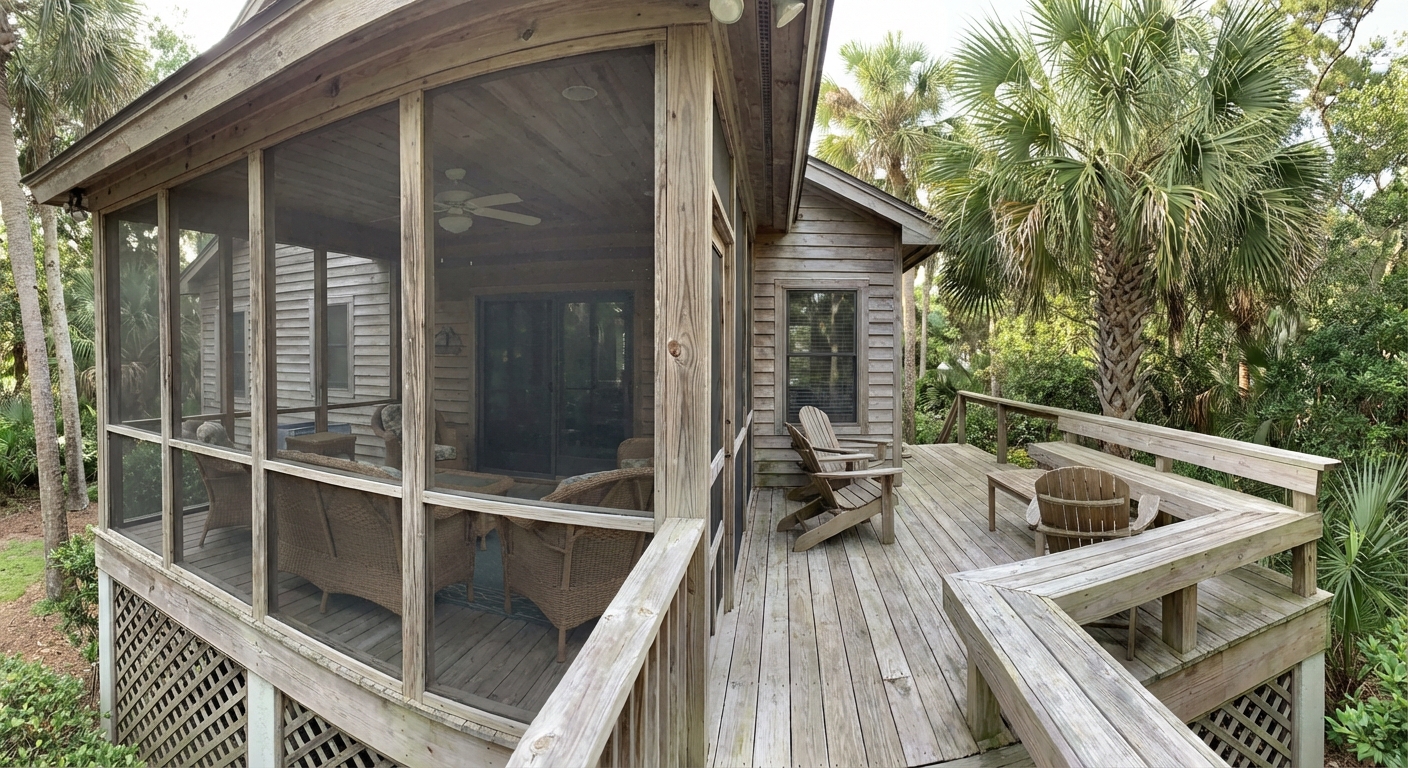
Are you a South Carolina homeowner dreaming of outdoor living space? Deciding between a screened porch and an open deck can be tough. Both offer unique benefits, especially when considering the Palmetto State's hot, humid climate and unique regional challenges. This guide will help you determine which option best suits your lifestyle, budget, and location, whether you're near the coast in Charleston or inland in Greenville.
Understanding South Carolina's Climate and Its Impact on Your Choice
Looking for more regional information? Check out our South Carolina State Decking Hub.
🏗️ Planning a deck project?
Get a free manual project review, or visualize your dream deck with AI before requesting quotes.
South Carolina's weather heavily influences the practicality of outdoor structures. Summers are notoriously hot and humid, with average temperatures between 85-95°F. High UV levels mean more wear and tear on materials. Frequent afternoon thunderstorms are common. Coastal areas like Charleston and Myrtle Beach also contend with salt air corrosion and the potential for hurricane-force winds, requiring specific building considerations. Upstate regions like Greenville and Rock Hill generally experience milder conditions, but red clay soil can present drainage challenges.
Climate Considerations for Open Decks
- Sun Exposure: Open decks receive direct sunlight, making them uncomfortable during peak summer hours. Consider shade solutions like pergolas or umbrellas.
- Rainfall: Without a roof, open decks are exposed to frequent rainfall. Choose water-resistant decking materials and ensure proper drainage.
- Material Durability: Opt for durable materials like pressure-treated lumber, composite decking, or cedar to withstand the elements. Regular staining and sealing are crucial. See our guide on Deck Staining Tips for South Carolina's Humid Climate.
Climate Considerations for Screened Porches
- Humidity: While screened porches offer protection from rain and direct sun, humidity can still be an issue. Ceiling fans are a must for air circulation.
- Ventilation: Proper ventilation is key to preventing mold and mildew growth. Ensure adequate airflow through the screens.
- Storm Protection: Screened porches offer some protection from wind and rain, but may require additional reinforcement in hurricane-prone areas, especially in coastal counties.
<!-- slot:after-intro -->
Screened Porch: Pros and Cons
A screened porch provides an enclosed outdoor space, offering protection from insects, sun, and light rain. It's essentially an extension of your indoor living area.
Pros of a Screened Porch
- Insect Protection: Shielding you from mosquitoes, flies, and other pests, making outdoor enjoyment much more pleasant, especially during South Carolina's buggy seasons.
- Weather Protection: Offering shelter from sun, rain, and wind, allowing you to use the space year-round.
- Increased Privacy: Providing a more private outdoor space compared to an open deck.
- Added Living Space: Functioning as an extension of your home, suitable for dining, relaxing, or entertaining.
- Reduced Maintenance: Protecting furniture and flooring from the elements, reducing the need for frequent cleaning and repairs.
Cons of a Screened Porch
- Higher Cost: Generally more expensive to build than an open deck due to the added materials and labor for framing, roofing, and screening.
- Limited Views: Screens can obstruct some of the view compared to an open deck.
- Less Natural Light: Potentially blocking some natural light from entering adjacent indoor spaces.
- Ventilation Needs: Requiring good ventilation to prevent humidity and condensation buildup.
- Permitting Complexities: Often requiring more complex permitting due to structural elements. See Deck Permits in South Carolina.
Open Deck: Pros and Cons
An open deck is a flat, uncovered platform, typically attached to a house. It's a simple and versatile outdoor space.
Pros of an Open Deck
- Lower Cost: Typically less expensive to build than a screened porch.
- Unobstructed Views: Offering expansive, unobstructed views of your surroundings.
- Ample Sunlight: Providing plenty of natural sunlight for sunbathing or gardening.
- Simple Design: Easier to design and build, with fewer structural considerations.
- Versatile Use: Suitable for grilling, dining, lounging, and other outdoor activities.
Cons of an Open Deck
- Exposure to the Elements: Leaving you vulnerable to sun, rain, wind, and insects.
- Limited Privacy: Offering little privacy from neighbors or passersby.
- Higher Maintenance: Requiring more frequent cleaning, staining, and repairs due to exposure to the elements. Read our guide on Deck Maintenance in South Carolina: Protect Against Humidity & Storms.
- Seasonal Use: Less comfortable to use during extreme weather conditions (hot summers, cold winters).
- Material Degradation: Sun and moisture can damage the decking material over time.
Cost Comparison: Screened Porch vs. Open Deck in South Carolina
The cost of building a screened porch or open deck in South Carolina varies depending on factors like size, materials, and location. Here's a general cost breakdown:
| Feature | Open Deck (per sq ft installed) | Screened Porch (per sq ft installed) |
|--------------------|-----------------------------------|--------------------------------------|
| Pressure-Treated | $22-40 | $45-80 |
| Composite | $40-70 | $70-120 |
| Cedar | $30-50 | $55-90 |
These are average costs and can fluctuate. Decks in Charleston, especially in the historic district, may face higher costs due to material restrictions and stricter design review requirements.
Materials Matter: Choosing the Right Decking for South Carolina
Selecting the right materials is crucial for both screened porches and open decks in South Carolina. Consider these factors:
- Durability: Choose materials that can withstand the state's hot, humid climate and potential for storms.
- Maintenance: Opt for low-maintenance options to minimize upkeep.
- Cost: Balance your budget with the desired aesthetic and longevity.
- Aesthetics: Select materials that complement your home's style.
Popular Decking Materials in South Carolina
- Pressure-Treated Lumber: A budget-friendly option, but requires regular staining and sealing to prevent rot and insect damage. Essential to use treated lumber due to high termite pressure.
- Composite Decking: A low-maintenance option made from recycled plastic and wood fibers. Resistant to rot, insects, and fading.
- Cedar: A naturally durable and attractive wood that is resistant to rot and insects. Requires less maintenance than pressure-treated lumber but is more expensive.
- Ipe: A very dense hardwood known for its exceptional durability and resistance to the elements. A premium option with a higher price tag.
For coastal areas, consider composite or Ipe decking as they are more resistant to salt air corrosion. Learn more about Best Decking Material for South Carolina.
<!-- slot:mid-content -->
Building Codes and Permits in South Carolina
South Carolina follows the International Residential Code (IRC) with local amendments. Most counties require permits for decks over 200 sq ft or 30 inches above grade. Coastal counties have stricter wind load requirements, potentially up to 150 mph in some zones. Always check with your local building department for specific requirements. Failing to obtain the necessary permits can result in fines and delays. We have a guide on Deck Building Codes in South Carolina.
Design Considerations for South Carolina Homes
South Carolina's diverse architectural styles offer plenty of design inspiration.
- Lowcountry Homes (Charleston, Beaufort): Consider incorporating elements like wraparound porches, raised foundations, and traditional railings.
- Upstate Homes (Greenville, Spartanburg): Opt for designs that blend with the natural landscape, such as multi-level decks and stone accents.
- Coastal Homes (Myrtle Beach, Hilton Head): Prioritize designs that maximize ocean views and withstand hurricane-force winds. Elevated decks are common in flood zones.
Popular features in South Carolina include screened porches, ceiling fans, outdoor kitchens, and built-in seating. Use PaperPlan (paperplan.app) to visualize your deck with PaperPlan design with different materials and layouts before committing to a contractor. This allows you to experiment with various options and ensure your final design meets your needs and aesthetic preferences.
Finding the Right Deck Builder in South Carolina
Choosing the right deck builder is essential for a successful project. Look for a licensed and insured contractor with experience building decks and screened porches in South Carolina. Get multiple quotes and check references. Consider these resources:
- Best Deck Builders in Charleston
- Best Deck Builders in Columbia, SC
- Best Deck Builders in Greenville, SC
Maintenance Tips for South Carolina Decks and Porches
Regardless of whether you choose a screened porch or an open deck, regular maintenance is crucial for extending its lifespan.
- Cleaning: Clean your deck or porch regularly to remove dirt, debris, and mold. Use a mild detergent and a scrub brush.
- Staining/Sealing: Apply a sealant or stain every one to two years to protect the wood from moisture and UV damage.
- Inspecting: Inspect your deck or porch regularly for signs of rot, insect damage, or loose fasteners.
- Repairing: Address any damage promptly to prevent it from worsening.
- Termite Control: Implement preventative measures to protect against termites.
<!-- slot:before-faq -->
Choosing between a screened porch and an open deck depends on your individual needs and preferences. Consider your budget, lifestyle, and the specific climate challenges of your location in South Carolina. By weighing the pros and cons of each option, you can create an outdoor space that you'll enjoy for years to come.
<!-- slot:end -->
🎨 Not sure which material to pick?
Upload a photo of your backyard and see exactly how Trex, TimberTech, or cedar would look — free and instant.
Frequently Asked Questions
Is a screened porch worth the investment in South Carolina?
Yes, for many South Carolina homeowners, a screened porch is a worthwhile investment. The protection from insects and weather allows you to enjoy your outdoor space more comfortably, extending its usability throughout the year. While the initial cost is higher than an open deck, the added comfort and reduced maintenance can make it a worthwhile investment in the long run.
How much does it cost to build a 12x16 deck in South Carolina?
The cost to build a 12x16 deck (192 sq ft) in South Carolina varies based on material:
- Pressure-treated: $4,224 - $7,680
- Composite: $7,680 - $13,440
- Cedar: $5,760 - $9,600
These are installed costs.
What permits do I need to build a deck in South Carolina?
Most counties in South Carolina require permits for decks over 200 sq ft or 30 inches above grade. You'll typically need to submit a site plan, construction drawings, and a permit application to your local building department. Coastal counties may have additional requirements related to wind load and flood zones. It's best to consult with your local building department to determine the specific requirements for your project.
What is the best time of year to build a deck in South Carolina?
The best time to build a deck in South Carolina is generally from September to May. This avoids the peak summer humidity and heat. The cooler temperatures and lower humidity make for more comfortable working conditions and can also help prevent issues with wood warping or cracking.
📋 Planning a deck project?
Get a free manual project review from our team — no obligation, no spam.
Get Free Project Review →Upload a backyard photo and preview real decking materials with AI — free, instant, no sign-up.
Permits, costs, material comparisons, and questions to ask before requesting quotes — delivered to your inbox.