
How to Build a Deck in South Carolina (2026)
Learn how to build a deck in South Carolina with this step-by-step DIY guide. Get tips for permits, materials, and construction in SC's unique climate.
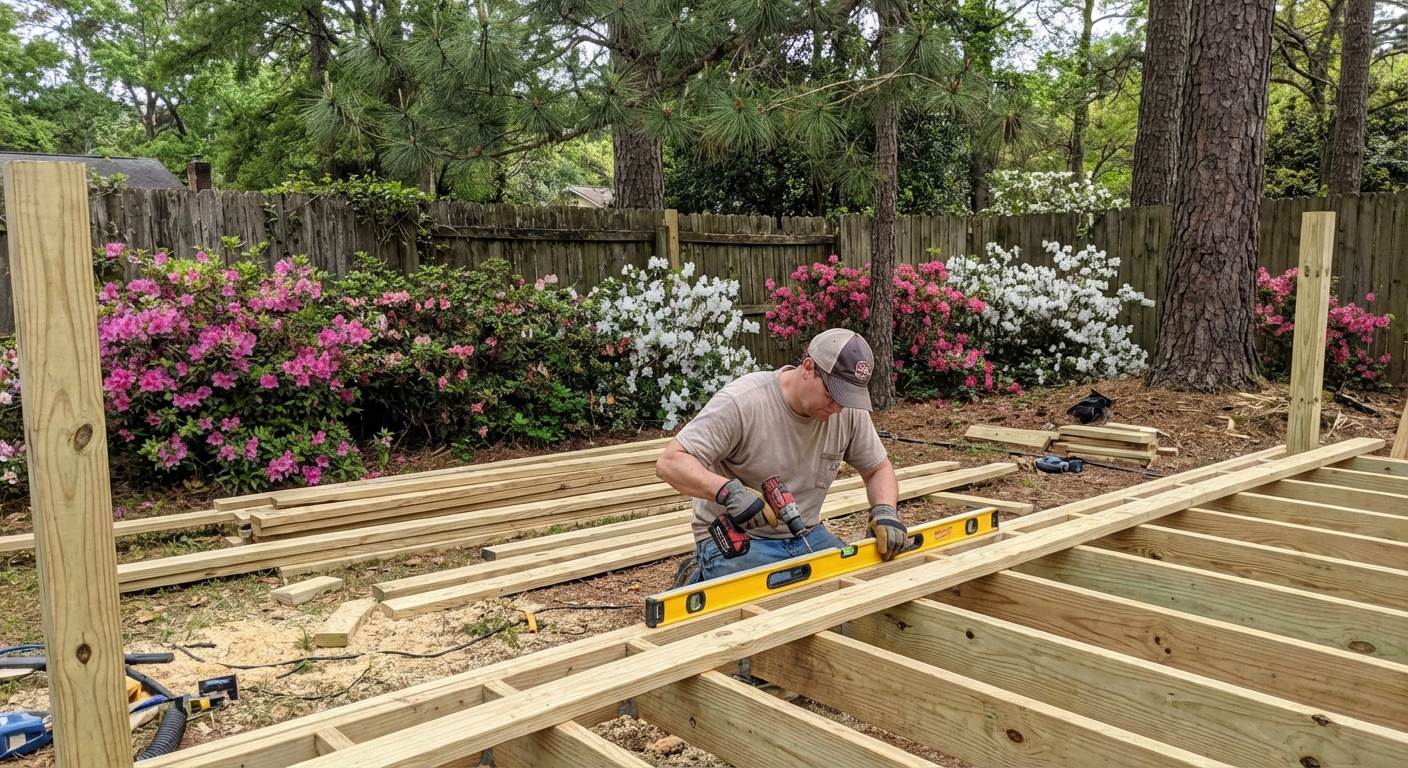
Dreaming of a new deck where you can relax and enjoy the South Carolina weather? Building your own deck is achievable, but it requires careful planning and execution, especially considering SC's climate and building codes. This guide provides a step-by-step approach to building a deck in South Carolina, tailored to the specific challenges and opportunities in the Palmetto State.
📐 Tool Alert: Deck Stair Calculator
Calculate rise, run, and stringer cuts while ensuring IRC/OBC code compliance.
Calculate Stairs →Planning Your South Carolina Deck Build
Looking for more regional information? Check out our South Carolina State Decking Hub.
🏗️ Planning a deck project?
Get a free manual project review, or visualize your dream deck with AI before requesting quotes.
Before you even pick up a hammer, thorough planning is crucial. This includes design, permits, material selection, and budgeting.
Deck Design and Size
Consider how you'll use your deck. Will it be for grilling, dining, relaxing, or a combination? This will influence the size and layout. Popular features in South Carolina include screened porches to keep out the bugs, ceiling fans for cooling, and outdoor kitchens for entertaining. If you live near the coast in areas like Charleston or Myrtle Beach, you might consider an elevated deck design, especially if you're in a flood zone.
Think about the aesthetics. Do you want a simple rectangular deck or a more complex design with multiple levels or built-in seating? Consider how the deck will integrate with your home's architecture and landscaping. Use PaperPlan (paperplan.app) to visualize your deck with PaperPlan design with different materials and layouts before committing to a contractor or purchasing materials.
South Carolina Building Permits and Codes
Most South Carolina counties require building permits for decks, particularly those exceeding 200 square feet or standing more than 30 inches above grade. Contact your local building department (city or county) to confirm specific requirements. Coastal counties, like those around Charleston, have stricter wind load requirements, sometimes up to 150 mph, due to hurricane risks.
South Carolina generally follows the International Residential Code (IRC) with local amendments. This code covers aspects like:
- Footing depth: Typically, footings need to extend below the frost line (around 12 inches in most of SC).
- Post size and spacing: Determined by deck height and load.
- Joist size and spacing: Dictated by the deck's span and expected load.
- Railing height and baluster spacing: Railings must be at least 36 inches high, with balusters spaced no more than 4 inches apart.
The Charleston Historic District has additional design review requirements to preserve the area's architectural character. Be sure to check with the city's preservation office if your property falls within this zone. Failure to obtain necessary permits can result in fines and required demolition. See our guide to Deck Permits in South Carolina for more details.
Material Selection for SC's Climate
South Carolina's hot, humid summers (with temperatures between 85-95°F) and frequent afternoon storms demand durable, weather-resistant decking materials. Termite pressure is also high, making treated lumber essential. Salt air corrosion is a major concern in coastal areas.
Here’s a comparison of common decking materials in South Carolina:
| Material | Pros | Cons | Average Cost (Installed) |
| ------------------ | -------------------------------------------------------------------------------------------------------------------------------------------------------------------------------------------------- | ----------------------------------------------------------------------------------------------------------------------------------------------------------------------- | ------------------------ |
| Pressure-Treated Wood | Affordable, readily available, easy to work with. | Requires regular staining/sealing, prone to warping and cracking, susceptible to mold and mildew. | $22-40/sqft |
| Composite Decking | Low maintenance, resists rot and insects, available in various colors and styles, long lifespan. | More expensive than pressure-treated wood, can get hot in direct sunlight, some brands may be prone to fading. | $40-70/sqft |
| Cedar | Naturally resistant to rot and insects, beautiful appearance, durable. | More expensive than pressure-treated wood, requires regular sealing to maintain color, can be susceptible to dents and scratches. | $30-50/sqft |
| Ipe (Brazilian Walnut) | Extremely durable, naturally resistant to rot, insects, and fire, beautiful appearance. | Very expensive, difficult to work with (requires pre-drilling), can be prone to splintering. | $50-80+/sqft |
For coastal areas, consider composite decking or hardwoods like Ipe due to their superior resistance to salt air. Pressure-treated lumber is a budget-friendly option but requires diligent maintenance to prevent rot and insect damage. Learn more in our guide to the Best Decking Material for South Carolina.
Budgeting for Your Deck
Deck costs in South Carolina vary depending on the size, materials, and complexity of the design. As a general guideline:
- Pressure-treated wood decks: $22-40 per square foot (installed)
- Composite decks: $40-70 per square foot (installed)
- Cedar decks: $30-50 per square foot (installed)
DIY projects can save on labor costs, but remember to factor in the cost of tools, permits, and potential mistakes.
<!-- slot:after-intro -->
Step-by-Step Deck Building Guide
Once you have a solid plan, you can begin the actual construction. Remember to build your deck during the best months, between September and May, to avoid the worst of the summer heat and humidity.
1. Layout and Excavation
- Mark the perimeter of your deck using stakes and string.
- Excavate for the footings. Check your local building codes for required depth and diameter. A typical footing diameter is 12-18 inches.
- If your deck is attached to your house, carefully attach a ledger board using lag screws. Ensure proper flashing to prevent water damage to your home.
2. Footings and Posts
- Pour concrete into the footing holes, ensuring they are level.
- Install post bases into the wet concrete.
- Once the concrete has cured, cut and install the posts. Use pressure-treated lumber for all posts. Ensure posts are plumb and properly braced.
3. Beams and Joists
- Attach beams to the posts using appropriate hardware. Beams support the joists and distribute the deck's load.
- Install joists perpendicular to the beams. Use joist hangers to secure them to the beams. Proper joist spacing is critical for deck stability. Common spacing is 12 inches or 16 inches on center, depending on the decking material and load requirements.
- Add blocking between joists for additional support and to prevent twisting.
4. Decking Installation
- Start installing decking boards, leaving a small gap (1/8-1/4 inch) between boards for expansion and contraction. This is especially important in South Carolina’s humid climate.
- Use screws or hidden fasteners to secure the decking boards to the joists.
- Stagger the seams for a more visually appealing and structurally sound deck.
5. Railings and Stairs
- Install posts for the railings. Ensure they are securely attached to the deck frame.
- Attach railings and balusters to the posts. Follow building code requirements for railing height and baluster spacing.
- If your deck is elevated, build stairs according to code. Calculate the rise and run carefully to ensure comfortable and safe steps.
6. Finishing Touches
- Inspect the deck for any loose screws or uneven surfaces.
- Apply a sealant or stain to protect the wood from the elements. This is particularly important in South Carolina to combat mold, mildew, and algae growth. For tips, check out Deck Staining Tips for South Carolina's Humid Climate.
- Add landscaping around the deck to enhance its appearance and integrate it with your yard.
<!-- slot:mid-content -->
Safety Considerations
Building a deck involves potential hazards. Always wear safety glasses, gloves, and appropriate footwear. Use power tools with caution and follow manufacturer's instructions. If you're not comfortable working at heights or with power tools, consider hiring a professional deck builder.
Maintaining Your South Carolina Deck
Regular maintenance is essential to prolong the life of your deck, especially in South Carolina's challenging climate.
- Clean your deck regularly: Use a deck cleaner to remove dirt, algae, and mildew.
- Inspect for damage: Check for loose screws, cracked boards, and signs of rot or insect infestation.
- Re-stain or seal your deck: Apply a fresh coat of sealant or stain every 1-2 years to protect the wood from the elements.
- Clear debris: Remove leaves and other debris from between decking boards to prevent moisture buildup.
- Consider professional maintenance: For larger repairs or maintenance tasks, consider hiring a professional deck maintenance company. Learn more about Deck Maintenance in South Carolina: Protect Against Humidity & Storms.
<!-- slot:before-faq -->
Building a deck in South Carolina is a rewarding project that can enhance your outdoor living space. By carefully planning, selecting the right materials, and following proper construction techniques, you can create a beautiful and durable deck that you'll enjoy for years to come. If the project feels overwhelming, connect with a qualified local deck builder.
<!-- slot:end -->
🎨 Not sure which material to pick?
Upload a photo of your backyard and see exactly how Trex, TimberTech, or cedar would look — free and instant.
Frequently Asked Questions
Do I need a permit to build a deck in South Carolina?
Yes, most counties in South Carolina require a permit for decks exceeding 200 square feet or 30 inches in height. Check with your local building department for specific requirements.
What is the best decking material for South Carolina's climate?
Composite decking and hardwoods like Ipe are excellent choices due to their resistance to moisture, insects, and salt air. Pressure-treated lumber is a more affordable option but requires regular maintenance.
How often should I stain or seal my deck in South Carolina?
It's recommended to stain or seal your deck every 1-2 years to protect it from the elements and prevent mold and mildew growth.
How much does it cost to build a deck in South Carolina?
Costs range from $22-40 per square foot for pressure-treated wood to $40-70 per square foot for composite decking, installed.
📋 Planning a deck project?
Get a free manual project review from our team — no obligation, no spam.
Get Free Project Review →Upload a backyard photo and preview real decking materials with AI — free, instant, no sign-up.
Permits, costs, material comparisons, and questions to ask before requesting quotes — delivered to your inbox.