
Covered Deck Ideas for South Carolina (2026)
Escape the South Carolina heat and rain with these covered deck ideas! Design tips, material choices, and cost considerations for SC homeowners.
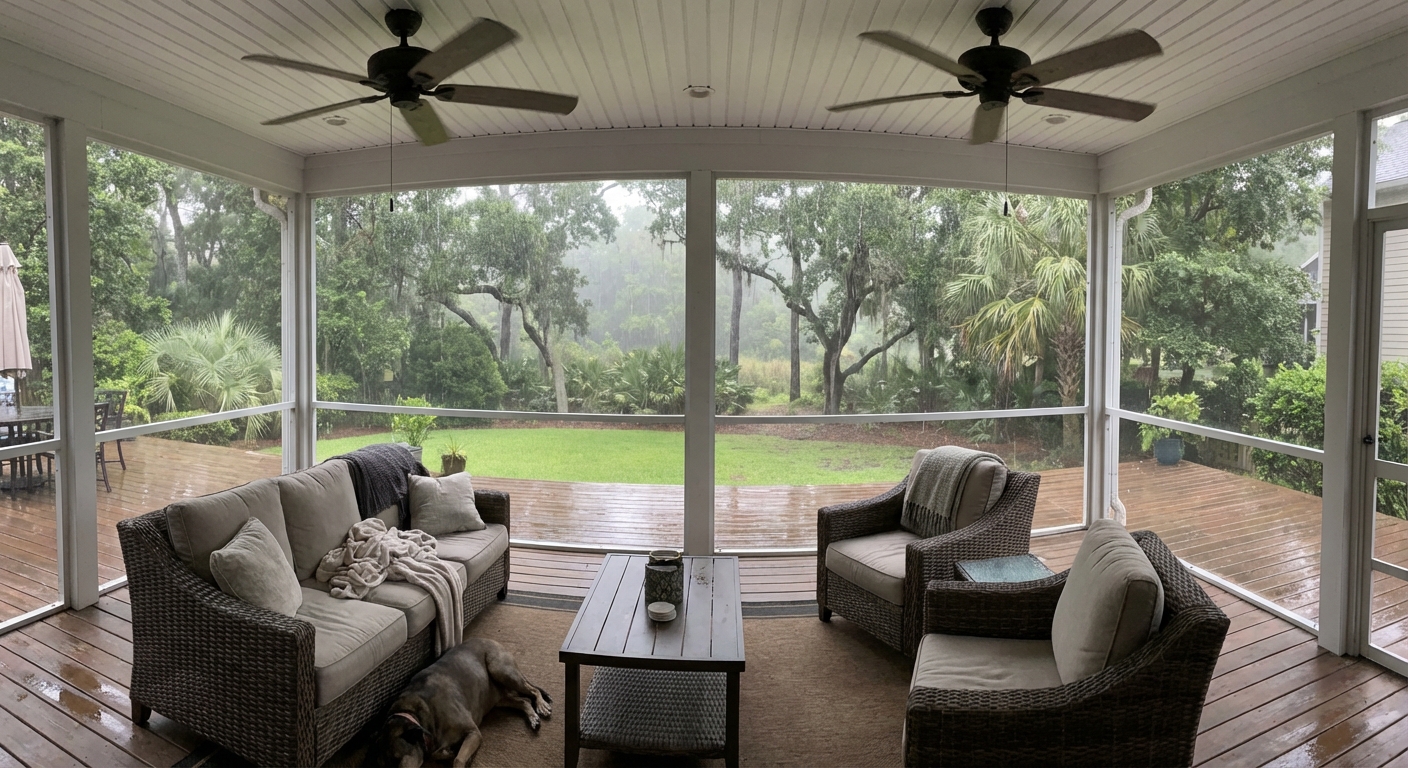
South Carolina’s weather can be intense. You need a deck that can handle blistering summers (often between 85-95°F) with high humidity, frequent afternoon thunderstorms, and even the occasional hurricane. A covered deck provides welcome shade, shelter from rain, and extends your outdoor living season. This guide explores covered deck ideas tailored for South Carolina homeowners, considering regional climates, building codes, and popular design features.
South Carolina Climate Considerations for Covered Decks
Looking for more regional information? Check out our South Carolina State Decking Hub.
🏗️ Planning a deck project?
Get a free manual project review, or visualize your dream deck with AI before requesting quotes.
South Carolina presents unique challenges. Coastal areas like Charleston and Myrtle Beach contend with salt air corrosion, the threat of hurricane-force winds (requiring designs that can withstand up to 150 mph in some zones), and potential flood zone regulations. The Upstate, including Greenville and Rock Hill, experiences milder conditions but still requires robust construction to withstand the elements. Red clay soil can also impact foundation choices. Mold, mildew, and algae growth are persistent problems statewide due to the high humidity. Termite pressure is also high, mandating the use of treated lumber.
<!-- slot:after-intro -->
Covered Deck Design Ideas for SC Homes
Your covered deck design should complement your home's architectural style and meet your specific needs. Here are several ideas, keeping South Carolina's climate in mind:
Gable Roof Covered Deck
A gable roof is a classic choice, offering excellent rain runoff and ventilation. The pitched design helps shed water efficiently, a major advantage during South Carolina's frequent downpours. Consider a steeper pitch in coastal areas to better withstand wind uplift. This style works well with traditional home styles found throughout the state.
Shed Roof Covered Deck
Shed roofs are simpler and more cost-effective to build than gable roofs. They slope in one direction, making them suitable for decks attached to single-story homes or where headroom is limited. Ensure proper drainage to prevent water pooling.
Pergola with Retractable Canopy
For a more flexible option, consider a pergola covered with a retractable canopy. This allows you to enjoy sunlight when desired and quickly create shade when the sun becomes too intense. Choose a durable, weather-resistant canopy fabric to withstand South Carolina's harsh UV rays and humidity.
Screened Porch
A screened porch provides complete protection from insects, making it a popular choice in bug-prone South Carolina. It allows you to enjoy the outdoors without the annoyance of mosquitoes, gnats, and other pests. Screened porches can be integrated with a covered deck structure for a seamless transition between open and enclosed spaces. Learn more about the pros and cons in our article: Screened Porch vs Open Deck in South Carolina: Which Is Better?
Elevated Deck with Under-Deck Ceiling
In coastal flood zones, elevate your deck to meet local regulations. Installing an under-deck ceiling creates a dry, usable space beneath the deck, maximizing your outdoor living area. This is especially valuable in areas like Charleston and Myrtle Beach.
Outdoor Kitchen Integration
Incorporate an outdoor kitchen into your covered deck design. Include a grill, countertop space, storage cabinets, and even a sink. This allows you to prepare and enjoy meals outdoors, extending your living space and taking advantage of South Carolina's pleasant evenings.
Ceiling Fans and Lighting
Install ceiling fans to circulate air and keep you cool during hot summer days. Adequate lighting is essential for nighttime use. Consider recessed lighting, string lights, or sconces to create a comfortable and inviting atmosphere.
Use PaperPlan (paperplan.app) to visualize your deck with PaperPlan design with different materials and layouts before committing to a contractor.
Decking Material Choices for South Carolina
Selecting the right decking material is crucial for longevity and performance. Consider these options, keeping South Carolina's climate in mind:
| Material | Cost (Installed) | Pros | Cons | Considerations for SC |
|------------------|--------------------|-----------------------------------------------------------------------|-----------------------------------------------------------------------|---------------------------------------------------------------------------------------------------------|
| Pressure-Treated | $22-40/sqft | Affordable, readily available, resists rot and insects. | Requires regular staining or sealing, prone to warping and cracking. | Choose ACQ-treated lumber for better environmental friendliness. Essential to combat termite pressure. |
| Composite | $40-70/sqft | Low maintenance, durable, resists fading and staining, insect-resistant. | Higher initial cost, can get hot in direct sunlight. | Excellent choice for coastal areas due to salt air resistance. Learn more: Composite Deck Cost in South Carolina |
| Cedar | $30-50/sqft | Naturally beautiful, resists rot and insects, less prone to warping. | Requires regular sealing, can be more expensive than pressure-treated. | A good option if you prefer natural wood. |
| Ipe (Brazilian Walnut) | $50-90/sqft | Extremely durable, naturally resistant to rot, insects, and fire. | Very expensive, difficult to work with. | Premium option for ultimate longevity, especially in coastal environments. |
Building Codes and Permits in South Carolina
Most South Carolina counties require permits for decks exceeding 200 sqft or 30 inches above grade. Building codes generally follow the International Residential Code (IRC) with local amendments. Coastal counties have stricter wind load requirements. Charleston Historic District has additional design review requirements. Always check with your local building department before starting construction to ensure compliance. See also: Deck Permits in South Carolina and Deck Building Codes in South Carolina.
<!-- slot:mid-content -->
Cost Considerations for Covered Decks in SC
The cost of a covered deck in South Carolina depends on several factors, including size, materials, design complexity, and labor costs. Here's a general cost breakdown:
- Materials: Decking, framing, roofing, posts, hardware, fasteners.
- Labor: Construction, roofing, electrical, plumbing (if adding an outdoor kitchen).
- Permits: Fees for building permits and inspections.
- Design Fees: If you hire an architect or designer.
As mentioned previously, expect to pay around $22-40 per square foot for a pressure-treated deck, $40-70 per square foot for composite, and $30-50 per square foot for cedar, installed. Adding a roof structure will increase the overall cost significantly.
Maintenance Tips for SC Covered Decks
Regular maintenance is essential to protect your covered deck from the elements and extend its lifespan. Here are some tips:
- Clean Regularly: Sweep or wash your deck regularly to remove dirt, debris, and algae. Use a deck cleaner specifically designed for your decking material.
- Apply Sealant: Apply a sealant or stain every 1-3 years to protect the wood from moisture and UV damage.
- Inspect for Damage: Regularly inspect your deck for signs of rot, insect damage, or loose fasteners. Repair any damage promptly.
- Trim Vegetation: Keep vegetation trimmed away from your deck to improve airflow and prevent moisture buildup.
- Clean Gutters: Keep gutters clean to ensure proper water drainage.
For more detailed advice, read our article: Deck Maintenance in South Carolina: Protect Against Humidity & Storms and Deck Staining Tips for South Carolina's Humid Climate.
When to Build Your Covered Deck in South Carolina
The best time to build a deck in South Carolina is typically during the cooler months, from September to May. Avoid the peak summer heat and humidity, which can make construction uncomfortable and slow down the process.
<!-- slot:before-faq -->
A covered deck is a valuable investment that can enhance your outdoor living experience in South Carolina. By carefully considering the climate, building codes, and your specific needs, you can create a beautiful and functional outdoor space that you'll enjoy for years to come. Explore some more design ideas in South Carolina Deck Design Ideas: Inspiration for Lowcountry & Upstate Homes. And if you're ready to find a contractor, check out Best Deck Builders in Charleston, Best Deck Builders in Columbia, SC, and Best Deck Builders in Greenville, SC.
<!-- slot:end -->
🎨 Not sure which material to pick?
Upload a photo of your backyard and see exactly how Trex, TimberTech, or cedar would look — free and instant.
Frequently Asked Questions
What type of roofing is best for a covered deck in South Carolina?
Asphalt shingles are a common and affordable option. Metal roofing is more durable and reflects heat, which can help keep the deck cooler. Consider the style of your home when making your decision.
How do I protect my deck from salt air corrosion in coastal areas?
Choose corrosion-resistant materials like composite decking, stainless steel fasteners, and powder-coated aluminum railings. Regularly wash your deck with fresh water to remove salt buildup.
Do I need a permit for a covered deck in South Carolina?
Generally, yes, if your deck is over 200 sqft or 30 inches above grade. Contact your local building department to verify specific requirements.
What is the best way to prevent mold and mildew on my deck?
Ensure proper ventilation, clean your deck regularly, and apply a mildew-resistant sealant. Consider using a deck cleaner with a fungicide.
How much does it cost to add a roof to an existing deck?
Adding a roof can significantly increase the cost, potentially doubling the initial deck price. The exact cost depends on the size and complexity of the roof structure. Contact local contractors for accurate estimates.
📋 Planning a deck project?
Get a free manual project review from our team — no obligation, no spam.
Get Free Project Review →Upload a backyard photo and preview real decking materials with AI — free, instant, no sign-up.
Permits, costs, material comparisons, and questions to ask before requesting quotes — delivered to your inbox.