
Best Deck Stain for South Carolina Humi (2026)
Combat South Carolina's humidity with the best deck stain! Top 2026 picks for Charleston, Columbia, Greenville & Myrtle Beach. Protect your deck!
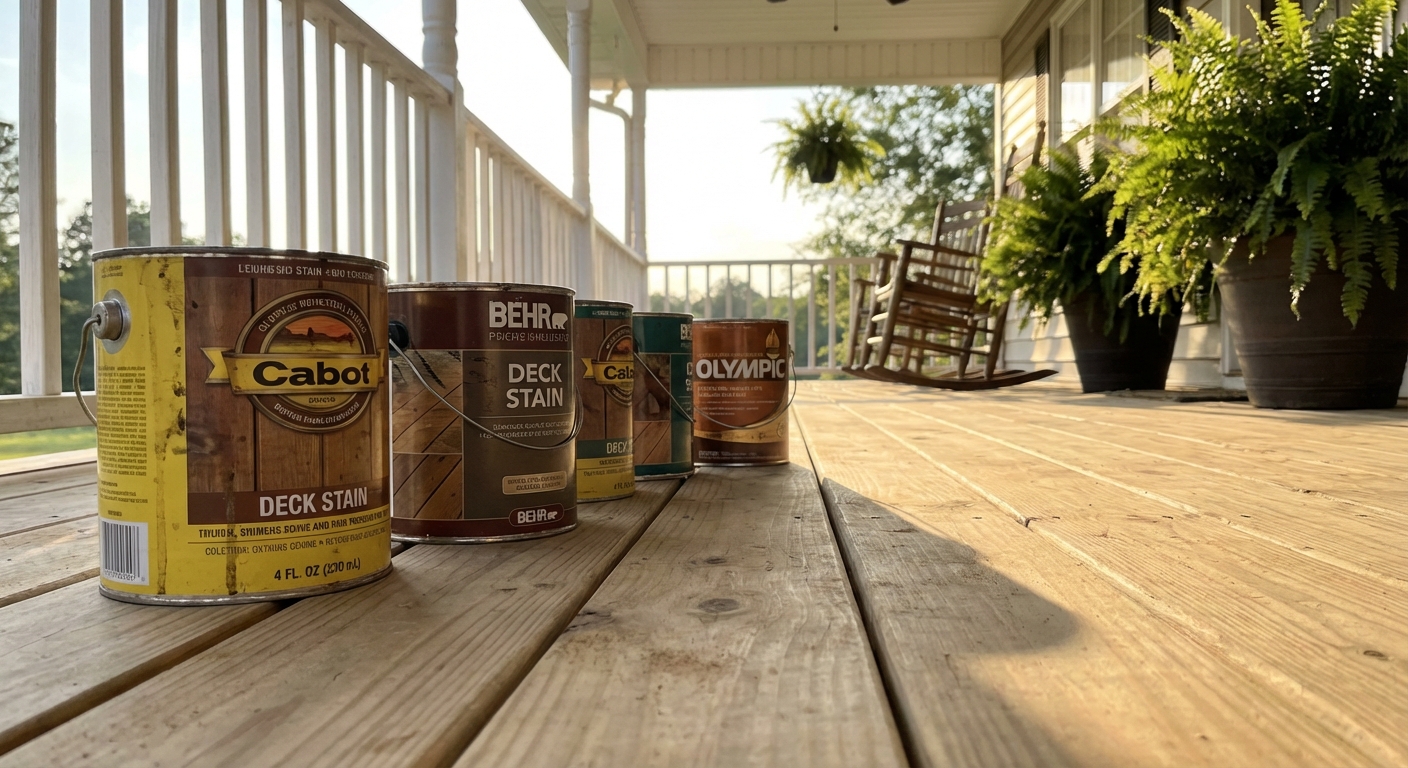
Is your deck looking weathered and worn after another South Carolina summer? The relentless humidity, intense UV rays, and frequent storms take a toll. Choosing the right deck stain is crucial to protect your investment and keep your outdoor space looking its best. This guide will walk you through the best deck stain options specifically formulated to withstand South Carolina's unique climate challenges.
📅 Tool Alert: Maintenance Planner
Get a custom seasonal maintenance schedule to protect your investment for decades.
Plan Maintenance →Understanding South Carolina's Deck Stain Challenges
Looking for more regional information? Check out our South Carolina State Decking Hub.
🏗️ Planning a deck project?
Get a free manual project review, or visualize your dream deck with AI before requesting quotes.
South Carolina decks face a trifecta of environmental stressors: heat, humidity, and intense sunlight.
- Humidity: With average summer temperatures between 85-95°F and high humidity, mold, mildew, and algae growth are significant concerns. Coastal areas like Charleston and Myrtle Beach experience even higher humidity levels.
- UV Exposure: South Carolina's strong sun fades and degrades wood finishes quickly. UV rays break down the stain's protective polymers, leading to cracking, peeling, and discoloration.
- Coastal Considerations: If you live near the coast (Charleston, Myrtle Beach, Mount Pleasant), your deck also battles salt air corrosion and potential hurricane-force winds. Coastal counties have stricter building codes and wind load requirements, sometimes up to 150 mph. Flood zone regulations may also influence your deck's design and material choices.
- Upstate Differences: In the Upstate (Greenville, Rock Hill), the climate is milder, but the red clay soil can stain decks if not properly sealed.
<!-- slot:after-intro -->
Types of Deck Stain and Their Suitability for SC
Choosing the right type of stain is the first step. Here's a breakdown of common options:
Oil-Based Stains
- Pros: Excellent penetration, water repellency, and durability. Often considered the best choice for new decks or decks with bare wood. They resist cracking and peeling better than some water-based options.
- Cons: Longer drying times, higher VOC content (volatile organic compounds), and can be more susceptible to mildew if not properly formulated. Oil-based stains also tend to darken over time with UV exposure.
- SC Suitability: A good option *if* you choose a high-quality, mildew-resistant formula. Consider a clear wood preservative base coat for added protection.
Water-Based Stains
- Pros: Lower VOC content, easier cleanup, and faster drying times. They also tend to resist fading better than oil-based stains.
- Cons: Can be less penetrating and durable than oil-based stains, especially on dense woods. May require more frequent reapplication.
- SC Suitability: A viable option, especially for composite decking or previously stained decks. Look for formulas with UV inhibitors and mildewcides.
Solid Stains
- Pros: Offer the most protection against UV damage and moisture. They completely cover the wood grain, providing a uniform color. Excellent for older decks with imperfections.
- Cons: They behave more like paint and can be prone to cracking and peeling, especially in high-humidity environments. They also obscure the natural wood grain.
- SC Suitability: Use with caution. If you choose a solid stain, proper surface preparation and application are crucial. Consider an acrylic latex formula for better flexibility.
Semi-Transparent Stains
- Pros: Allow some of the wood grain to show through while providing color and protection. A good balance between aesthetics and durability.
- Cons: Less UV protection than solid stains.
- SC Suitability: A popular choice for South Carolina decks, offering a natural look with decent protection. Choose a high-quality formula with UV inhibitors and mildewcides.
Clear Wood Preservatives
- Pros: Offer excellent water repellency and protection against mold, mildew, and rot without adding color.
- Cons: Provide minimal UV protection and require frequent reapplication.
- SC Suitability: Best used as a base coat under a stain to enhance water resistance and protect against fungal growth.
Top Deck Stain Picks for South Carolina (2026)
These stains are selected for their ability to withstand South Carolina's heat, humidity, and UV exposure. Always follow the manufacturer's instructions for surface preparation and application.
| Stain Brand & Type | Key Features | Pros | Cons | Estimated Cost (per gallon) | Best For |
| ------------------------------ | --------------------------------------------------------------------------------------------------------------------------------------- | --------------------------------------------------------------------------------------------------------------------------------- | ------------------------------------------------------------------------------------------------------------------------------------- | ----------------------------- | ----------------------------------------------------------------------------------------------------------------------------------- |
| Ready Seal Exterior Stain and Sealer (Oil-Based) | Self-priming, easy to apply, penetrates deeply, resists mildew. | Simple application, no back-brushing needed, excellent penetration. | Limited color options, can be affected by heavy rain shortly after application. | $45-55 | New decks, bare wood, homeowners seeking easy application. |
| Defy Extreme Wood Stain (Water-Based) | Nano-particle technology for UV resistance, excellent water repellency, resists fading and mildew. | Long-lasting color, environmentally friendly, easy cleanup. | Can be more expensive than other options, requires proper surface preparation. | $50-60 | Decks exposed to intense sunlight, homeowners prioritizing longevity and environmental friendliness. |
| Armstrong Clark Wood Stain (Oil-Based) | Non-drying oils penetrate deeply to nourish wood, resists mildew and water damage. | Excellent penetration, natural look, resists cracking and peeling. | Longer drying time, higher VOC content. | $40-50 | Decks made from hardwoods (e.g., Ipe, Mahogany), homeowners wanting a natural wood finish. |
| Thompsons WaterSeal Waterproofer Plus Clear Wood Protector (Water-Based) | Affordable, clear formula, protects against water damage and UV rays. | Budget-friendly, easy to apply, good water repellency. | Requires frequent reapplication, minimal color enhancement. | $25-35 | Homeowners seeking basic protection on a budget, decks needing only water repellency. |
| Benjamin Moore Arborcoat Exterior Stain (Water-Based) | Acrylic latex formula, excellent color retention, resists mildew and fading. Available in solid and semi-transparent options. | Wide range of colors, durable finish, easy to clean. | Can be expensive, requires proper surface preparation. | $60-70 | Homeowners prioritizing color selection and durability, decks with existing coatings. |
*Note: Prices are estimates and may vary depending on the retailer and location.*
Remember that proper preparation is key, regardless of the stain you choose. This includes cleaning, sanding, and repairing any damaged wood. Always follow the manufacturer's instructions for the best results.
Decking Material and Stain Compatibility
The type of decking material you have will also influence your stain choice. Here's a quick guide:
- Pressure-Treated Pine: This is the most common decking material in South Carolina due to its affordability ($22-40/sqft installed). Oil-based stains generally work well, but allow the wood to dry thoroughly after treatment (typically 6-12 months) before staining.
- Cedar: Cedar is naturally resistant to rot and insects ($30-50/sqft installed), but it still benefits from staining to protect against UV damage and moisture. Oil-based stains are a good choice, as they penetrate the wood well.
- Composite Decking: Composite decks require stains specifically designed for non-wood surfaces. Look for water-based acrylic stains that are compatible with your specific composite material ($40-70/sqft installed). Always check the manufacturer's recommendations.
- Exotic Hardwoods (Ipe, Mahogany): These dense woods require penetrating oil-based stains designed to adhere to their tight grain. Armstrong Clark and similar brands are often recommended.
Use PaperPlan (paperplan.app) to visualize your deck with PaperPlan design with different materials and layouts before committing to a contractor. Experiment with different wood types and stain colors to see how they'll look on your home.
Preparing Your Deck for Staining in SC's Climate
Proper preparation is essential for a long-lasting finish. Here's how to prepare your deck for staining in South Carolina:
1. Clean the Deck: Use a deck cleaner to remove dirt, mildew, and algae. Pressure washing can be effective, but be careful not to damage the wood, especially on softer woods like pine.
2. Sand the Deck: Sanding removes old stain, smooths rough spots, and opens the wood pores for better stain penetration.
3. Repair Damaged Wood: Replace any rotten or damaged boards before staining.
4. Brighten the Wood (Optional): A wood brightener can help restore the wood's natural color and improve stain adhesion.
5. Let the Deck Dry: Allow the deck to dry completely before staining (at least 24-48 hours).
6. Test the Stain: Before applying stain to the entire deck, test it in an inconspicuous area to ensure you like the color and finish.
Best build months for decks in South Carolina are September-May to avoid peak summer humidity and heat during construction and staining.
Application Tips for South Carolina Decks
- Choose the Right Day: Avoid staining on hot, humid days or when rain is expected. Ideal conditions are dry weather with temperatures between 50-90°F.
- Apply Thin Coats: Apply thin, even coats of stain to avoid runs and drips.
- Back-Brush: For oil-based stains, back-brushing (brushing the stain into the wood immediately after application) helps ensure proper penetration.
- Work in Sections: Work in small sections to prevent the stain from drying before you can blend it in.
- Consider a Second Coat: A second coat of stain can provide added protection, especially in high-traffic areas.
- Proper Ventilation: Ensure proper ventilation during and after application, especially with oil-based stains.
- Dispose of Rags Properly: Oily rags can spontaneously combust. Soak them in water and seal them in a metal container before disposal.
<!-- slot:mid-content -->
South Carolina Building Codes and Permits
Before building or renovating your deck, familiarize yourself with South Carolina building codes and permit requirements.
- South Carolina follows the International Residential Code (IRC) with local amendments.
- Most counties require permits for decks over 200 sqft or 30 inches above grade.
- Coastal counties have stricter wind load requirements (up to 150 mph in some zones).
- The Charleston Historic District has additional design review requirements.
Failure to obtain the necessary permits can result in fines and delays. Review Deck Permits in South Carolina and Deck Building Codes in South Carolina for more information.
Cost Considerations for Deck Projects in SC
Planning a new deck or renovation? Here's a general idea of costs:
| Material | Cost per Square Foot (Installed) |
| ----------------- | -------------------------------- |
| Pressure-Treated | $22-40 |
| Composite | $40-70 |
| Cedar | $30-50 |
These costs can vary depending on the size, design, and location of your deck. See How Much Does a Deck Cost in South Carolina? for a more detailed breakdown. Also, explore material-specific costs in these articles: Composite Deck Cost in South Carolina, Deck Cost in Charleston, SC, and Deck Cost in Columbia, SC.
Common Deck Problems in South Carolina
Besides stain failure, here are some other common deck problems in South Carolina:
- Termites: Termite pressure is high in South Carolina. Always use treated lumber for your deck's substructure.
- Rot and Decay: Moisture can lead to rot and decay, especially in areas with poor ventilation.
- Mold and Mildew: High humidity promotes mold and mildew growth. Regular cleaning and proper sealing can help prevent this.
- Fading and Discoloration: UV exposure can fade and discolor your deck over time. Choose a stain with UV inhibitors to minimize this.
<!-- slot:before-faq -->
Protect your deck and enhance your outdoor living space by selecting the right stain and following proper preparation and application techniques. Consider these popular South Carolina deck features: Covered Deck Ideas for South Carolina: Beat the Heat & Rain and Screened Porch vs Open Deck in South Carolina: Which Is Better?
<!-- slot:end -->
🎨 Not sure which material to pick?
Upload a photo of your backyard and see exactly how Trex, TimberTech, or cedar would look — free and instant.
Frequently Asked Questions
How often should I stain my deck in South Carolina?
The frequency of staining depends on the type of stain, the amount of sun exposure, and the deck's usage. Generally, you should restain your deck every 1-3 years for semi-transparent stains and every 3-5 years for solid stains. Check the manufacturer's recommendations for specific guidance.
What is the best time of year to stain my deck in SC?
The best time to stain your deck in South Carolina is during the spring or fall when temperatures are mild and humidity is lower. Avoid staining during the hottest months of summer or when rain is expected.
How do I prevent mold and mildew growth on my deck?
To prevent mold and mildew growth, clean your deck regularly with a deck cleaner containing a mildewcide. Choose a stain with mildew-resistant properties and ensure proper ventilation around your deck.
Can I stain a wet deck?
No, you should never stain a wet deck. The wood needs to be completely dry for the stain to penetrate properly and adhere effectively. Allow at least 24-48 hours of dry weather after cleaning or rain before staining.
What are the most important considerations when building a deck in Charleston?
In Charleston, consider stricter wind load requirements due to hurricane risk. Also, the Historic District mandates design review, adding complexity to the process.
📋 Planning a deck project?
Get a free manual project review from our team — no obligation, no spam.
Get Free Project Review →Upload a backyard photo and preview real decking materials with AI — free, instant, no sign-up.
Permits, costs, material comparisons, and questions to ask before requesting quotes — delivered to your inbox.