
Deck Permits in The Woodlands (2026)
Need a deck permit in The Woodlands? Learn requirements, fees, setback rules, and how to apply. Avoid fines and delays with this 2026 homeowner guide.
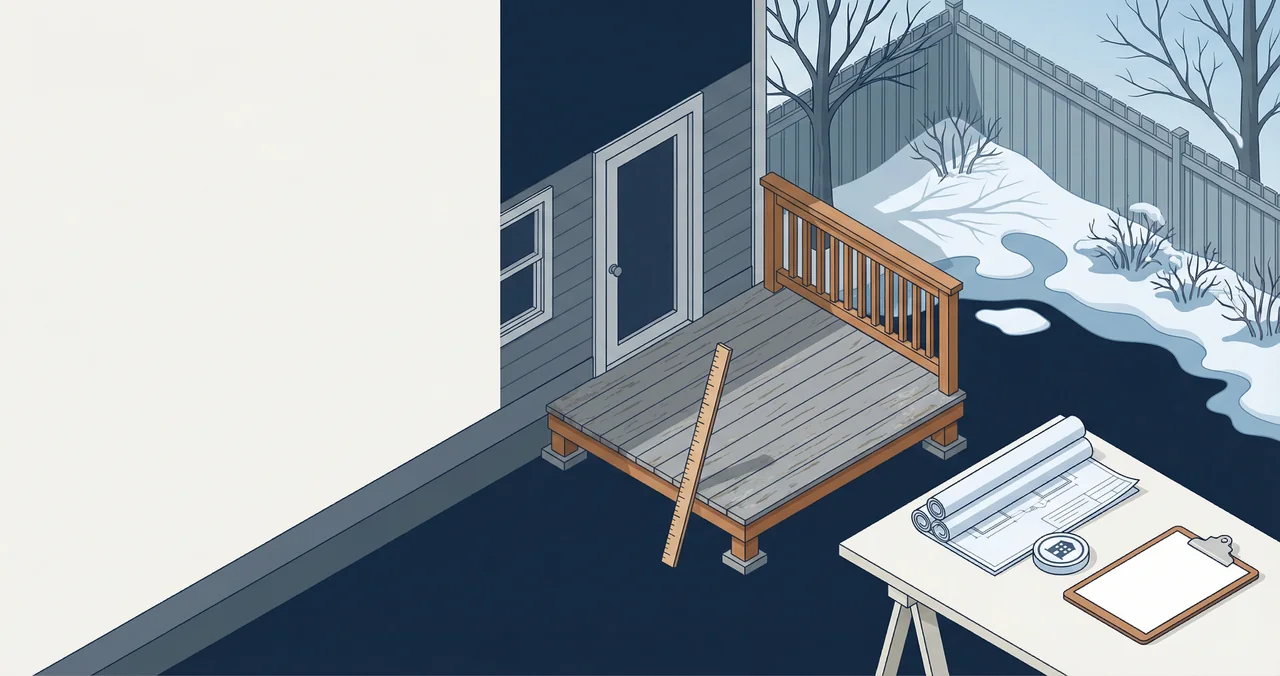
Deck Permits in The Woodlands: Requirements, Costs & How to Apply in 2026
If you're planning a deck in The Woodlands, the permit question is probably one of the first things on your mind. Skip this step and you risk fines, forced removal, or serious headaches when you eventually sell your home.
🏗️ Planning a deck project?
Get a free manual project review, or visualize your dream deck with AI before requesting quotes.
📋 Tool Alert: Permit Checker
Do you really need a permit? Check the exact rules for your city or township.
Check Permits →Looking for more regional information? Check out our Texas State Decking Hub.
Here's what The Woodlands homeowners actually need to know about deck permits in 2026 — including when you need one, what it costs, and how to get through the process without delays.
<!-- slot:after-intro -->
Do You Need a Permit in The Woodlands?
Yes, most deck projects in The Woodlands require a building permit. The Woodlands Township operates under Montgomery County jurisdiction, and residential construction permits are handled through The Woodlands Township Development Standards Committee (DSC) along with Montgomery County's Permit Office.
The general rule: any deck over 200 square feet or more than 30 inches above grade requires a permit. That covers the vast majority of backyard deck projects.
Even if your deck falls under those thresholds, you'll still need to comply with The Woodlands Development Standards. The Township has strict architectural and covenant guidelines that go beyond standard county building codes — especially regarding materials, colors, and how structures look from the street.
Bottom line: Contact The Woodlands Development Standards Department at (281) 210-3800 before you start any deck project. A five-minute phone call can save you thousands.
When a Permit Is Required
Not every deck project triggers the full permit process. Here's the breakdown:
Projects That Require a Permit
- New decks over 200 square feet in total area
- Decks higher than 30 inches above finished grade at any point
- Attached decks — any deck structurally connected to your home
- Decks with roofing or cover structures (pergolas, shade structures)
- Electrical work — built-in lighting, outlets, or fan installations
- Structural modifications to an existing deck (adding levels, expanding footprint)
Projects That May Not Require a Permit
- Ground-level platforms under 200 square feet that sit below 30 inches above grade
- Freestanding decks under 200 square feet with no electrical connections
- Simple deck resurfacing — replacing boards on an existing permitted structure without changing the frame
Even "permit-free" projects must still meet The Woodlands Development Standards and HOA covenant requirements. The Woodlands is one of the most heavily deed-restricted communities in Texas. Your HOA architectural review board will likely need to approve exterior changes regardless of permit requirements.
The HOA Factor
This is where The Woodlands differs from most Texas cities. You need approval from both:
1. Montgomery County — for the building permit
2. Your Village Association / DSC — for architectural compliance
The DSC reviews materials, colors, placement, and overall appearance. Submitting to one without the other is a common mistake that causes delays.
Permit Fees & Processing Time
Fee Breakdown
Deck permit fees in The Woodlands are based on project valuation and type:
| Fee Type | Estimated Cost |
|---|---|
| Residential building permit | $75–$300 (based on project value) |
| Plan review fee | $50–$150 |
| DSC application fee | $25–$50 |
| Inspection fees | Usually included in permit fee |
| Re-inspection fee (if you fail first inspection) | $50–$75 |
Total typical cost for a standard deck permit: $150–$500.
For a mid-size composite deck project valued at $15,000–$30,000, expect permit fees on the higher end of that range.
Processing Time
- DSC architectural review: 2–4 weeks (meets on a regular schedule)
- Montgomery County building permit: 1–3 weeks after DSC approval
- Total timeline: 3–7 weeks from initial submission to permit in hand
Pro tip: Submit your DSC application first. Many homeowners lose time by applying to the county before getting Township approval, only to find out their design doesn't meet covenant standards.
The best time to file? Late summer or early fall. You'll have your permit ready for the ideal October–April building season, and you'll avoid the spring rush when every homeowner in The Woodlands is thinking about outdoor projects.
Building Codes & Setback Rules
Structural Requirements
The Woodlands follows the International Residential Code (IRC) as adopted by Montgomery County, with some local amendments. Key structural requirements for decks include:
- Footings: Must extend below the frost line — minimum 12 inches deep in The Woodlands area, though most contractors go 18–24 inches for stability in the expansive clay soils common throughout Montgomery County
- Ledger boards: Must be properly flashed and bolted (not nailed) to the house rim joist with ½-inch lag screws or through-bolts spaced per code
- Beam and joist sizing: Determined by span tables in the IRC — your contractor should specify these on the permit drawings
- Post-to-beam connections: Require approved metal connectors, not just notching
- Railings: Required on any deck surface 30 inches or more above grade — minimum 36 inches high with balusters spaced no more than 4 inches apart
- Stairs: Must be at least 36 inches wide with consistent rise and run (max 7¾-inch rise, min 10-inch tread depth)
Setback Rules
Standard residential setbacks in The Woodlands typically follow these guidelines, though your specific lot may have different restrictions:
- Rear setback: 10–20 feet from the rear property line (varies by village and lot size)
- Side setback: 5–10 feet from side property lines
- Easement restrictions: Many lots in The Woodlands have drainage or utility easements — you cannot build within an easement
Check your property survey before designing your deck. Neighborhoods like Creekside Park, Sterling Ridge, Cochran's Crossing, and Indian Springs all have slightly different lot configurations and covenant requirements.
Climate-Specific Code Considerations
The Woodlands' hot, humid subtropical climate creates specific challenges that affect code compliance:
- Wind loads: While The Woodlands isn't directly coastal, Montgomery County requires designs to handle wind speeds of 110+ mph per current IRC wind maps. Use hurricane-rated connectors and fasteners — especially for elevated decks and any attached cover structures
- Moisture management: Proper flashing, ventilation under the deck, and adequate ground clearance are critical. The humid conditions promote mold, mildew, and wood rot faster than in drier climates
- Termite protection: The Woodlands sits in a heavy termite activity zone. Pressure-treated lumber must meet ground-contact ratings, and the code requires a termite barrier between soil and untreated wood
- Soil conditions: Montgomery County's expansive clay soils shift significantly with moisture changes. Deep footings and proper drainage around your deck are essential — not just code-recommended but practically necessary
<!-- slot:mid-content -->
How to Apply for a Deck Permit
Step 1: Check Your Deed Restrictions and Survey
Pull out your property survey and deed restrictions. Identify:
- Property lines and setback zones
- Easements (drainage, utility, pipeline — The Woodlands has many)
- Any specific covenant rules for your village
Don't have a current survey? Montgomery County Appraisal District has basic property records, but you may need to order a new survey ($300–$500) if yours is outdated.
Step 2: Create Your Deck Plans
You'll need drawings that show:
- Site plan — deck location on your lot with dimensions to property lines, house, and easements
- Elevation drawings — showing deck height, railing details, and stair configuration
- Structural details — footing depth, beam sizes, joist spacing, ledger attachment method
- Material specifications — what you're building with and manufacturer details
Most contractors in The Woodlands handle permit drawings as part of their bid. If you're working with a design-build firm, they'll typically prepare and submit everything. Use PaperPlan to visualize different decking materials on your own home before committing — it's especially helpful for comparing how composite vs. wood options look against your home's exterior.
Step 3: Submit to the DSC
File your application with The Woodlands Development Standards Committee:
- Complete the Residential Improvement Application
- Include your deck plans, material samples or specifications, and color selections
- Pay the DSC application fee
- Attend the review meeting if requested (or your contractor can attend on your behalf)
Step 4: Apply for the Building Permit
Once the DSC approves your design:
- Submit your approved plans to the Montgomery County Permit Office
- Include DSC approval documentation
- Pay permit fees
- Wait for plan review and permit issuance
Step 5: Schedule Inspections
Montgomery County typically requires two inspections for deck construction:
1. Footing/foundation inspection — before pouring concrete or backfilling
2. Final inspection — after the deck is complete
Don't skip the final inspection. You need that sign-off for the permit to be closed out. An open permit shows up during home sales and creates complications.
What Happens If You Build Without a Permit
Building a deck without the required permits in The Woodlands carries real consequences:
- Stop-work orders — Montgomery County can halt construction immediately
- Fines: $100–$500 per day for code violations in unincorporated Montgomery County areas
- Forced removal: In extreme cases, the county can require you to tear down the structure
- DSC enforcement: The Woodlands Township can levy its own fines for covenant violations — up to $200 per day
- Double permit fees: If you get caught, you'll still need to permit the work — often at double the standard fee
- Insurance issues: Your homeowner's insurance may not cover injuries or damage related to an unpermitted structure
- Sale complications: Title companies flag unpermitted work. Buyers walk away or demand price reductions. This is especially common in The Woodlands where buyers expect everything to be properly documented
Can You Retroactively Permit a Deck?
Sometimes. Montgomery County may allow you to obtain an "after-the-fact" permit, but it requires:
- Full plan submission as if the deck hadn't been built
- Inspections (which may require opening up finished work for structural verification)
- Premium fees — typically 1.5x to 2x the standard permit cost
- No guarantee of approval — if the deck doesn't meet code, you'll need to modify or remove it
The smarter path is always to permit first. The cost is minimal compared to your overall deck building investment.
What Your Deck Will Actually Cost in The Woodlands
Since you're already planning, here's what The Woodlands homeowners are paying for installed decks in 2026:
| Material | Installed Cost (per sq ft) | Best For |
|---|---|---|
| Pressure-treated wood | $25–$45 | Budget projects; needs sealing every 1–2 years in Texas humidity |
| Cedar | $35–$55 | Natural look; better rot resistance than PT but still needs maintenance |
| Composite (mid-range) | $45–$75 | Low maintenance; resists moisture, insects, and UV — ideal for The Woodlands climate |
| Trex (premium composite) | $50–$80 | Warranty-backed; excellent fade resistance for Texas sun exposure |
| Ipe (hardwood) | $60–$100 | Ultra-durable; naturally resists everything but requires periodic oiling |
For a typical 300–400 square foot deck in The Woodlands, budget:
- Pressure-treated: $7,500–$18,000
- Composite: $13,500–$30,000
- Trex: $15,000–$32,000
Given The Woodlands' extreme UV exposure and humidity, composite decking pays for itself through lower maintenance costs within 5–7 years. Pressure-treated wood will need annual sealing and staining — skip a year and you'll see warping, graying, and mildew taking hold fast.
For detailed pricing on specific deck sizes, check out our Houston-area deck builder guide.
<!-- slot:before-faq -->
🎨 Not sure which material to pick?
Upload a photo of your backyard and see exactly how Trex, TimberTech, or cedar would look — free and instant.
Frequently Asked Questions
Do I need a permit for a small deck in The Woodlands?
If your deck is under 200 square feet and less than 30 inches above grade, you may not need a building permit from Montgomery County. However, you still need DSC approval from The Woodlands Township. The deed restrictions in The Woodlands apply to virtually all exterior modifications, regardless of size. Call The Woodlands Development Standards at (281) 210-3800 to confirm your specific situation.
How long does it take to get a deck permit in The Woodlands?
Plan for 3–7 weeks total. The DSC architectural review takes 2–4 weeks (they meet on a set schedule), and the Montgomery County building permit review adds another 1–3 weeks. Start the process in August or September to have permits ready for the ideal fall/winter building season.
How much does a deck permit cost in The Woodlands?
Total permit-related costs typically run $150–$500, including the DSC application fee, plan review fee, and building permit fee. The exact amount depends on your project's valuation. This is a small fraction of your overall deck cost — a composite deck project typically runs $13,000–$30,000+ installed.
Can my contractor pull the permit for me?
Yes, and most reputable deck contractors in The Woodlands handle the entire permit process. They'll prepare drawings, submit applications to both the DSC and Montgomery County, and schedule inspections. Be cautious of any contractor who suggests skipping the permit process — that's a major red flag.
What's the best time of year to build a deck in The Woodlands?
October through April is ideal. You avoid the brutal summer heat (which affects both worker productivity and material behavior), and contractors have more availability. Filing your permit in late summer puts you in the perfect position. Summer building is possible but expect slower progress and higher demand for covered work schedules. The mild Texas winters make year-round construction feasible, which gives you more negotiating room with contractors.
<!-- slot:end -->
📋 Planning a deck project?
Get a free manual project review from our team — no obligation, no spam.
Get Free Project Review →Upload a backyard photo and preview real decking materials with AI — free, instant, no sign-up.
Permits, costs, material comparisons, and questions to ask before requesting quotes — delivered to your inbox.