
Virginia Beach Deck Permit: Requirements, Costs & How to Apply in 2026
Need a deck permit in Virginia Beach? This guide covers requirements, costs, application process, and local tips for 2026. Get your deck built right!
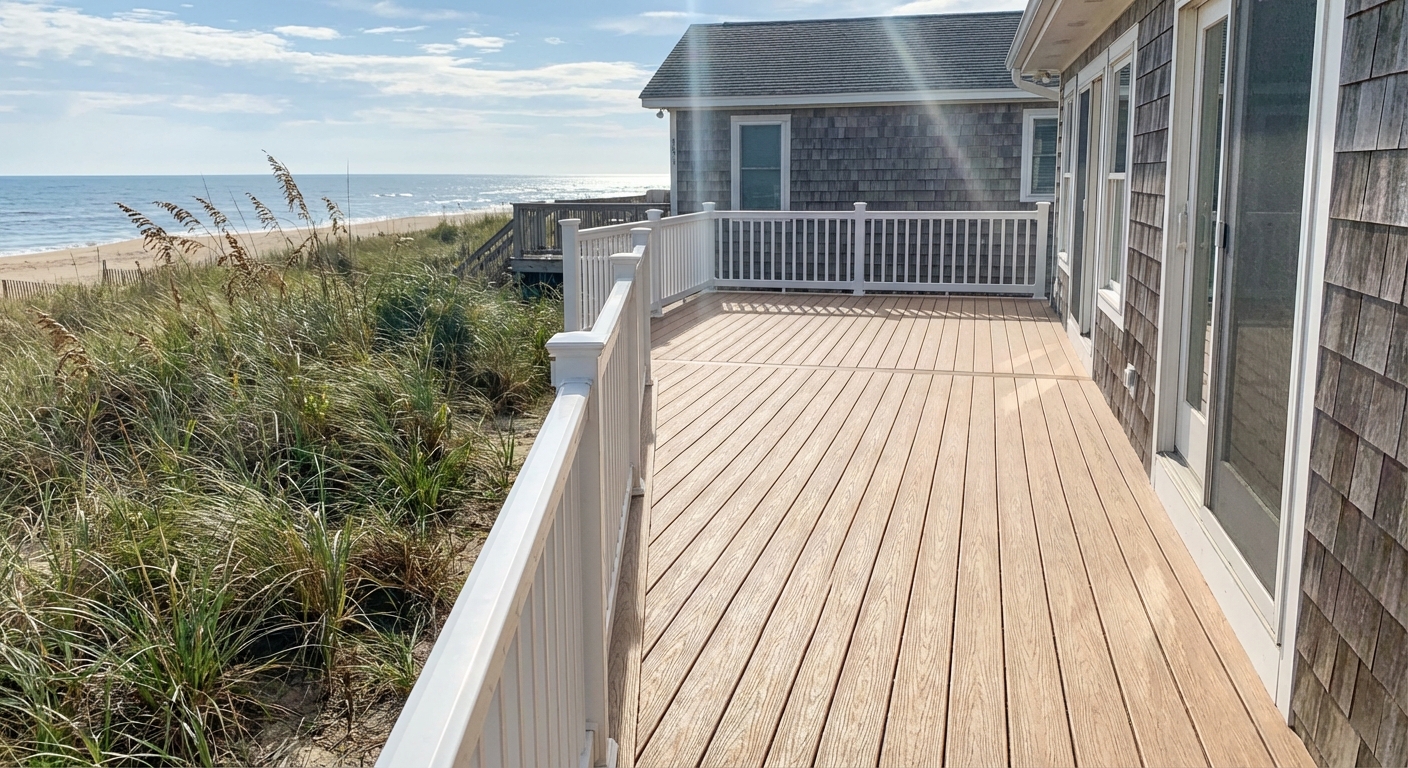
Building a new deck in Virginia Beach? Or maybe you're renovating an existing one? Either way, you'll likely need a permit. This guide breaks down everything you need to know about Virginia Beach deck permits in 2026, from requirements and costs to the application process. We'll cover local specifics to ensure your project goes smoothly.
📋 Tool Alert: Permit Checker
Do you really need a permit? Check the exact rules for your city or township.
Check Permits →Do You Need a Deck Permit in Virginia Beach?
Looking for more regional information? Check out our Virginia State Decking Hub.
🏗️ Planning a deck project?
Get a free manual project review, or visualize your dream deck with AI before requesting quotes.
Generally, if your deck is more than 30 inches above grade (ground level) or attached to your house, you'll need a permit in Virginia Beach. This is because the Virginia Uniform Statewide Building Code (USBC), which Virginia Beach enforces, considers these decks structural additions. The USBC is based on the International Residential Code (IRC) and Virginia Residential Code (VRC).
Even if your deck is *under* 30 inches, you might still need a permit if it includes features like a roof, hot tub, or is part of a larger structural project. Always check with the city to be sure. It's much better to be safe than sorry and face potential fines or delays.
<!-- slot:after-intro -->
Virginia Beach Deck Permit Requirements: Key Considerations
Several factors determine the specific requirements for your deck permit application in Virginia Beach.
- Height: As mentioned, decks over 30 inches require a permit. This height is measured from the ground to the top of the deck surface.
- Attachment: Any deck attached to your house necessitates a permit.
- Size: While there isn't a specific square footage threshold that automatically triggers a permit, larger decks often require more detailed plans and inspections.
- Location: Decks in flood zones (common in areas like Sandbridge, Chic's Beach, and Oceanfront) have stricter requirements, including elevated construction and specific foundation designs. Coastal salt air also necessitates corrosion-resistant hardware.
- Use: Decks supporting hot tubs or other heavy features require additional structural considerations and are more likely to require a permit regardless of height.
- HOA Restrictions: Many neighborhoods in Virginia Beach, especially planned communities like those in Great Neck or Kempsville, have Homeowners Associations (HOAs) with their own design guidelines and approval processes. Obtain HOA approval *before* applying for a city permit.
Specific Requirements
Your permit application will likely need to include:
- Site Plan: A drawing showing the location of your property, the deck's footprint, property lines, and any easements.
- Construction Drawings: Detailed plans showing the deck's dimensions, materials, framing, and foundation. These need to meet Virginia building codes. PaperPlan (paperplan.app) can help you visualize your deck with PaperPlan design with different materials and layouts before committing to a contractor and finalizing these plans.
- Materials List: A comprehensive list of all materials you intend to use, including lumber type, fasteners, and finishes. For coastal areas, ensure you specify corrosion-resistant hardware.
- Contractor Information: If you're hiring a contractor, you'll need their license information (Virginia Class A, B, or C). The VA DPOR (Department of Professional and Occupational Regulation) requires contractors to be licensed based on project value. Class A is required for projects over $70,000, Class B for $10,000-$70,000, and Class C for under $10,000.
- Engineer's Stamp (Potentially): For complex designs, decks exceeding certain size thresholds, or those in flood zones, the city might require plans stamped by a licensed engineer.
Virginia Beach Deck Permit Costs: What to Expect
The cost of a deck permit in Virginia Beach varies depending on the project's scope and valuation. Generally, expect to pay between $100 and $500. The city calculates permit fees based on the estimated cost of construction.
Here's a general idea of deck material costs in Virginia:
| Material | Cost per Square Foot (Installed) |
| ------------------ | -------------------------------- |
| Pressure-Treated | $25 - $45 |
| Composite (e.g. Trex)| $45 - $85 |
| Cedar | $35 - $55 |
Keep in mind that these are *material costs only*. Labor and permit fees will add to the overall project cost. Deck Cost Per Square Foot in Virginia: 2026 Pricing Breakdown provides additional insights into cost fluctuations.
Additional Costs
Don't forget to factor in these potential extra expenses:
- Plan Review Fees: Some localities charge a separate fee for reviewing your construction plans.
- Inspection Fees: The city will conduct inspections at various stages of construction to ensure compliance with building codes. These inspections are typically included in the overall permit fee, but confirm with the city.
- Engineering Fees: If you need an engineer's stamp, expect to pay several hundred dollars or more.
- HOA Fees: Your HOA might charge fees for reviewing your deck plans.
- Potential Rework: If inspections fail, you'll need to correct the issues and pay for re-inspection.
How to Apply for a Deck Permit in Virginia Beach
1. Prepare Your Documents: Gather all necessary documents, including your site plan, construction drawings, materials list, and contractor information (if applicable).
2. Submit Your Application: You can typically submit your application online through the city's permitting portal or in person at the Virginia Beach Department of Planning and Permitting. Check the city's website for the most up-to-date procedures.
3. Pay the Fees: Pay the required permit fees.
4. Wait for Approval: The city will review your application. This process can take several weeks, so be patient.
5. Schedule Inspections: Once your permit is approved, you can begin construction. Schedule inspections with the city at the required stages (e.g., after foundation is poured, after framing is complete, and final inspection).
Where to Apply
You can apply for a permit online or in person at:
Virginia Beach Department of Planning and Permitting
City Hall Building
2401 Courthouse Drive
Virginia Beach, VA 23456
You can also visit their website for online application options and contact information.
<!-- slot:mid-content -->
Local Considerations for Virginia Beach Decks
Virginia Beach has unique characteristics that impact deck building:
- Coastal Environment: The salty air accelerates corrosion. Use marine-grade fasteners and pressure-treated lumber rated for saltwater exposure.
- Flood Zones: Many areas are prone to flooding. Decks in these zones require elevated construction and specific foundation requirements to comply with FEMA regulations.
- Termites: Termites are prevalent. Use termite-resistant lumber or treat the soil around your deck with termiticide. High termite pressure is common in Tidewater Virginia.
- Wind Loads: Coastal areas are subject to high winds. Ensure your deck is properly anchored and designed to withstand these forces. Hurricane-rated hardware, like Simpson Strong-Tie hurricane ties, is often mandatory.
- Soil Conditions: Sandy soil is common, which can affect foundation stability. Consider using helical piles or other deep foundation systems.
Finding a Qualified Deck Builder in Virginia Beach
Hiring a qualified and licensed deck builder is crucial. Look for contractors with:
- Proper Licensing: Verify that the contractor has a valid Virginia Class A, B, or C license through the VA DPOR website.
- Insurance: Ensure the contractor has liability insurance and workers' compensation coverage.
- Experience: Choose a contractor with a proven track record of building decks in Virginia Beach, particularly experience with coastal construction and flood zone requirements.
- References: Ask for references from previous clients and check online reviews.
Best Deck Builders in Virginia Beach: Coastal Build Specialists can help you find reputable local contractors.
Best Time to Build a Deck in Virginia Beach
The best time to build a deck in Virginia Beach is during the shoulder seasons: March-June and September-November. These months offer milder temperatures and lower humidity than the peak summer months. Avoid building during hurricane season (June 1 – November 30).
<!-- slot:before-faq -->
Building a deck in Virginia Beach adds value and enjoyment to your home. By understanding the permit requirements, costs, and local considerations, you can ensure a smooth and successful project.
🎨 Not sure which material to pick?
Upload a photo of your backyard and see exactly how Trex, TimberTech, or cedar would look — free and instant.
Frequently Asked Questions
Do I need a permit to replace deck boards in Virginia Beach?
Generally, no, you don't need a permit to simply replace deck boards if you're not altering the structure or size of the deck. However, if you're replacing a significant portion of the decking or making structural repairs, a permit might be required. Always check with the city to be certain.
How long does it take to get a deck permit in Virginia Beach?
The permit approval process can take anywhere from a few weeks to a couple of months, depending on the complexity of your project and the city's workload. Submitting a complete and accurate application will help expedite the process.
What happens if I build a deck without a permit in Virginia Beach?
Building without a permit can result in fines, stop-work orders, and even the requirement to remove the deck. It's always best to obtain the necessary permits before starting construction.
How close to my property line can I build a deck in Virginia Beach?
Setback requirements vary depending on your zoning district. Check with the city's planning department to determine the specific setback requirements for your property. Your site plan should clearly show the deck's location in relation to property lines.
Are there specific requirements for deck railings in Virginia Beach?
Yes, the USBC specifies railing height and spacing requirements for safety. Railings must be at least 36 inches high, and the spacing between railing pickets must be small enough to prevent a 4-inch sphere from passing through.
<!-- slot:end -->
📋 Planning a deck project?
Get a free manual project review from our team — no obligation, no spam.
Get Free Project Review →Upload a backyard photo and preview real decking materials with AI — free, instant, no sign-up.
Permits, costs, material comparisons, and questions to ask before requesting quotes — delivered to your inbox.