
Best Deck Builders in Norfolk, VA: Hampton Roads Guide for 2026
Find the best deck builders in Norfolk, VA. Expert guide on costs, permits, materials, and top local contractors for your dream deck project in 2026.
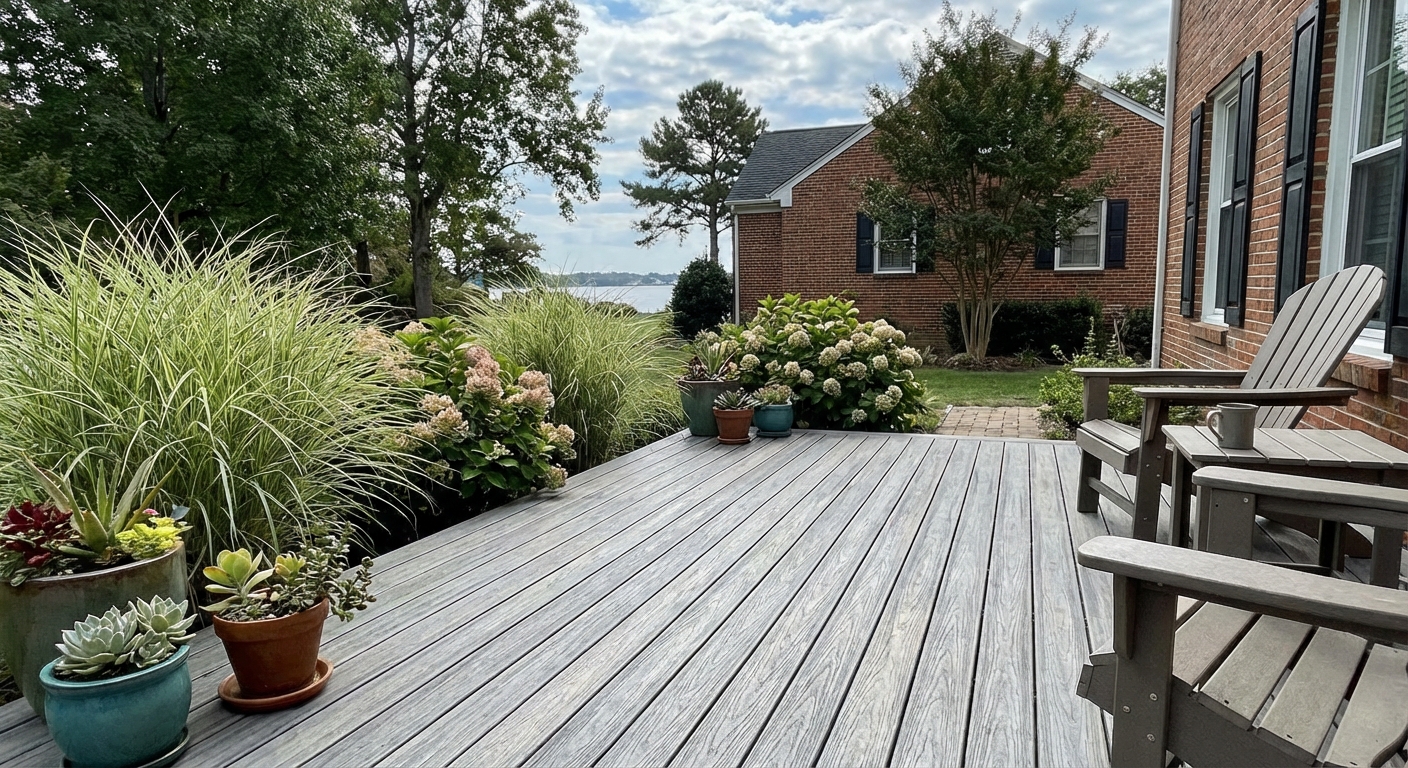
Building a new deck or renovating an existing one in Norfolk, VA, requires careful planning. From understanding the Hampton Roads climate to navigating local building codes and finding reliable contractors, this guide provides the essential information you need to create the perfect outdoor space. We'll cover costs, materials, permits, and highlight what makes Norfolk deck building unique.
Finding the Right Deck Builder in Norfolk
Looking for more regional information? Check out our Virginia State Decking Hub.
🏗️ Planning a deck project?
Get a free manual project review, or visualize your dream deck with AI before requesting quotes.
Norfolk's unique coastal environment presents specific challenges and opportunities for deck construction. Factors like saltwater exposure, potential flooding, and the need for hurricane-rated hardware are crucial considerations. You need a deck builder with experience in these specific conditions to ensure a long-lasting and safe structure. Local knowledge of neighborhoods like Ghent, Colonial Place, and Ocean View is also beneficial.
Consider these factors when selecting a deck builder:
- Local Experience: Look for builders with a proven track record in Norfolk and Hampton Roads.
- Licensing and Insurance: Verify that the contractor has a valid Class A, B, or C license from the Virginia Department of Professional and Occupational Regulation (DPOR). Class A is required for projects over $70,000, Class B for projects between $10,000 and $70,000, and Class C for projects under $10,000. Insurance is also essential.
- Permitting Expertise: Ensure the builder is familiar with Norfolk's permitting process and can handle the necessary paperwork. Remember decks over 30 inches above grade or attached to the dwelling almost always require a permit.
- Material Knowledge: They should be knowledgeable about the best materials for the Norfolk climate, including pressure-treated lumber, composite decking, and corrosion-resistant hardware.
- References and Reviews: Check online reviews and ask for references from previous clients.
<!-- slot:after-intro -->
Norfolk Deck Building Costs: A Breakdown
Deck costs in Virginia can vary widely based on materials, size, and complexity. Norfolk, being part of the Hampton Roads region, tends to have moderate-to-high construction costs. Here's a general cost breakdown:
| Material | Cost per SqFt (Installed) | Notes |
| ------------------ | ------------------------- | ------------------------------------------------------------------------------------------------------------------------------------------------------------------------------------------------------------------------------------------------------------- |
| Pressure-Treated | $25 - $45 | Most affordable option; requires regular maintenance. |
| Cedar | $35 - $55 | Naturally rot-resistant; offers a beautiful aesthetic. |
| Composite | $45 - $80 | Low-maintenance; resists rot and insects; comes in various colors and styles. |
| Trex (Composite) | $50 - $85 | A popular composite brand known for its durability and warranty. Consider using PaperPlan (paperplan.app) to visualize your deck with PaperPlan design with different materials and layouts before committing to a contractor and a specific material. |
These prices are estimates and can vary based on the specific project and contractor. Labor costs, site preparation, and any custom features will also impact the final price.
Norfolk's Unique Deck Building Considerations
Several factors specific to Norfolk influence deck building:
- Coastal Climate: Norfolk's humid subtropical climate with hot summers (temperatures often reaching 90-95°F) and mild winters necessitates durable materials that can withstand moisture, heat, and potential storm damage.
- Saltwater Exposure: Homes near the water are exposed to saltwater spray, which can corrode metal fasteners and damage wood. Marine-grade fasteners and corrosion-resistant materials are essential. Consider the Chesapeake Bay influence in material selection.
- Flood Zones: Some areas of Norfolk are prone to flooding. Deck designs in these areas may require elevated construction and adherence to specific flood zone regulations.
- Hurricane Season: Hurricane-rated hardware, such as Simpson Strong-Tie hurricane ties, is often mandatory to ensure the deck can withstand strong winds.
- Permitting: Decks attached to dwellings and over 30 inches require a permit from the City of Norfolk's Department of Planning. Permit costs typically range from $100 - $500. You can find the exact requirements on the City of Norfolk website.
- Termite Pressure: Tidewater Virginia has high termite pressure. Termite-resistant materials, such as pressure-treated lumber or composite decking, are strongly recommended.
Navigating Norfolk's Building Codes and Permits
The Virginia Uniform Statewide Building Code (USBC) governs deck construction in Norfolk. This code is based on the International Residential Code (IRC) and the Virginia Residential Code (VRC). The USBC is enforced by local building officials in the City of Norfolk's Department of Planning.
Key aspects of the USBC for decks include:
- Footing Depth: The frost line in Tidewater Virginia is approximately 18 inches. Footings must extend below this depth to prevent movement due to freezing and thawing.
- Guardrails: Decks 30 inches or more above grade require guardrails that are at least 36 inches high.
- Stairways: Stairways must meet specific requirements for rise, run, and handrails.
- Load Capacity: Decks must be able to support a certain load capacity, typically 40 pounds per square foot.
Before starting any deck project, you must obtain a building permit from the City of Norfolk's Department of Planning. The application process typically involves submitting detailed plans and specifications for the deck. Your contractor should be familiar with this process and assist you.
<!-- slot:mid-content -->
Material Choices for Norfolk Decks
Choosing the right materials is crucial for a long-lasting deck in Norfolk. Here's a look at common options:
- Pressure-Treated Lumber: A cost-effective option that is treated to resist rot and insects. Regular maintenance, such as staining or sealing, is required.
- Cedar: A naturally rot-resistant wood that offers a beautiful aesthetic. Cedar requires less maintenance than pressure-treated lumber but is more expensive.
- Composite Decking: Made from recycled plastic and wood fibers, composite decking is low-maintenance and resists rot, insects, and fading. It's a popular choice for Norfolk homeowners looking for durability and ease of care. Trex is a leading brand in the composite decking market.
- Tropical Hardwoods: Ipe, mahogany, and other tropical hardwoods are naturally durable and resistant to rot and insects. These are premium options with a higher price point.
Deck Cost Comparison Table
| Feature | Pressure-Treated | Cedar | Composite (Trex) | Tropical Hardwood |
| ------------------- | ---------------- | ----------- | ---------------- | ----------------- |
| Cost (Installed) | Lower | Medium | Medium-High | High |
| Maintenance | High | Medium-Low | Low | Low |
| Durability | Medium | Medium-High | High | High |
| Rot Resistance | Treated | High | High | High |
| Insect Resistance | Treated | High | High | High |
| Saltwater Tolerance | Low-Med (treated)| Medium | High | High |
Best Times to Build a Deck in Norfolk
The best times to build a deck in Norfolk are during the spring (March-June) and fall (September-November) months. These periods offer milder temperatures and lower humidity, making them ideal for outdoor construction. Avoid the peak summer months due to the intense heat and humidity.
Finding the Right Deck Builder: Key Questions to Ask
Before hiring a deck builder in Norfolk, ask these questions:
- Are you licensed and insured in Virginia? (Verify their DPOR license online)
- How long have you been building decks in the Norfolk area?
- Do you have experience with coastal construction and saltwater environments?
- Can you provide references from previous clients?
- What materials do you recommend for my project, and why?
- Are you familiar with the City of Norfolk's permitting process?
- What is your estimated timeline for the project?
- Do you offer a warranty on your work?
- How do you handle unexpected issues or changes during the project?
- Can you provide a detailed written estimate that includes all costs?
<!-- slot:before-faq -->
🎨 Not sure which material to pick?
Upload a photo of your backyard and see exactly how Trex, TimberTech, or cedar would look — free and instant.
Frequently Asked Questions
Do I need a permit to build a deck in Norfolk?
Yes, in most cases. Decks attached to a dwelling and those exceeding 30 inches in height require a permit from the City of Norfolk's Department of Planning. It's always best to check with the city to confirm specific requirements for your project. See also: Do You Need a Deck Permit in Virginia? State & County Rules
What type of decking material is best for Norfolk's climate?
Composite decking is a popular choice due to its low maintenance and resistance to rot, insects, and fading. Pressure-treated lumber is a more affordable option but requires regular maintenance. Cedar offers a natural aesthetic and good durability. For waterfront properties, marine-grade materials are crucial.
How much does it cost to build a deck in Norfolk?
The cost varies depending on the size, materials, and complexity of the project. Expect to pay between $25 - $85 per square foot installed, depending on your material choice. How Much Does a Deck Cost in Virginia? Complete 2026 Guide provides more in-depth pricing information.
How can I ensure my deck is built to code in Norfolk?
Hire a licensed and experienced deck builder who is familiar with the Virginia Uniform Statewide Building Code (USBC) and the City of Norfolk's permitting process. They should be able to handle all aspects of the project, from design to permitting to construction.
How do I protect my deck from termites in Norfolk?
Use termite-resistant materials, such as pressure-treated lumber or composite decking. Consider having your property treated for termites before construction begins. Regular inspections can also help detect and prevent termite infestations.
<!-- slot:end -->
📋 Planning a deck project?
Get a free manual project review from our team — no obligation, no spam.
Get Free Project Review →Upload a backyard photo and preview real decking materials with AI — free, instant, no sign-up.
Permits, costs, material comparisons, and questions to ask before requesting quotes — delivered to your inbox.