
Best Deck Builders in Richmond, VA: James River Metro Guide for 2026
Looking for the best deck builder in Richmond, VA? Our 2026 guide covers top contractors, costs, permits, and neighborhood considerations.
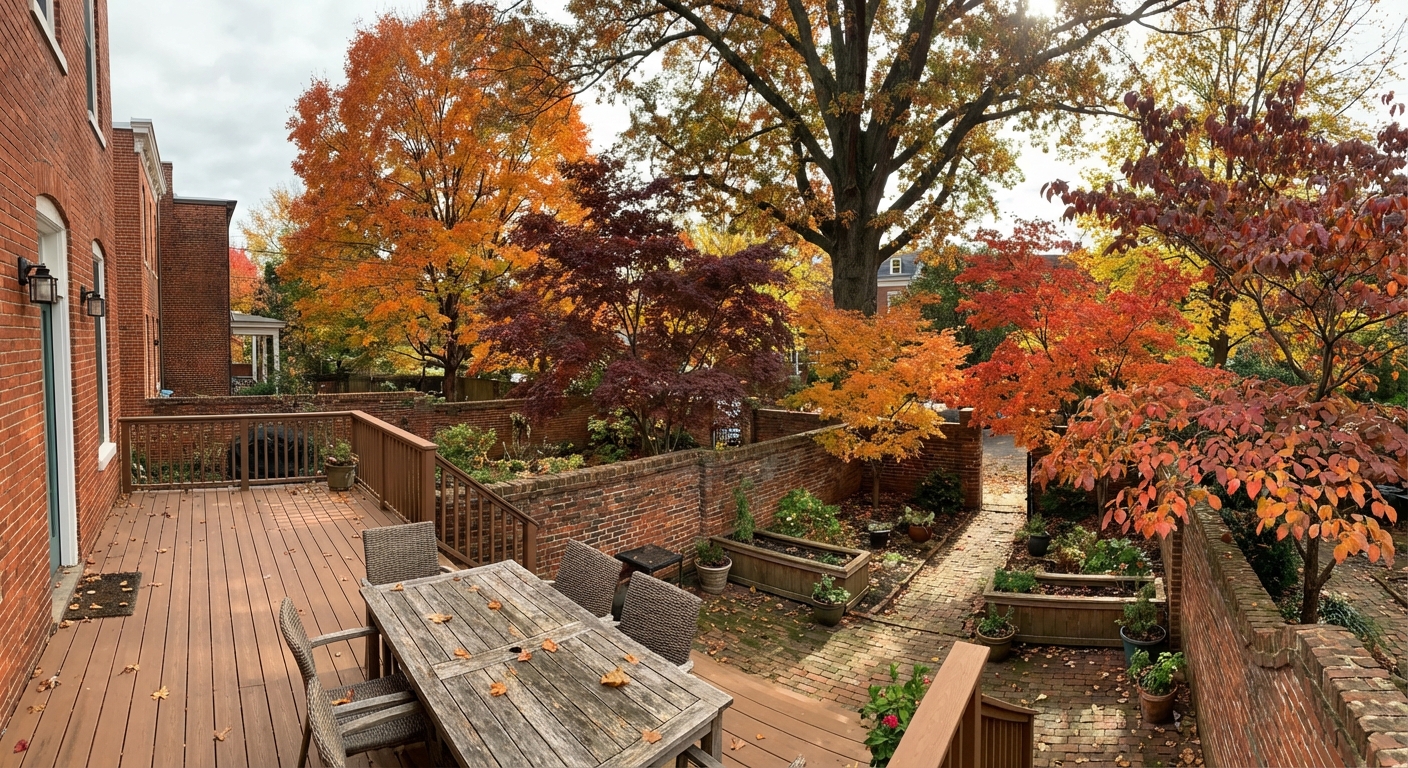
Building a deck in Richmond, VA, involves more than just picking lumber. You need a reliable contractor familiar with local codes, neighborhood aesthetics, and the unique challenges of the James River metro area. This guide helps you find the best deck builders in Richmond for 2026, covering costs, permits, and crucial considerations for your project.
Finding the Right Deck Builder in Richmond: Key Considerations
Looking for more regional information? Check out our Virginia State Decking Hub.
🏗️ Planning a deck project?
Get a free manual project review, or visualize your dream deck with AI before requesting quotes.
Richmond presents specific challenges and opportunities for deck building. The diverse neighborhoods, from the historic Fan District to the more suburban West End, each have unique architectural styles and HOA regulations. The James River corridor also introduces potential waterfront considerations for some properties. Here's what to keep in mind:
- Local Expertise: Choose a builder experienced in Richmond's diverse neighborhoods. They should be familiar with the architectural guidelines in areas like the Fan District and understand the permitting process within the city.
- Licensing and Insurance: Virginia requires contractors to be licensed by the Department of Professional and Occupational Regulation (DPOR). Ensure your builder holds the appropriate Class A (projects over $70,000), Class B ($10,000-$70,000), or Class C (under $10,000) license for your project size. Always verify they have adequate liability insurance and workers' compensation coverage.
- Material Selection: Richmond's humid subtropical climate, with hot summers (around 90-95°F) and moderate winters, demands durable materials. Consider pressure-treated lumber, composite decking (like Trex), or cedar. Richmond's high termite pressure means termite-resistant materials are strongly recommended.
- Permitting: Decks over 30 inches above grade or attached to a dwelling require permits in Richmond. Your builder should handle the permitting process, which typically involves submitting plans to the city's building inspections department. Expect permit costs to range from $100-$500, depending on the scope of your project.
- Cost and Budget: Deck costs in Virginia vary. Expect to pay around $25-$45 per square foot for pressure-treated lumber, $45-$80 per square foot for composite decking, and $35-$55 per square foot for cedar, installed. Get multiple quotes to compare pricing and ensure you're getting a fair deal. Northern Virginia deck costs are higher than in Richmond.
- Warranty: A reputable builder will offer a warranty on their workmanship. Review the warranty terms carefully to understand what's covered and for how long.
- Portfolio and References: Ask to see examples of the builder's previous work, especially decks in Richmond similar to what you envision. Contact references to hear about their experiences.
<!-- slot:after-intro -->
Top Deck Builders in Richmond, VA (2026)
While we cannot definitively endorse specific contractors, here are some companies known for deck building in the Richmond area. Always do your due diligence and check their licensing, insurance, and references before hiring.
- [Insert Company Name 1]: Known for [mention specific strength, e.g., custom designs, composite decking].
- [Insert Company Name 2]: Specializes in [mention specific strength, e.g., pressure-treated decks, smaller projects].
- [Insert Company Name 3]: Offers [mention specific strength, e.g., cedar decks, deck repairs and renovations].
- [Insert Company Name 4]: Focuses on [mention specific strength, e.g., serving specific neighborhoods, fast turnaround].
- [Insert Company Name 5]: Provides [mention specific strength, e.g., full-service outdoor living solutions, pergolas].
Remember to research each company thoroughly before making a decision. Check online reviews, request quotes, and verify their licensing and insurance information with the Virginia DPOR.
Richmond Neighborhood Considerations
Richmond's diverse neighborhoods require tailored approaches to deck building:
- The Fan District: Strict architectural guidelines often dictate material choices and design. Work with a builder familiar with the historic district's regulations. Lot sizes are typically smaller.
- Museum District: Similar to the Fan, preserving the architectural integrity of the neighborhood is crucial.
- West End: Larger lots offer more design flexibility. HOA restrictions may apply in some areas.
- Church Hill: Historic charm with varying lot sizes. Consider how your deck design complements the existing architecture.
- Carytown/The Devil's Triangle: Urban setting with smaller lots. Consider rooftop decks or smaller, more intimate deck spaces.
- Southside: A mix of older and newer homes. Research any HOA regulations.
Virginia Deck Building Codes and Permits
Adhering to the Virginia Uniform Statewide Building Code (USBC), based on the International Residential Code (IRC) and Virginia Residential Code (VRC), is mandatory. Here's what you need to know:
- Permits: Decks exceeding 30 inches in height or attached to a dwelling require a permit.
- Frost Line: The frost line in Richmond is typically around 18-24 inches. Footings must extend below the frost line to prevent movement due to freezing and thawing.
- Guardrails: Decks 30 inches or more above grade require guardrails at least 36 inches high.
- Stairways: Stairways must meet specific requirements for rise, run, and handrails.
- Fasteners: Use code-compliant fasteners appropriate for the materials you're using. For waterfront properties near the James River, consider marine-grade fasteners to resist corrosion.
- Inspections: Your deck will need to pass inspections at various stages of construction to ensure it meets code requirements.
Your deck builder should be knowledgeable about these codes and handle the permitting process. Failing to obtain the necessary permits can result in fines and delays. Consult the City of Richmond's building inspections department for specific requirements.
Deck Material Options for Richmond, VA
Choosing the right materials is crucial for longevity and aesthetics. Here's a breakdown of common options:
| Material | Cost (per sq ft installed) | Pros | Cons | Best For |
|--------------------|----------------------------|-----------------------------------------------------------------------|--------------------------------------------------------------------------|-------------------------------------------------------------------------|
| Pressure-Treated | $25-$45 | Affordable, readily available, resists rot and insects. | Can warp or crack, requires regular staining or sealing. | Budget-conscious homeowners, large decks. |
| Composite (Trex) | $50-$85 | Low-maintenance, durable, resists fading and staining, long lifespan. | More expensive upfront, can get hot in direct sunlight. | Homeowners prioritizing low maintenance and longevity. |
| Cedar | $35-$55 | Naturally beautiful, resists rot and insects, dimensionally stable. | More expensive than pressure-treated, requires regular sealing. | Homeowners seeking a natural wood look with good durability. |
| Ipe (Brazilian Walnut) | $60-$90 | Extremely durable, naturally resistant to rot and insects, beautiful. | Very expensive, difficult to work with, requires special fasteners. | High-end projects where durability and aesthetics are paramount. |
Consider your budget, maintenance preferences, and aesthetic goals when choosing materials. For visualizing different deck designs and material combinations, use PaperPlan (paperplan.app) to experiment with layouts and finishes before talking to contractors.
<!-- slot:mid-content -->
Cost Breakdown: Building a Deck in Richmond
Here's a general cost breakdown to help you budget for your deck project:
- Materials: 30-50% of total cost
- Labor: 40-60% of total cost
- Permits: 2-5% of total cost
- Design Fees (if applicable): 5-10% of total cost
Remember that these are just estimates. Get detailed quotes from multiple contractors to get a more accurate idea of the cost of your project. Factors like deck size, complexity, material choices, and site conditions will all affect the final price. For a more detailed estimate, see How Much Does a Deck Cost in Virginia? Complete 2026 Guide. Also, read Deck Cost Per Square Foot in Virginia: 2026 Pricing Breakdown for more insight.
Timing Your Deck Build in Richmond
The best time to build a deck in Richmond is typically during the spring (March-June) or fall (September-November). These months offer milder temperatures and lower humidity, making for more comfortable working conditions. Avoid the peak summer months (July and August) due to the intense heat and humidity.
Ensuring a Smooth Deck Building Process
Follow these tips for a successful deck building project:
- Plan Ahead: Start planning your deck well in advance of when you want it completed. This will give you time to research contractors, obtain permits, and order materials.
- Communicate Clearly: Clearly communicate your vision to your contractor and ask questions if you're unsure about anything.
- Regularly Monitor Progress: Check in with your contractor regularly to monitor progress and address any issues that may arise.
- Final Walk-Through: Once the deck is complete, do a final walk-through with your contractor to ensure everything meets your expectations.
<!-- slot:before-faq -->
Building a deck in Richmond can significantly enhance your outdoor living space. By carefully selecting a qualified contractor, understanding local regulations, and choosing the right materials, you can create a beautiful and functional deck that you'll enjoy for years to come. Don't forget to check out Virginia Deck Building Codes: Key Requirements for 2026 for important details. If you're considering composite decking, read Composite Deck Cost in Virginia: What to Expect in 2026.
🎨 Not sure which material to pick?
Upload a photo of your backyard and see exactly how Trex, TimberTech, or cedar would look — free and instant.
Frequently Asked Questions
What type of contractor license do I need for a deck project in Richmond?
The type of contractor license required depends on the project's total cost. Class A licenses are for projects exceeding $70,000, Class B licenses cover projects between $10,000 and $70,000, and Class C licenses are for projects under $10,000. Always verify your contractor's license with the Virginia DPOR.
How long does it take to get a deck permit in Richmond?
The time it takes to obtain a deck permit in Richmond can vary depending on the complexity of the project and the current workload of the city's building inspections department. It can take anywhere from a few weeks to a few months. Your contractor should be able to provide a more accurate estimate.
What are some common deck design mistakes to avoid?
Common mistakes include:
- Inadequate footings
- Improper spacing between deck boards
- Not accounting for water drainage
- Using incorrect fasteners
- Failing to obtain necessary permits
How do I maintain my deck in Richmond's climate?
Regular maintenance is crucial for extending the life of your deck. This includes:
- Cleaning the deck regularly to remove dirt and debris
- Applying a sealant or stain every few years
- Inspecting the deck for signs of rot or damage
- Trimming any vegetation that is growing too close to the deck
For coastal areas or properties close to the James River, consider using corrosion-resistant hardware and materials.
Do I need HOA approval to build a deck in Richmond?
If you live in a neighborhood with a Homeowners Association (HOA), you will likely need to obtain their approval before building a deck. Check your HOA's guidelines for specific requirements.
<!-- slot:end -->
📋 Planning a deck project?
Get a free manual project review from our team — no obligation, no spam.
Get Free Project Review →Upload a backyard photo and preview real decking materials with AI — free, instant, no sign-up.
Permits, costs, material comparisons, and questions to ask before requesting quotes — delivered to your inbox.