
Virginia Deck Building Codes: Key Requirements for 2026
Navigate Virginia deck building codes for 2026. Understand permit requirements, material regulations, and regional differences to build a safe, compliant deck.
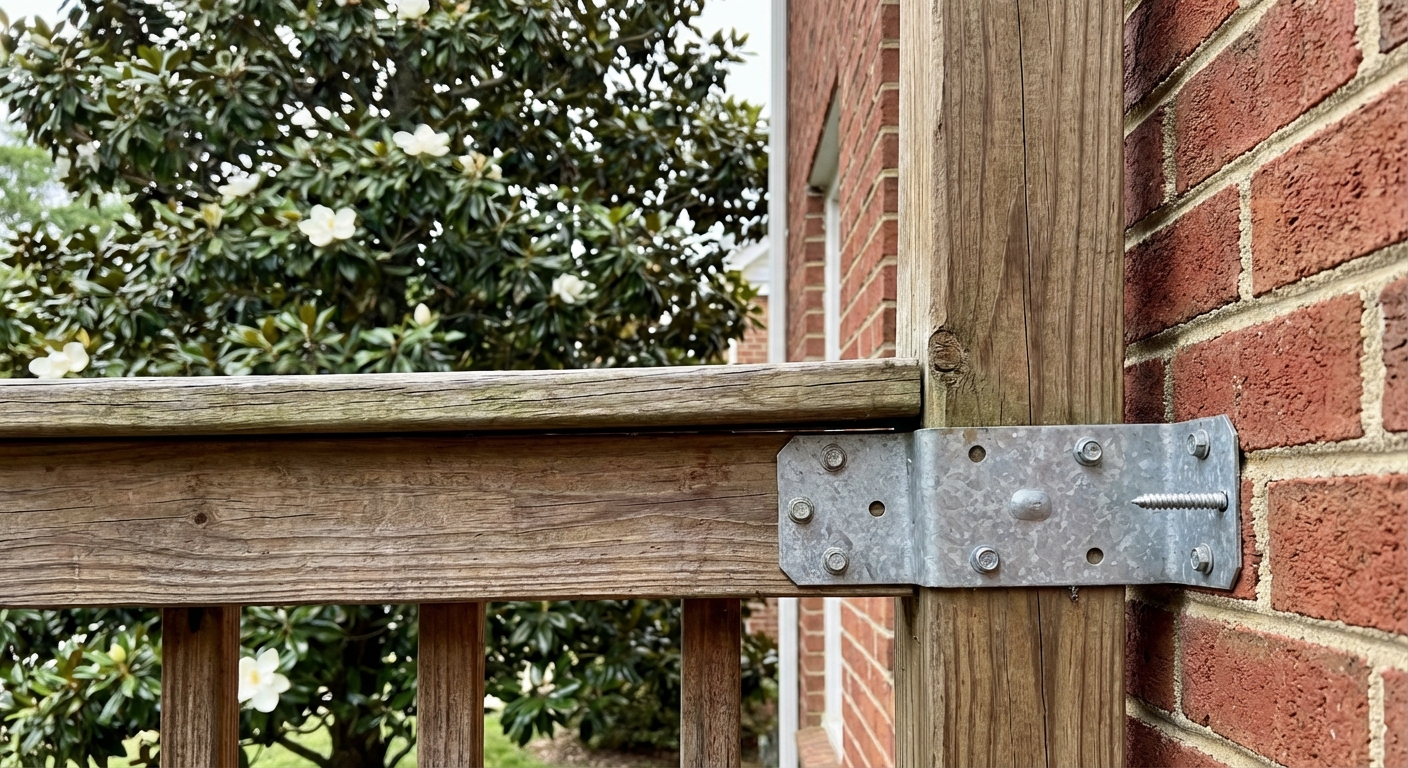
Planning a new deck in Virginia? Before you start hammering, it's crucial to understand the Virginia deck building codes. Ignoring these regulations can lead to costly rework, fines, or even legal issues. This guide breaks down the key requirements, covering permits, materials, and regional variations to help you build a safe and compliant deck in the Old Dominion.
📋 Tool Alert: Permit Checker
Do you really need a permit? Check the exact rules for your city or township.
Check Permits →Understanding Virginia's Uniform Statewide Building Code (USBC)
Looking for more regional information? Check out our Virginia State Decking Hub.
🏗️ Planning a deck project?
Get a free manual project review, or visualize your dream deck with AI before requesting quotes.
Virginia operates under the Virginia Uniform Statewide Building Code (USBC), which is based on the International Residential Code (IRC) and Virginia Residential Code (VRC). The USBC is enforced by local building officials, so while the framework is consistent statewide, specific interpretations and enforcement may vary by city and county. It’s crucial to check with your local building department for the most accurate and up-to-date information.
<!-- slot:after-intro -->
Do You Need a Deck Permit in Virginia?
In most Virginia localities, you'll need a permit for decks that are:
- More than 30 inches above grade (ground level).
- Attached to a dwelling.
Even if your deck doesn't meet these criteria, it's always best to check with your local building department. Smaller, detached, ground-level decks might still require permits in some areas due to zoning regulations or other local ordinances. Expect to pay between $100-$500 for a typical deck permit in Virginia, depending on the project's complexity and your locality.
Key Deck Building Code Requirements in Virginia
Here's a breakdown of the most important aspects of the Virginia building code that apply to decks:
1. Footings and Foundations
- Frost Line: The depth of your footings is critical to prevent movement due to freezing and thawing. Virginia's frost line ranges from 18 inches in Tidewater (Hampton Roads) to 24 inches in the mountain regions. Your footings must extend below the frost line.
- Footing Size: Footing size depends on the size and load of your deck. Consult with your local building department or a qualified engineer for specific requirements.
- Soil Bearing Capacity: The soil's ability to support the deck's weight is also a factor. If you have concerns about soil stability, a soil test may be required.
2. Deck Framing
- Lumber Grade: Use pressure-treated lumber that is approved for ground contact for all framing components that are close to the ground. Above ground, you can use pressure-treated or naturally durable lumber like cedar.
- Joist Spacing: Joist spacing depends on the lumber size and the deck's intended use. Common spacing is 12 inches, 16 inches, or 24 inches on center.
- Beam Size: Beam size is determined by the span and load. Consult with a deck building professional or use online span tables to calculate the correct beam size.
- Ledger Board Attachment: If your deck is attached to your house, the ledger board must be properly attached to the house framing. This usually involves using lag screws or through bolts, and flashing to prevent water damage. Improper ledger board attachment is a common cause of deck failures.
3. Decking Materials
- Acceptable Materials: Common decking materials include pressure-treated lumber, cedar, redwood, and composite decking.
- Fasteners: Use corrosion-resistant fasteners, especially in coastal areas like Virginia Beach and Norfolk, where salt air can quickly corrode standard fasteners. Marine-grade fasteners are recommended for waterfront properties.
- Termite Resistance: Virginia, especially the Tidewater and Piedmont regions, has high termite pressure. Use pressure-treated lumber that is termite-resistant or consider naturally termite-resistant materials.
4. Railings and Guards
- Height Requirement: Decks more than 30 inches above grade require railings.
- Railing Height: Railings must be at least 36 inches high.
- Opening Size: The openings in the railing cannot allow a 4-inch sphere to pass through. This is to prevent children from falling.
- Stair Railings: Stair railings must be graspable and between 34 inches and 38 inches high.
5. Stairs
- Riser Height: Riser height (the vertical distance between steps) must be between 4 inches and 7.75 inches.
- Tread Depth: Tread depth (the horizontal distance of the step) must be at least 10 inches.
- Consistent Dimensions: All risers and treads must be consistent in height and depth to prevent tripping.
6. Hurricane Resistance (Coastal Zones)
If you're building a deck in a coastal zone like Hampton Roads, Virginia Beach, or Norfolk, you'll need to comply with additional hurricane resistance requirements. This often involves using hurricane-rated hardware, such as Simpson Strong-Tie hurricane ties, to secure the deck framing to the foundation and the house.
7. Electrical Considerations
If you plan to add lighting or outlets to your deck, you'll need to comply with the electrical code. This may involve running wiring underground and using weatherproof fixtures and outlets. A licensed electrician is highly recommended for electrical work.
Regional Differences in Virginia Deck Building Codes
While the USBC provides a statewide framework, here's how deck building codes and considerations can vary across Virginia:
- Northern Virginia (Arlington, Fairfax, Loudoun, Prince William): Expect premium pricing for deck construction, often 30-40% higher than the state average, due to high labor and material costs. Small lot sizes and strict HOA regulations are common.
- Hampton Roads/Tidewater (Virginia Beach, Norfolk, Chesapeake): Coastal environment necessitates corrosion-resistant materials and hurricane-rated hardware. Flood zone considerations are paramount, especially for waterfront properties, potentially requiring elevated builds.
- Richmond Metro: Historic districts like the Fan and Museum District have strict architectural guidelines. Proximity to the James River may introduce specific environmental considerations.
- Shenandoah Valley and Roanoke/Southwest Virginia: Generally more affordable construction costs compared to Northern Virginia and Hampton Roads. Focus on frost line depth and proper drainage due to colder winters.
Material Costs and Considerations in Virginia
The cost of your deck will depend largely on the materials you choose. Here's a general cost breakdown per square foot, installed:
| Material | Cost per SqFt (Installed) | Pros | Cons |
| ----------------- | -------------------------- | ------------------------------------------------------------------------------------------ | ------------------------------------------------------------------------------------------------ |
| Pressure-Treated | $25 - $45 | Most affordable, readily available, naturally resistant to rot, decay, and insect infestation | Requires regular maintenance (staining/sealing), can splinter, less aesthetically appealing than other options |
| Cedar | $35 - $55 | Naturally beautiful, naturally resistant to rot and insects, less prone to warping | More expensive than pressure-treated, requires regular sealing to maintain color |
| Composite | $45 - $80 | Low maintenance, durable, resistant to rot and insects, available in various colors | More expensive than wood, can get hot in direct sunlight, may not look as natural as wood |
| Trex (Composite) | $50 - $85 | Premium composite, exceptional durability, fade and stain resistant, wide range of options | Most expensive option, can still get hot in direct sunlight |
Before choosing materials, use PaperPlan (paperplan.app) to visualize your deck with PaperPlan design with different materials and layouts before committing to a contractor. See how cedar looks versus Trex, or how different railing styles affect the overall aesthetic.
<!-- slot:mid-content -->
Working with a Licensed Contractor
Virginia's Department of Professional and Occupational Regulation (DPOR) requires contractors to be licensed. There are three classes of licenses:
- Class A: For projects $70,000 or more.
- Class B: For projects between $10,000 and $70,000.
- Class C: For projects under $10,000.
Always verify that your contractor has the appropriate license for the size of your project. Hiring an unlicensed contractor can expose you to significant risks, including shoddy workmanship, liability for injuries, and difficulty pursuing legal recourse if problems arise.
Best Time to Build a Deck in Virginia
The best months to build a deck in Virginia are typically March-June and September-November. These months offer milder temperatures and avoid the peak summer humidity and potential for extreme weather.
HOA Considerations
Many homeowners associations (HOAs), particularly in Northern Virginia (Fairfax, Loudoun, Prince William) and Virginia Beach planned communities, have their own rules and regulations regarding deck construction. Before starting any work, be sure to obtain approval from your HOA. Their requirements may cover everything from deck size and materials to color and railing styles.
<!-- slot:before-faq -->
Building a deck in Virginia requires careful planning and adherence to building codes. By understanding the key requirements, regional differences, and material options, you can ensure that your deck is safe, compliant, and a valuable addition to your home. Remember to always check with your local building department and consider working with a licensed contractor to ensure a successful project.
<!-- slot:end -->
Check out these related articles for more information:
- How Much Does a Deck Cost in Virginia? Complete 2026 Guide
- Deck Cost Per Square Foot in Virginia: 2026 Pricing Breakdown
- Do You Need a Deck Permit in Virginia? State & County Rules
🎨 Not sure which material to pick?
Upload a photo of your backyard and see exactly how Trex, TimberTech, or cedar would look — free and instant.
Frequently Asked Questions
What happens if I build a deck without a permit in Virginia?
Building a deck without a required permit in Virginia can result in fines, stop-work orders, and potentially the need to demolish and rebuild the deck to meet code. It's always best to obtain the necessary permits before starting construction.
How long does it take to get a deck permit in Virginia?
The time it takes to get a deck permit in Virginia can vary depending on the locality and the complexity of the project. It can range from a few days to several weeks. Contact your local building department for an estimated timeframe.
What type of wood is best for decks in Virginia?
Pressure-treated lumber is a popular and affordable option for decks in Virginia. Cedar is a naturally durable and aesthetically pleasing choice. Composite decking offers low maintenance and long-lasting durability. The best choice depends on your budget, aesthetic preferences, and maintenance requirements.
Can I build a deck myself in Virginia, or do I need to hire a contractor?
You can build a deck yourself in Virginia, but you'll need to be familiar with building codes and have the necessary skills and tools. If you're not comfortable with the process, it's best to hire a licensed contractor. This is especially true for complex projects or those requiring electrical work.
📋 Planning a deck project?
Get a free manual project review from our team — no obligation, no spam.
Get Free Project Review →Upload a backyard photo and preview real decking materials with AI — free, instant, no sign-up.
Permits, costs, material comparisons, and questions to ask before requesting quotes — delivered to your inbox.