
Virginia Deck Maintenance by Season: Year-Round Care Guide
Keep your Virginia deck in top shape year-round! Our seasonal maintenance guide covers cleaning, repairs, staining, and weather protection tips.
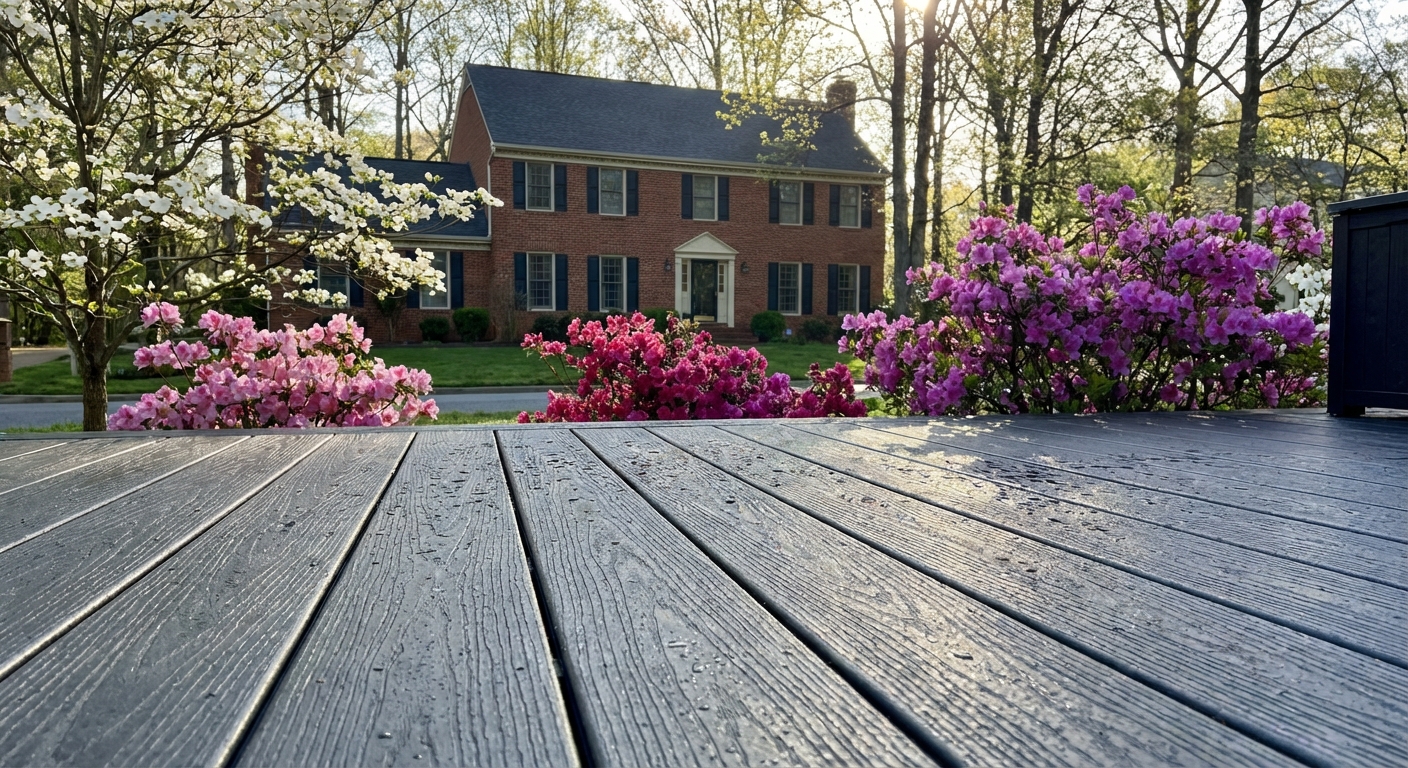
Are you a Virginia homeowner wondering how to best maintain your deck throughout the year? Virginia's humid subtropical climate, with its hot summers and variable winters, demands a proactive approach to deck care. This guide provides a seasonal breakdown of essential maintenance tasks to protect your investment and keep your deck looking its best.
📅 Tool Alert: Maintenance Planner
Get a custom seasonal maintenance schedule to protect your investment for decades.
Plan Maintenance →Spring: Assessment and Deep Cleaning
Looking for more regional information? Check out our Virginia State Decking Hub.
🏗️ Planning a deck project?
Get a free manual project review, or visualize your dream deck with AI before requesting quotes.
Spring is the ideal time to assess any damage your deck sustained during the winter months. Virginia's fluctuating temperatures can cause wood to expand and contract, leading to cracks, splinters, and loose fasteners.
Inspecting for Damage
Carefully inspect your deck for the following:
- Loose or popped nails/screws: Replace or tighten as needed. Consider upgrading to stainless steel screws, especially near the Chesapeake Bay or other bodies of water, to prevent corrosion.
- Cracks and splinters: Small cracks can be filled with epoxy wood filler. Larger cracks may indicate structural issues requiring professional attention.
- Rotting wood: Use a screwdriver to probe any areas that appear soft or discolored. Rot is a serious issue that needs immediate repair to prevent further damage. This is especially crucial given Virginia's high termite pressure, particularly in Hampton Roads and the Piedmont region.
- Loose railings or stairs: These pose a safety hazard and should be repaired immediately.
- Check the substructure: Look underneath the deck for any signs of sagging, rot, or pest infestation.
Deep Cleaning Your Deck
Once you've assessed the damage, it's time for a deep clean. This removes dirt, mildew, and algae that accumulate over the winter.
1. Clear the deck: Remove all furniture, planters, and other items.
2. Sweep the deck: Remove loose debris with a broom or leaf blower.
3. Apply deck cleaner: Use a deck cleaner specifically designed for your deck material (wood, composite, etc.). Follow the manufacturer's instructions carefully. For wood decks, consider an oxygenated bleach cleaner to avoid damaging the wood fibers. For composite decks, use a cleaner specifically formulated for composites.
4. Scrub the deck: Use a stiff-bristled brush to scrub the deck surface. Pay particular attention to areas with mildew or algae growth.
5. Rinse the deck: Rinse thoroughly with a garden hose. Avoid using a pressure washer on wood decks, as it can damage the wood fibers. If you *must* use a pressure washer, use a wide fan tip and keep the pressure low.
6. Allow the deck to dry: Let the deck dry completely before applying any sealant or stain.
<!-- slot:after-intro -->
Summer: Protection from Sun and Humidity
Virginia summers are hot and humid, which can be tough on your deck. The intense sun can fade and dry out wood, while the humidity promotes mildew and algae growth.
Applying Sealant or Stain
After cleaning, protect your deck with a sealant or stain. This will help prevent water damage, fading, and mildew growth.
- Choose the right product: Select a sealant or stain that is specifically designed for your deck material and climate. Consider a product with UV inhibitors to protect against sun damage. Oil-based stains penetrate the wood better but require more frequent reapplication. Water-based stains are more environmentally friendly and easier to clean up.
- Prepare the surface: Ensure the deck is clean and dry before applying any sealant or stain. Lightly sand any rough areas.
- Apply the product: Follow the manufacturer's instructions carefully. Apply thin, even coats.
- Allow the product to dry: Let the sealant or stain dry completely before replacing furniture.
Preventing Mildew and Algae Growth
Virginia's humidity can lead to mildew and algae growth on your deck.
- Improve ventilation: Trim back any shrubs or trees that block sunlight and airflow around your deck.
- Clean regularly: Sweep your deck regularly to remove debris that can trap moisture.
- Apply a mildewcide: Consider applying a mildewcide to your deck to prevent mildew growth.
Consider Shade Structures
Adding a pergola, awning, or umbrella can provide shade and protect your deck from the sun's harmful rays. This not only extends the life of your deck but also makes it more comfortable to use during the hot summer months. Use PaperPlan (paperplan.app) to visualize your deck with PaperPlan design with different materials and layouts before committing to a contractor and incorporating shade structures.
Fall: Preparing for Winter
Fall is the time to prepare your deck for the colder months ahead. This involves cleaning, repairs, and protecting against moisture and ice damage.
Final Cleaning and Inspection
Give your deck one last thorough cleaning before winter sets in. This will remove any accumulated leaves, dirt, and debris. Inspect for any new damage that may have occurred over the summer.
Repairing Damage
Address any cracks, splinters, or loose fasteners before winter. Water can seep into these areas and freeze, causing further damage.
Protecting Against Moisture
Apply a water-repellent sealant to protect your deck from moisture damage. This is especially important in areas with heavy snowfall or frequent rain.
Storing Furniture
Store your deck furniture in a shed, garage, or covered area to protect it from the elements. If you must leave furniture outside, cover it with waterproof covers.
<!-- slot:mid-content -->
Winter: Monitoring and Snow Removal
While Virginia winters are generally mild, they can still bring freezing temperatures and snowfall, particularly in the mountain regions.
Monitoring for Damage
Check your deck periodically for any signs of damage, such as cracks, ice buildup, or snow accumulation.
Snow Removal
Remove snow from your deck regularly to prevent ice buildup and structural damage. Use a plastic shovel to avoid scratching the deck surface. Avoid using salt or chemical deicers, as they can damage wood and concrete. If you must use a deicer, choose one that is specifically designed for decks.
Addressing Ice Buildup
Ice buildup can be a safety hazard and can also damage your deck. Remove ice carefully with a plastic scraper or ice melt. Be careful not to damage the deck surface.
Hurricane Preparedness Review
Even in winter, coastal areas like Hampton Roads and Virginia Beach should review their hurricane preparedness plans. Ensure hurricane-rated hardware (Simpson Strong-Tie) is still secure and that any vulnerable items are properly stored. See our guide on Protecting Your Virginia Deck from Hurricane Season & Humidity for more information.
Material-Specific Maintenance
The type of material your deck is made of significantly impacts the maintenance required.
Pressure-Treated Wood
- Maintenance: Requires regular cleaning, staining, and sealing to prevent rot and insect damage.
- Cost: $25-45/sqft installed
- Note: Most affordable option, but requires the most maintenance.
Composite
- Maintenance: Requires less maintenance than wood. Typically only needs cleaning with soap and water.
- Cost: $45-80/sqft installed
- Note: More expensive than wood, but requires less maintenance and is more durable.
Cedar
- Maintenance: Naturally resistant to rot and insects, but still requires regular cleaning and sealing to maintain its appearance.
- Cost: $35-55/sqft installed
- Note: A good balance of affordability and durability.
Trex
- Maintenance: Very low maintenance. Resistant to fading, staining, scratching, and mold.
- Cost: $50-85/sqft installed
- Note: Premium composite decking, offering excellent durability and low maintenance.
Here's a quick comparison:
| Material | Cost (Installed) | Maintenance Level | Key Considerations |
|-------------------|-------------------|--------------------|----------------------------------------------------------|
| Pressure-Treated | $25-45/sqft | High | Affordable, requires frequent staining/sealing |
| Composite | $45-80/sqft | Low | Durable, low maintenance, can get hot in direct sunlight |
| Cedar | $35-55/sqft | Medium | Naturally rot-resistant, requires occasional sealing |
| Trex | $50-85/sqft | Very Low | Premium composite, excellent durability, high upfront cost |
Working with Virginia Contractors
When hiring a contractor for deck maintenance or repairs, it's crucial to choose a licensed and insured professional.
- Licensing: In Virginia, contractors are licensed by the VA DPOR (Department of Professional and Occupational Regulation). Ensure your contractor has the appropriate license (Class A, B, or C) based on the project cost.
- Permits: Decks over 30 inches above grade or attached to a dwelling generally require permits in Virginia. Your contractor should be familiar with the Virginia Uniform Statewide Building Code (USBC) and local building codes. Typical permit costs range from $100-500, depending on the locality.
- Insurance: Verify that the contractor has adequate liability insurance and workers' compensation insurance.
- References: Ask for references and check online reviews.
- Contracts: Get a written contract that outlines the scope of work, payment schedule, and warranty information.
Deck construction costs in Virginia vary by region. Northern Virginia (Arlington, Alexandria) tends to have higher costs due to the DC metro area premium (often 30-40% higher than the state average). The Shenandoah Valley and Southwestern Virginia generally offer more affordable construction costs.
<!-- slot:before-faq -->
Maintaining your Virginia deck year-round requires a proactive approach, tailored to the specific seasons and your deck material. By following this guide, you can protect your investment and enjoy your outdoor space for years to come. For inspiration, check out Deck Design Ideas for Virginia Homes: Inspiration for 2026 or Waterfront Deck Ideas for Virginia: Chesapeake Bay & River Living.
🎨 Not sure which material to pick?
Upload a photo of your backyard and see exactly how Trex, TimberTech, or cedar would look — free and instant.
Frequently Asked Questions
How often should I stain or seal my wood deck in Virginia?
The frequency depends on the product you use and the amount of sun and rain exposure your deck receives. Generally, you should stain or seal your wood deck every 1-3 years. Water should bead up on the surface of the deck. If it soaks in, it's time to reapply.
What's the best way to remove mildew from my deck?
Use a deck cleaner specifically designed for mildew removal. Apply the cleaner according to the manufacturer's instructions, scrub the deck surface with a stiff-bristled brush, and rinse thoroughly. Consider a product containing sodium percarbonate for effective cleaning.
How do I prevent termites from damaging my deck?
Use termite-resistant materials, such as pressure-treated wood or composite decking. Ensure proper drainage around your deck to prevent moisture buildup. Consider having your property treated for termites by a professional pest control company. Virginia, especially the Tidewater and Piedmont regions, have high termite pressure, making preventative measures crucial.
What permits do I need to build or repair a deck in Virginia?
Decks over 30 inches above grade or attached to a dwelling generally require permits. Contact your local building department for specific requirements in your area. Your contractor should be able to assist you with the permit process.
How do I find a reputable deck builder in Virginia?
Look for licensed and insured contractors with positive reviews and references. Check with the VA DPOR to verify their license status. Get multiple quotes and compare them carefully. Resources like Best Deck Builders in Chesapeake, VA: Hampton Roads Guide for 2026 can help you find local professionals.
<!-- slot:end -->
📋 Planning a deck project?
Get a free manual project review from our team — no obligation, no spam.
Get Free Project Review →Upload a backyard photo and preview real decking materials with AI — free, instant, no sign-up.
Permits, costs, material comparisons, and questions to ask before requesting quotes — delivered to your inbox.