
Deck Design Ideas for Virginia Homes: Inspiration for 2026
Find the perfect deck design for your Virginia home in 2026. Explore styles, materials, and local building codes to create your dream outdoor space.
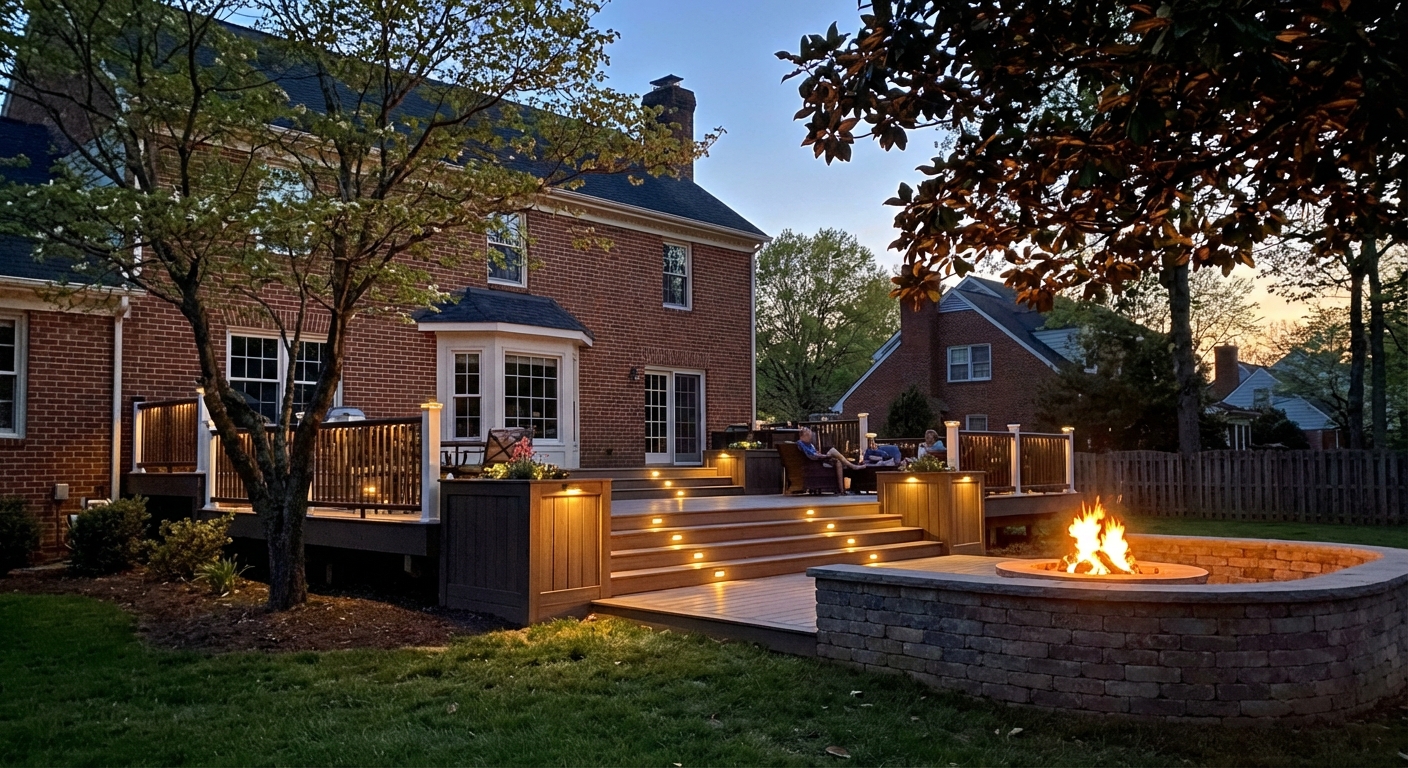
Are you dreaming of a new deck to enjoy those warm Virginia evenings? From the coastal breezes of Virginia Beach to the mountain views of Roanoke, a well-designed deck can significantly enhance your home and lifestyle. This guide explores inspiring deck design ideas tailored for Virginia homeowners, considering the unique climate, building codes, and regional variations across the Commonwealth.
Understanding Virginia's Deck-Building Landscape
Looking for more regional information? Check out our Virginia State Decking Hub.
🏗️ Planning a deck project?
Get a free manual project review, or visualize your dream deck with AI before requesting quotes.
Before diving into design ideas, it's crucial to understand the practical aspects of building a deck in Virginia. This includes costs, climate considerations, and local regulations.
Cost Factors
Deck construction costs in Virginia can vary widely based on material choices, size, and location. Expect to pay more in Northern Virginia (around Arlington) and Hampton Roads due to higher labor and material costs. The Shenandoah Valley and Southwest Virginia generally offer more affordable options. Here’s a cost breakdown per square foot, installed:
| Material | Average Cost per SqFt (Installed) |
|------------------|------------------------------------|
| Pressure-Treated | $25 - $45 |
| Composite | $45 - $80 |
| Cedar | $35 - $55 |
| Trex | $50 - $85 |
Climate Considerations
Virginia's humid subtropical climate presents specific challenges. Hot, humid summers (with temperatures often reaching 90-95°F) and mild winters (except in the mountain regions) demand durable materials and smart design choices. Coastal areas like Virginia Beach and Norfolk require corrosion-resistant hardware due to salt air exposure.
Building Codes and Permits
The Virginia Uniform Statewide Building Code (USBC) governs deck construction. This code is based on the International Residential Code (IRC) and the Virginia Residential Code (VRC). Crucially, decks over 30 inches above grade or attached to a dwelling typically require permits. Expect permit costs to range from $100 to $500, depending on your locality. Contact your local building official for specific requirements.
Contractor Licensing
The Virginia Department of Professional and Occupational Regulation (DPOR) requires contractor licensing. Ensure your contractor holds the appropriate license (Class A for projects over $70,000, Class B for $10,000 - $70,000, and Class C for under $10,000). Hiring a licensed contractor provides recourse if issues arise.
<!-- slot:after-intro -->
Deck Design Ideas Tailored for Virginia
Now, let's explore some deck design ideas perfect for Virginia homes, keeping in mind the regional variations.
1. Classic Pressure-Treated Decks
Pressure-treated lumber remains a popular and budget-friendly choice. It's readily available and, when properly maintained, can withstand Virginia's climate. Consider staining or sealing your pressure-treated deck to enhance its appearance and prolong its lifespan. This is a great option if you're in a more affordable region like the Shenandoah Valley or Roanoke.
- Pros: Affordable, readily available.
- Cons: Requires regular maintenance (staining/sealing), prone to splintering if not properly cared for.
2. Low-Maintenance Composite Decks
Composite decking, like Trex, offers excellent durability and requires minimal maintenance. It resists fading, staining, and scratching, making it ideal for busy homeowners. While the initial cost is higher, the long-term savings on maintenance can be significant. This is a particularly smart choice in high-humidity areas like Hampton Roads. Use PaperPlan (paperplan.app) to visualize your deck with PaperPlan design with different materials and layouts before committing to a contractor.
- Pros: Low maintenance, durable, resists fading and staining.
- Cons: Higher initial cost.
3. Natural Cedar Decks
Cedar offers a beautiful, natural aesthetic and is naturally resistant to decay and insects. It's a popular choice for homeowners seeking a warm, inviting outdoor space. Regular sealing is still recommended to maintain its color and prevent weathering. Cedar decks work well with the architectural styles found in Richmond's historic districts.
- Pros: Natural beauty, insect and decay resistance.
- Cons: Requires sealing to maintain color, can be more expensive than pressure-treated.
4. Multi-Level Decks
If you have a sloped yard, a multi-level deck can create distinct zones for dining, lounging, and entertaining. This design is particularly well-suited for properties in the mountainous regions of Southwest Virginia.
- Pros: Maximizes space on sloped yards, creates distinct zones.
- Cons: More complex to build, potentially higher cost.
5. Wraparound Decks
Wraparound decks extend along multiple sides of your home, providing ample space and seamless indoor-outdoor flow. This design is ideal for larger properties and offers stunning views. Consider this if you have waterfront property along the Chesapeake Bay or the James River.
- Pros: Maximizes outdoor living space, enhances curb appeal.
- Cons: Requires significant space, higher cost.
6. Decks with Pergolas or Gazebos
Add shade and architectural interest to your deck with a pergola or gazebo. These structures provide a focal point and create a more comfortable outdoor environment, especially during Virginia's hot summers.
- Pros: Adds shade and visual appeal, creates a defined outdoor space.
- Cons: Adds to the overall cost, requires careful planning to integrate with the deck design.
7. Elevated Decks
In coastal areas like Virginia Beach and Norfolk, elevated decks are common due to flood zone considerations. These decks are built on pilings to raise the living space above potential floodwaters. Hurricane-rated hardware, like Simpson Strong-Tie hurricane ties, is mandatory in these zones.
- Pros: Protects against flooding, offers better views.
- Cons: Higher cost, requires specialized construction techniques.
8. Townhome Decks in Northern Virginia
In densely populated areas like Arlington and other parts of Northern Virginia, townhome decks are often smaller and require careful space planning. Maximize your limited space with built-in seating, vertical planters, and compact furniture. Be prepared for stricter HOA regulations in this region.
- Pros: Maximizes limited space, enhances outdoor living in urban areas.
- Cons: Limited space, often subject to HOA restrictions.
9. Waterfront Decks
For properties along the Chesapeake Bay or Virginia's rivers, consider using marine-grade fasteners and salt-spray-resistant materials. Design your deck to take full advantage of the water views. See our article Waterfront Deck Ideas for Virginia: Chesapeake Bay & River Living for more inspiration.
- Pros: Capitalizes on waterfront views, enhances property value.
- Cons: Requires specialized materials and construction techniques, subject to stricter regulations.
10. Screened-In Decks and Porches
To combat Virginia's insects and extend your outdoor season, consider a screened-in deck or porch. This allows you to enjoy the outdoors without the annoyance of bugs. Screened Porch and Deck Combos in Virginia: Extended Season Living provides more details.
- Pros: Protects against insects, extends outdoor season.
- Cons: Higher cost, reduces open-air feel.
11. Incorporating Built-in Features
Built-in benches, planters, and storage solutions can enhance the functionality and aesthetic appeal of your deck. These features save space and create a cohesive design.
- Pros: Saves space, enhances functionality, creates a cohesive design.
- Cons: Can be more expensive than freestanding furniture.
12. Deck Lighting
Proper lighting is essential for creating a safe and inviting outdoor space. Consider incorporating deck lights into railings, steps, and posts. String lights and lanterns can add a touch of ambiance.
- Pros: Enhances safety, creates ambiance, extends usability into the evening.
- Cons: Requires electrical wiring, adds to the overall cost.
13. Railing Choices
Railing options abound, from traditional wood to modern metal and glass. Choose a railing that complements your deck's design and provides the desired level of privacy and safety.
- Pros: Enhances safety and aesthetics, provides privacy.
- Cons: Can significantly impact the overall cost of the deck.
14. Hot Tub Decks
Reinforce your deck to support the weight of a hot tub. This creates a luxurious and relaxing outdoor oasis. Ensure your deck can handle the load – consult with a structural engineer if needed.
- Pros: Creates a relaxing outdoor space, enhances property value.
- Cons: Requires structural reinforcement, higher cost, increased maintenance.
15. Considering Your Home's Architecture
Ensure your deck design complements your home's architectural style. A modern deck might clash with a traditional Victorian home in Richmond's Fan District, while a rustic deck might not suit a contemporary home in Arlington.
- Pros: Creates a cohesive and aesthetically pleasing design.
- Cons: Requires careful planning and consideration of your home's style.
<!-- slot:mid-content -->
Regional Design Considerations
Virginia is a diverse state, and your deck design should reflect your region's unique characteristics.
Hampton Roads (Virginia Beach, Norfolk, Chesapeake)
- Salt Air: Use corrosion-resistant materials.
- Flood Zones: Consider elevated decks.
- Hurricane Season: Install hurricane-rated hardware.
- Popular Styles: Coastal, beachy designs.
Northern Virginia (Arlington, Alexandria, Fairfax)
- Smaller Lots: Maximize space with compact designs.
- HOA Restrictions: Be aware of community guidelines.
- Premium Pricing: Expect higher construction costs.
- Popular Styles: Modern, minimalist designs.
Richmond Metro
- Historic Districts: Adhere to architectural guidelines.
- James River Corridor: Capitalize on river views.
- Diverse Neighborhoods: Choose a style that complements your home.
- Popular Styles: Traditional, transitional designs.
Shenandoah Valley
- Affordable Costs: Take advantage of lower material and labor costs.
- Mountain Views: Design your deck to capture the scenery.
- Rural Setting: Consider rustic or farmhouse-inspired designs.
- Popular Styles: Rustic, farmhouse, traditional.
Roanoke/Southwest Virginia
- Mountainous Terrain: Multi-level decks are ideal for sloped yards.
- Four Distinct Seasons: Choose durable materials that can withstand temperature fluctuations.
- Affordable Costs: Similar to the Shenandoah Valley, costs are generally lower.
- Popular Styles: Rustic, mountain-inspired designs.
Navigating the Permit Process
Securing the necessary permits is a critical step in building your deck. Here’s a general overview:
1. Contact Your Local Building Department: Inquire about specific requirements and application procedures.
2. Submit Plans: Provide detailed deck plans, including dimensions, materials, and structural details.
3. Pay Permit Fees: Be prepared to pay permit fees, which typically range from $100 to $500.
4. Schedule Inspections: During construction, schedule inspections to ensure compliance with building codes.
Choosing the Right Contractor
Selecting a qualified and experienced contractor is essential for a successful deck-building project. Here are some tips:
- Check Licensing: Verify that the contractor is licensed with the VA DPOR.
- Get Multiple Bids: Obtain quotes from several contractors to compare pricing and services.
- Read Reviews: Check online reviews and ask for references.
- Review Portfolio: Look at examples of their previous work.
- Discuss Insurance: Ensure the contractor has adequate insurance coverage.
See our guides on Best Deck Builders in Chesapeake, VA: Hampton Roads Guide for 2026, Best Deck Builders in Roanoke, VA: Blue Ridge Mountain Guide for 2026, and Best Deck Builders in Alexandria, VA: Old Town & Beyond Guide for 2026 for some regional recommendations.
<!-- slot:before-faq -->
Key Takeaways for Virginia Homeowners
- Climate Matters: Choose materials that can withstand Virginia's humid subtropical climate.
- Permits are Essential: Obtain the necessary permits before starting construction.
- Hire a Licensed Contractor: Ensure your contractor is licensed with the VA DPOR.
- Consider Your Region: Tailor your design to your specific region's characteristics and regulations.
- Termite Prevention: Due to high termite pressure, especially in Tidewater and Piedmont, use termite-resistant materials or treatments. The frost line in Virginia ranges from 18 inches in Tidewater to 24 inches in mountain regions.
<!-- slot:end -->
🎨 Not sure which material to pick?
Upload a photo of your backyard and see exactly how Trex, TimberTech, or cedar would look — free and instant.
Frequently Asked Questions
What is the average cost to build a deck in Virginia?
The average cost ranges from $25 to $85 per square foot, depending on the materials used. Pressure-treated lumber is the most affordable option, while composite decking like Trex is more expensive.
Do I need a permit to build a deck in Virginia?
Yes, in most cases. Decks over 30 inches above grade or attached to a dwelling typically require permits. Contact your local building department for specific requirements.
What are the best materials for a deck in Virginia's climate?
Pressure-treated lumber, composite decking, and cedar are all good choices. Consider corrosion-resistant materials in coastal areas.
How can I protect my deck from termites in Virginia?
Use termite-resistant materials like treated lumber or composite decking. Consider professional termite treatment.
What is the best time of year to build a deck in Virginia?
The best time to build a deck is during the spring (March-June) or fall (September-November) when the weather is mild and humidity is lower.
📋 Planning a deck project?
Get a free manual project review from our team — no obligation, no spam.
Get Free Project Review →Upload a backyard photo and preview real decking materials with AI — free, instant, no sign-up.
Permits, costs, material comparisons, and questions to ask before requesting quotes — delivered to your inbox.