
Screened Porch and Deck Combos in Virginia: Extended Season Living
Maximize outdoor living in VA with screened porch & deck combos. Explore design ideas, costs, permits, & find the perfect contractor.
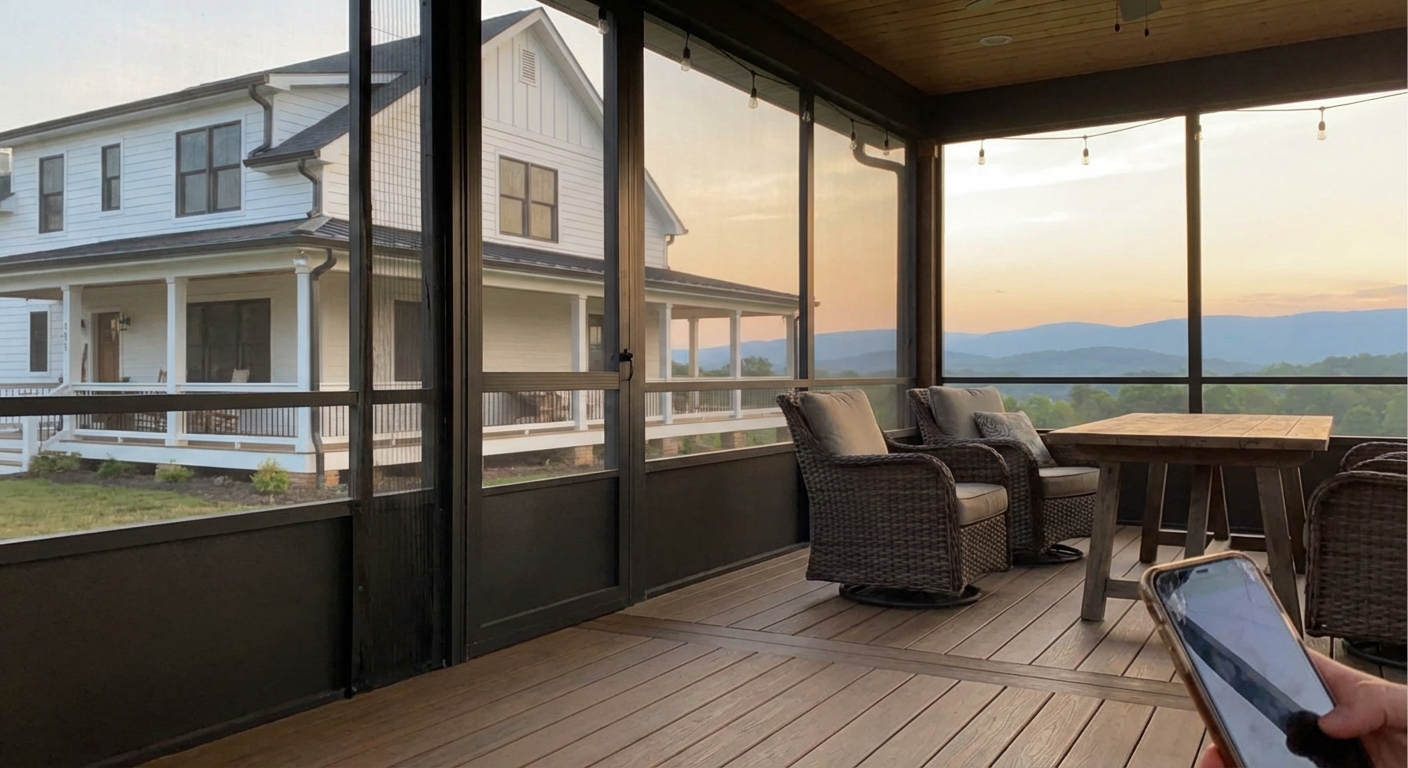
Are you a Virginia homeowner dreaming of enjoying the outdoors without the relentless summer humidity and pesky insects? A screened porch and deck combination is the perfect solution, offering the best of both worlds: open-air relaxation and sheltered comfort. This guide covers everything you need to know to design, budget for, and build your ideal outdoor living space in Virginia.
Why Combine a Screened Porch and Deck in Virginia?
Looking for more regional information? Check out our Virginia State Decking Hub.
🏗️ Planning a deck project?
Get a free manual project review, or visualize your dream deck with AI before requesting quotes.
Virginia's humid subtropical climate presents unique challenges and opportunities for outdoor living. During the warmer months, temperatures frequently climb into the 90-95°F range with high humidity, especially in areas like Hampton Roads. Mosquitoes and other insects are also prevalent. A screened porch provides protection from these elements, allowing you to enjoy the outdoors even when the weather isn't ideal. A connected deck offers open space for grilling, sunbathing, or simply enjoying the fresh air when conditions are favorable.
Here's why this combination works so well in the Old Dominion:
- Extended Season: A screened porch extends your outdoor season, allowing you to enjoy your outdoor space for more months of the year.
- Insect Protection: Say goodbye to mosquito bites and other insect annoyances.
- Weather Protection: Provides shelter from rain, sun, and wind.
- Increased Home Value: A well-designed and built screened porch and deck can increase your home's value.
- Versatile Living Space: Offers both open and enclosed outdoor areas for different activities.
<!-- slot:after-intro -->
Design Ideas for Virginia Screened Porch and Deck Combinations
Your design should consider your lifestyle, the style of your home, and the surrounding landscape. Here are a few ideas tailored to different Virginia regions:
- Coastal Charm (Hampton Roads/Tidewater): Opt for elevated decks and screened porches to maximize views and minimize flood risk. Use marine-grade fasteners to withstand salt air corrosion. Consider incorporating nautical design elements. Hurricane-rated hardware is essential, like Simpson Strong-Tie hurricane ties.
- Northern Virginia Elegance (DC Suburbs): Maximize limited space with multi-level decks and screened porches. Focus on sophisticated design and high-end materials to complement upscale homes. Be prepared for stricter HOA regulations and potentially 30-40% higher construction costs than the state average, particularly in Arlington.
- Richmond Historic Style: Blend your screened porch and deck seamlessly with your home's architectural style. In areas like the Fan District and Museum District, adhere to strict historic guidelines. Consider the James River views if your property allows.
- Shenandoah Valley Rustic Retreat: Embrace natural materials like cedar and stone. Design your screened porch and deck to blend seamlessly with the surrounding mountain landscape. Construction costs may be more affordable than in other parts of Virginia.
- Roanoke/Southwest Virginia Mountain Views: Prioritize maximizing mountain views from your deck and screened porch. Use durable materials that can withstand the elements at higher altitudes. Consider incorporating a fire pit or outdoor fireplace into your design.
Key Design Considerations
- Size and Layout: Determine the appropriate size and layout based on your needs and the available space. Consider traffic flow between the porch, deck, and your home.
- Materials: Choose materials that are durable, weather-resistant, and aesthetically pleasing. Options include pressure-treated lumber, cedar, composite decking (like Trex), and aluminum screening.
- Roofing: Select a roofing material that complements your home's existing roof and provides adequate protection from the elements.
- Screening: Choose a screen material that is durable, insect-resistant, and provides good visibility.
- Lighting and Electrical: Plan for adequate lighting and electrical outlets for your screened porch and deck.
- Accessibility: Ensure that your screened porch and deck are accessible to all members of your household.
- Permits: Decks over 30 inches above grade or attached to a dwelling usually require permits in Virginia. Check your local building codes.
Use PaperPlan (paperplan.app) to visualize your deck with PaperPlan design with different materials and layouts before committing to a contractor. Experiment with different configurations and get a feel for the space before you start building.
Virginia Deck and Screened Porch Costs
The cost of building a screened porch and deck combination in Virginia can vary widely depending on several factors, including size, materials, design complexity, and location. Northern Virginia and Hampton Roads typically have higher labor and material costs compared to the Shenandoah Valley or Southwest Virginia.
Here's a breakdown of typical deck costs per square foot (installed):
| Material | Cost per SqFt (Installed) |
|-------------------|---------------------------|
| Pressure-Treated | $25-$45 |
| Cedar | $35-$55 |
| Composite (Trex) | $50-$85 |
| Composite (Other) | $45-$80 |
Screened porch costs are significantly higher due to the added structure, roofing, and screening. Expect to pay between $150-$400+ per square foot for a screened porch, depending on the complexity and materials used.
Cost-Saving Tips
- Design Simple: Complex designs drive up labor costs.
- Choose Affordable Materials: Pressure-treated lumber is the most economical decking option.
- DIY Some of the Work: If you're handy, you can save money by doing some of the work yourself, such as demolition or painting (but ensure you understand permit requirements).
- Get Multiple Quotes: Obtain quotes from several contractors to compare prices.
<!-- slot:mid-content -->
Virginia Building Codes, Permits, and Regulations
Building codes and permit requirements are crucial aspects of any construction project in Virginia. The Virginia Uniform Statewide Building Code (USBC), based on the International Residential Code (IRC) and Virginia Residential Code (VRC), sets the standards for construction safety and quality.
Key Requirements
- Permits: Decks over 30 inches above grade or attached to a dwelling require permits in most Virginia localities. Check with your local building department for specific requirements. Typical permit costs range from $100-$500.
- Frost Line: The frost line depth in Virginia ranges from 18 inches in Tidewater to 24 inches in mountain regions. Footings must extend below the frost line to prevent heaving.
- Contractor Licensing: The Virginia Department of Professional and Occupational Regulation (DPOR) requires contractors to be licensed. Ensure your contractor has the appropriate license (Class A for projects over $70,000, Class B for projects between $10,000 and $70,000, and Class C for projects under $10,000).
- Hurricane Zones: Coastal areas like Hampton Roads and Virginia Beach require hurricane-rated hardware to withstand strong winds.
- HOA Approval: Many Homeowners Associations (HOAs), particularly in Northern Virginia and planned communities in Virginia Beach, require approval for exterior modifications.
Working with a Contractor
- Check Licensing: Verify the contractor's license with the VA DPOR.
- Review Insurance: Ensure the contractor has adequate liability insurance and worker's compensation coverage.
- Get a Detailed Contract: The contract should include a detailed scope of work, materials list, payment schedule, and warranty information.
- Check References: Contact previous clients to assess the contractor's reputation and quality of work.
Material Choices for Virginia's Climate
Choosing the right materials is essential for a long-lasting and beautiful screened porch and deck in Virginia. Consider these factors:
- Durability: Choose materials that can withstand Virginia's humid climate, temperature fluctuations, and potential storms.
- Maintenance: Consider the amount of maintenance required for each material.
- Aesthetics: Select materials that complement your home's style and your personal preferences.
- Termite Resistance: Termites are a significant concern in Virginia, especially in Tidewater and Piedmont. Choose termite-resistant materials or ensure proper termite treatment.
- Salt Air Resistance: If you live near the Chesapeake Bay or the Atlantic coast, choose materials that are resistant to salt air corrosion. Marine-grade fasteners are essential.
Here's a comparison of common decking materials:
| Material | Pros | Cons | Maintenance |
|-------------------|------------------------------------------------------------------------|-------------------------------------------------------------------------|-------------------------------------------|
| Pressure-Treated | Affordable, readily available, can be stained or painted. | Prone to warping and cracking, requires regular treatment. | Annual cleaning and sealing. |
| Cedar | Naturally beautiful, resistant to insects and decay. | More expensive than pressure-treated lumber, requires regular sealing. | Bi-annual cleaning and sealing. |
| Composite (Trex) | Low-maintenance, durable, resistant to insects and decay, long-lasting. | More expensive than wood, can get hot in direct sunlight. | Occasional cleaning. |
| Ipe (Brazilian Walnut) | Extremely durable, naturally resistant to rot, insects, and fire | Expensive, difficult to work with, requires specialized fasteners | Periodic oiling to maintain color |
For screening, consider aluminum, fiberglass, or vinyl-coated polyester. Aluminum is durable and long-lasting but can be more expensive. Fiberglass is a more affordable option but may not be as durable.
<!-- slot:before-faq -->
Best Times to Build in Virginia
The best times to build a screened porch and deck in Virginia are during the shoulder seasons: March-June and September-November. These months offer milder temperatures and lower humidity, making construction more comfortable. Avoid building during the peak summer months (July and August) due to the extreme heat and humidity. Winter construction is possible, but cold temperatures and potential snow can cause delays.
Internal Links to explore: How to Build a Deck in Virginia: DIY Guide with Local Rules, Deck Staining Tips for Virginia Weather: Timing & Products, Virginia Deck Maintenance by Season: Year-Round Care Guide
<!-- slot:end -->
🎨 Not sure which material to pick?
Upload a photo of your backyard and see exactly how Trex, TimberTech, or cedar would look — free and instant.
Frequently Asked Questions
What permits do I need to build a deck in Virginia?
Most Virginia localities require a building permit for decks that are over 30 inches above grade or attached to a dwelling. You'll need to submit plans to your local building department for approval. Check with your city or county for specific requirements.
How much does it cost to build a screened porch in Virginia?
Screened porch costs vary widely, but you can expect to pay between $150-$400+ per square foot, depending on the size, materials, and complexity of the design.
What is the frost line in Virginia?
The frost line in Virginia varies from 18 inches in Tidewater to 24 inches in mountain regions. Your deck footings must extend below the frost line to prevent heaving.
How do I find a reputable deck builder in Virginia?
- Check online reviews and ratings.
- Ask for referrals from friends, family, or neighbors.
- Verify the contractor's license with the VA DPOR.
- Get multiple quotes and compare prices.
- Review the contractor's insurance coverage.
What are the best materials for a deck in Virginia's climate?
For best results in Virginia's humid climate, select durable materials like pressure-treated lumber, cedar, or composite decking (like Trex). Salt-air climates require marine-grade fasteners. Ensure proper termite treatment, especially in Tidewater and Piedmont.
📋 Planning a deck project?
Get a free manual project review from our team — no obligation, no spam.
Get Free Project Review →Upload a backyard photo and preview real decking materials with AI — free, instant, no sign-up.
Permits, costs, material comparisons, and questions to ask before requesting quotes — delivered to your inbox.