
Deck Staining Tips for Virginia Weather: Timing & Products
Keep your Virginia deck protected & beautiful! Learn the best time to stain, choose the right products, & avoid costly mistakes. Expert tips for VA weather.
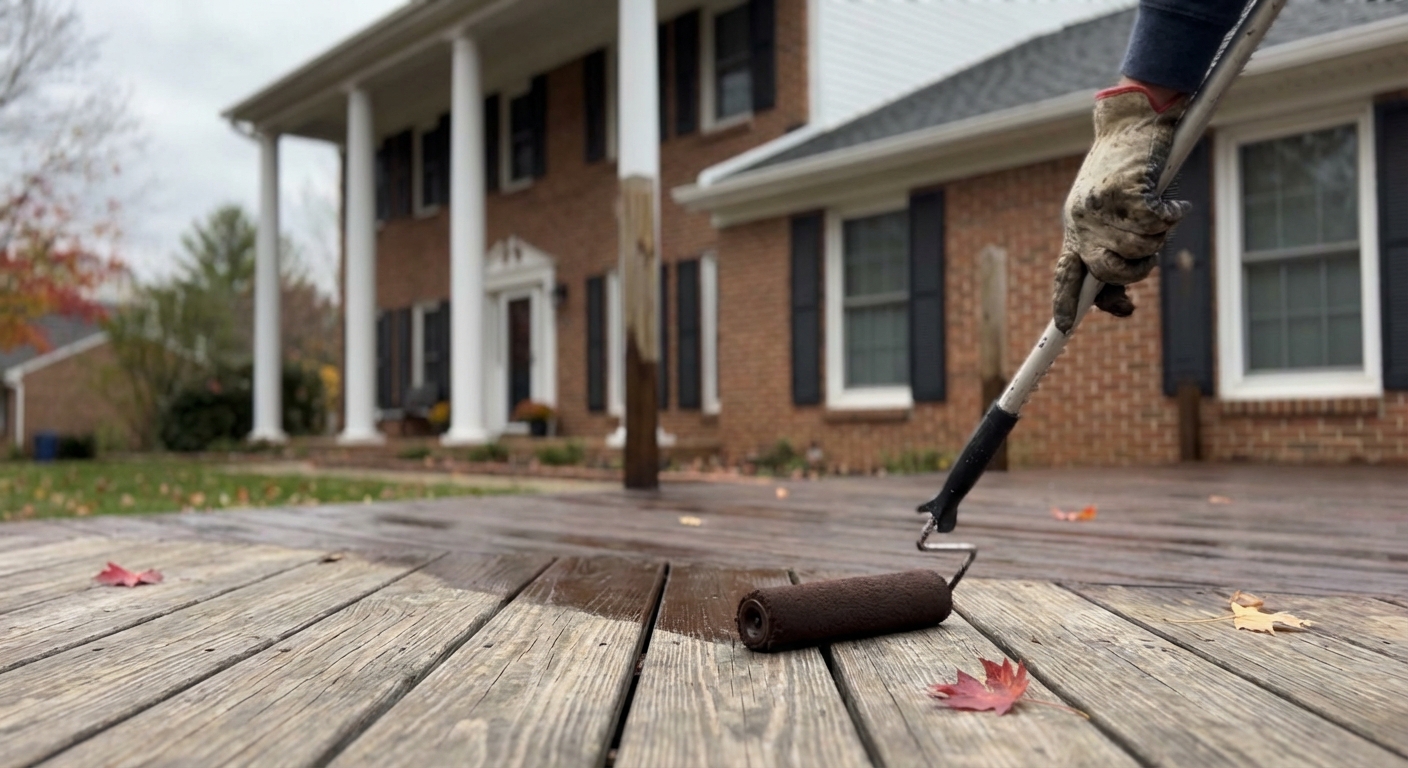
Are you a Virginia homeowner looking to protect your deck from the elements and keep it looking its best? Staining is crucial, but Virginia's humid subtropical climate presents unique challenges. This guide provides expert tips on timing your staining project and choosing the right products for lasting results, whether you're in Hampton Roads, Northern Virginia, or the Shenandoah Valley.
📐 Tool Alert: Deck Stair Calculator
Calculate rise, run, and stringer cuts while ensuring IRC/OBC code compliance.
Calculate Stairs →Understanding Virginia's Climate and Its Impact on Decks
Looking for more regional information? Check out our Virginia State Decking Hub.
🏗️ Planning a deck project?
Get a free manual project review, or visualize your dream deck with AI before requesting quotes.
Virginia's climate is characterized by hot, humid summers and mild winters, though conditions vary across the state. In areas like Hampton Roads and Tidewater, you'll experience higher humidity and the impact of coastal salt air. In contrast, the Shenandoah Valley and Roanoke/Southwest Virginia have cooler temperatures and potentially more significant temperature swings. These variations significantly impact your deck's lifespan and staining needs.
The hot, humid summers (often reaching 90-95°F) promote mold and mildew growth, while winter's freeze-thaw cycles can cause wood to expand and contract, leading to cracks and peeling stain. Waterfront properties, especially those around the Chesapeake Bay, face additional challenges from salt spray, demanding marine-grade fasteners and sealants.
<!-- slot:after-intro -->
Choosing the Right Stain for Virginia Decks
Selecting the appropriate stain is critical for protecting your deck from Virginia's weather. Consider these factors:
- Type of Wood: Pressure-treated lumber, cedar, and composite decking each require different stain formulations.
- Desired Appearance: Transparent, semi-transparent, semi-solid, and solid stains offer varying levels of wood grain visibility and protection.
- UV Protection: Essential to prevent fading and discoloration caused by the intense Virginia sun.
- Water Resistance: Crucial to combat humidity and prevent water damage, especially in coastal areas.
- Mold and Mildew Resistance: Look for stains with added fungicides to inhibit growth in humid conditions.
Here's a breakdown of common stain types and their suitability for Virginia decks:
| Stain Type | Wood Grain Visibility | Protection Level | Best For | Considerations |
| ----------------- | ---------------------- | ---------------- | ----------------------------------------------------------------------- | ------------------------------------------------------------------------------------------------------------------ |
| Transparent | High | Low | Showing off natural wood grain; decks with minimal sun exposure | Requires more frequent reapplication; not ideal for high-traffic areas. |
| Semi-Transparent | Medium | Medium | Balancing aesthetics and protection; decks with moderate sun exposure | Provides some color but allows wood grain to show through. |
| Semi-Solid | Low | High | Hiding imperfections; decks with heavy use and sun exposure | Offers more color coverage; may obscure wood grain. |
| Solid | None | Highest | Maximum protection; covering severely weathered or damaged wood | Looks more like paint; completely hides wood grain; can peel if not properly applied. |
| Oil-Based Stains | Varies | Good | Penetrating the wood; providing water resistance | Can be more difficult to clean up; may contain higher VOCs (Volatile Organic Compounds). |
| Water-Based Stains| Varies | Excellent | Easy cleanup; low VOCs; often more flexible and less prone to cracking | May not penetrate as deeply as oil-based stains; can be less durable in some cases. |
Product Recommendations:
- For Pressure-Treated Wood: Olympic Maximum Waterproofing Sealant or Thompson's WaterSeal Waterproofer Plus Clear Wood Protector.
- For Cedar: Ready Seal Exterior Stain and Sealer (oil-based) or Defy Extreme Wood Stain (water-based).
- For Composite Decking: Consult the manufacturer's recommendations, as some stains can damage composite materials. Look for products specifically designed for composite decks, such as Olympic WaterGuard Waterproofing Sealer.
Remember to always test the stain in an inconspicuous area before applying it to the entire deck.
Timing Your Deck Staining Project in Virginia
The best time to stain your deck in Virginia is during the shoulder seasons: March-June and September-November. Avoid the peak summer months (July and August) due to high humidity and temperatures that can hinder stain absorption and drying.
Ideal conditions include:
- Temperature: Between 50°F and 90°F.
- Humidity: Below 70%.
- Dry Weather: At least 2-3 days of dry weather before and after staining.
Check the weather forecast carefully before starting your project. Avoid staining if rain is expected within 24-48 hours. Morning dew can also affect stain adhesion, so it's best to start staining mid-morning after the dew has evaporated.
Preparing Your Deck for Staining
Proper preparation is essential for a successful staining project. Follow these steps:
1. Clean the Deck: Remove all furniture, planters, and debris. Use a deck cleaner to remove dirt, mold, mildew, and old stain. Consider renting a pressure washer, but be careful not to damage the wood by using too much pressure. For stubborn stains, use a deck brightener containing oxalic acid.
2. Repair Any Damage: Replace any damaged or rotten boards. Tighten loose screws or nails. Sand down any rough spots or splinters.
3. Sand the Deck: Sanding helps to open the wood pores and allows the stain to penetrate better. Use a coarse-grit sandpaper (60-80 grit) for the first pass, followed by a medium-grit sandpaper (100-120 grit).
4. Let the Deck Dry: Allow the deck to dry completely for at least 24-48 hours before staining.
5. Mask Off Areas: Protect nearby surfaces, such as siding, railings, and landscaping, with painter's tape and drop cloths.
The Staining Process: Step-by-Step
1. Apply the Stain: Use a brush, roller, or sprayer to apply the stain evenly to the deck surface. Work in small sections and follow the manufacturer's instructions.
2. Back-Brush: If using a roller or sprayer, back-brush the stain with a brush to ensure even coverage and penetration.
3. Wipe Off Excess Stain: After allowing the stain to penetrate for the recommended time (usually 10-15 minutes), wipe off any excess stain with a clean rag. This prevents a sticky or glossy finish.
4. Apply a Second Coat (Optional): For added protection or a richer color, apply a second coat of stain after the first coat has dried completely (usually 24-48 hours).
5. Allow to Dry: Allow the stained deck to dry completely for at least 48-72 hours before replacing furniture or using the deck.
<!-- slot:mid-content -->
Costs Associated with Deck Staining in Virginia
While staining is a DIY-friendly project, understanding the potential costs is important. Here's a breakdown:
- Deck Cleaner: $20-$50 per gallon
- Deck Brightener: $25-$60 per gallon
- Stain: $30-$80 per gallon (depending on type and quality)
- Brushes, Rollers, and Trays: $15-$30
- Painter's Tape and Drop Cloths: $10-$20
- Sandpaper: $10-$20
- Pressure Washer Rental (Optional): $50-$100 per day
Professional Staining Costs: If you prefer to hire a professional, expect to pay $3-$8 per square foot for staining services. This typically includes cleaning, preparation, and application of the stain. Keep in mind that construction costs in Virginia are moderate to high, with Northern Virginia (DC metro) and Hampton Roads generally being more expensive than the Shenandoah Valley or Southwest Virginia.
Permits and Regulations: In Virginia, decks over 30 inches above grade or attached to a dwelling typically require permits. Although staining itself doesn't usually require a permit, ensure your deck is compliant with local building codes before undertaking any significant maintenance. Permit costs typically range from $100-$500, depending on the locality. Also, many Homeowners Associations (HOAs) in areas like Northern Virginia (Fairfax, Loudoun, Prince William counties) and Virginia Beach require approval for exterior modifications, including deck staining.
Maintaining Your Stained Deck
Regular maintenance is key to prolonging the life of your stained deck. Here are some tips:
- Sweep the deck regularly to remove dirt and debris.
- Clean the deck annually with a deck cleaner to remove mold, mildew, and algae.
- Reapply stain every 2-3 years or as needed.
- Inspect the deck regularly for signs of damage, such as cracks, splinters, or rot.
- Trim nearby vegetation to improve airflow and reduce moisture buildup.
Remember, proper maintenance can save you significant money in the long run by preventing costly repairs or replacements. Consider using PaperPlan (paperplan.app) to visualize your deck with PaperPlan design with different materials and layouts before committing to a contractor, helping you plan for long-term maintenance costs as well.
<!-- slot:before-faq -->
By following these tips, you can protect your deck from Virginia's challenging climate and enjoy it for years to come. Remember to choose the right stain, time your project carefully, prepare the deck properly, and maintain it regularly. Good luck!
<!-- slot:end -->
🎨 Not sure which material to pick?
Upload a photo of your backyard and see exactly how Trex, TimberTech, or cedar would look — free and instant.
Frequently Asked Questions
What are the signs that my deck needs to be restained?
Look for these indicators: fading color, water beading poorly (water soaks into the wood instead of forming beads), cracking or peeling stain, and the presence of mold or mildew. A simple test is to sprinkle water on the deck surface. If the water absorbs quickly, it's time to restain.
Can I stain my deck if it's been raining recently?
It's best to wait at least 24-48 hours after rain before staining your deck. The wood needs to be completely dry for the stain to penetrate properly. Use a moisture meter to ensure the wood has a moisture content below 15%.
What's the difference between deck stain and deck paint?
Deck stain penetrates the wood and enhances its natural grain, while deck paint forms a solid layer on the surface. Stain is generally more durable and less prone to peeling than paint. However, paint can provide more complete coverage and hide imperfections. For most Virginia decks, a quality stain is the better choice.
How do I prevent mold and mildew from growing on my deck?
Choose a stain that contains a mildewcide. Ensure proper ventilation around the deck by trimming back vegetation. Clean the deck regularly with a deck cleaner that contains a mold and mildew inhibitor. Consider using pressure-treated lumber or naturally rot-resistant wood like cedar or redwood when building your deck. Termite pressure is high in Virginia, especially in Tidewater and Piedmont regions, so termite-resistant materials are strongly recommended.
How much does it cost to build a new deck in Virginia?
The cost of building a new deck in Virginia varies depending on the size, materials, and complexity of the project. Expect to pay around $25-$45 per square foot for a pressure-treated deck, $45-$80 per square foot for a composite deck, $35-$55 per square foot for a cedar deck, and $50-$85 per square foot for a Trex deck, including installation. Remember that Arlington and other Northern Virginia (DC metro) locations often have premium pricing, potentially 30-40% higher than the state average.
Deck Design Ideas for Virginia Homes: Inspiration for 2026
Virginia Deck Maintenance by Season: Year-Round Care Guide
How to Build a Deck in Virginia: DIY Guide with Local Rules
📋 Planning a deck project?
Get a free manual project review from our team — no obligation, no spam.
Get Free Project Review →Upload a backyard photo and preview real decking materials with AI — free, instant, no sign-up.
Permits, costs, material comparisons, and questions to ask before requesting quotes — delivered to your inbox.