
How to Build a Deck in Virginia: DIY Guide with Local Rules
DIY deck building in Virginia? This guide covers permits, costs, materials, and building codes across VA, from NOVA to Hampton Roads. Start your project right!
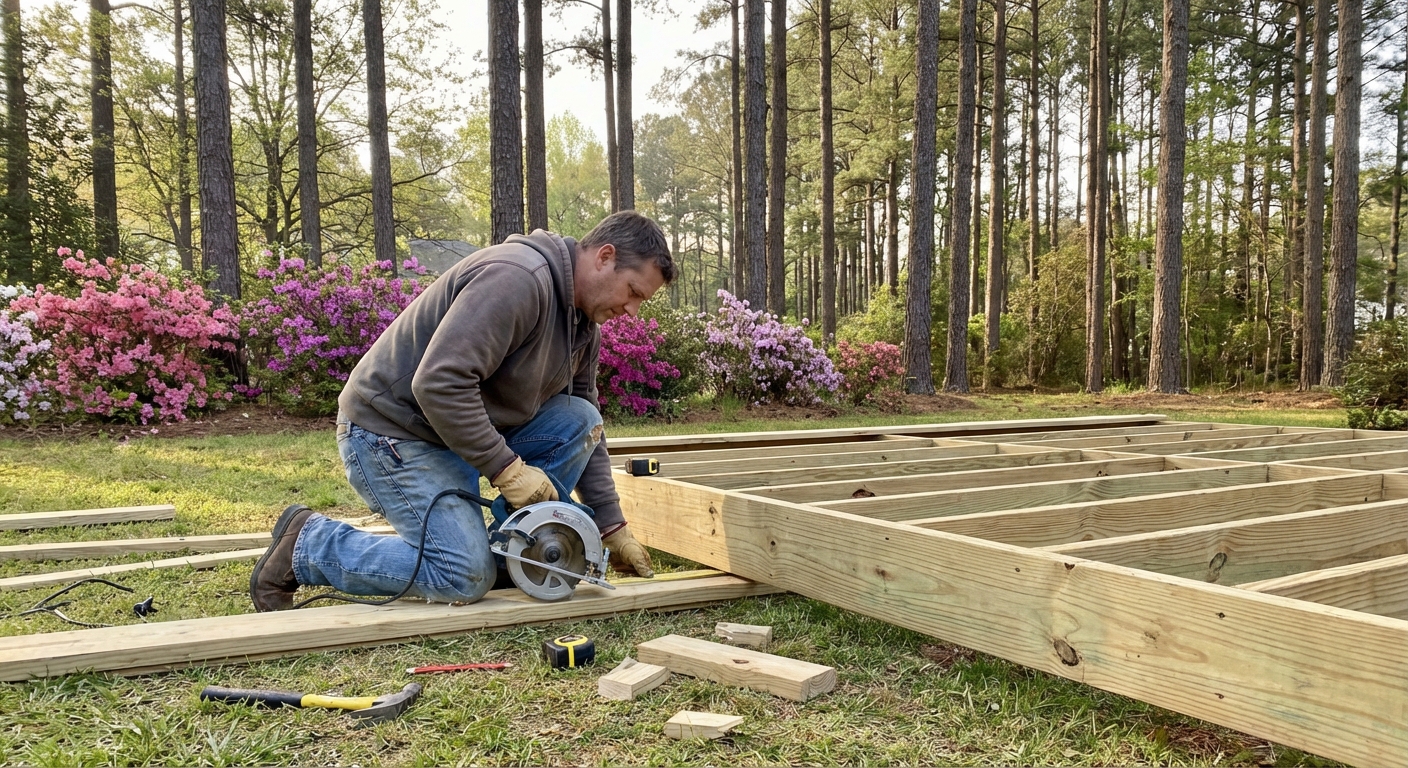
Planning to build a deck on your Virginia property? This comprehensive guide walks you through the process, from understanding local building codes to selecting the right materials, ensuring a successful DIY project. We'll cover everything specific to Virginia, including permit requirements, regional cost variations, and climate considerations.
📐 Tool Alert: Deck Stair Calculator
Calculate rise, run, and stringer cuts while ensuring IRC/OBC code compliance.
Calculate Stairs →Understanding Virginia Building Codes and Permits
Looking for more regional information? Check out our Virginia State Decking Hub.
🏗️ Planning a deck project?
Get a free manual project review, or visualize your dream deck with AI before requesting quotes.
Before you even think about lumber, you need to know the rules. Virginia operates under the Virginia Uniform Statewide Building Code (USBC), which is based on the International Residential Code (IRC) and the Virginia Residential Code (VRC). However, enforcement and interpretation fall to local building officials.
- Permits: Generally, if your deck is more than 30 inches above grade or attached to your dwelling, you'll need a permit. This is almost always the case. Contact your local city or county building department (e.g., Fairfax County, City of Richmond, City of Virginia Beach) to confirm specific requirements. Skipping this step can lead to fines and forced removal of your deck.
- Typical Permit Costs: Expect to pay between $100-$500 for a permit, depending on your locality and the size of your deck.
- Inspections: Be prepared for inspections at various stages, including footing, framing, and final completion.
- Contractor Licensing: If you decide to hire a contractor, verify they are licensed with the Virginia Department of Professional and Occupational Regulation (DPOR). Licenses are classified as Class A (projects over $70,000), Class B ($10,000-$70,000), and Class C (under $10,000).
- HOA Approval: If you live in a community with a Homeowners Association (HOA), particularly common in Northern Virginia and planned communities near Virginia Beach, you'll likely need their approval *before* applying for a building permit.
<!-- slot:after-intro -->
Planning and Design: Consider Virginia's Climate
Virginia's humid subtropical climate significantly impacts deck design and material choices. Hot, humid summers (temperatures often reaching 90-95°F) and moderate winters require durable, weather-resistant materials.
- Best Build Months: Aim to build your deck during the shoulder seasons – March-June or September-November – to avoid the worst of the summer heat and humidity.
- Frost Line: Virginia's frost line ranges from 18 inches in Tidewater to 24 inches in mountainous regions. Your footings must extend below the frost line to prevent movement and damage.
- Termites: Termite pressure is high, especially in the Tidewater and Piedmont regions. Use pressure-treated lumber or termite-resistant alternatives.
- Coastal Considerations: If you're near the Chesapeake Bay or the Atlantic Ocean (Hampton Roads, Virginia Beach, Norfolk), salt air requires corrosion-resistant hardware and fasteners. Hurricane-rated hardware, particularly Simpson Strong-Tie hurricane ties, may be mandatory in coastal zones. Consider exploring Waterfront Deck Ideas for Virginia: Chesapeake Bay & River Living for design inspiration.
Deck Material Options and Costs in Virginia
The cost of your deck will largely depend on the materials you choose. Here's a breakdown of common options and their approximate installed costs in Virginia:
| Material | Cost per Square Foot (Installed) | Pros | Cons |
| ----------------- | --------------------------------- | --------------------------------------------------------------------------------------------------------------------------------------------- | ------------------------------------------------------------------------------------------------------------------------------------------------------------------------- |
| Pressure-Treated | $25-$45 | Most affordable, readily available, termite-resistant. | Requires regular staining or sealing, prone to warping and cracking, can contain chemicals. |
| Composite (e.g., Trex) | $45-$80 | Low maintenance, durable, resists rot and insects, available in various colors and styles. | More expensive than pressure-treated, can get hot in direct sunlight, can be susceptible to mold/mildew in humid environments. |
| Cedar | $35-$55 | Naturally beautiful, insect-resistant, durable. | More expensive than pressure-treated, requires regular sealing to prevent weathering, can be softer than other woods. |
| Trex | $50-$85 | Ultra low maintenance, long lifespan, resists fading, staining, scratching. | Highest upfront cost, can be slippery when wet (choose textured options), limited color selections compared to paintable surfaces. |
Cost Note: These are *installed* costs. DIYing will save on labor, but factor in the cost of tools and your time. Prices in Northern Virginia (Arlington, Alexandria) can be 30-40% higher than the state average due to higher labor and material costs.
Step-by-Step Deck Building Guide
This guide provides a general overview. Always consult your local building codes and follow manufacturer's instructions for specific materials.
1. Planning & Permitting: Finalize your design, obtain necessary permits, and notify your HOA (if applicable). Use PaperPlan (paperplan.app) to visualize your deck with PaperPlan design with different materials and layouts before committing to a contractor.
2. Layout & Excavation: Mark the perimeter of your deck and excavate for footings. Ensure footings extend below the frost line (18-24 inches depending on your region).
3. Footings & Posts: Pour concrete footings and install post anchors. Set posts, ensuring they are plumb and properly spaced.
4. Beam Installation: Attach beams to the posts, ensuring they are level and securely fastened.
5. Joist Installation: Install joists perpendicular to the beams, using joist hangers for secure attachment. Proper spacing is crucial for deck board support.
6. Decking Installation: Install your chosen decking material, leaving proper spacing between boards for expansion and contraction.
7. Railing Installation: Install posts for railings, ensuring they are securely attached to the deck framing. Install railing sections and balusters.
8. Stairs (if applicable): Build and install stairs, ensuring they meet local code requirements for rise and run.
9. Finishing Touches: Add any finishing touches, such as trim, lighting, or benches.
10. Inspection: Schedule a final inspection with your local building department.
<!-- slot:mid-content -->
Region-Specific Considerations
- Northern Virginia (NOVA): Expect premium pricing and stricter regulations. Small lots and townhome decks are common. Many HOAs require approval. Consider Best Deck Builders in Alexandria, VA: Old Town & Beyond Guide for 2026 if hiring a pro.
- Hampton Roads/Tidewater: Coastal salt air necessitates corrosion-resistant hardware. Hurricane-rated hardware is often mandatory. Flood zone considerations may require elevated builds. Best Deck Builders in Chesapeake, VA: Hampton Roads Guide for 2026 can help you find local expertise.
- Richmond: Historic districts (e.g., Fan District, Museum District) may have strict architectural guidelines. The James River corridor presents unique design opportunities.
- Shenandoah Valley/Roanoke: More affordable construction costs compared to NOVA and Hampton Roads. Mountainous terrain may require specialized foundation work. Check out Best Deck Builders in Roanoke, VA: Blue Ridge Mountain Guide for 2026 for contractors specializing in mountain builds.
Maintenance Tips for Virginia Decks
Regular maintenance is essential to prolong the life of your deck.
- Cleaning: Clean your deck regularly with a deck cleaner and stiff brush to remove dirt, mildew, and debris.
- Sealing/Staining: Re-seal or re-stain your deck every 1-3 years, depending on the material and exposure to the elements. Choose a sealant or stain specifically designed for decks and Virginia's climate. See Deck Staining Tips for Virginia Weather: Timing & Products for more information.
- Inspection: Inspect your deck annually for signs of damage, such as loose boards, cracked posts, or corroded hardware.
- Winterization: Clear snow and ice promptly to prevent damage.
<!-- slot:before-faq -->
When to Hire a Professional
While DIY deck building is possible, consider hiring a professional contractor if:
- You lack experience with carpentry or construction.
- Your deck design is complex or requires specialized skills.
- You're uncomfortable working at heights.
- You need help navigating the permitting process.
- You want to ensure the job is done correctly and efficiently.
<!-- slot:end -->
🎨 Not sure which material to pick?
Upload a photo of your backyard and see exactly how Trex, TimberTech, or cedar would look — free and instant.
Frequently Asked Questions
Do I need a permit to rebuild an existing deck in Virginia?
Generally, yes. If you're replacing more than a small percentage of your deck's structure (e.g., posts, beams, joists), you'll likely need a permit. Check with your local building department.
What is the best wood for decks in Virginia?
Pressure-treated lumber is a common and affordable choice. Cedar is a naturally durable and attractive option. For low-maintenance, consider composite decking like Trex.
How deep should deck footings be in Virginia?
Footings should extend below the frost line, which is 18 inches in Tidewater and 24 inches in mountain regions.
How often should I seal my deck in Virginia?
Seal your deck every 1-3 years, depending on the material, exposure to the elements, and the type of sealant used. More frequent sealing may be necessary in coastal areas with high salt exposure.
What are some common deck design mistakes to avoid?
Failing to obtain proper permits, using inadequate footings, improper joist spacing, and neglecting drainage are common mistakes. Always consult local building codes and follow manufacturer's instructions.
📋 Planning a deck project?
Get a free manual project review from our team — no obligation, no spam.
Get Free Project Review →Upload a backyard photo and preview real decking materials with AI — free, instant, no sign-up.
Permits, costs, material comparisons, and questions to ask before requesting quotes — delivered to your inbox.