
Deck Cost in Richmond, VA (2026)
Planning a new deck in Richmond? Get the latest 2026 pricing for pressure-treated, composite, cedar, and Trex decking materials. Plus, permit costs and design tips!
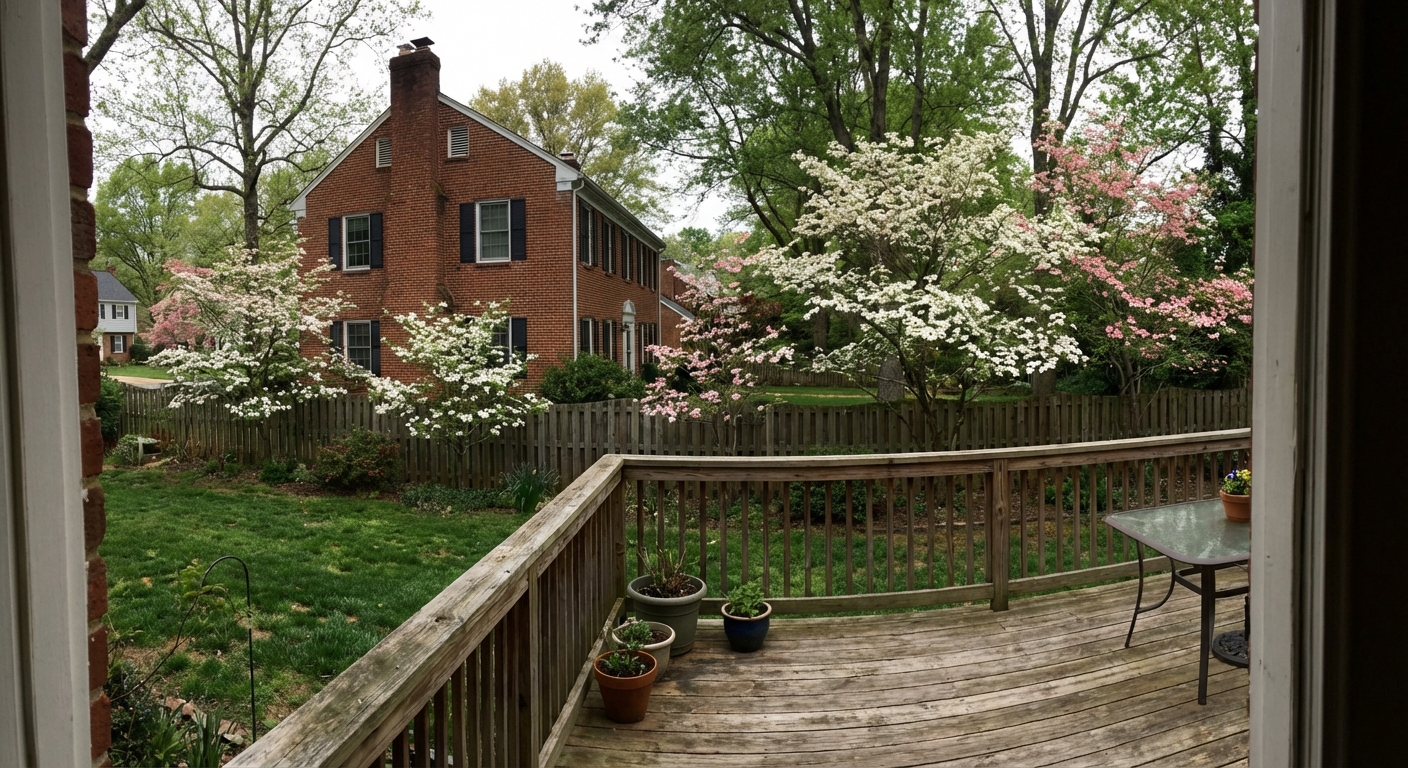
So, you're ready to build a deck in Richmond, VA? You're likely wondering, "How much is this going to cost me?" The truth is, deck costs in Richmond can vary quite a bit depending on the size, materials, and complexity of your project. This guide breaks down the factors that influence the price of a deck in Richmond, giving you a clear understanding of what to expect in 2026.
🧮 Tool Alert: Deck Cost Calculator
Estimate your project costs in seconds based on local pricing bands for your area.
Calculate My Cost →Understanding Deck Costs in Richmond: A Local Perspective
Looking for more regional information? Check out our Virginia State Decking Hub.
🏗️ Planning a deck project?
Get a free manual project review, or visualize your dream deck with AI before requesting quotes.
Richmond, with its mix of historic neighborhoods like The Fan and modern developments in areas like Scott's Addition, presents unique considerations for deck building. The style of your home, the size of your lot, and even the specific location within the city can all impact the final cost.
Virginia's climate, with its four distinct seasons, plays a significant role. Your deck will need to withstand hot, humid summers (temperatures often reaching 85-95°F) and cold winters (with temperatures dipping to 20-35°F). This means choosing durable materials and ensuring proper construction to prevent warping, cracking, and other weather-related damage.
<!-- slot:after-intro -->
Material Costs: A Breakdown
The material you choose for your deck is the biggest cost driver. Here's a look at typical installed prices per square foot in the Richmond area:
- Pressure-Treated Lumber: $28-$48/sqft - The most affordable option, pressure-treated lumber is durable and readily available. However, it requires regular maintenance (staining or sealing) to prevent rot and insect damage.
- Cedar: $38-$58/sqft - A naturally beautiful and rot-resistant wood. Cedar offers a warmer aesthetic than pressure-treated lumber but also needs regular sealing.
- Composite Decking: $50-$80/sqft - A low-maintenance option made from recycled plastic and wood fibers. Composite decking resists fading, staining, and splintering, making it a popular choice for busy homeowners.
- Trex Decking: $55-$85/sqft - A leading brand of composite decking known for its durability, aesthetics, and wide range of colors and styles. Trex is a premium option with a higher upfront cost but lower long-term maintenance.
Cost Comparison Table:
| Material | Installed Cost per SqFt | Pros | Cons |
|-------------------|-------------------------|----------------------------------------------------------------------------|-----------------------------------------------------------------------------|
| Pressure-Treated | $28 - $48 | Most affordable, readily available | Requires regular maintenance, can warp/crack |
| Cedar | $38 - $58 | Naturally beautiful, rot-resistant | Requires regular sealing, more expensive than pressure-treated |
| Composite | $50 - $80 | Low-maintenance, resists fading/staining/splintering | More expensive than wood, can get hot in direct sunlight |
| Trex | $55 - $85 | Durable, aesthetically pleasing, wide range of colors/styles, low-maintenance | Most expensive option, can also get hot in direct sunlight, potential fading |
Labor Costs: What to Expect
Labor costs in Richmond will typically account for 30-50% of the total deck cost. This includes site preparation, framing, deck board installation, railing installation, and finishing touches. Complex designs, multi-level decks, and decks with built-in features (like benches or planters) will increase labor costs. Expect to pay experienced deck builders $50-$100 per hour for labor.
Permit Costs and Regulations in Richmond
Before you start building, you'll need to obtain a permit from the Richmond Department of Planning & Development Review. Most decks over 200 square feet or 30 inches above grade require a permit. The cost of a permit in Richmond typically ranges from $150 to $400, depending on the size and complexity of your project.
The Virginia Uniform Statewide Building Code (USBC) applies throughout Richmond and the rest of the state. This code sets standards for deck construction, including footing depth (the frost line in most of Virginia is 18-24 inches), railing height, and stair construction. Ignoring these codes can result in costly rework and potential fines.
Important Note: It's always best to hire a licensed and insured contractor who is familiar with Richmond's building codes and permit requirements.
Other Cost Factors to Consider
Beyond materials, labor, and permits, several other factors can impact the cost of your deck:
- Size and Shape: Larger decks will obviously cost more than smaller decks. Complex shapes (curves, angles) also increase costs due to the added labor and material waste.
- Deck Height: Decks that are higher off the ground require more support and will therefore cost more to build.
- Railing Type: Simple wood railings are the most affordable option, while composite, metal, or glass railings will increase the cost.
- Stairs: The number of stairs and the complexity of the staircase design will affect the price.
- Features: Adding features like built-in benches, planters, pergolas, or outdoor kitchens will add to the overall cost.
- Site Preparation: If your yard is uneven or requires extensive clearing, you may need to factor in additional site preparation costs.
- Removal of Old Deck: If you're replacing an existing deck, the cost of removing the old deck will need to be included.
- Design Complexity: A basic rectangular deck is simpler and cheaper to build than a multi-level deck or one with intricate details.
<!-- slot:mid-content -->
Real-World Deck Cost Examples in Richmond
To give you a better sense of what to expect, here are a few real-world deck cost examples for Richmond:
- Small Pressure-Treated Deck (10ft x 12ft = 120 sqft): \$3,360 - \$5,760
- Mid-Size Composite Deck (12ft x 16ft = 192 sqft): \$9,600 - \$15,360
- Large Trex Deck with Stairs (16ft x 20ft = 320 sqft): \$17,600 - \$27,200
These are just estimates, and the actual cost of your deck may vary depending on the specific factors outlined above.
Tips for Saving Money on Your Richmond Deck Project
- Choose Pressure-Treated Lumber: If budget is a major concern, pressure-treated lumber is the most affordable option.
- Keep the Design Simple: A basic rectangular deck will be cheaper to build than a complex design.
- DIY Some of the Work: If you're handy, you can save money by doing some of the work yourself, such as demolition of an old deck or staining the new deck. However, be sure to leave the structural work to the professionals.
- Get Multiple Quotes: Always get quotes from at least three different contractors to ensure you're getting a fair price.
- Consider Off-Season Building: You may be able to get a better price by building your deck during the off-season (late fall or winter). The best build months in Virginia are typically March-May and September-November.
- Use PaperPlan (paperplan.app): Use PaperPlan to visualize your deck with PaperPlan design with different materials and layouts before committing to a contractor. This can help you optimize your design and avoid costly changes later on.
Local Considerations for Richmond Decks
- Neighborhood Aesthetics: Consider the style of your home and the surrounding neighborhood when choosing your deck design and materials. Many Richmond homes are colonial or traditional style, so your deck design should complement this aesthetic.
- Lot Size: Richmond neighborhoods like The Fan often have smaller lots. Be mindful of property lines and zoning regulations when planning your deck. Arlington County is another area with stricter zoning and smaller lots.
- Termite Pressure: Termite pressure is moderate in Virginia. Be sure to treat all ground-contact lumber to prevent termite damage.
- Mosquitoes: Mosquitoes can be a nuisance in Richmond, especially during the summer months. Consider adding a screened porch to your deck to enjoy the outdoors without the bugs. Screened porches are a popular feature in Virginia.
<!-- slot:before-faq -->
Building a deck in Richmond is a great way to enhance your outdoor living space and increase the value of your home. By understanding the factors that influence deck costs and following the tips outlined in this guide, you can create a beautiful and functional deck that fits your budget.
<!-- slot:end -->
🎨 Not sure which material to pick?
Upload a photo of your backyard and see exactly how Trex, TimberTech, or cedar would look — free and instant.
Frequently Asked Questions
How much does it cost to build a 12x12 deck in Richmond, VA?
A 12x12 deck is 144 square feet. Using the price ranges above, you can expect to pay:
- Pressure-treated: $4,032 - $6,912
- Cedar: $5,472 - $8,352
- Composite: $7,200 - $11,520
- Trex: $7,920 - $12,240
Do I need a permit to build a deck in Richmond?
Yes, most decks over 200 square feet or 30 inches above grade require a permit from the Richmond Department of Planning & Development Review. Check with the city for the most up-to-date regulations. See also: Do You Need a Deck Permit in Virginia? State & County Rules Explained
What is the best material for a deck in Richmond's climate?
The best material depends on your budget and maintenance preferences. Pressure-treated lumber is the most affordable, but requires regular maintenance. Composite decking is more expensive but offers low maintenance and long-lasting durability. Cedar offers a natural aesthetic and good rot resistance. See also: Deck Cost Per Square Foot in Virginia: 2026 Pricing Breakdown
How long does it take to build a deck in Richmond?
The timeframe for building a deck in Richmond can vary depending on the size and complexity of the project. A simple deck can typically be built in 1-2 weeks, while a more complex deck with multiple levels or features may take 3-4 weeks or longer. Obtaining permits can also add time to the overall project.
What are the Virginia deck building codes I need to know?
The Virginia Uniform Statewide Building Code (USBC) governs deck construction throughout the state, including Richmond. Key requirements include proper footing depth (18-24 inches frost line), railing height, and stair construction. Adhering to these codes is crucial for safety and compliance. See also: Virginia Deck Building Codes: Key Requirements for 2026
📋 Planning a deck project?
Get a free manual project review from our team — no obligation, no spam.
Get Free Project Review →Upload a backyard photo and preview real decking materials with AI — free, instant, no sign-up.
Permits, costs, material comparisons, and questions to ask before requesting quotes — delivered to your inbox.