
Pressure-Treated Deck Cost in North…
Planning a pressure-treated deck in NC? This guide breaks down costs per square foot, permit info (Charlotte, Raleigh, Durham), & regional considerations.
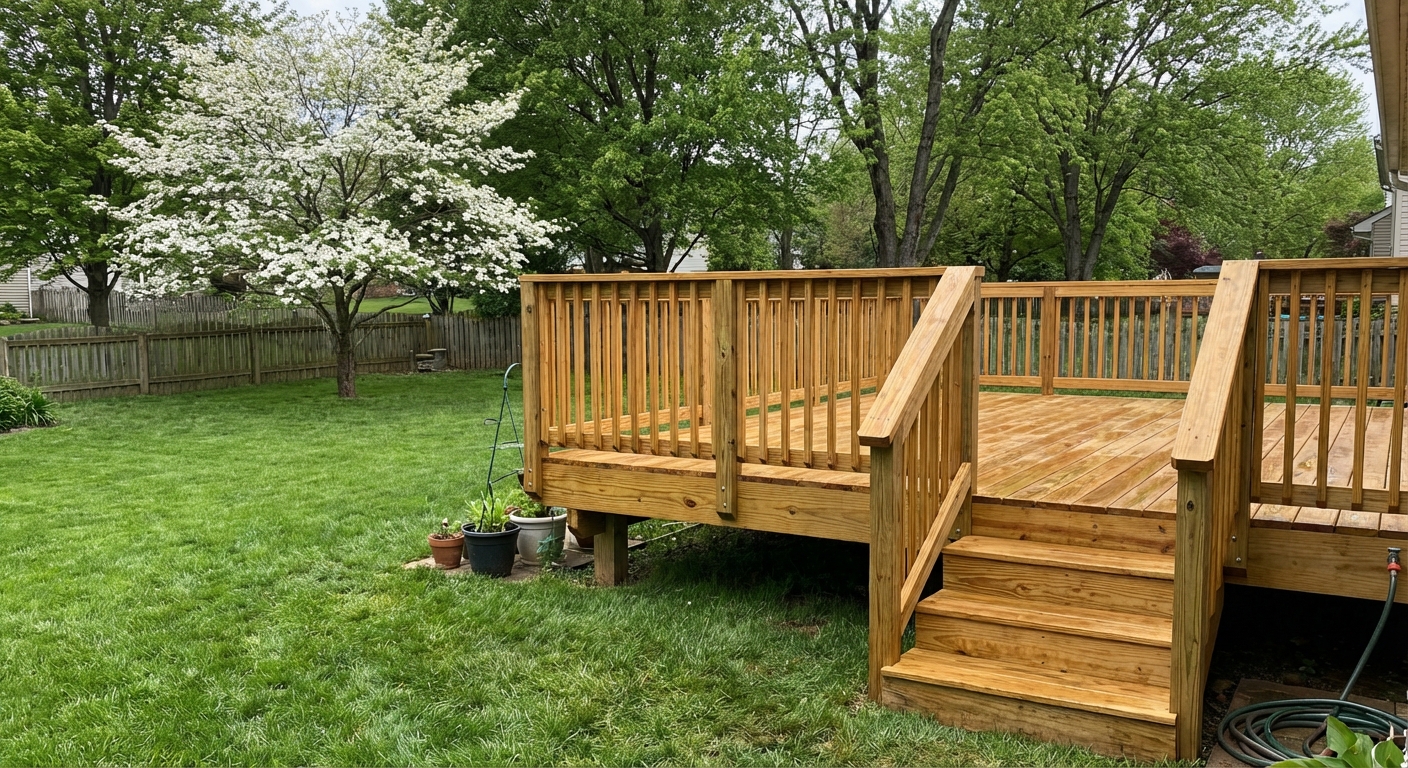
Wondering how much a new pressure-treated deck will cost in North Carolina? You're in the right place. This guide breaks down the costs associated with building a pressure-treated deck in NC, covering everything from materials and labor to permits and regional factors that can impact your budget. You'll get a clear understanding of what to expect so you can plan your project with confidence.
🧮 Tool Alert: Deck Cost Calculator
Estimate your project costs in seconds based on local pricing bands for your area.
Calculate My Cost →Pressure-Treated Deck Cost Per Square Foot in NC
Looking for more regional information? Check out our North Carolina State Decking Hub.
🏗️ Planning a deck project?
Get a free manual project review, or visualize your dream deck with AI before requesting quotes.
Pressure-treated lumber remains a popular and cost-effective choice for decks in North Carolina. You can expect to pay between $22 and $40 per square foot for a pressure-treated deck, *installed*. This price includes the cost of materials (lumber, fasteners, footings, etc.) and labor.
Here's a general cost comparison of common decking materials in North Carolina:
| Material | Cost Per Square Foot (Installed) |
|-------------------|-----------------------------------|
| Pressure-Treated | $22 - $40 |
| Composite | $40 - $70 |
| Cedar | $30 - $50 |
| Trex | $45 - $75 |
| Ipe | $55 - $95 |
Keep in mind that these are average ranges. Your actual cost will depend on the size and complexity of your deck, the specific materials you choose, and the contractor you hire.
<!-- slot:after-intro -->
For a broader look at deck pricing across different materials and regions, see our deck cost guide. Timing your build right can also save thousands — check our guide on the best time to build a deck.
Factors Influencing the Cost of Your Pressure-Treated Deck
Several factors can affect the final cost of your pressure-treated deck project:
Deck Size and Complexity
Unsurprisingly, the larger your deck, the more it will cost. More complex designs, such as multi-level decks or those with built-in seating, will also increase costs due to the additional labor and materials required.
Material Quality and Grade
Pressure-treated lumber comes in different grades. Higher grades will be more expensive but offer better durability and appearance. The type of fasteners you use (stainless steel vs. coated) will also impact the price.
Labor Costs
Labor costs vary depending on the contractor you hire and their experience level. Get multiple quotes from reputable deck builders in your area to ensure you're getting a fair price. Cities like Charlotte and Raleigh might have slightly higher labor rates than more rural areas. Search for "Best Deck Builders in Charlotte, NC" or "Best Deck Builders in Durham, NC" to find qualified professionals.
Permit Fees and Inspections
You'll likely need a permit to build a deck in North Carolina. Permit fees vary by city and county.
- Charlotte: Permits are obtained through Mecklenburg County Code Enforcement and typically cost between $150 and $400.
- Raleigh: Permits are obtained through the City of Raleigh Inspections and range from $100 to $350, with a turnaround time of 2-4 weeks.
- Durham: Permits are obtained through Durham City-County Inspections, with reasonable fees and turnaround times.
See our guide on Do You Need a Deck Permit in North Carolina? Rules by City for more details.
Site Preparation
If your yard requires significant grading or clearing before construction can begin, this will add to the overall cost.
Railings and Stairs
The type of railing you choose (wood, composite, metal) will affect the price. Stairs will also add to the cost, especially if you need multiple sets or a custom design.
Add-ons and Features
Adding features like built-in benches, planters, lighting, or a screened porch will increase the cost of your deck. Consider features popular in NC, such as screened porches or outdoor living rooms.
Regional Considerations in North Carolina
North Carolina's diverse geography and climate mean that certain regional factors can impact the cost and construction of your deck:
Coastal Areas
In eastern North Carolina, you'll need to consider hurricane and wind load requirements when designing your deck. This may necessitate stronger framing and specialized fasteners, adding to the cost.
Mountain Regions
In the mountains, the frost line is deeper (up to 24 inches) than in the piedmont or coastal areas (12-18 inches in most of NC). This means deeper footings will be required, increasing material and labor costs.
Termite Pressure
Termite pressure is significant throughout North Carolina. Using pressure-treated lumber is essential to protect your deck from termite damage.
Moisture Management
North Carolina gets between 45 and 50 inches of rain per year, so moisture management is crucial. Proper drainage and ventilation are essential to prevent rot and decay.
Pressure-Treated Lumber: Grades and Types
Understanding the different types and grades of pressure-treated lumber is crucial for making informed decisions about your deck project.
Common Types of Pressure Treatment
- ACQ (Alkaline Copper Quaternary): A common and widely used treatment that protects against decay and insects.
- MCA (Micronized Copper Azole): A newer treatment that uses smaller copper particles, resulting in a lighter color and potentially better paintability.
Lumber Grades
- #1 Grade: The highest grade, with minimal knots and imperfections. This is the most expensive option but offers the best appearance and structural integrity.
- #2 Grade: A more affordable option with some knots and imperfections. Suitable for many deck applications, especially framing.
- #3 Grade: The lowest grade, with significant knots and imperfections. Generally not recommended for deck construction.
Choosing the Right Lumber
For deck framing, #2 grade lumber is often sufficient. For the decking surface and railings, you may want to consider #1 grade for a more aesthetically pleasing look.
<!-- slot:mid-content -->
Planning Your Pressure-Treated Deck Project
Here's a step-by-step guide to help you plan your pressure-treated deck project:
1. Determine Your Budget: Figure out how much you're willing to spend on your deck project. This will help you narrow down your material choices and design options.
2. Design Your Deck: Consider the size, shape, and features you want your deck to have. Think about how you'll be using the space and design accordingly. Use PaperPlan (paperplan.app) to visualize your deck with PaperPlan design with different materials and layouts before committing to a contractor.
3. Obtain Necessary Permits: Contact your local building department to determine the permit requirements for your project. In Charlotte, this would be Mecklenburg County Code Enforcement. In Raleigh, it's the City of Raleigh Inspections. See Charlotte Deck Permit: Requirements, Costs & How to Apply or Raleigh Deck Permit Guide: What You Need Before Building for more information.
4. Get Multiple Quotes: Contact at least three reputable deck builders in your area and get detailed quotes for your project.
5. Choose a Contractor: Carefully review the quotes and choose a contractor who is licensed, insured, and has a proven track record of building quality decks. Check online reviews and ask for references.
6. Schedule the Project: Work with your contractor to schedule the project during the best time of year. In North Carolina, March-May and September-November are ideal months for deck building, as the weather is typically mild and dry. Avoid the peak summer humidity if possible.
7. Monitor Progress: Stay in communication with your contractor throughout the project and monitor the progress to ensure that the work is being done to your satisfaction.
Saving Money on Your Pressure-Treated Deck
Here are some tips to help you save money on your pressure-treated deck project:
- Keep it Simple: A simple, rectangular deck will be less expensive to build than a complex, multi-level design.
- Choose Standard Sizes: Using standard lumber sizes will minimize waste and reduce material costs.
- Do Some of the Work Yourself: If you're handy, you can save money by doing some of the work yourself, such as demolition, site cleanup, or painting/staining. However, be sure to leave the structural work to the professionals.
- Shop Around for Materials: Compare prices from different lumberyards and suppliers to find the best deals.
- Build During the Off-Season: You may be able to get a better price on labor if you build your deck during the off-season (winter months).
Maintenance for Your Pressure-Treated Deck
Proper maintenance is essential to prolong the life of your pressure-treated deck. Here are some tips:
- Clean Your Deck Regularly: Sweep your deck regularly to remove dirt and debris. Wash it with a deck cleaner at least once a year.
- Apply a Water Repellent: Apply a water repellent sealant every 1-2 years to protect the wood from moisture damage.
- Inspect for Damage: Regularly inspect your deck for signs of rot, decay, or insect damage. Repair any damage promptly.
- Re-stain or Re-paint: Re-stain or re-paint your deck every few years to protect the wood from the sun and weather.
<!-- slot:before-faq -->
Building a pressure-treated deck in North Carolina is a worthwhile investment that can add value and enjoyment to your home. By understanding the costs involved and planning your project carefully, you can create a beautiful and functional outdoor space that you'll enjoy for years to come. If you're considering composite decking, see our guide on Best Composite Decking for North Carolina: Top Brands Compared.
🎨 Not sure which material to pick?
Upload a photo of your backyard and see exactly how Trex, TimberTech, or cedar would look — free and instant.
Frequently Asked Questions
What is the lifespan of a pressure-treated deck in North Carolina?
With proper maintenance, a pressure-treated deck in North Carolina can last for 15-20 years. Factors like exposure to the elements, the quality of the lumber, and the frequency of maintenance will affect its lifespan.
Do I need a permit to build a deck in North Carolina?
Yes, in most cases, you will need a permit to build a deck in North Carolina. Check with your local building department for specific requirements. Review our guides on Deck Cost in Charlotte, NC: Local Pricing Guide for 2026 or Deck Cost in Raleigh, NC: What Homeowners Are Paying in 2026 for more specific permit cost data in those cities.
What are the best months to build a deck in North Carolina?
The best months to build a deck in North Carolina are March-May and September-November. The weather is typically mild and dry during these months, making it ideal for outdoor construction.
Is pressure-treated lumber safe for my family and pets?
Modern pressure-treated lumber is generally considered safe when used properly. However, it's important to follow all safety precautions when working with pressure-treated lumber, such as wearing gloves and a dust mask. Avoid using pressure-treated lumber for raised garden beds or other applications where it may come into direct contact with food.
How do I find a reputable deck builder in North Carolina?
To find a reputable deck builder in North Carolina, ask for recommendations from friends, family, or neighbors. Check online reviews and ratings. Verify that the contractor is licensed and insured. Get multiple quotes and compare them carefully.
<!-- slot:end -->
📋 Planning a deck project?
Get a free manual project review from our team — no obligation, no spam.
Get Free Project Review →Upload a backyard photo and preview real decking materials with AI — free, instant, no sign-up.
Permits, costs, material comparisons, and questions to ask before requesting quotes — delivered to your inbox.