
Deck Permits in North Carolina: 2026 Rules
Building a deck in NC? Don't start without knowing the permit rules! This guide breaks down deck permit requirements across North Carolina cities.
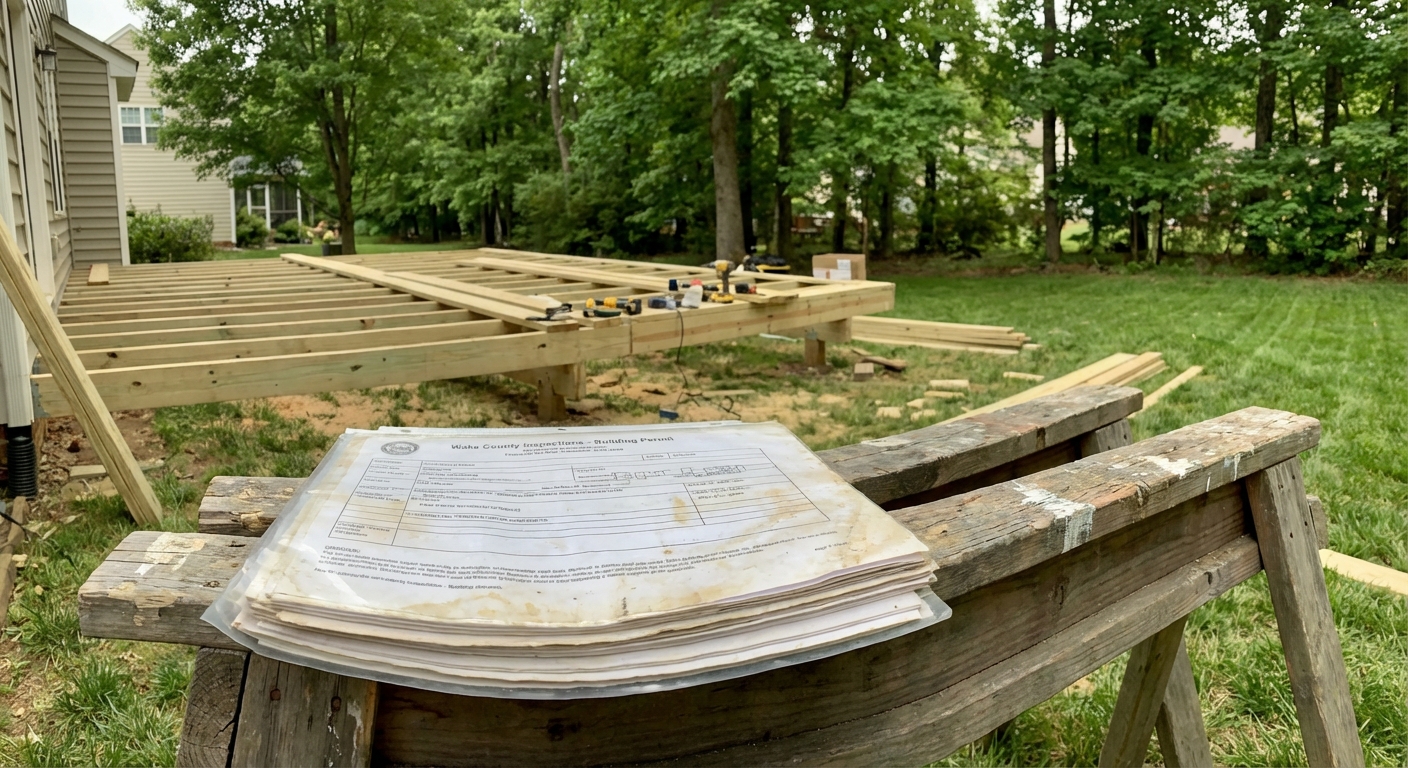
Building a deck in North Carolina? Before you even think about lumber or composite, you need to figure out if you need a permit. This guide walks you through the North Carolina deck permit process, highlighting key requirements and variations across different cities. The goal is to help you avoid costly fines and delays.
📋 Tool Alert: Permit Checker
Do you really need a permit? Check the exact rules for your city or township.
Check Permits →Understanding North Carolina Deck Permit Requirements
Looking for more regional information? Check out our North Carolina State Decking Hub.
🏗️ Planning a deck project?
Get a free manual project review, or visualize your dream deck with AI before requesting quotes.
North Carolina follows the NC State Building Code, which is based on the International Residential Code (IRC). However, cities and counties can (and often do) add their own local amendments. This means the rules can vary slightly depending on where you live.
Generally, you'll need a permit for any deck that:
- Is 30 inches or more above grade (ground level).
- Is attached to your house.
- Serves as the primary exit route from a building.
- Covers pre-existing required egress windows.
Even if your deck is *under* 30 inches, it's always best to check with your local building department. Some municipalities require permits for smaller decks, especially if they are attached to the house.
<!-- slot:after-intro -->
Key Factors Affecting Permit Requirements
Several factors influence whether you'll need a permit and the specific requirements you'll face.
- Deck Height: Decks higher than 30 inches trigger stricter requirements.
- Attachment: Attached decks generally require permits, while freestanding decks might not, depending on size and height.
- Size: Larger decks often require more detailed plans and inspections.
- Location: Coastal areas with hurricane risks have stricter wind load requirements. Mountain areas need to consider snow load and frost depth.
- Local Amendments: Cities like Charlotte, Raleigh, and Durham have their own specific rules beyond the state code.
North Carolina Climate Considerations
North Carolina enjoys a moderate climate, making decks usable for 8-10 months of the year. However, this climate also brings challenges:
- Hot, Humid Summers: Temperatures can range from 85-95°F in summer. Choose materials that resist warping and fading.
- Significant Rainfall: NC gets 45-50 inches of rain annually. Proper drainage and moisture management are crucial.
- Termites: Termite pressure is high across the state. Always use treated lumber.
- Frost Line: The frost line ranges from 12-18 inches across most of NC but can be deeper (up to 24 inches) in mountain regions. Footings must extend below the frost line to prevent movement.
- Hurricane Risks: Eastern NC faces potential hurricane-force winds. Decks in these areas require extra reinforcement and wind load calculations.
Permit Requirements by City: Examples
While the NC State Building Code provides a baseline, here's a glimpse of what you might encounter in some of North Carolina's major cities:
- Charlotte: Permits are handled through Mecklenburg County Code Enforcement. Expect permit fees in the range of $150-400. You'll need to submit detailed plans showing dimensions, materials, and footing depths.
- Raleigh: The City of Raleigh Inspections handles permits. Fees typically range from $100-350, and the turnaround time for permit approval can be 2-4 weeks. They often require a site plan showing property lines and setbacks.
- Durham: Durham City-County Inspections is the place to go. Fees are generally reasonable, and the permitting process is usually efficient.
- Greensboro: Check with the City of Greensboro's Building Inspections Division. They follow the NC State Building Code with potential local amendments.
Important: *Always* contact your local building department directly for the most up-to-date and accurate information. Don't rely solely on online information, as rules can change.
Deck Material Costs in North Carolina
Choosing the right decking material is crucial for both aesthetics and durability. Here's a general idea of material costs installed in North Carolina:
| Material | Cost per Square Foot (Installed) | Pros | Cons |
| ---------------- | ---------------------------------- | ----------------------------------------------------------------- | ----------------------------------------------------------------- |
| Pressure-Treated | $22-40 | Most affordable, readily available, insect and rot-resistant | Can warp and crack, requires regular maintenance, less attractive |
| Composite | $40-70 | Low maintenance, durable, resists fading and staining, long lifespan | More expensive than pressure-treated, can get hot in direct sun |
| Cedar | $30-50 | Naturally beautiful, insect and rot-resistant, aromatic | Requires regular sealing, softer than other options |
| Trex | $45-75 | High-end composite, excellent durability, wide range of colors | Higher cost, can be slippery when wet |
| Ipe | $55-95 | Extremely durable, naturally resistant to insects and rot, beautiful | Most expensive, requires specialized tools for installation |
Use PaperPlan (paperplan.app) to visualize your deck with PaperPlan design with different materials and layouts before committing to a contractor. Seeing the options can help you make the best choice for your budget and style.
The North Carolina Deck Building Process
Building a deck involves several steps, whether you're DIYing or hiring a contractor:
1. Design and Planning: Create detailed plans showing dimensions, materials, and footing locations. This is essential for obtaining a permit.
2. Permitting: Submit your plans to your local building department and obtain the necessary permits.
3. Site Preparation: Clear the area, level the ground, and mark footing locations.
4. Footing Installation: Dig and pour concrete footings, ensuring they extend below the frost line.
5. Framing: Build the deck frame using treated lumber.
6. Decking Installation: Install the decking material of your choice.
7. Railing Installation: Install railings and stairs, ensuring they meet code requirements.
8. Final Inspection: Schedule a final inspection with your local building department to ensure the deck meets all code requirements.
<!-- slot:mid-content -->
Common Deck Permit Mistakes to Avoid
- Starting Without a Permit: This can result in fines, stop-work orders, and even the requirement to tear down your deck.
- Incorrect Footing Depth: Failing to dig footings below the frost line can cause the deck to shift and settle.
- Using Non-Treated Lumber: This is a recipe for disaster in NC, given the high termite pressure.
- Ignoring Setback Requirements: Building too close to property lines can lead to legal issues.
- Improper Railing Height: Railings must be at least 36 inches high (check local codes for specific requirements).
- Not Understanding Local Amendments: Relying solely on the state building code can lead to violations.
Tips for a Smooth Deck Permit Process
- Contact Your Local Building Department Early: Discuss your project with them before you even start planning.
- Hire a Qualified Contractor: A reputable contractor will be familiar with local codes and permit requirements. Look for experienced Best Deck Builders in Charlotte, NC: How to Find the Right Contractor or Best Deck Builders in Durham, NC: Local Guide for 2026
- Submit Complete and Accurate Plans: Incomplete or inaccurate plans will delay the permit process.
- Be Patient: Permit processing can take time, especially during peak construction season.
- Be Prepared for Inspections: Make sure your deck is built according to the approved plans and codes.
Regional Considerations within North Carolina
North Carolina's diverse geography means different areas have different needs:
- Mountains: Snow load is a major concern. Use stronger framing and ensure proper snow shedding.
- Piedmont: Moderate climate, but still requires attention to moisture management and termite protection.
- Coast: Hurricane-force winds require extra reinforcement and adherence to wind load requirements. Use corrosion-resistant fasteners.
<!-- slot:before-faq -->
Building a deck in North Carolina can significantly enhance your outdoor living space. By understanding the permit requirements and regional considerations, you can ensure a successful and code-compliant project. Don't hesitate to consult with local professionals to navigate the process smoothly.
<!-- slot:end -->
🎨 Not sure which material to pick?
Upload a photo of your backyard and see exactly how Trex, TimberTech, or cedar would look — free and instant.
Frequently Asked Questions
Do I need a permit to replace decking boards on an existing deck?
Generally, no, if you're simply replacing the surface decking boards on an *existing* deck and not altering the structure, you likely won't need a permit. However, if you're replacing the entire deck structure or making significant changes, a permit is usually required. Always check with your local building department to be sure.
What happens if I build a deck without a permit?
Building without a permit can lead to several consequences, including fines, stop-work orders, and even the requirement to remove the deck. It can also create problems when you try to sell your home.
How long does it take to get a deck permit in North Carolina?
Permit processing times vary depending on the city and the complexity of the project. In Raleigh, expect a turnaround time of 2-4 weeks. Simpler projects might be approved faster, while more complex designs can take longer.
What documents do I need to apply for a deck permit?
Typically, you'll need to submit a site plan showing property lines and the location of the deck, detailed construction plans showing dimensions, materials, and footing depths, and a permit application form. The specific requirements may vary by city.
How much does a deck permit cost in North Carolina?
Deck permit costs vary by city and the size/complexity of the deck. In Charlotte, expect to pay between $150-$400. In Raleigh, the range is typically $100-$350.
How Much Does a Deck Cost in North Carolina? 2026 Guide
Best Composite Decking for North Carolina: Top Brands Compared
Pressure-Treated Deck Cost in North Carolina: Budget Guide
📋 Planning a deck project?
Get a free manual project review from our team — no obligation, no spam.
Get Free Project Review →Upload a backyard photo and preview real decking materials with AI — free, instant, no sign-up.
Permits, costs, material comparisons, and questions to ask before requesting quotes — delivered to your inbox.