
Best Deck Builders in Ann Arbor, MI: Local Guide
Looking for the best deck builders in Ann Arbor, MI? This local guide covers costs, permits, materials, and top contractors to build your dream deck.
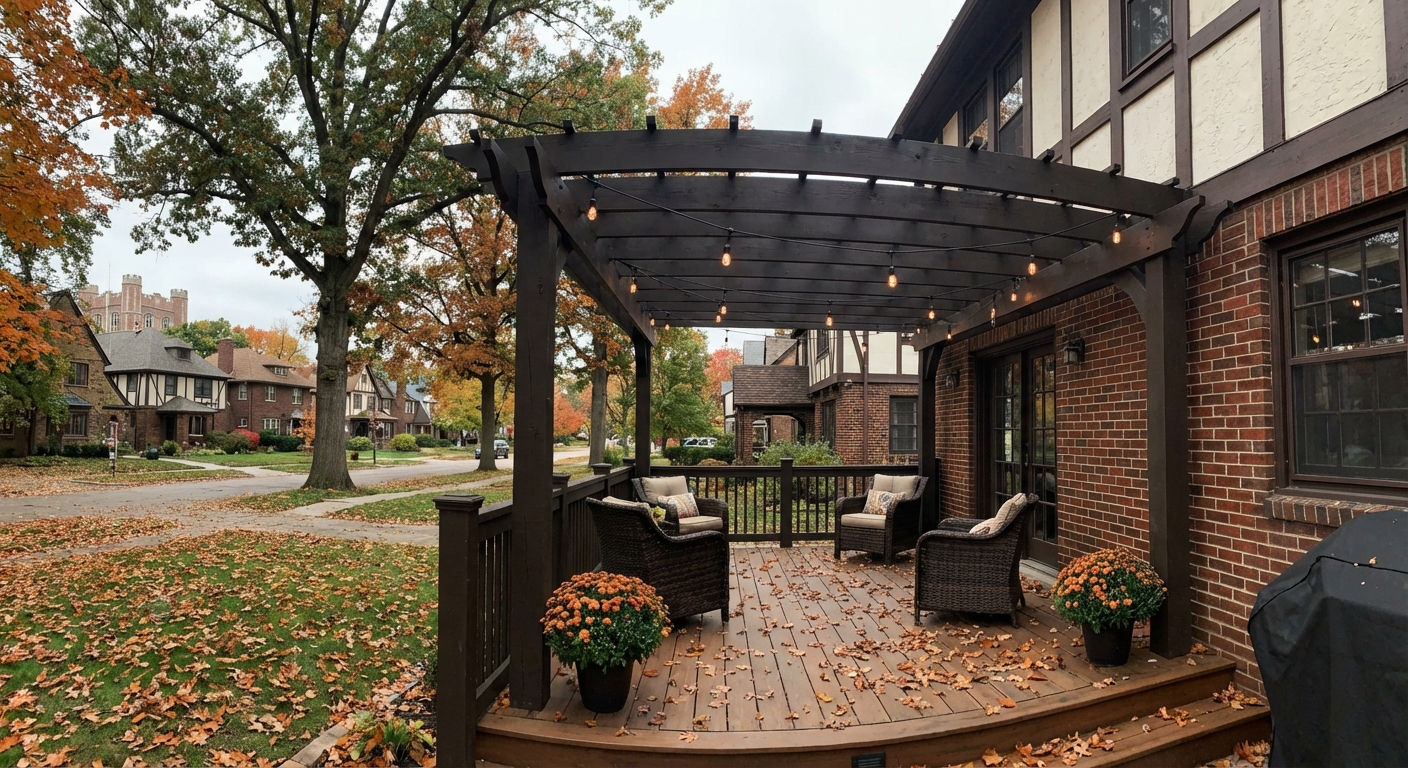
Are you ready to transform your Ann Arbor backyard with a beautiful new deck? Finding the right deck builder is crucial for a smooth project that meets your needs and budget. This guide provides key information about deck construction in Ann Arbor, including local pricing, permits, materials, and how to find qualified contractors.
Understanding Deck Costs in Ann Arbor
Deck costs in Ann Arbor are influenced by material choices, size, design complexity, and contractor selection. While Michigan generally has moderate construction costs, Ann Arbor's market trends slightly higher due to demand and material availability. Here’s a breakdown of average deck costs you can expect:
🏗️ Planning a deck project?
Get a free manual project review, or visualize your dream deck with AI before requesting quotes.
| Material | Average Cost Per SqFt (Installed) | Notes |
|-------------------|------------------------------------|---------------------------------------------------------------------------------------------------------|
| Pressure-Treated | $22 - $40 | Most economical option; requires regular maintenance. |
| Composite | $40 - $70 | Low-maintenance, durable, and resistant to rot and insects. Brands like TimberTech and Fiberon are popular. |
| Cedar | $30 - $50 | Naturally beautiful and insect-resistant; requires staining or sealing. |
| Trex | $45 - $75 | A leading composite decking brand known for its durability and wide range of colors. |
These prices include both materials and labor. Remember that complex designs, multi-level decks, or features like built-in seating and railings will increase the overall cost.
<!-- slot:after-intro -->
Navigating Ann Arbor's Permitting Process
Building a deck in Ann Arbor typically requires a permit, especially if it's attached to your house or more than 30 inches above grade. The city enforces the Michigan Residential Code (MRC) through its building department.
Here's what you need to know:
- Permit Requirements: Decks over 30 inches high or attached to a dwelling need a permit. This ensures compliance with safety standards.
- Application Process: You'll need to submit detailed plans showing the deck's dimensions, materials, and foundation. Your contractor can usually assist with this.
- Cost: Permit costs in Ann Arbor range from $75 to $400, depending on the size and complexity of the project. Contact the city's building department for exact fees.
- Historic Districts: If your home is in a historic district like Burns Park or Old West Side, additional review and approvals may be required. Expect longer timelines.
- Inspections: The city will conduct inspections during construction to ensure the deck meets code requirements.
Familiarize yourself with Ann Arbor's building codes and permitting process to avoid delays and ensure a compliant build. Check the official Ann Arbor city website for building permits or contact the building department directly.
Choosing the Right Decking Material for Ann Arbor's Climate
Michigan's climate presents unique challenges for deck construction. Warm, humid summers with temperatures reaching 80-90°F, followed by brutal winters with heavy snow and freeze-thaw cycles, can impact your deck's longevity.
Here’s how different materials hold up:
- Pressure-Treated Lumber: Affordable but prone to warping, cracking, and fading due to moisture and temperature fluctuations. Requires regular sealing and staining.
- Composite Decking: Excellent resistance to moisture, rot, and insects. Stands up well to freeze-thaw cycles, making it a popular choice in Michigan. Brands like Trex and Fiberon offer long warranties.
- Cedar: Naturally resistant to insects and decay but can still be affected by moisture. Requires regular maintenance to prevent weathering and maintain its appearance.
Moisture concerns are significant. The constant expansion and contraction of deck boards due to humidity and temperature changes can weaken connections and cause structural issues. Composite decking handles this better than wood. Also, southern Michigan is susceptible to carpenter ants and termites, so ensure ground-contact lumber is treated appropriately.
For homes near the Huron River or other waterways, be aware of potential setback requirements and environmental regulations.
Consider using PaperPlan (paperplan.app) to visualize your deck with PaperPlan design with different materials and layouts before committing to a contractor. Seeing the options can help you make the best choice for your Ann Arbor home and budget.
Factors Affecting Deck Pricing in Ann Arbor
Several factors influence the final cost of your deck project in Ann Arbor:
- Size: Larger decks require more materials and labor, increasing the overall cost.
- Materials: As shown in the cost table, different materials have varying prices. Composite and cedar are more expensive than pressure-treated lumber.
- Design Complexity: Simple rectangular decks are more affordable than multi-level decks with curves, angles, or custom features.
- Railing Options: Basic wood railings are cheaper than composite, metal, or glass railings.
- Permits and Fees: Ann Arbor's permit fees and inspection costs will add to the total price.
- Contractor's Fees: Labor costs vary depending on the contractor's experience, overhead, and demand.
- Location: Projects in neighborhoods with difficult access or challenging terrain may incur additional costs.
<!-- slot:mid-content -->
Finding the Best Deck Builders in Ann Arbor
Finding the right contractor is essential for a successful deck build. Here's how to find the best deck builders in Ann Arbor:
1. Get Referrals: Ask friends, family, and neighbors for recommendations. Local Facebook groups and online forums can also provide valuable insights.
2. Check Online Reviews: Look for contractors with positive reviews on sites like Google, Yelp, and the Better Business Bureau (BBB). Pay attention to both the overall rating and the content of the reviews.
3. Verify Licensing and Insurance: Ensure the contractor is licensed and insured to operate in Michigan. This protects you from liability in case of accidents or damages.
4. Get Multiple Quotes: Obtain quotes from at least three different contractors. Compare the prices, materials, and timelines carefully.
5. Review Portfolios: Ask to see examples of the contractor's previous work. This will give you an idea of their skill and style.
6. Check References: Contact previous clients to ask about their experience with the contractor.
7. Read the Contract Carefully: Before signing anything, review the contract thoroughly. Make sure it includes a detailed scope of work, payment schedule, and warranty information.
Remember that Ann Arbor's university town status can lead to seasonal demand spikes, so book your contractor well in advance, especially if you want your deck built during the peak summer months.
Deck Styles and Trends in Ann Arbor
Ann Arbor's diverse architecture and homeowner preferences lead to a variety of deck styles. Some popular trends include:
- Modern Decks: Clean lines, minimalist designs, and composite decking in neutral colors.
- Traditional Decks: Wood decks with classic railings and built-in benches, often stained in natural tones.
- Multi-Level Decks: Decks with multiple levels connected by stairs, creating different zones for dining, lounging, and entertaining.
- Covered Decks: Decks with pergolas or roofs, providing shade and protection from the elements. These require careful consideration of snow load, especially as you get closer to the lake-effect snow belts of western MI.
- Integrated Landscaping: Decks that incorporate planters, gardens, and other landscaping features, creating a seamless transition between indoor and outdoor spaces.
Consider your home's style and your personal preferences when choosing a deck design. A well-designed deck can significantly enhance your property's value and curb appeal.
<!-- slot:before-faq -->
Maintaining Your Ann Arbor Deck
Proper maintenance is crucial for extending the life of your deck. Here are some tips:
- Regular Cleaning: Sweep your deck regularly to remove dirt, leaves, and debris. Wash it with a mild soap and water solution at least once a year.
- Sealing and Staining: If you have a wood deck, seal or stain it every one to two years to protect it from moisture and UV damage.
- Inspect for Damage: Regularly inspect your deck for signs of rot, decay, or insect infestation. Address any issues promptly to prevent further damage.
- Clear Snow and Ice: In the winter, clear snow and ice from your deck to prevent moisture damage and reduce the risk of slips and falls.
- Check Railings and Fasteners: Ensure railings are secure and fasteners are tight. Replace any damaged or missing components.
By following these maintenance tips, you can keep your Ann Arbor deck looking its best for years to come.
🎨 Not sure which material to pick?
Upload a photo of your backyard and see exactly how Trex, TimberTech, or cedar would look — free and instant.
Frequently Asked Questions
What type of deck is best for the Michigan climate?
Composite decking is generally considered the best option for Michigan's climate due to its resistance to moisture, rot, and insects. It holds up well to freeze-thaw cycles and requires minimal maintenance. While wood decks offer a natural aesthetic, they require more upkeep to prevent weathering and decay.
How deep do deck footings need to be in Ann Arbor?
Due to Michigan's frost line, which is around 42 inches in southern Michigan, deck footings in Ann Arbor must extend at least 42 inches below grade. This prevents the deck from shifting or heaving due to freezing and thawing.
Do I need a permit to replace existing deck boards in Ann Arbor?
If you are only replacing the surface boards on your existing deck and not altering the structure, you may not need a permit. However, it's always best to check with the Ann Arbor building department to confirm whether a permit is required for your specific project.
How much does it cost to remove an old deck in Ann Arbor?
The cost to remove an old deck in Ann Arbor typically ranges from $500 to $2,000, depending on the size and complexity of the deck, as well as disposal fees. Many deck builders offer removal services as part of a new deck installation project.
<!-- slot:end -->
Building a deck in Ann Arbor is a worthwhile investment that can enhance your outdoor living space and increase your property's value. By understanding the local costs, permitting process, and material options, you can make informed decisions and find the right contractor for your project. Remember to prioritize quality materials, proper construction techniques, and regular maintenance to ensure your deck provides years of enjoyment.
📋 Planning a deck project?
Get a free manual project review from our team — no obligation, no spam.
Get Free Project Review →Upload a backyard photo and preview real decking materials with AI — free, instant, no sign-up.
Permits, costs, material comparisons, and questions to ask before requesting quotes — delivered to your inbox.